
Bottom line: Essential oils cannot dissolve or remove a bone spur. Some fragranced massage products may briefly change how pain feels, but they do not alter the underlying bone or joint problem.
Seek urgent assessment after a major injury, or for severe pain with a hot swollen joint, fever, inability to bear weight, new weakness or loss of bladder or bowel control.
What a bone spur is
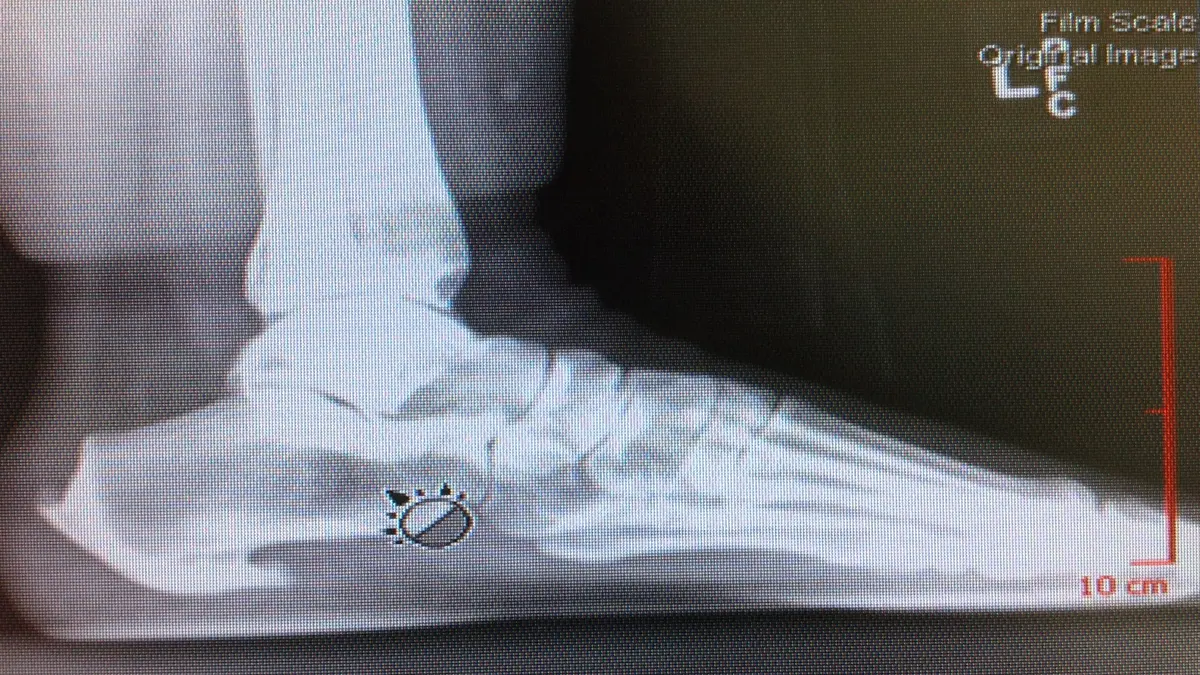
A bone spur, or osteophyte, is an extra area of bone that develops near a joint or where a tendon or ligament attaches. It is often associated with osteoarthritis and may cause no symptoms.
Pain near a spur does not prove that the visible bone is the source. A heel spur can appear on an X-ray while plantar fascia, tendon or other tissue causes the symptoms.
The NHS explains that osteoarthritis affects the whole joint, including cartilage, bone and surrounding tissues. Treatment is based on symptoms and function, not merely an imaging finding.
What essential oils can and cannot do
No human trial identified in current aromatherapy guidance shows that an essential oil shrinks an osteophyte. Claims that frankincense, peppermint or another oil “breaks down” a spur do not match how bone remodelling or osteoarthritis treatment works.
Some studies examine aromatherapy for pain more generally. A 2016 systematic review found possible pain reduction across varied aromatherapy trials, but the conditions, oils and methods differed substantially.
The review did not establish a treatment for bone spurs. Pain relief, when reported, is not evidence that the spur changed. Short studies also cannot show whether joint structure or long-term function improved.
A review of topical essential oils for musculoskeletal disorders found a small and uneven evidence base. Many interventions contained several ingredients, making an individual oil’s contribution difficult to identify.
Menthol creates a cooling sensation through temperature-sensitive nerve receptors. This may alter pain perception for a while. A formulated menthol medicine is not the same as applying neat peppermint oil, and neither removes bone.
Heel spurs need a symptom-based assessment
Heel-spur searches often describe pain worst during the first steps after rest. That pattern commonly occurs with plantar fasciitis. NHS guidance focuses on load management, supportive footwear and stretching.
An X-ray is not always needed for typical plantar heel pain. Assessment becomes more important when the diagnosis is uncertain, pain follows trauma, sensation changes or symptoms are not improving.
A spur at another joint may have a different significance. In the spine, symptoms can relate to pressure on a nerve. In a finger or knee, osteoarthritis may be the wider problem.
This is why a product chosen only from the word “spur” can miss the cause of pain. The location, pattern and effect on movement matter more.
Care that addresses the actual problem
NICE recommends tailored therapeutic exercise as a core osteoarthritis treatment. Weight management can help when excess weight is contributing, and medicines may be considered according to individual risk.
Exercise may feel uncomfortable at first, but a suitable programme aims to improve strength and function. A physiotherapist or clinician can adapt it for the affected joint and other health conditions.
For persistent heel pain, calf and plantar-fascia stretching, activity changes and supportive footwear are common starting points. Insoles may help some people, although no single approach works for everyone.
A best-practice guide combined systematic review evidence with expert and patient input for plantar heel pain. It supported stretching, taping and education before selected additional treatments.
If you still want to use a fragranced product
Think of it as optional comfort, not spur treatment. Do not massage a recently injured, acutely swollen or unexplained painful area until a significant injury or infection has been excluded.
Use a correctly diluted product on intact skin and stop if it burns, stings or causes a rash. Avoid heat pads over the product because heat can increase irritation and accidental skin injury.
Do not ingest an essential oil. NCCIH notes that aromatherapy research is limited and that oils can cause skin reactions.
When to ask for help
See a clinician if pain is persistent, repeatedly limits walking or sleep, or comes with numbness, weakness or joint swelling. A diagnosis is more useful than treating an X-ray label.
Urgent help is warranted for a hot red joint with fever, sudden inability to bear weight, severe pain after trauma or symptoms suggesting significant nerve compression.
My verdict
Essential oils do not remove bone spurs. At most, a diluted fragranced massage product may offer temporary sensory comfort for some people, but the direct evidence is poor.
Base treatment on the source of symptoms. Exercise, footwear, load management, pain relief and further assessment each have different roles depending on the joint and diagnosis.
References
- NHS: Osteoarthritis
- NICE NG226: Osteoarthritis in over 16s
- NHS: Plantar fasciitis
- Morrissey and colleagues: Best practice guide for plantar heel pain
- Lakhan and colleagues: Aromatherapy for pain systematic review
- Topical essential oils for musculoskeletal disorders review
- Posadzki and colleagues: Adverse effects of aromatherapy
- NCCIH: Aromatherapy
- NHS: Joint pain