
Browse clear guides to the claims made for essential oils in relation to particular conditions and outcomes. Each guide compares the relevant oils and points to detailed Claim Reviews without presenting essential oils as treatments.
Best Essential Oils for Arthritis: Evidence and Treatment Limits
Why arthritis is not one condition, what massage may and may not do, and why oils cannot replace disease-specific treatment.
Explore the claims
Best Essential Oils for Coughs: Evidence, Limits and Safer Care
Why a cough needs a cause-led assessment, how vapour products differ from neat oils and which symptoms need urgent help.
Explore the claims
Best Essential Oils for Eczema: Evidence and Skin Safety
Why essential oils are not proven eczema treatments, how damaged skin reacts to fragrance and what emollient-led care involves.
Explore the claims
Best Essential Oils for Heartburn: Evidence, Peppermint and Safer Care
Why essential oils do not treat reflux, why peppermint may worsen heartburn and what NHS and NICE care recommends instead.
Explore the claims
Essential Oils and Age Spots: What the Evidence Says
Why age spots need a correct diagnosis, what treatments have evidence and why essential-oil lightening claims remain unproven.
Explore the claims
Essential Oils and Anxiety: A Guide to the Claims
HealthWatchlist verdict: Some aromatherapy trials report reduced short-term anxiety scores. They do not establish that inhaled essential oils treat an anxiety disorder. Persistent anxiety that affects everyday life…
Explore the claims
Essential Oils and Bad Breath: Evidence, Limits and Safer Care
A sourced guide to essential-oil mouthwash research, the common causes of persistent bad breath and when dental care matters more.
Explore the claims
Essential Oils and Cellulite: A Guide to the Claims
What cellulite is, why massage can create a temporary visual change and why essential-oil claims lack convincing human evidence.
Explore the claims
Essential Oils and Dandruff: Evidence and Safety
What causes dandruff, where tea tree shampoo has limited evidence and why a persistent or inflamed scalp needs a proper diagnosis.
Explore the claims
Essential Oils and Foot Odour: Evidence and Practical Care
What causes foot odour, how fungal infection differs from bacterial smell and why moisture control matters more than fragrance.
Explore the claims
Essential Oils and Hair Growth: What Does the Evidence Show?
What clinical research can and cannot tell us about essential oils for pattern hair loss, alopecia areata and other causes of shedding.
Explore the claims
Essential Oils and Menopause: What Does the Evidence Show?
What aromatherapy trials report for selected menopause symptoms, where the evidence remains uncertain and why hormone-balancing claims go too far.
Explore the claims
Essential Oils and Menstrual Cramps: What Does the Evidence Show?
A careful review of aromatherapy trials for primary period pain, including route, massage effects, evidence limits and reasons to seek care.
Explore the claims
Essential Oils and Oily Skin: A Guide to the Claims
Why evidence about an acne product does not prove that an essential oil reduces sebum, plus the irritation risks of applying neat oils.
Explore the claims
Essential Oils and PMS: A Guide to the Claims
A cautious look at aromatherapy claims for period pain, bloating and mood symptoms, with the evidence separated by outcome and method.
Explore the claims
Essential Oils and Relaxation: A Guide to the Claims
A claim-by-claim guide to scents, short-term relaxation and anxiety, without treating a pleasant aroma as a medical therapy.
Explore the claims
Essential Oils and Sleep: A Guide to the Claims
HealthWatchlist verdict: Some aromatherapy studies report improved sleep quality, but feeling more rested is different from proving that an oil treats insomnia. This guide separates bedtime relaxation, self-reported…
Explore the claims
Essential Oils and Snoring: What Does the Evidence Show?
What one older essential-oil trial found, why diffuser claims remain unsupported and how to recognise possible obstructive sleep apnoea.
Explore the claims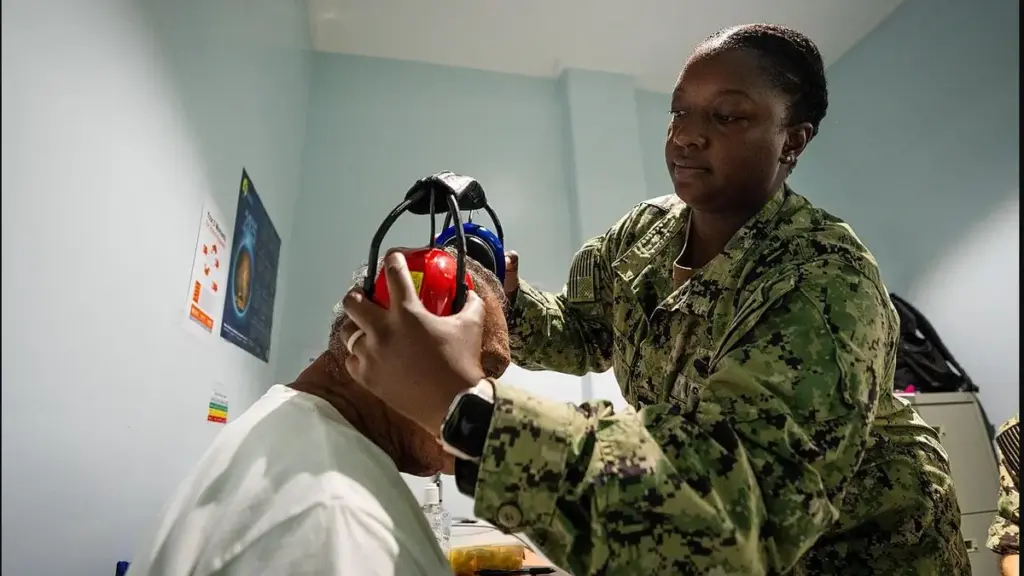
Essential Oils and Tinnitus: A Guide to the Claims
There is no established essential-oil treatment for tinnitus. This guide explains the claims, the evidence gap and when symptoms need urgent assessment.
Explore the claims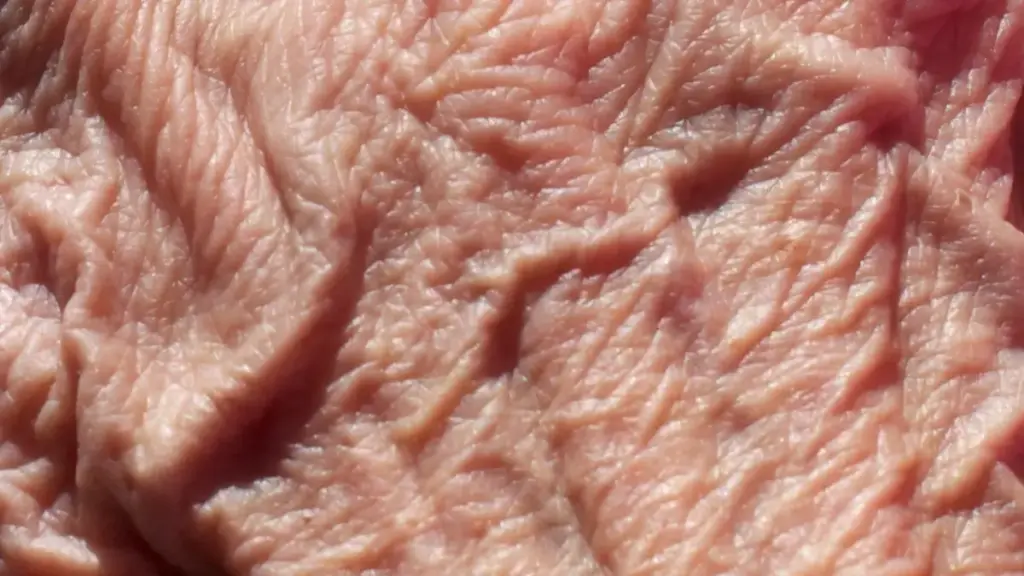
Essential Oils and Wrinkles: What the Evidence Says
A careful look at essential oils, skin ageing, irritation, sun protection and the difference between laboratory findings and visible wrinkle reduction.
Explore the claims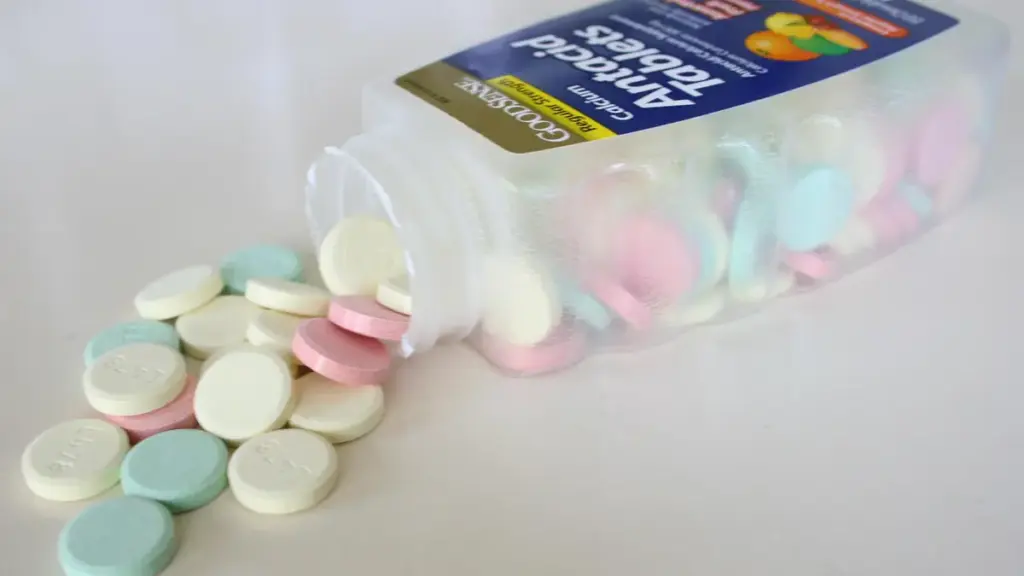
Essential Oils for Acid Reflux: Evidence, Peppermint and Safer Care
Why peppermint can worsen heartburn, why aromatherapy does not treat reflux and when persistent symptoms need assessment.
Explore the claims
Essential Oils for ADHD: Evidence and Safer Support
Why essential oils do not treat ADHD, how assessment and practical support work, and why children need extra protection from concentrated oils.
Explore the claims
Essential Oils for Adrenal Fatigue: What the Evidence Says
Why adrenal fatigue is not a validated diagnosis, how real adrenal insufficiency differs and why essential oils cannot replace assessment or steroid treatment.
Explore the claims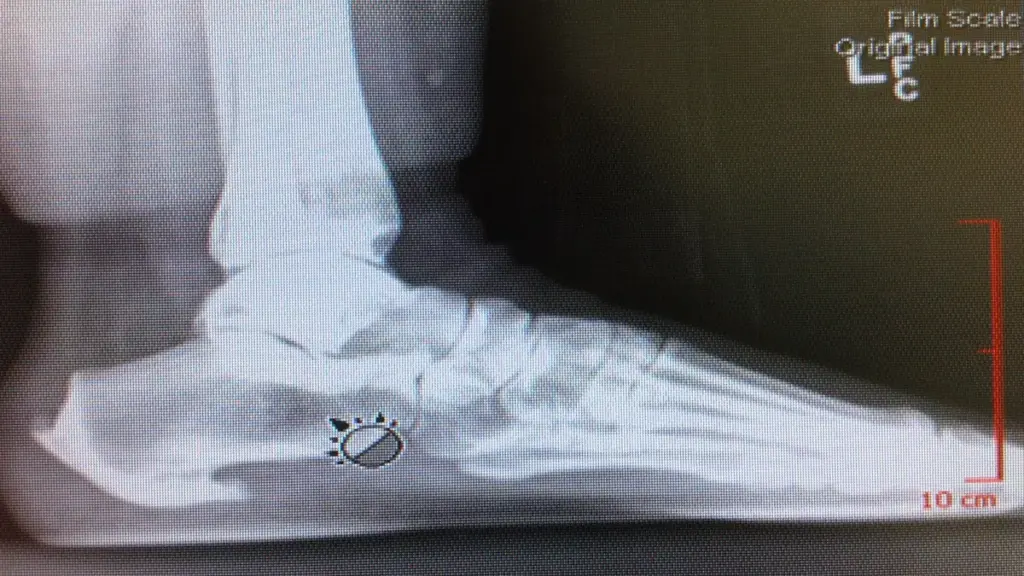
Essential Oils for Bone Spurs: Pain Evidence and Treatment Limits
Why essential oils cannot dissolve bone spurs, what general pain research means and how care should follow the source of symptoms.
Explore the claims
Essential Oils for Bronchitis: What Product Trials Really Show
What standardised respiratory-product trials tested, why a diffuser is different and which breathing symptoms require help.
Explore the claims
Essential Oils for Bruises: Evidence, First Aid and Warning Signs
Why essential oils are not proven to speed bruise healing, how arnica evidence differs and when bruising needs assessment.
Explore the claims
Essential Oils for Burns: First Aid, Evidence and Safety
Why cool running water comes first, and why wound research does not establish essential oils as burn treatment.
Explore the claims
Essential Oils for Canker Sores: Evidence and Mouth Safety
What recurrent mouth-ulcer guidance recommends, why neat oils can burn the mouth and when a persistent ulcer needs examination.
Explore the claims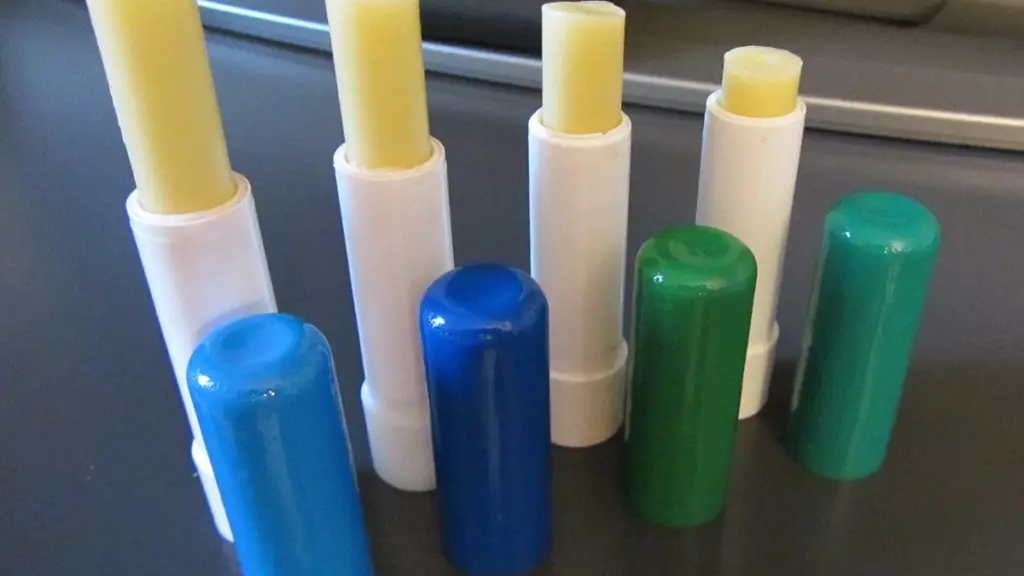
Essential Oils for Cold Sores: Clinical Evidence and Safety
Essential oils are not established cold-sore treatments. A lemon-balm extract trial is often confused with essential-oil evidence, and laboratory antiviral activity does not show that applying an oil heals a cold sore.
Explore the claims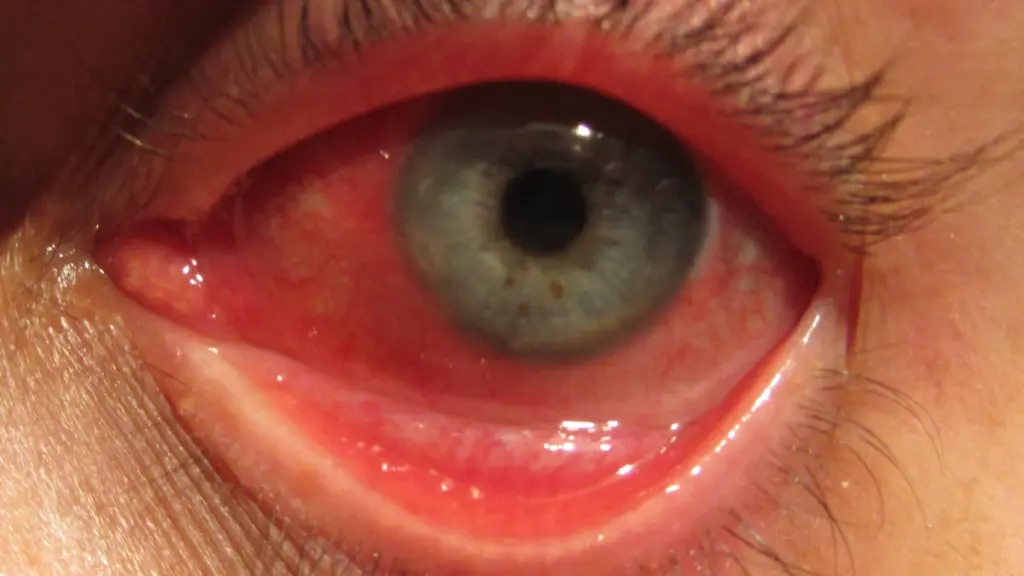
Essential Oils for Conjunctivitis: Why Eye Safety Comes First
Essential oils are not established treatments for conjunctivitis and should not be put in the eye. Tea tree research on eyelid mites concerns a different problem, while laboratory studies raise concerns about exposure of eye cells to tea tree constituents.
Explore the claims
Essential Oils for Constipation: Massage Evidence and Safety
What two aromatherapy-massage trials found, why they cannot isolate the oils and which constipation symptoms need medical advice.
Explore the claims
Essential Oils for Depression: Symptom Studies and Treatment Limits
Aromatherapy studies sometimes report improved depressive symptoms, but the evidence does not establish essential oils as a replacement for depression treatment. Recent controlled findings show why short-term mood changes and recovery from clinical depression must be kept separate.
Explore the claims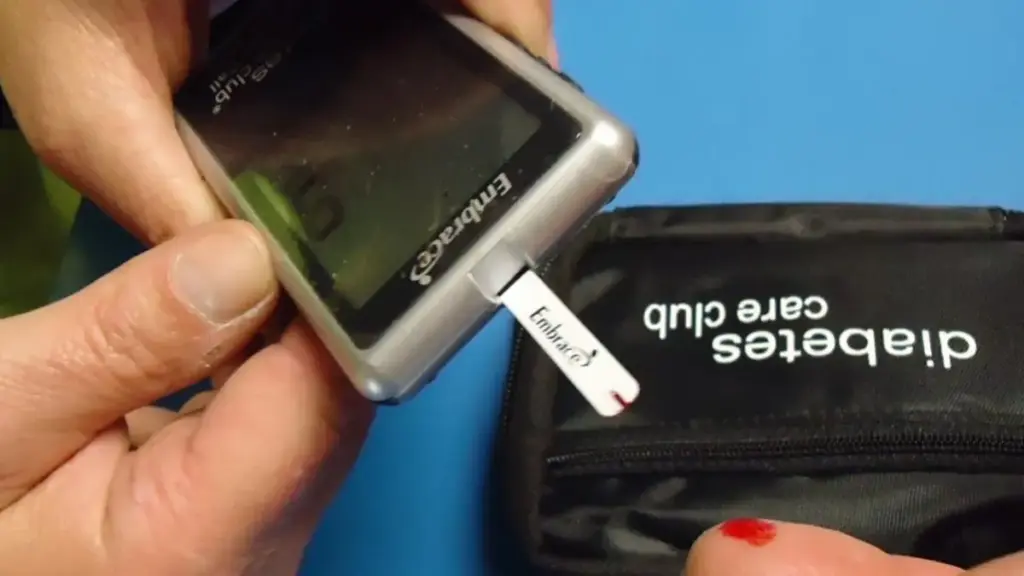
Essential Oils for Diabetes: Evidence, Type 1 Safety and Lived Experience
Why essential oils do not control diabetes or replace insulin, with careful evidence boundaries and John’s perspective after more than 40 years with type 1 diabetes.
Explore the claims
Essential Oils for Earache: Evidence and Why Ear Drops Need Care
No essential oil is established as a safe home treatment to put inside a painful ear. Herbal ear-drop studies concern particular mixed formulations, while laboratory antibacterial activity does not demonstrate safe treatment of an ear infection.
Explore the claims
Essential Oils for Fertility: Evidence, Pregnancy and Safety
Why essential oils have not been shown to improve conception, and why fertility assessment and pregnancy-safe choices matter more than “hormone-balancing” claims.
Explore the claims
Essential Oils for Fibromyalgia: Pain Claims and Human Evidence
Essential oils have not been shown to provide reliable control of fibromyalgia. Small studies sometimes report improvements within broader care programmes, but the direct oil-versus-sham exercise trial did not find an added benefit on its main outcome.
Explore the claims
Essential Oils for Fleas: Evidence and Pet-Safety Risks
Why laboratory activity against fleas does not make homemade oil mixtures safe for pets, especially cats.
Explore the claims
Essential Oils for Gout: Evidence and Treatment Limits
Why oils cannot lower urate or dissolve crystals, how flares are treated and why a hot swollen joint may need urgent assessment.
Explore the claims
Essential Oils for Gum Disease: What Mouthwash Evidence Means
What formulated mouthwash evidence means, why it does not validate home mixing and when gum symptoms need dental care.
Explore the claims
Essential Oils for Haemorrhoids: Evidence and Safer Care
Why essential oils have no established role in shrinking piles, how stool-softening care helps and which bleeding symptoms need assessment.
Explore the claims
Essential Oils for Head Lice: Evidence and Safer Treatment
Why NHS guidance does not recommend plant oils for head lice, how wet combing works and why children need extra protection from concentrated oils.
Explore the claims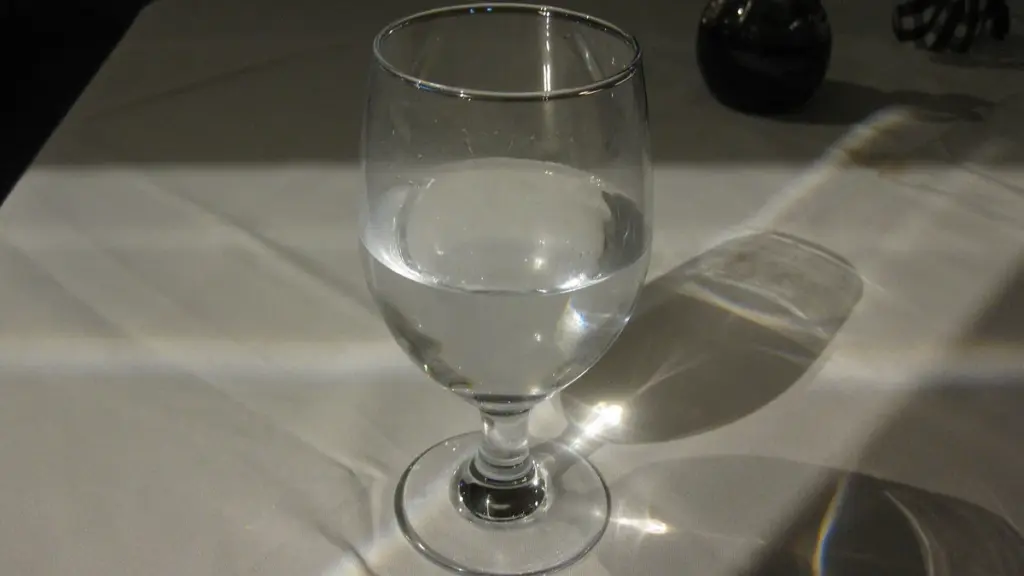
Essential Oils for Headaches and Migraines: Evidence and Safer Care
What small lavender and peppermint studies can and cannot show, why diagnosis matters and when a headache needs urgent assessment.
Explore the claims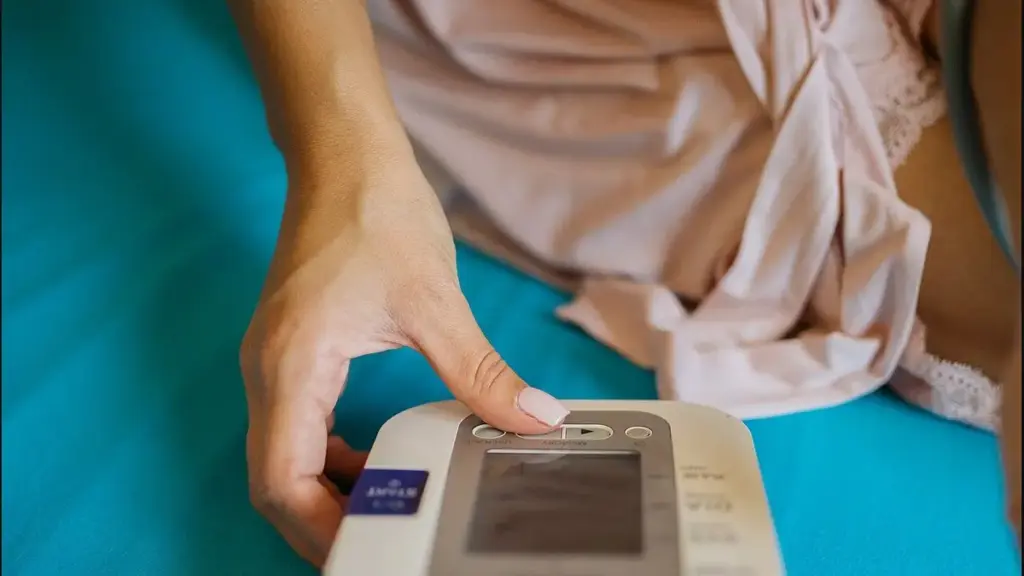
Essential Oils for High Blood Pressure: Evidence and Treatment Limits
Why small short-term blood-pressure changes in aromatherapy studies do not establish control of hypertension or protection from cardiovascular disease.
Explore the claims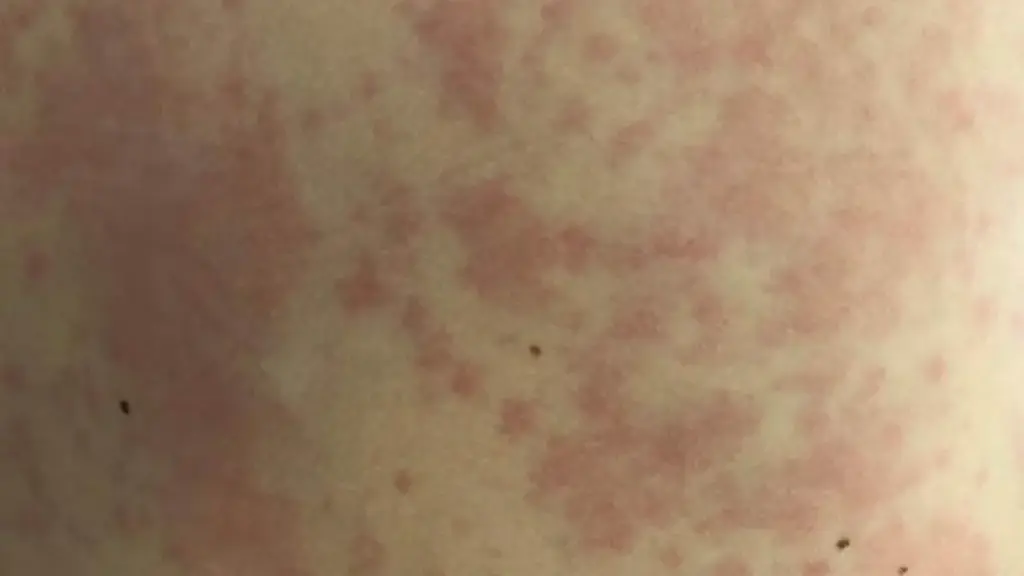
Essential Oils for Hives: Evidence, Allergy Risk and Urgent Signs
Why essential oils are not proven hives treatments, how fragrance allergy can worsen a rash and when to call 999.
Explore the claims
Essential Oils for Lyme Disease: Laboratory Claims versus Human Treatment
Why Borrelia test-tube results cannot replace a diagnosis, timely antibiotics or effective tick precautions.
Explore the claims
Essential Oils for Muscle Pain: What the Evidence Shows
What topical and massage studies suggest, why peppermint oil differs from menthol medicine and when muscle pain needs assessment.
Explore the claims
Essential Oils for Nausea and Motion Sickness: What the Evidence Shows
Peppermint and ginger aroma research for nausea, why clinical settings differ, and the much weaker evidence for preventing motion sickness.
Explore the claims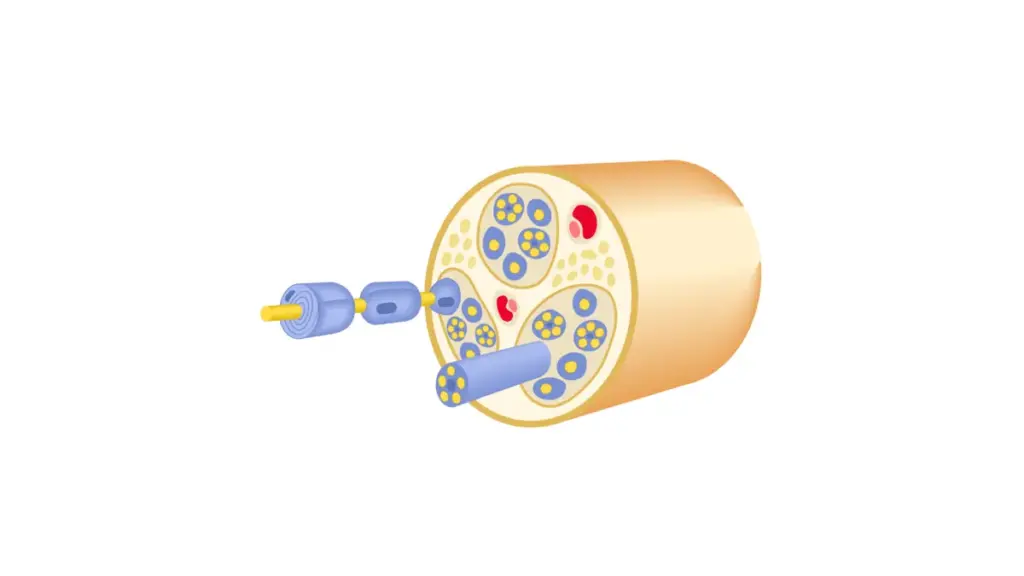
Essential Oils for Neuropathy: Pain Evidence, Limits and Safety
Small aromatherapy-massage trials suggest short-term pain relief in diabetic neuropathy, but do not show nerve repair or cover every cause.
Explore the claims
Essential Oils for Plantar Fasciitis: Evidence and Safer Care
Why essential oils do not heal plantar fascia, with better-supported stretching, load and footwear guidance.
Explore the claims
Essential Oils for Poison Ivy: Rash Care and Irritation Risks
Why essential oils are not proven poison-ivy treatment, how urushiol exposure is managed and which rash or airway symptoms need help.
Explore the claims
Essential Oils for Poor Circulation: What Blood-Flow Studies Mean
Why short-term changes in skin blood flow do not show that oils treat narrowed arteries, blood clots or vascular disease.
Explore the claims
Essential Oils for Psoriasis: What Human Studies Do and Do Not Show
Essential oils are not established replacements for psoriasis treatment. A few human formulation studies exist, but their ingredients and comparison groups matter, and newer mouse experiments do not demonstrate human benefit.
Explore the claims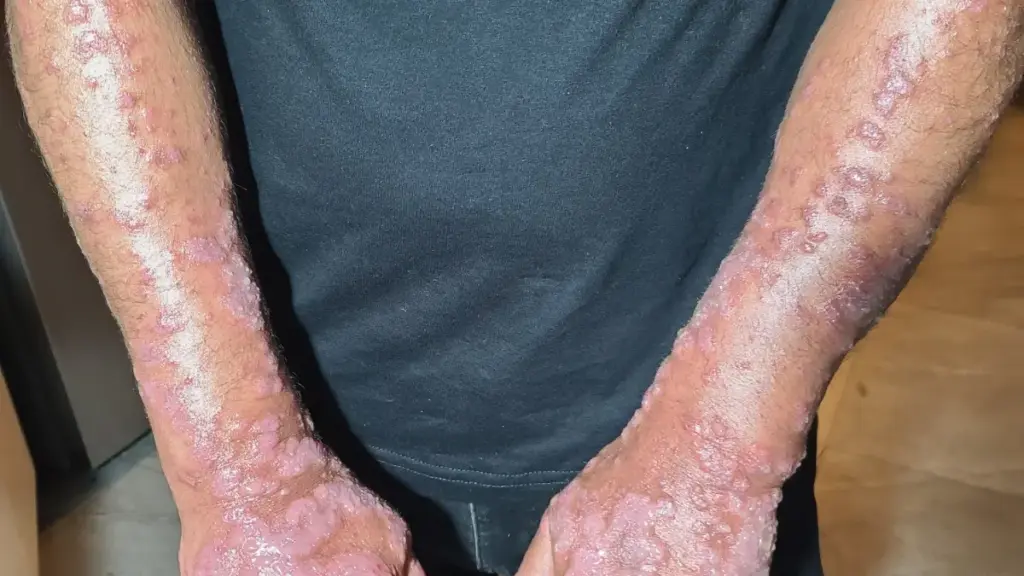
Essential Oils for Rashes: Evidence, Irritation and Warning Signs
Why a rash needs a cause-specific approach, what limited tea tree research shows and how essential oils can trigger dermatitis.
Explore the claims
Essential Oils for Restless Legs: Massage Studies and Their Limits
Aromatherapy massage has shown promising results for restless legs in people receiving haemodialysis. Much less is known about the oil’s separate contribution or whether those findings apply to restless legs in the wider population.
Explore the claims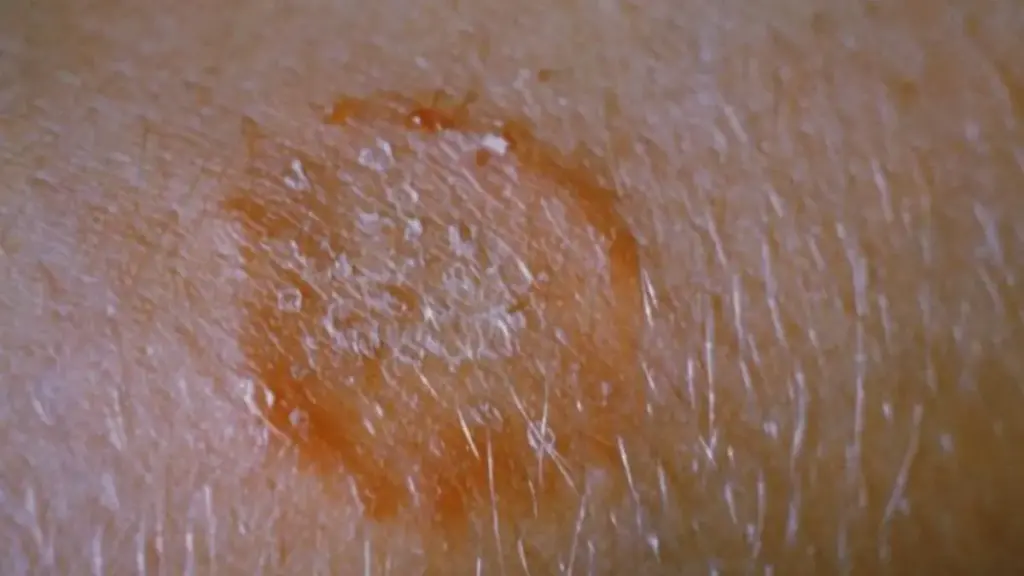
Essential Oils for Ringworm: What the Human Evidence Shows
Tea tree oil has limited athlete’s-foot evidence, but that does not establish neat oil as a safe or reliable treatment for every form of ringworm.
Explore the claims
Essential Oils for Rosacea: Evidence, Irritation and Safer Care
Essential oils are not established treatments for rosacea. A small combination-product trial and laboratory studies are sometimes presented more confidently than their results justify, while fragrance can aggravate sensitive skin.
Explore the claims
Essential Oils for Sciatica: Pain Evidence, Limits and Warning Signs
Why low-back massage studies do not show that oils release pressure on the sciatic nerve, with clear emergency warning signs.
Explore the claims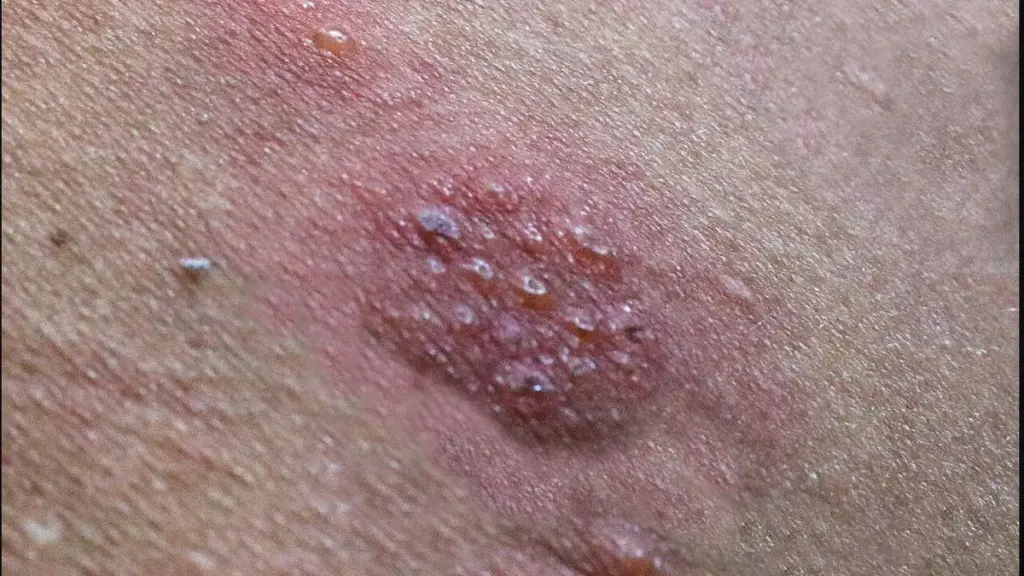
Essential Oils for Shingles: Evidence and the Early-Treatment Window
Why cold-sore laboratory work cannot establish a shingles remedy, and why prompt advice about antivirals matters.
Explore the claims
Essential Oils for Sinus Infection: Relief, Evidence and Safety
Why menthol can make breathing feel easier without opening the nose, and why essential oils are not a proven sinusitis treatment.
Explore the claims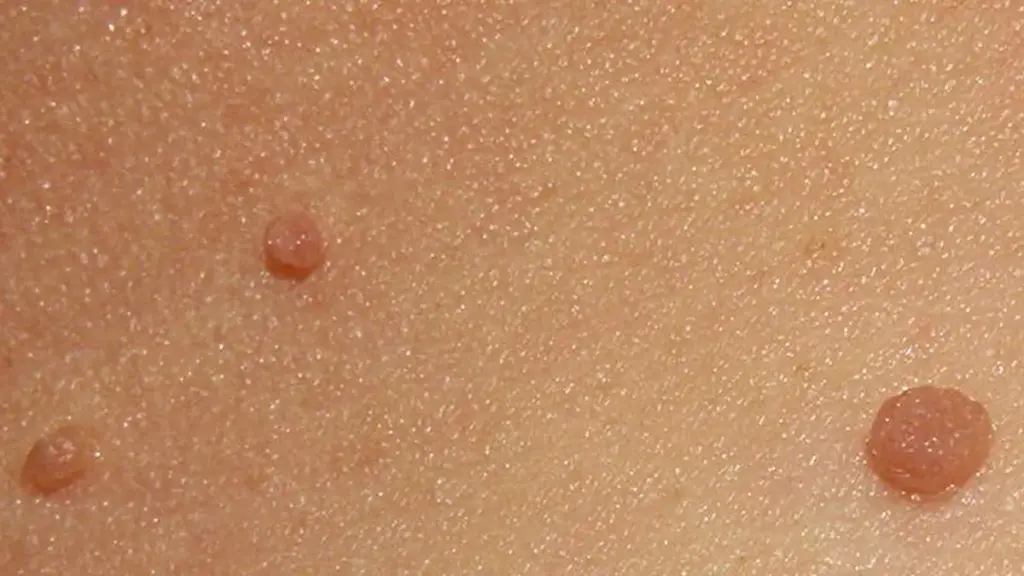
Essential Oils for Skin Tags: Evidence and Removal Risks
Why essential oils are not proven skin-tag removers, how home treatment can injure skin and when a growth needs assessment.
Explore the claims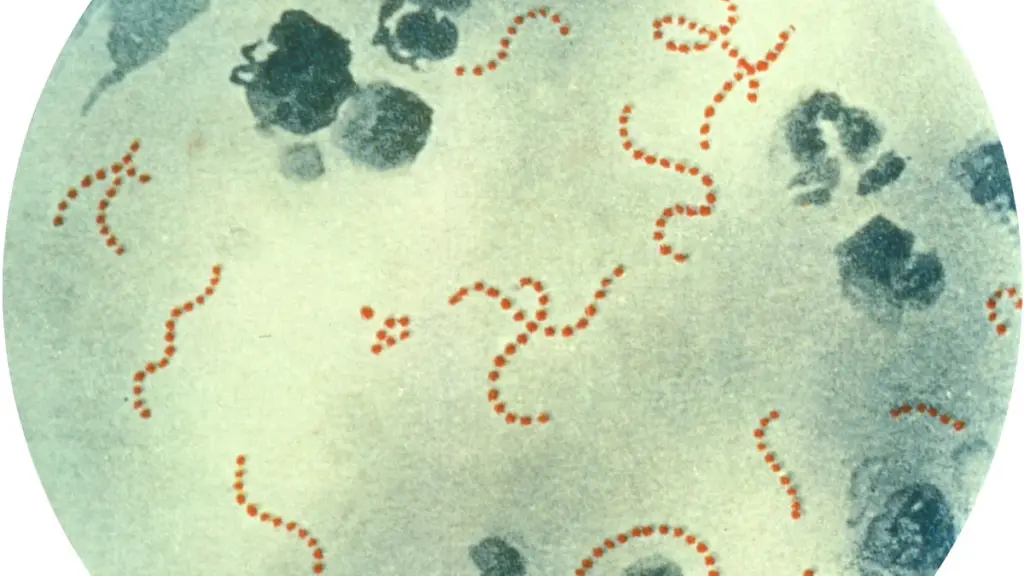
Essential Oils for Strep Throat: Laboratory Claims versus Treatment
Essential oils are not established treatments for strep throat. Some inhibit bacteria in laboratory experiments, but this does not show that a gargle, spray or diffuser clears a human infection or prevents its complications.
Explore the claims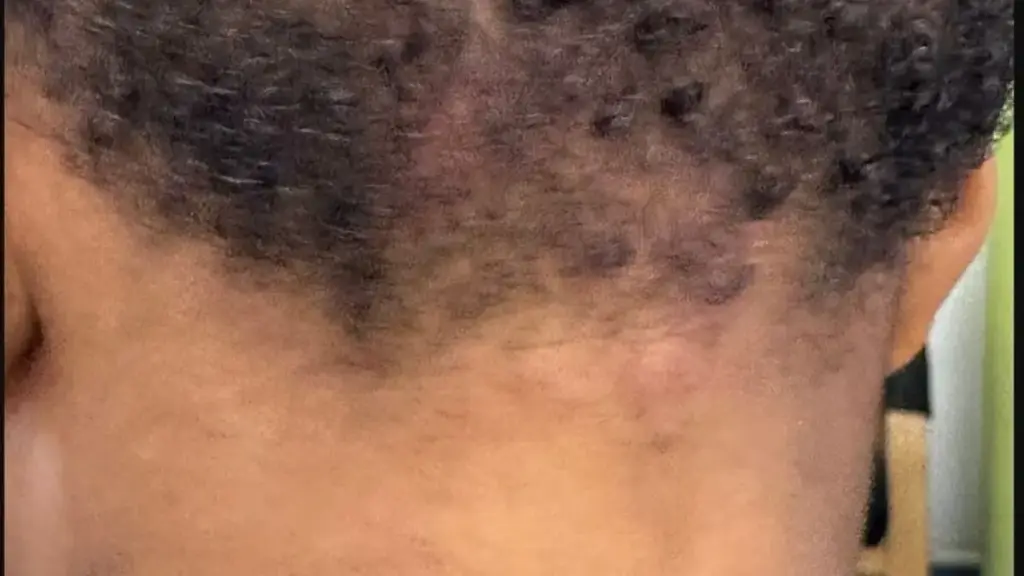
Essential Oils for Swollen Lymph Nodes: Evidence and Warning Signs
Why lymphoedema massage evidence does not show that essential oils shrink swollen lymph nodes, and when a lump needs medical assessment.
Explore the claims
Essential Oils for Tendonitis: Pain Relief Is Not Tendon Repair
Essential oils have not been established as a treatment that repairs injured human tendons. Temporary changes in pain sensation, studies of proprietary topical products and experiments in rats do not demonstrate that a home oil blend restores tendon strength.
Explore the claims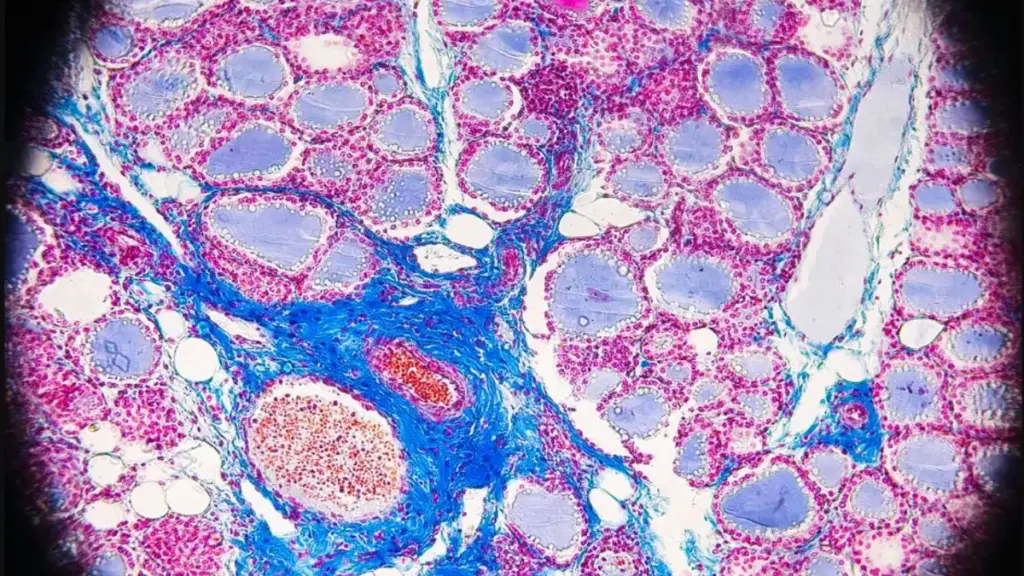
Essential Oils for Thyroid Health: Symptom Studies and Treatment Limits
Why a small aromatherapy study of fatigue does not demonstrate corrected thyroid hormones or justify changing medicines.
Explore the claims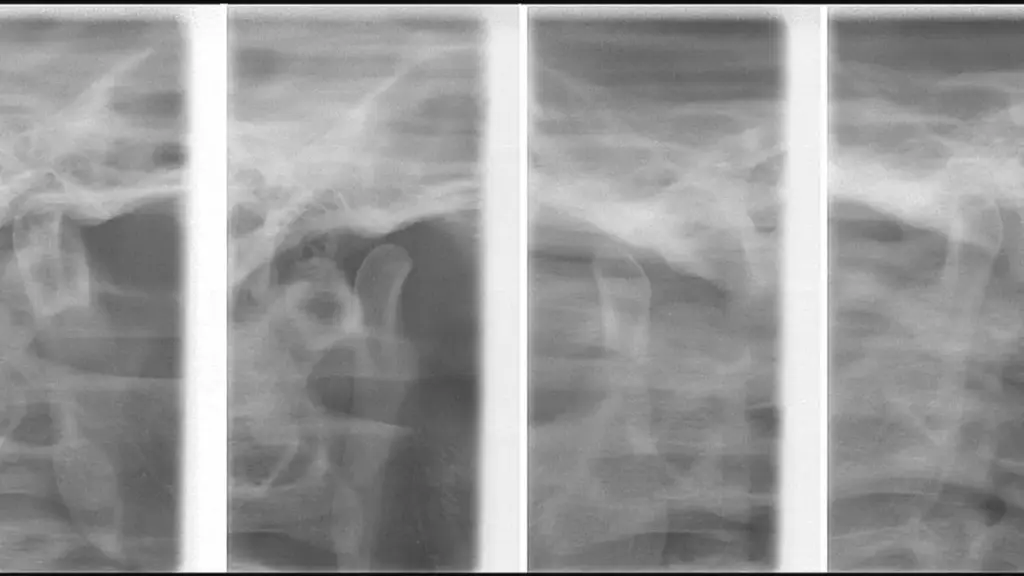
Essential Oils for TMJ: Evidence and Safer Jaw-Pain Care
What TMD means, why aromatherapy cannot diagnose jaw pain and which NHS self-care measures and red flags matter.
Explore the claims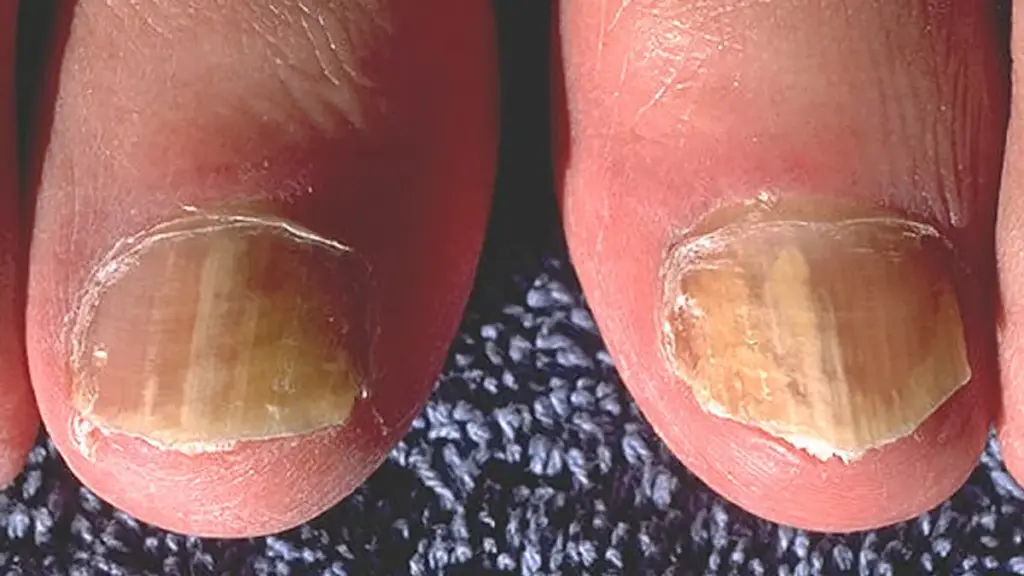
Essential Oils for Toenail Fungus: Tea Tree Evidence and Safety
What the main tea tree trial found, why nail appearance is not the same as fungal cure and when diagnosis matters.
Explore the claims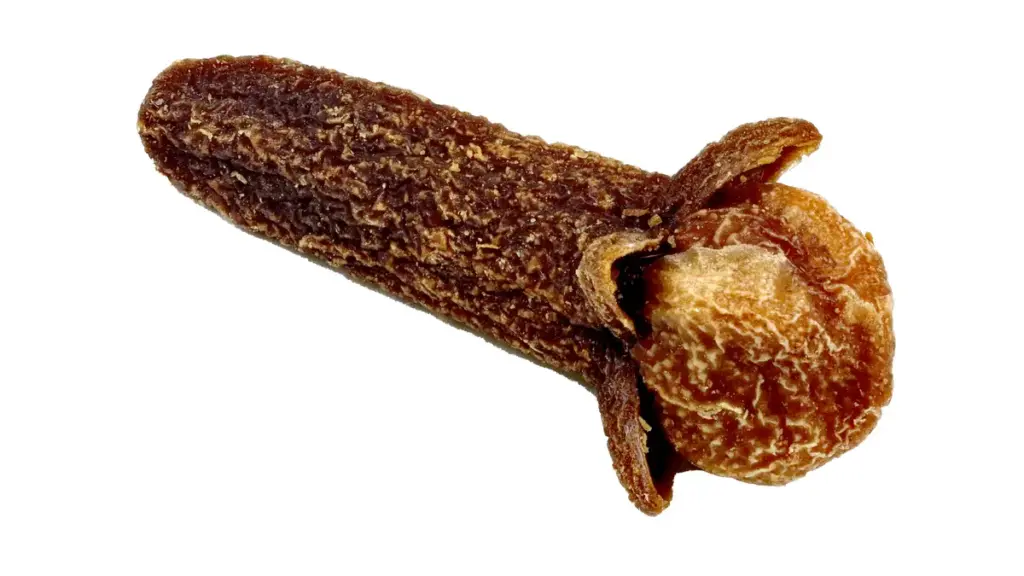
Essential Oils for Toothache: What the Evidence and Safety Advice Say
Clove oil has a narrow traditional-use role in temporary toothache relief, but no essential oil repairs decay or treats a dental abscess.
Explore the claims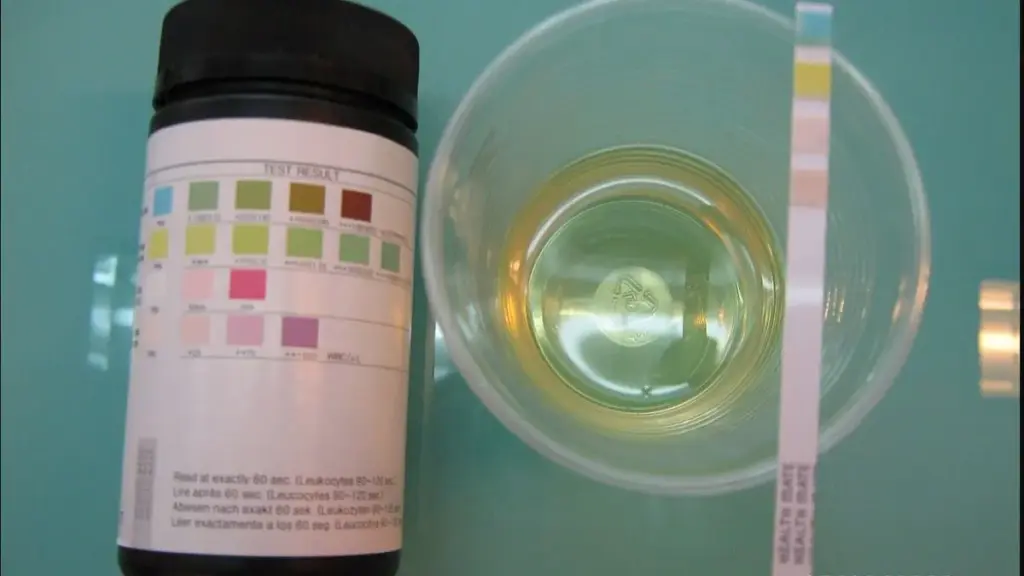
Essential Oils for UTI: Laboratory Evidence and Safer Care
Why laboratory antibacterial activity does not show that essential oils safely treat infection inside the urinary tract.
Explore the claims
Essential Oils for Vaginal Thrush: Laboratory Evidence and Safety
Why laboratory activity against Candida does not establish essential oil as a safe or effective treatment for vaginal thrush.
Explore the claims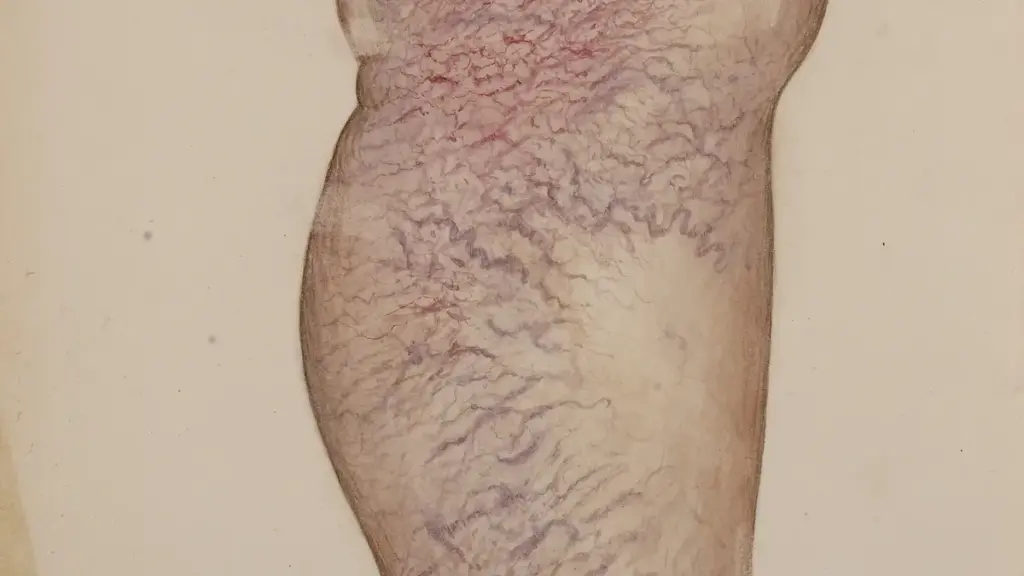
Essential Oils for Varicose Veins: Evidence and Safer Care
Why essential oils do not repair faulty vein valves, how horse chestnut evidence is misapplied and which symptoms need assessment.
Explore the claims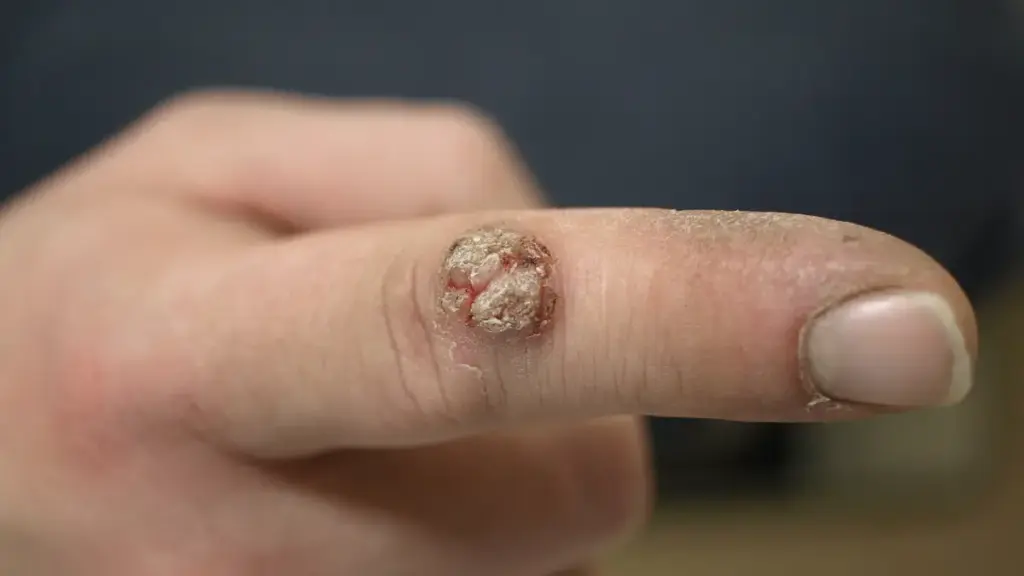

Essential Oils for Warts: Evidence and Safer Treatment
Why essential oils are not proven to remove warts, what modest evidence supports salicylic acid and when a changing growth needs assessment.
Explore the claimsRelated evidence review: Essential Oils for Rosacea: Evidence, Irritation and Safer Care.
Related evidence review: Essential Oils for Psoriasis: What Human Studies Do and Do Not Show.
Related evidence review: Essential Oils for Cold Sores: Clinical Evidence and Safety.
Related evidence review: Essential Oils for Restless Legs: Massage Studies and Their Limits.
Related evidence review: Essential Oils for Fibromyalgia: Pain Claims and Human Evidence.
Related evidence review: Essential Oils for Tendonitis: Pain Relief Is Not Tendon Repair.
Related evidence review: Essential Oils for Earache: Evidence and Why Ear Drops Need Care.
Related evidence review: Essential Oils for Depression: Symptom Studies and Treatment Limits.
Related evidence review: Essential Oils for Conjunctivitis: Why Eye Safety Comes First.
Related evidence review: Essential Oils for Strep Throat: Laboratory Claims versus Treatment.