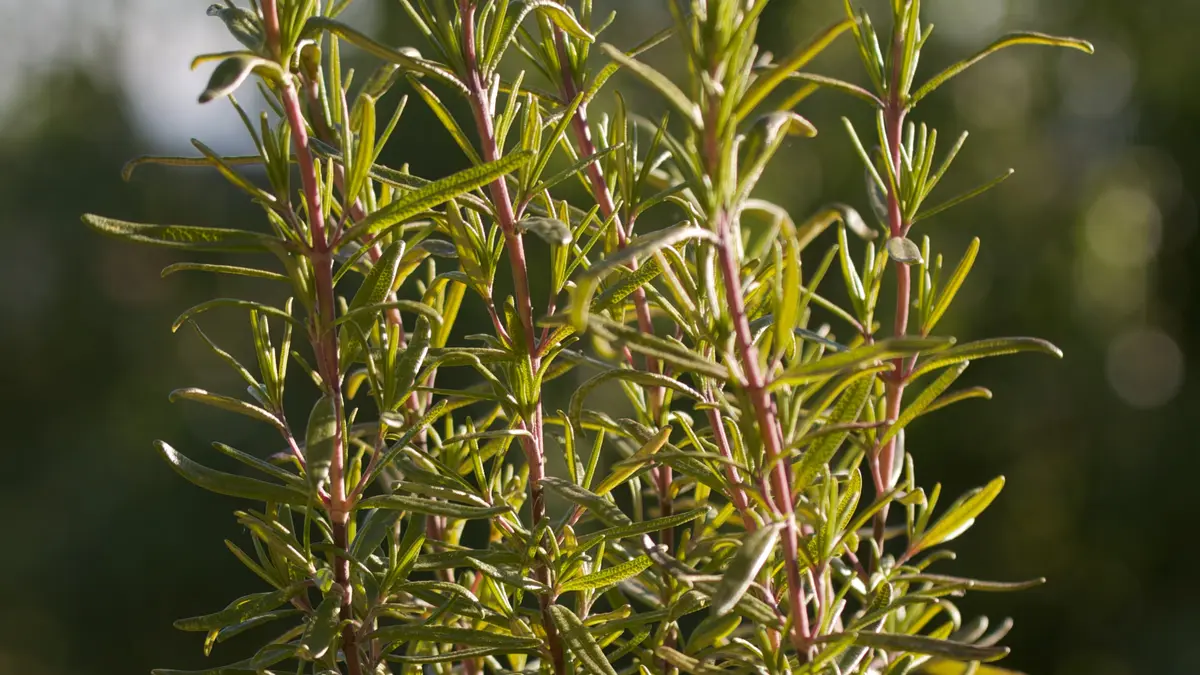

Bottom line: rosemary oil has a small pattern-hair-loss trial and appears in a small alopecia-areata blend trial. That is not enough to treat it as an established alternative to diagnosis and proven care.
This guide discusses scalp and hair-loss research. It does not provide a home-made treatment recipe. Sudden, patchy or unexplained hair loss deserves medical assessment.
Hair loss is not one condition
People searching for hair-growth oils may have androgenetic alopecia, alopecia areata, shedding after illness, traction damage, scalp disease or hair-shaft breakage. These problems have different causes and treatments.
The NHS advises seeing a GP when hair loss is worrying, sudden or unexplained. A commercial clinic should not be the first place to establish the cause.
A fragrant scalp oil cannot correct every cause. It may also delay useful investigation of iron deficiency, thyroid disease, inflammation, medicine effects or an autoimmune disorder.
Hair cycles also move slowly. A convincing study needs enough follow-up to separate normal variation from a sustained change, while recording withdrawals and adverse reactions.
Counts, shaft thickness, photographs and the person’s own impression measure different things. A statistically detectable change may still be too small to matter cosmetically.
The rosemary and androgenetic alopecia trial
A 2015 randomised comparative trial assigned 100 people with androgenetic alopecia to rosemary oil or 2% minoxidil. Hair counts did not improve significantly at three months.
Both groups recorded higher hair counts after six months. The difference between groups was not statistically significant, while scalp itching was reported more often with minoxidil.
This often becomes “rosemary works as well as minoxidil” online. That wording is too confident. One small trial without a placebo cannot establish equivalence, and 2% minoxidil is not every current minoxidil regimen.
The paper also does not prove that any rosemary bottle, dilution or blend will reproduce the result. Botanical identity, formulation, dose, adherence and outcome measurement all matter.
The alopecia areata blend trial
A 1998 trial studied a thyme, rosemary, lavender and cedarwood mixture in 86 people with alopecia areata. Both groups massaged their scalps daily.
The control group used jojoba and grapeseed carrier oils. The active group added four essential oils. Photographic assessment found improvement in 44% of the active group and 15% of controls.
The result is interesting, but it concerns one multi-oil mixture and one condition. It cannot tell us which ingredient mattered or support rosemary alone for common pattern hair loss.
The British Association of Dermatologists describes alopecia areata as an autoimmune condition. Its unpredictable course makes uncontrolled before-and-after photographs especially difficult to interpret.
What reviews conclude
A dermatology review of natural ingredients for alopecias found limited clinical evidence across many promoted products. Preparation differences and small studies prevent broad conclusions.
A later review of natural alternatives again identified rosemary as promising rather than proven. The authors called for better controlled studies and standardised formulations.
A review of rosemary’s dermatological evidence reached a similarly cautious position. Laboratory mechanisms do not replace trials measuring meaningful hair outcomes in people.
Carrier oils and breakage
A carrier oil can reduce friction and make dry hair look smoother. That cosmetic change is not the same as increasing follicle number or reversing miniaturisation.
Research on hair cosmetics explains how conditioners and oils can alter lubrication, shine and manageability. These effects can reduce breakage without treating the biological cause of hair loss.
Jojoba, castor and coconut products are often placed beside essential oils in hair-growth lists. They are fixed oils or waxes, not interchangeable evidence for distilled rosemary oil.
Safety is not a footnote
Essential oils are recognised causes of allergic contact dermatitis. A sensitised scalp may itch, burn, flake or shed more noticeably.
Oxidised limonene and linalool are established contact allergens. Air, heat and time can change fragrance chemicals after a bottle is opened.
Do not apply a concentrated essential oil to an inflamed scalp. Stop a product if it causes burning, swelling, blistering or a persistent rash, and seek advice if symptoms continue.
NCCIH notes that essential oils used on skin are usually diluted. It also warns that products sold under one common name can vary in composition.
How to judge a product claim
- Check whether the claim concerns androgenetic alopecia, alopecia areata, shedding or breakage.
- Look for the botanical identity and complete ingredient list.
- Ask whether the marketed formula matches the formula used in a human trial.
- Do not treat a six-month result as evidence for rapid regrowth.
- Be wary of photographs without standard lighting, timing and independent assessment.
- Check whether the seller discusses irritation and the need for diagnosis.
Compare the claim with established care
Minoxidil is not suitable for everyone, and results stop after treatment stops. Its limitations do not make an untested oil equally well supported.
A dermatologist can distinguish scarring from non-scarring loss and discuss treatments appropriate to the diagnosis. Scarring alopecia needs prompt attention because destroyed follicles may not regrow.
Ask whether a seller compared its finished product with an appropriate treatment, placebo or carrier. An ingredient list and a customer photograph cannot answer that question.
My verdict
Rosemary oil deserves more research. The existing trials make it more credible than many essential-oil hair claims, but they leave major questions about formulation, comparison treatment and long-term benefit.
The safest interpretation is “limited preliminary evidence”, not “natural minoxidil”. Establish the cause of hair loss first, then discuss suitable options with a GP, pharmacist or dermatologist.
References
- Panahi et al. (2015): Rosemary oil compared with 2% minoxidil
- Hay et al. (1998): Aromatherapy mixture for alopecia areata
- Hosking et al. (2019): Natural ingredients for alopecias
- Natural alternatives for treating alopecia: Review
- Rosemary in dermatology: Review of effectiveness
- Hair cosmetics: An overview
- NHS: Hair loss
- British Association of Dermatologists: Alopecia areata
- Contact allergy to essential oils: Review
- Fragrance contact allergy to oxidised terpenes
- NCCIH: Aromatherapy
Newer rosemary trials: what they add
A 2025 trial compared rosemary-lavender and rosemary-castor formulations with coconut oil. Its positive hair measurements concern blended products, so they do not establish rosemary alone as the effective component.
The earlier comparison with 2% minoxidil also needs precise wording: no significant difference between groups does not prove equivalence. Neither study establishes that a homemade rosemary rinse replaces treatment for diagnosed pattern hair loss.
Targeted evidence update: 12 September 2026. This addition does not represent a new review of every statement on this page.
Related evidence review: Rosemary Oil for Hair Growth: What the Trials Actually Show.