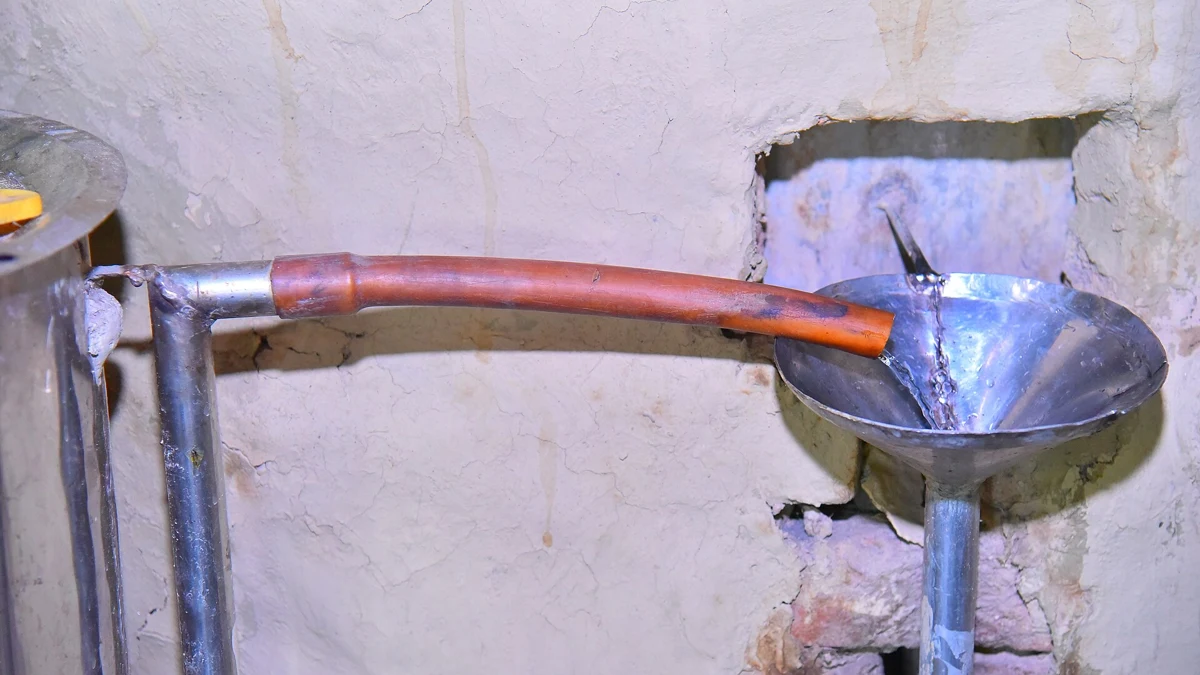
Explore the plants behind essential oils: their botanical identity, origins, extraction, composition, history and traditional uses. These profiles describe the oils without treating tradition as proof of a health benefit.
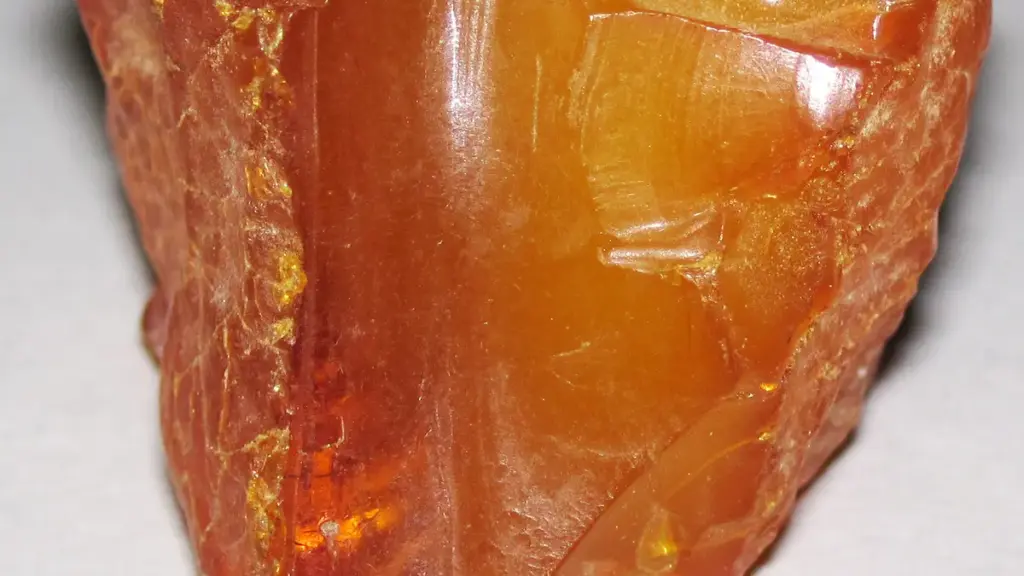
Amber Essential Oil: What Is It Really?
Why amber is not one standard botanical essential oil, and how to identify fragrance blends, infused oils and distillation products.
Read the profile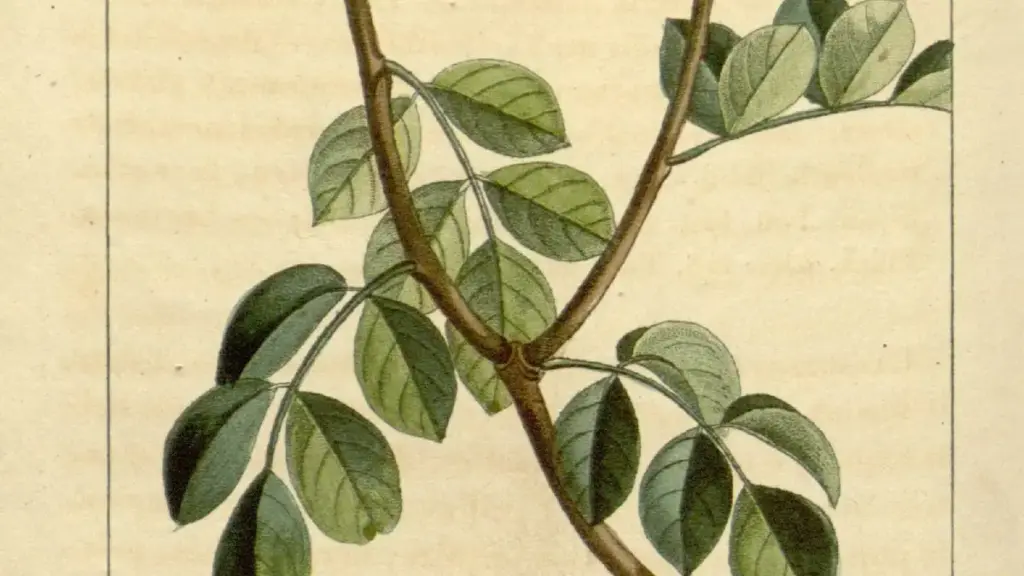
Amyris Essential Oil: Identity, Uses and Evidence
What amyris oil is, why West Indian sandalwood is a confusing trade name and where health marketing exceeds the human evidence.
Read the profile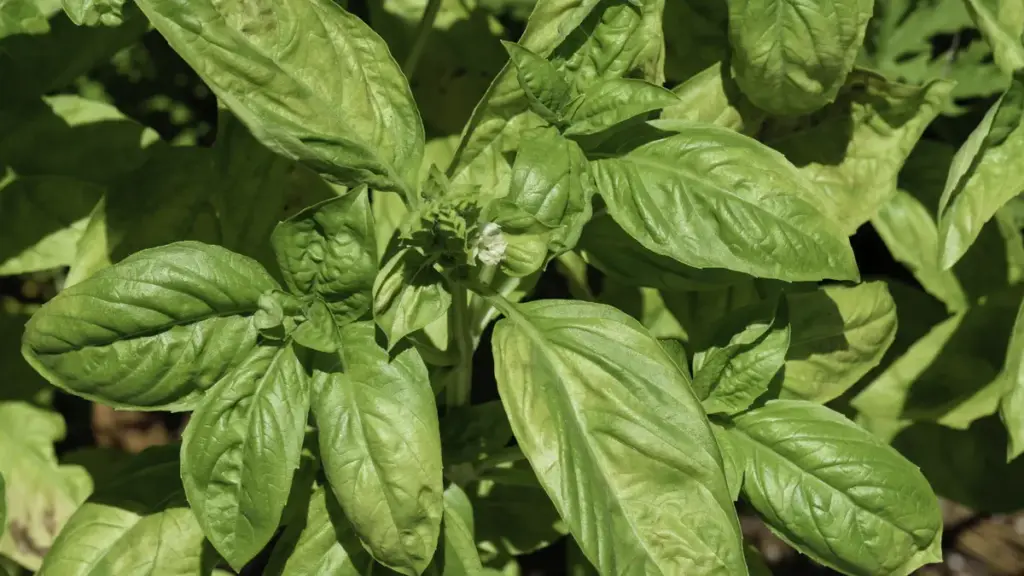
Basil Essential Oil: Identity, Evidence and Estragole
A sourced profile of chemically variable basil oil, including the limits of human evidence and why estragole-rich batches need particular caution.
Read the profile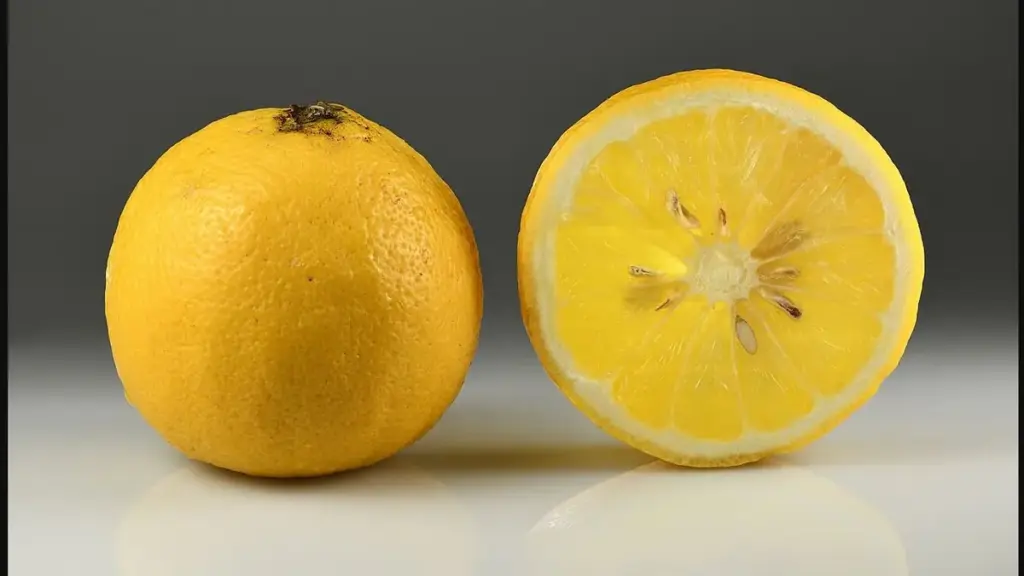
Bergamot Essential Oil: Evidence, Uses and Phototoxicity
A sourced profile of bergamot peel oil, including fragrance use, limited anxiety research and the phototoxicity of some products.
Read the profile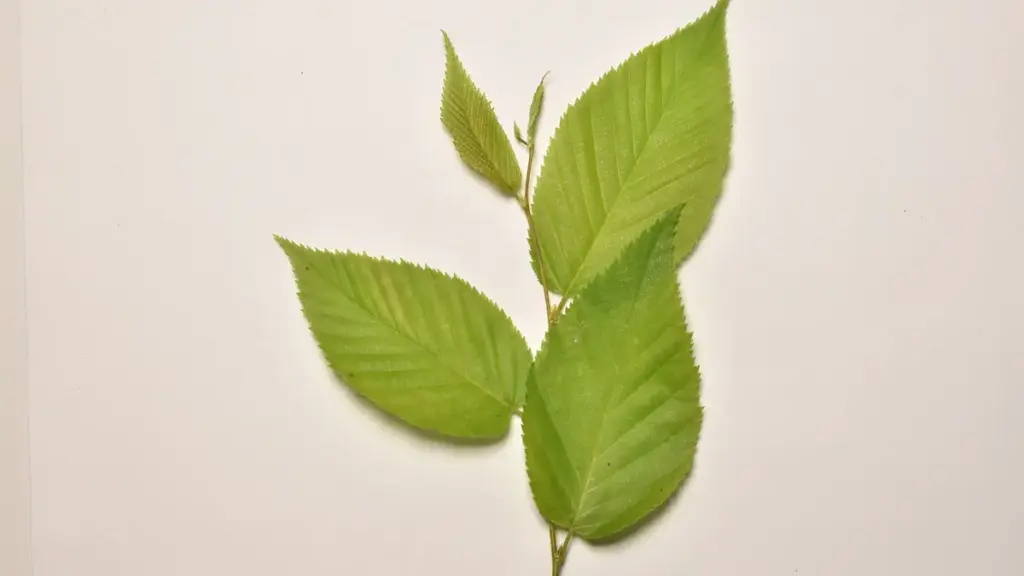
Birch Essential Oil: Methyl Salicylate, Evidence and Safety
Why sweet birch oil is largely methyl salicylate, why that creates a serious poisoning risk and why it is not a safe home pain remedy.
Read the profile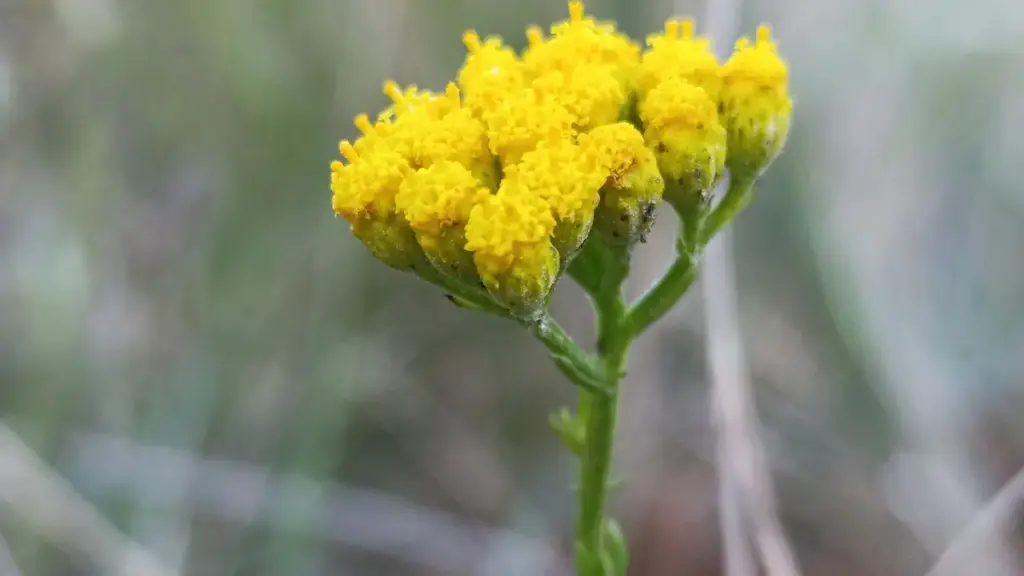
Blue Tansy Essential Oil: Identity, Evidence and Safety
A sourced guide to blue tansy identity, blue colour and laboratory chemistry, with acne, eczema and anxiety claims kept in perspective.
Read the profile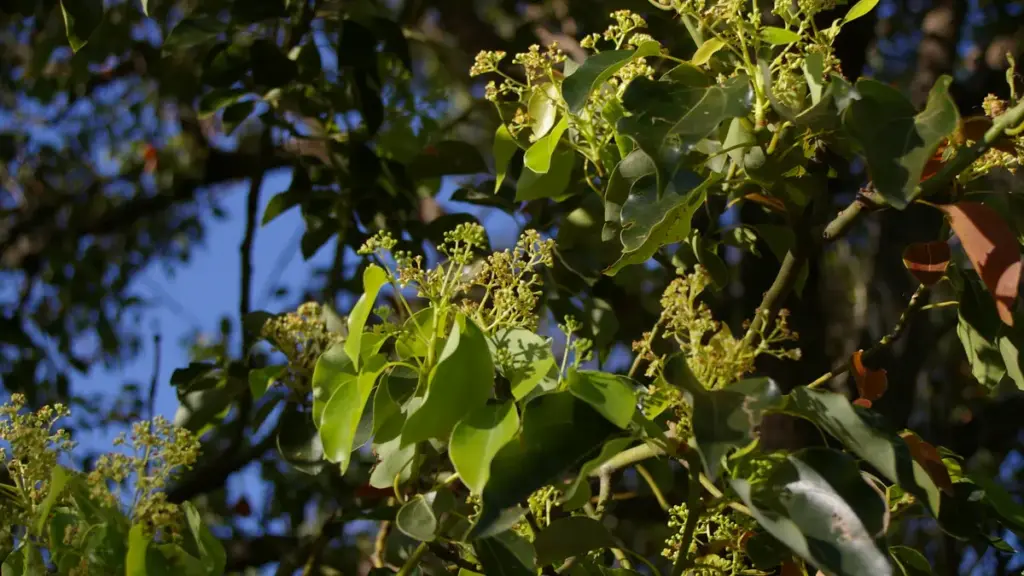
Camphor Essential Oil: Chemotypes, Evidence and Poisoning Risk
Why camphor-tree oils vary by chemotype, what experimental research can show and why ingestion can cause rapid, serious toxicity.
Read the profile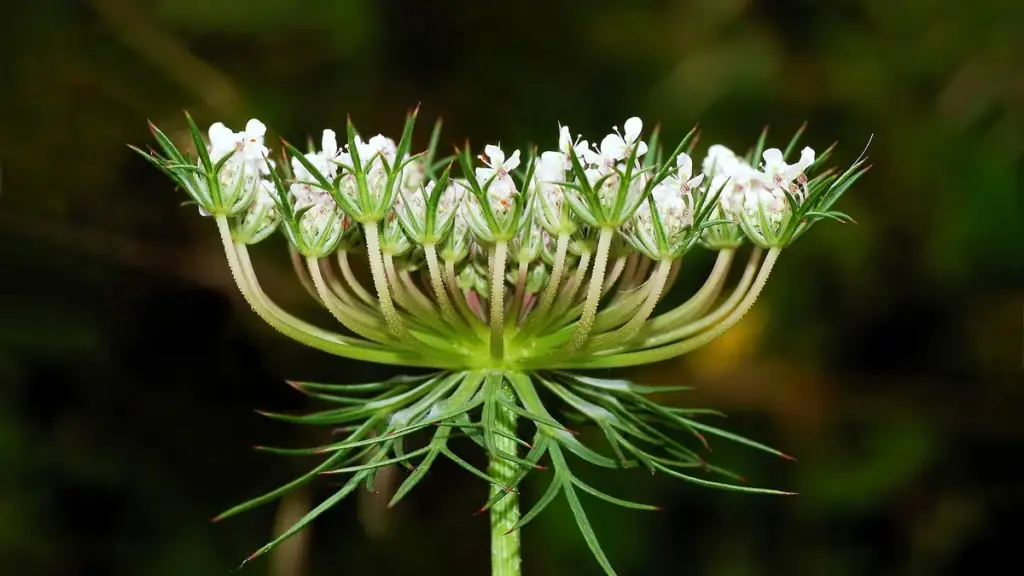
Carrot-Seed Essential Oil: Identity, Claims and Safety
Why carrot-seed essential oil is not carrot macerate or sunscreen, with the laboratory and human evidence kept separate.
Read the profile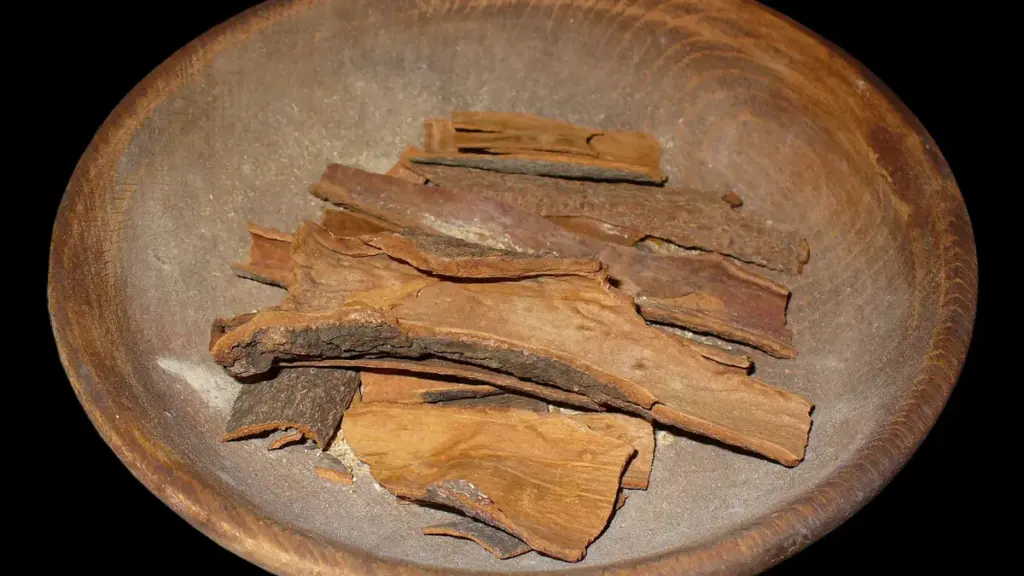
Cassia Essential Oil: Uses, Evidence and Safety
A cautious profile of cinnamaldehyde-rich cassia oil, including its fragrance role, laboratory research and substantial irritation risk.
Read the profile
Cedarwood Essential Oil: Which Cedar Is in the Bottle?
Cedarwood can refer to oils from several different botanical species. This profile explains the labels, extraction and safety distinctions.
Read the profile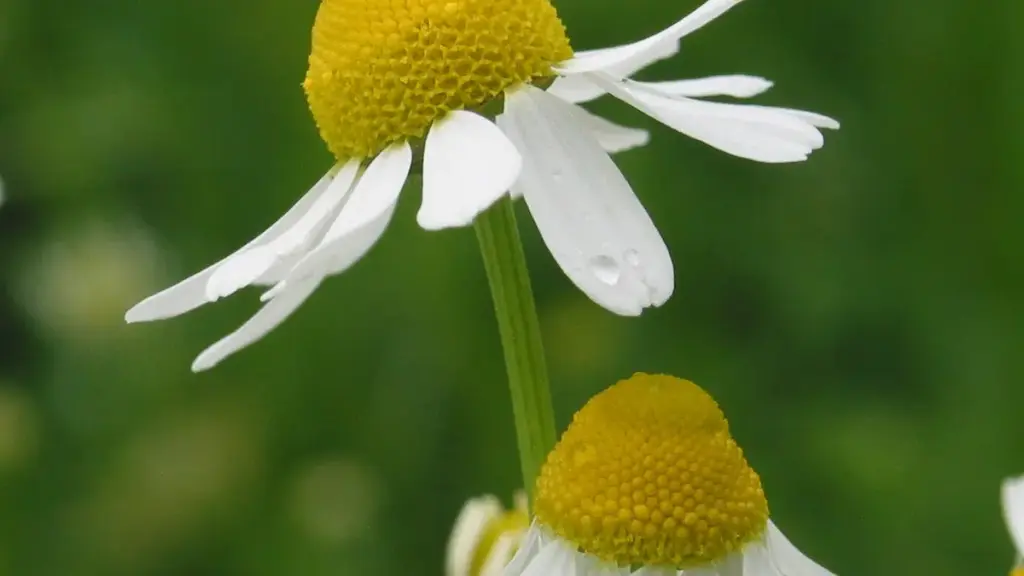
Chamomile Essential Oil: German and Roman Chamomile Explained
The botanical and practical differences between German and Roman chamomile oils, with cautious safety guidance.
Read the profile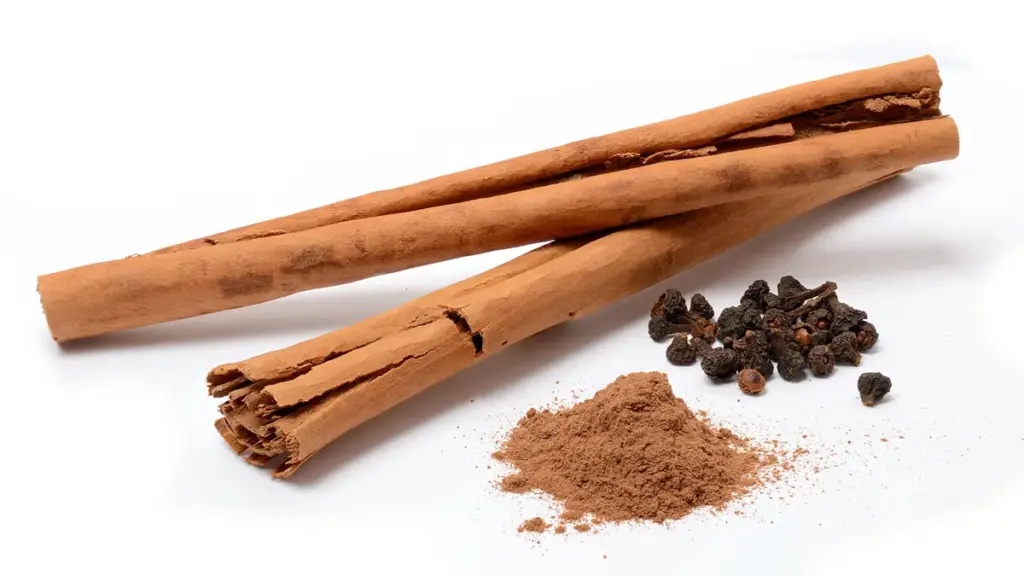
Cinnamon Bark Essential Oil: Evidence, Burns and Safety
A clear distinction between cinnamon bark, leaf and cassia oils, with laboratory antimicrobial activity separated from human treatment evidence.
Read the profile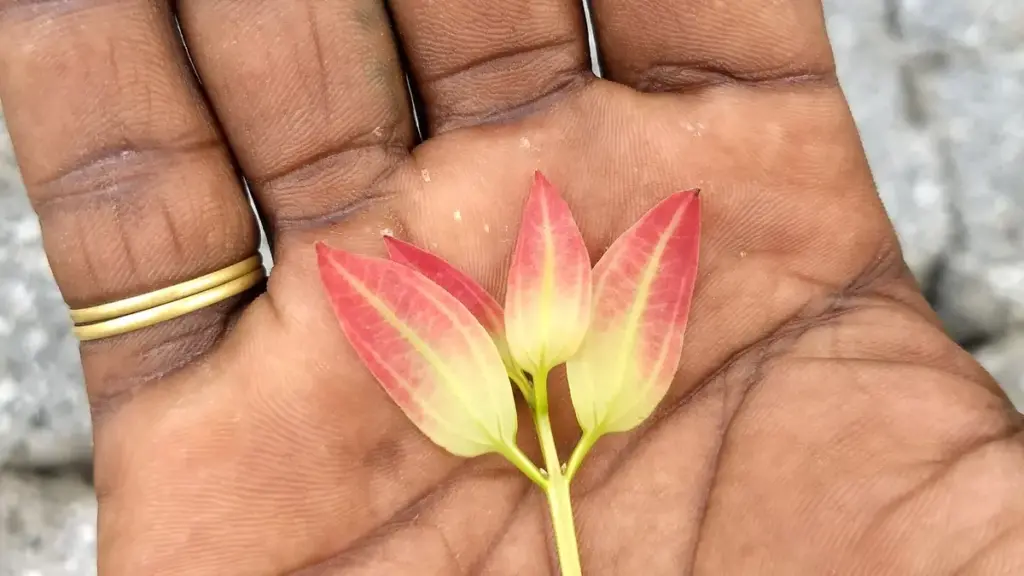
Cinnamon Leaf Essential Oil: Eugenol, Evidence and Safety
Why eugenol-rich cinnamon leaf oil is not the same as bark oil, and why laboratory findings do not make it a safe infection remedy.
Read the profile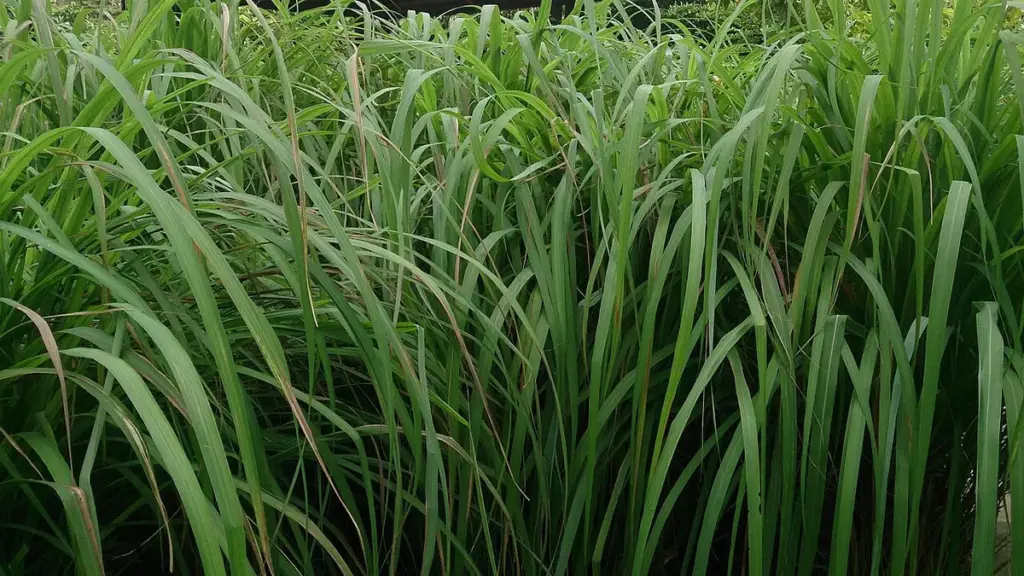
Citronella Essential Oil: Repellent Evidence, Uses and Safety
What mosquito-repellent research supports, why protection is often short-lived and why a candle or homemade blend is not dependable bite prevention.
Read the profile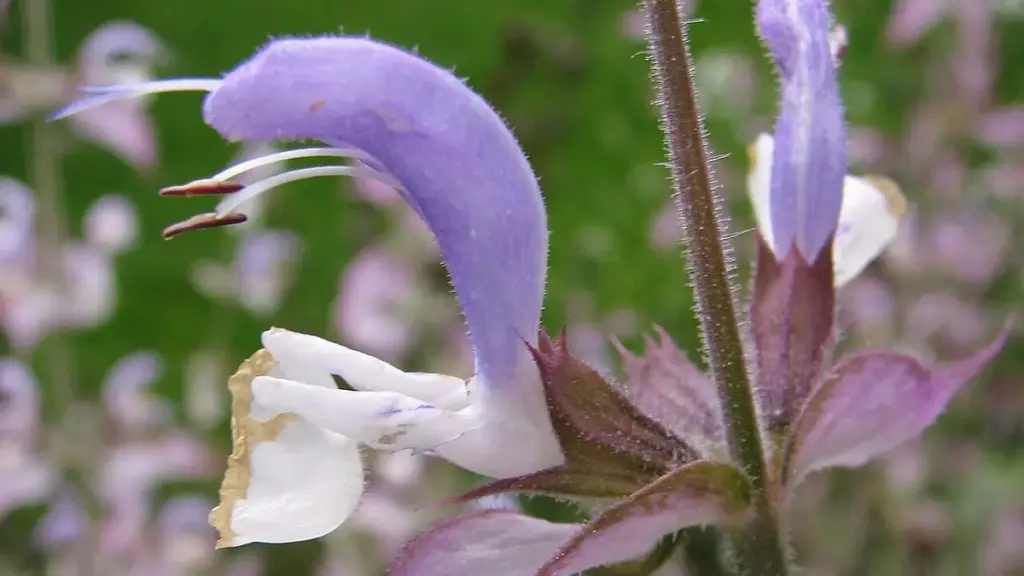
Clary Sage Essential Oil: Evidence, Uses and Safety
A careful review of clary sage identity, composition and preliminary human studies without hormone-balancing or labour-induction claims.
Read the profile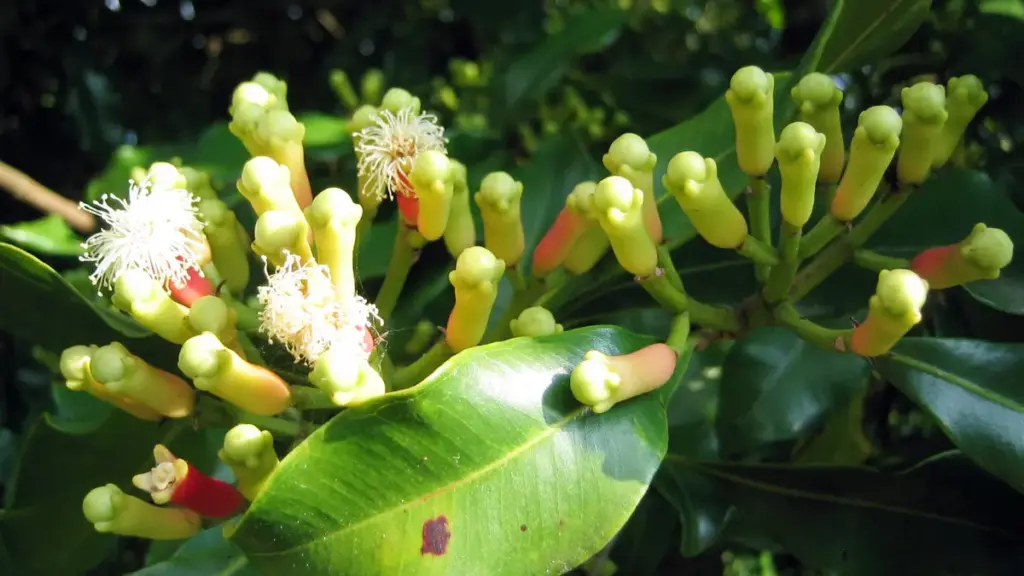
Clove Essential Oil: Dental Evidence, Eugenol and Safety
What clove oil’s narrow traditional dental use means, what laboratory research cannot prove and why neat household application can harm tissue.
Read the profile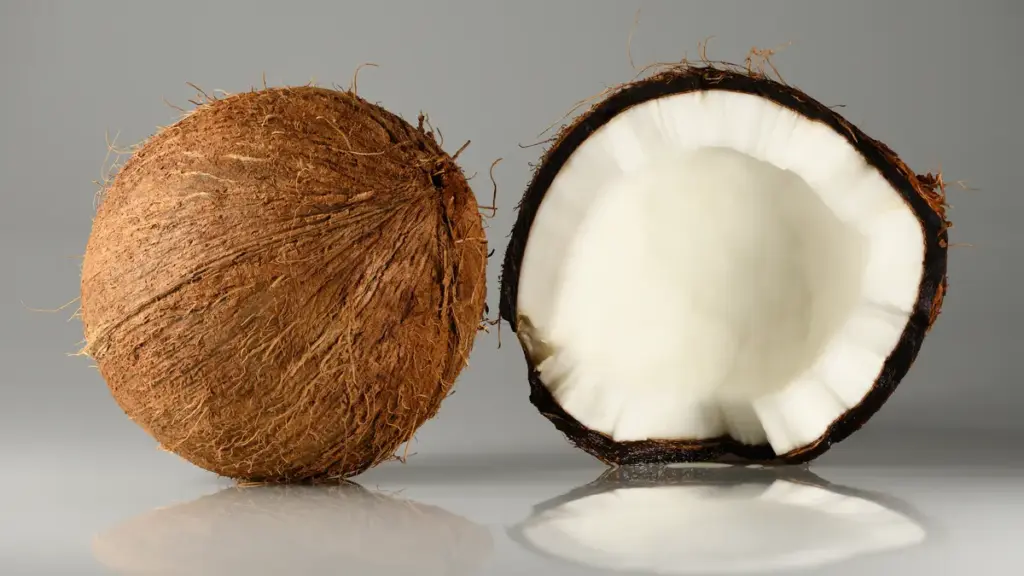
Coconut Essential Oil: What Are You Buying?
Why coconut carrier oil, infused coconut oil and coconut fragrance are not one standard steam-distilled essential oil.
Read the profile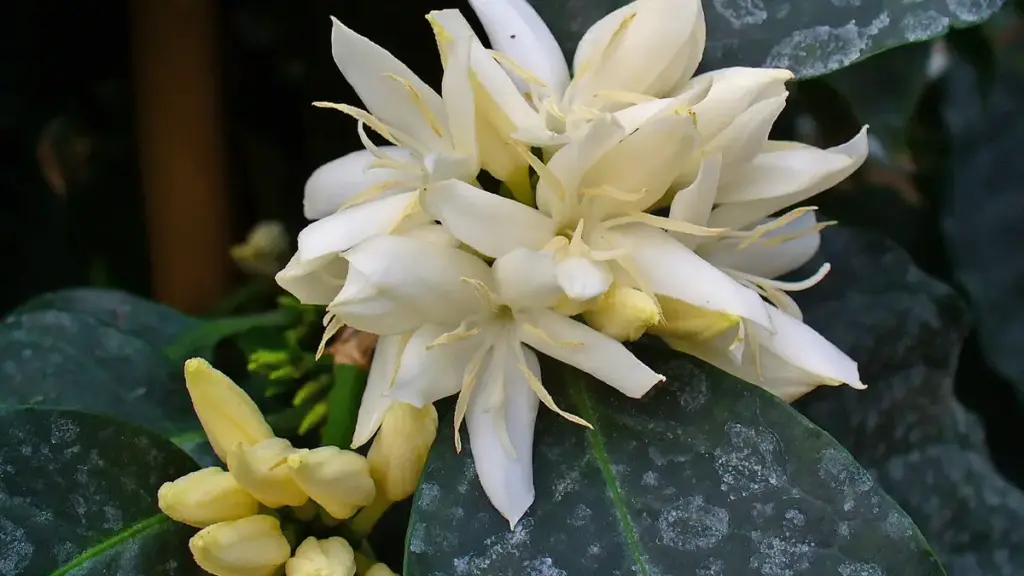
Coffee Essential Oil: What Is in the Bottle?
Why coffee essential oil can mean a pressed oil, carbon-dioxide extract, absolute, volatile fraction or fragrance—and why the distinction matters.
Read the profile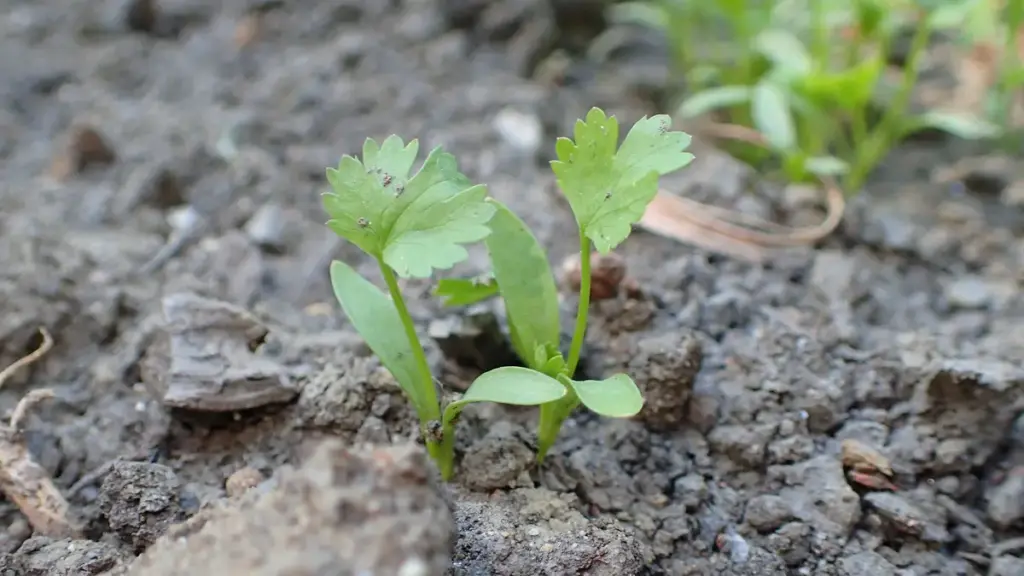
Coriander Essential Oil: Origins, Extraction and Traditional Uses
Coriander essential oil comes from Coriandrum sativum, the culinary plant also known as cilantro. The seed-like fruits and green leaves produce chemically different oils, making the plant part…
Read the profile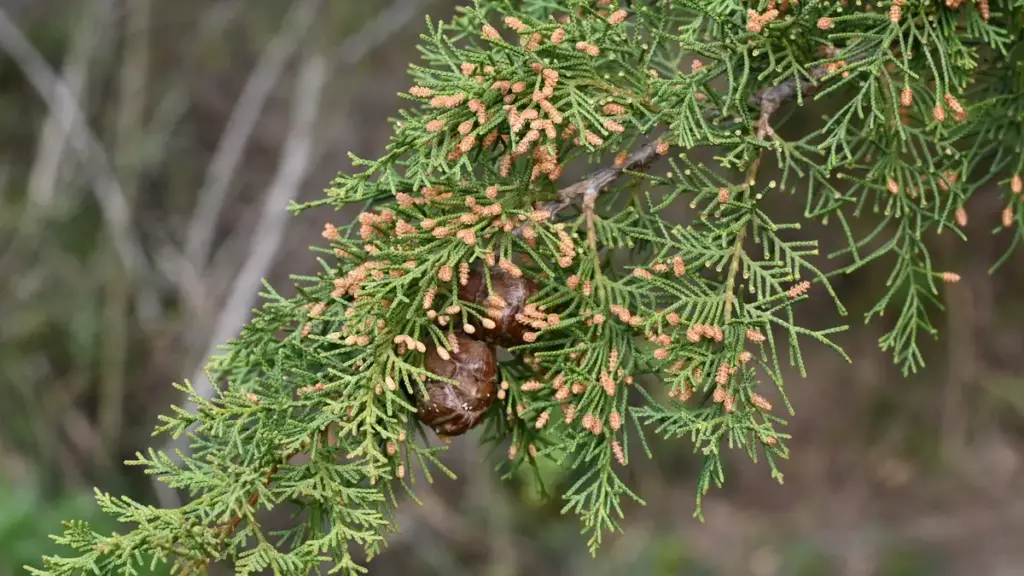
Cypress Essential Oil: Identity, Evidence and Safety
A source-led profile of Mediterranean cypress oil, separating its fragrance and laboratory research from unsupported circulation claims.
Read the profile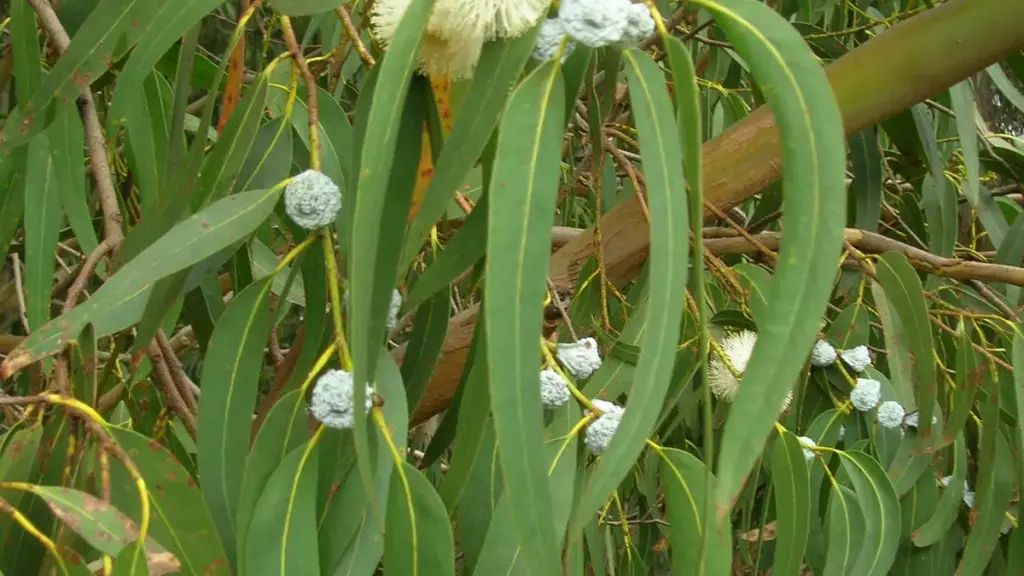
Eucalyptus Essential Oil: Identity, Evidence and Safety
How eucalyptus species and products differ, what respiratory and antimicrobial research can show, and why ingestion is dangerous.
Read the profile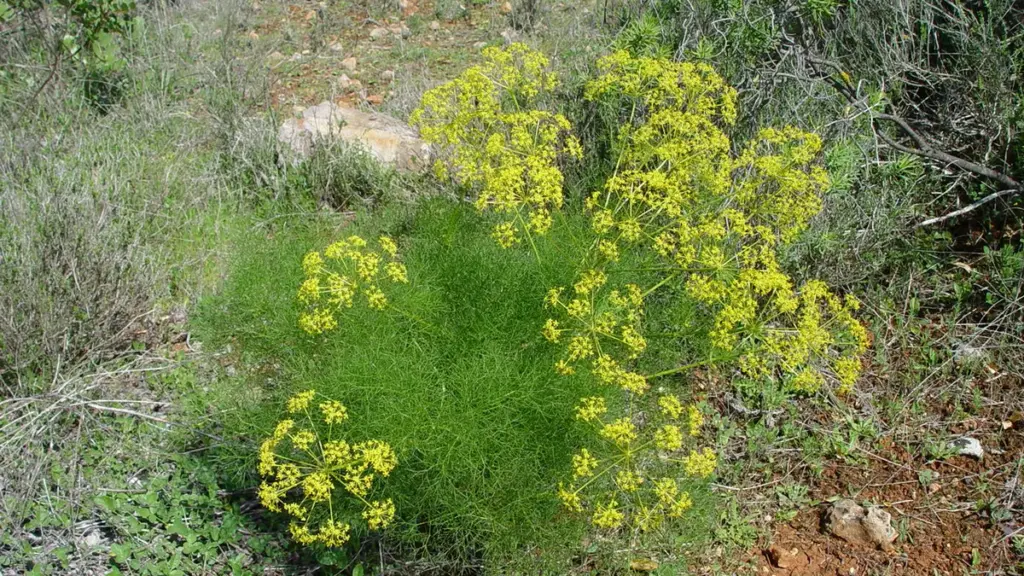
Fennel Essential Oil: Identity, Extraction and Safety
What fennel essential oil is, why sweet and bitter fennel labels matter, and why food or herbal evidence cannot be transferred automatically.
Read the profile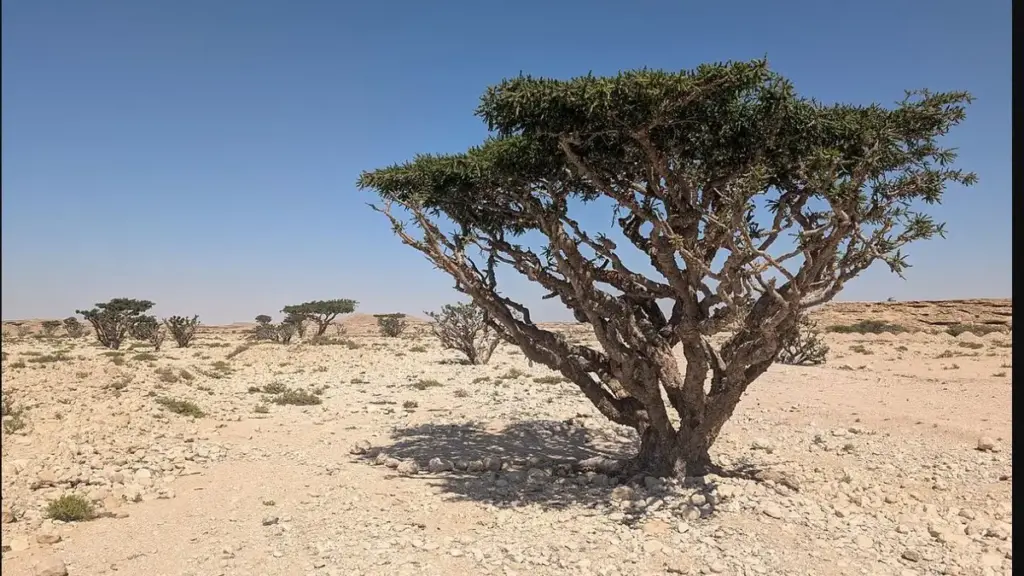
Frankincense Essential Oil: Resin, Evidence and Safety
How frankincense essential oil differs from Boswellia resin and extracts, and why evidence for the extracts cannot establish that the oil treats disease.
Read the profile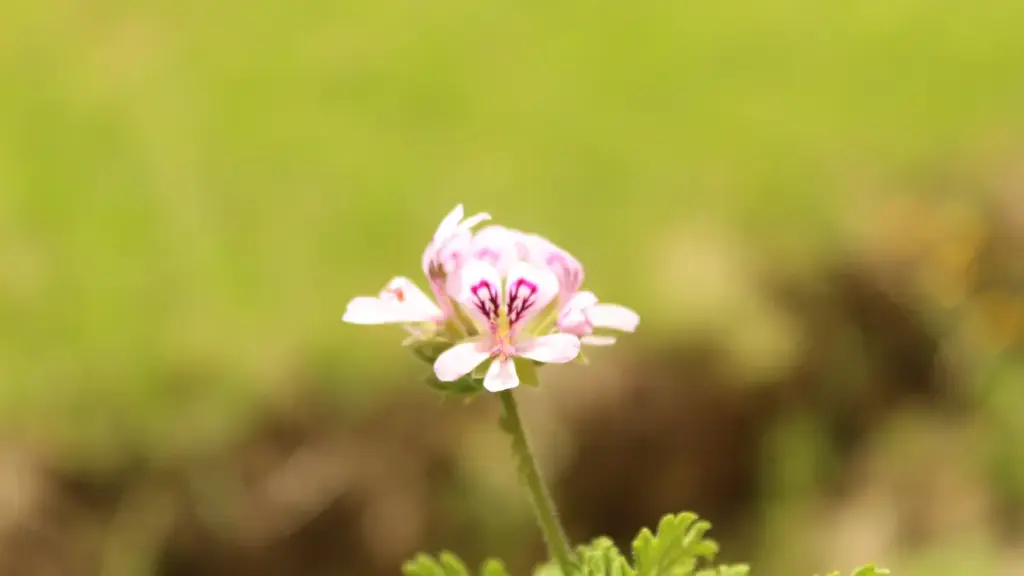
Geranium Essential Oil: Human Studies, Uses and Safety
What small inhalation studies suggest about short-term outcomes, and why they do not establish treatment for anxiety, insomnia or hormone problems.
Read the profile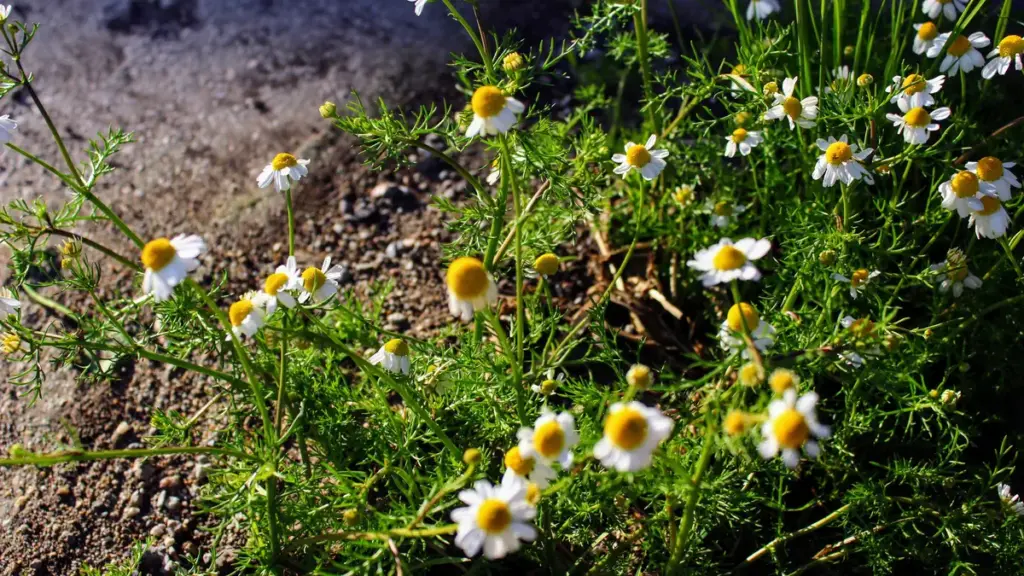
German Chamomile Essential Oil: Evidence, Uses and Allergy
Why German and Roman chamomile differ, and why evidence about teas and extracts does not automatically apply to the distilled oil.
Read the profile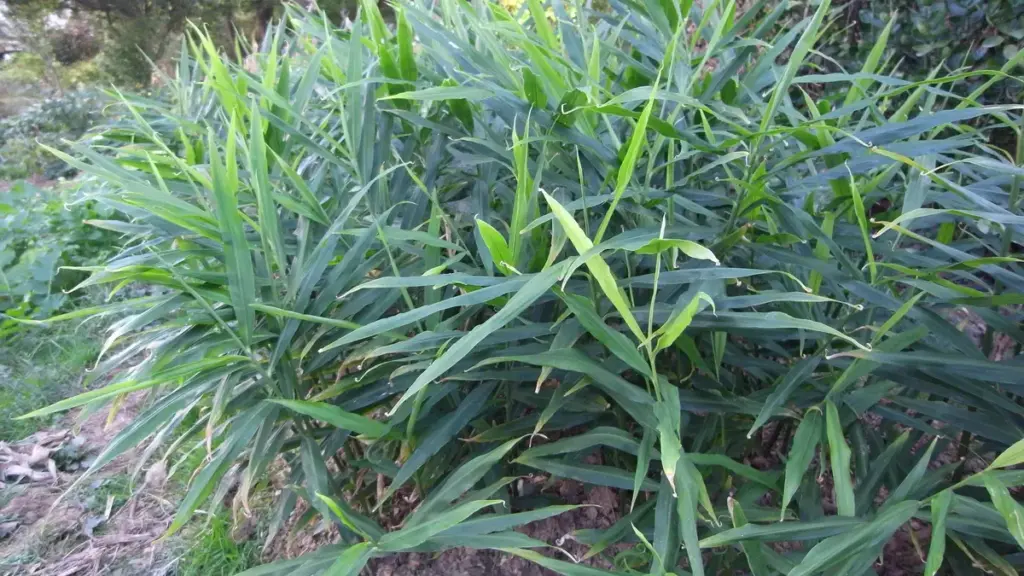
Ginger Essential Oil: Identity, Extraction and Safety
How distilled ginger oil differs from fresh rhizome, food, tea and oral extracts, with practical label and safety checks.
Read the profile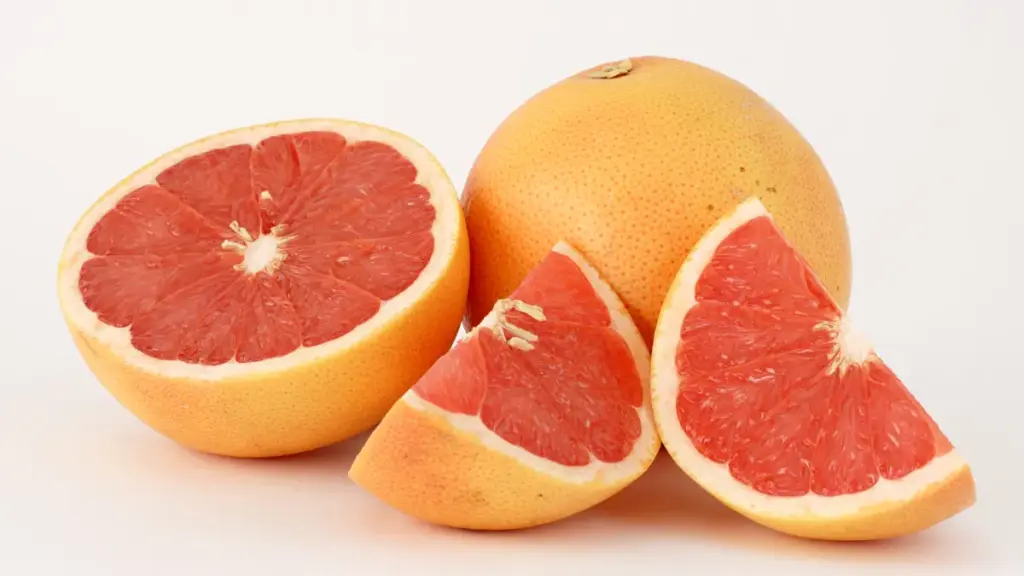
Grapefruit Essential Oil: Uses, Evidence and Phototoxicity
A peel-oil profile separating fragrance from weight-loss claims, juice interactions and extraction-dependent phototoxicity.
Read the profile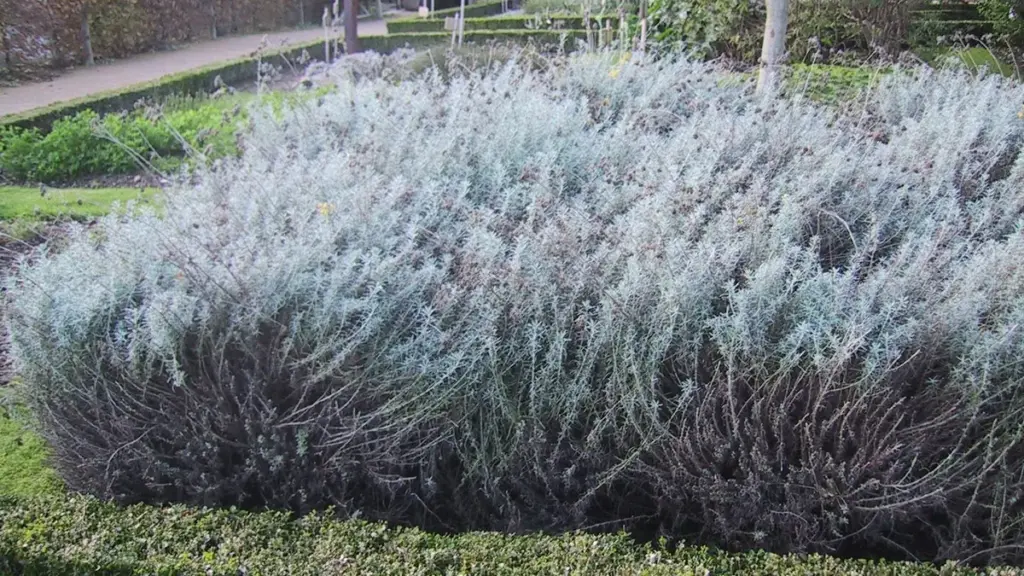
Helichrysum Essential Oil: Identity, Extraction and Safety
A label-led profile of Helichrysum italicum oil, with traditional use separated from evidence about the distilled product.
Read the profile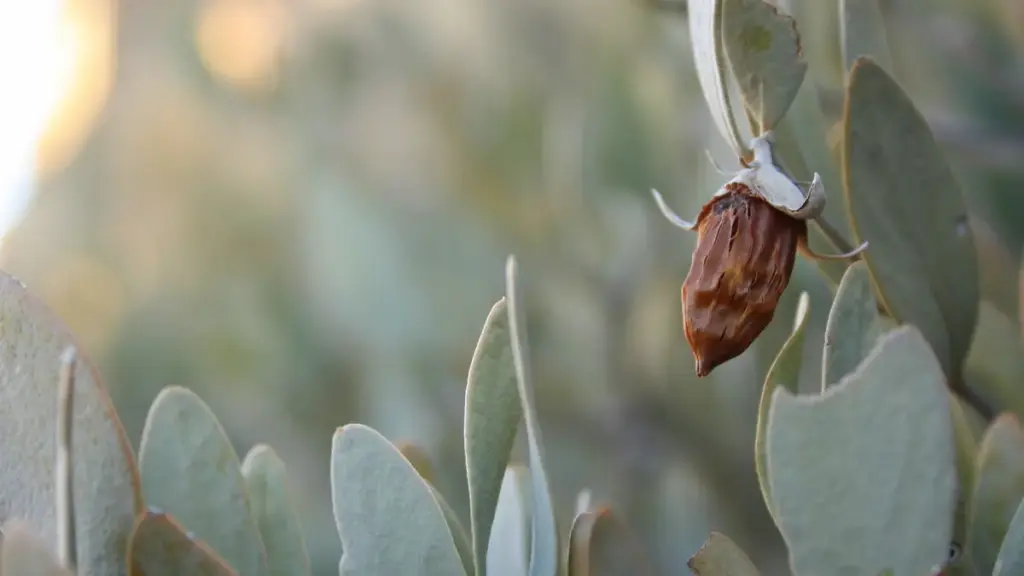
Jojoba Oil: Identity, Uses and Safety
Why jojoba is a liquid wax rather than an essential oil, how it is processed and what the available skin and hair evidence supports.
Read the profile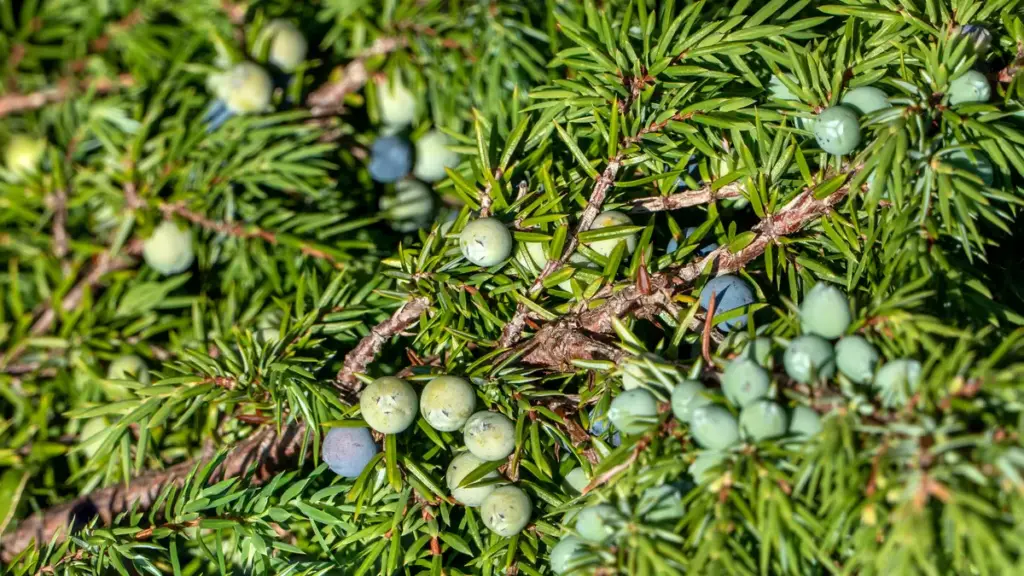
Juniper Berry Essential Oil: Tradition, Evidence and Safety
A careful look at juniper berry oil, its traditional urinary context, limited human evidence and the problems with detoxification claims.
Read the profile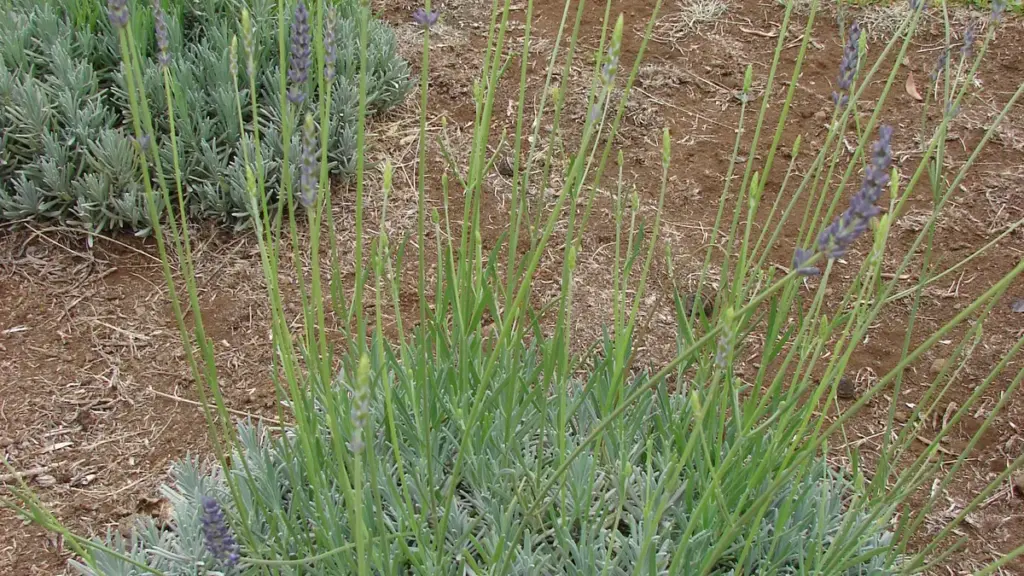
Lavender Essential Oil: Origins, Extraction and Traditional Uses
Lavender essential oil is the volatile oil distilled from aromatic lavender flowers. This profile covers the plant, how the oil is made and the history of its use;…
Read the profile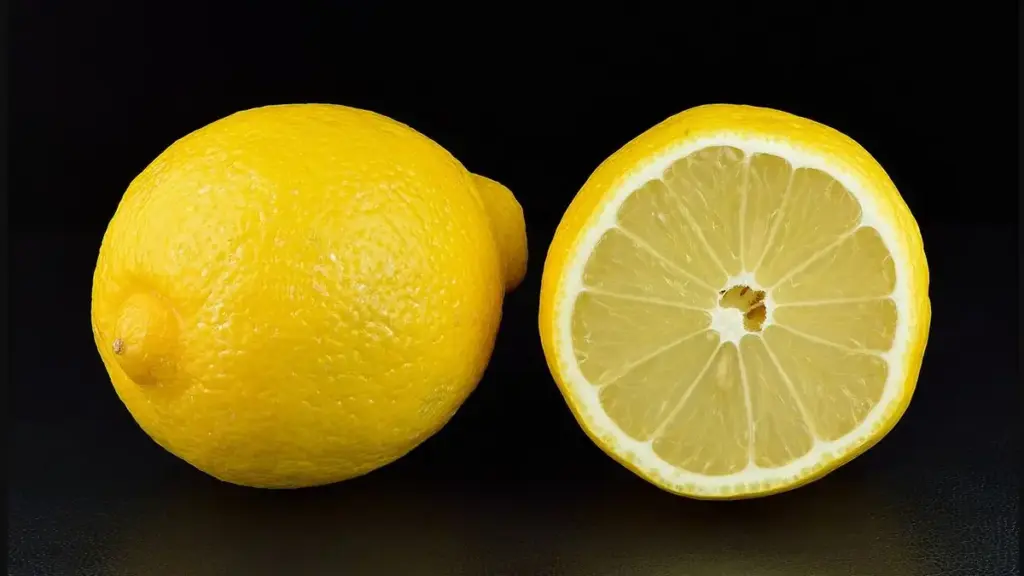
Lemon Essential Oil: Evidence, Uses and Phototoxicity
A sourced guide to lemon peel oil, aroma research, product distinctions and the phototoxicity risk of some expressed oils.
Read the profile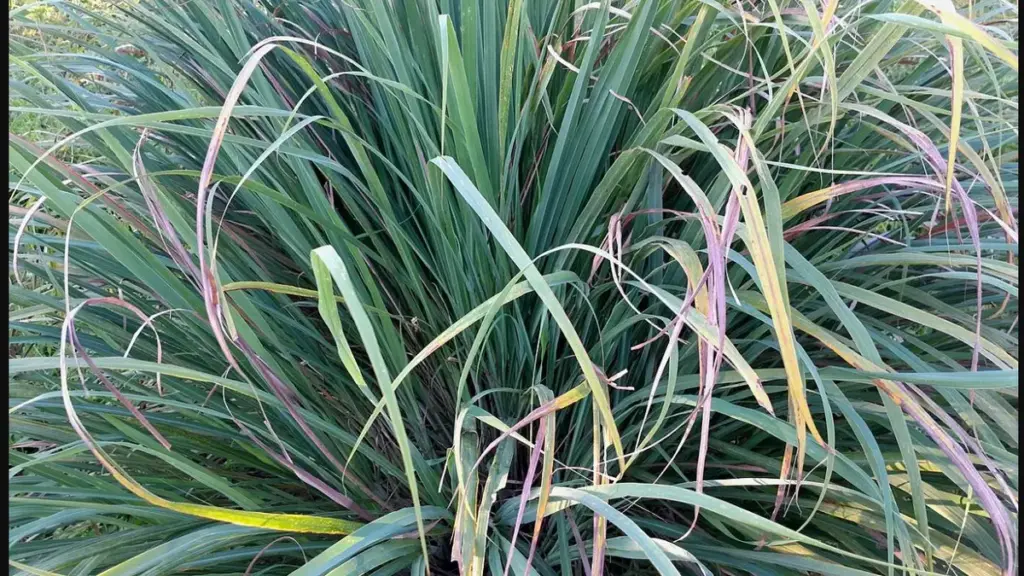
Lemongrass Essential Oil: Evidence, Uses and Safety
A label-led profile of citral-rich lemongrass oil, with small human studies kept separate from laboratory antimicrobial findings.
Read the profile
Lime Essential Oil: Extraction, Evidence and Phototoxicity
Why expressed and distilled lime oils differ, when phototoxicity matters and where treatment claims exceed the human evidence.
Read the profile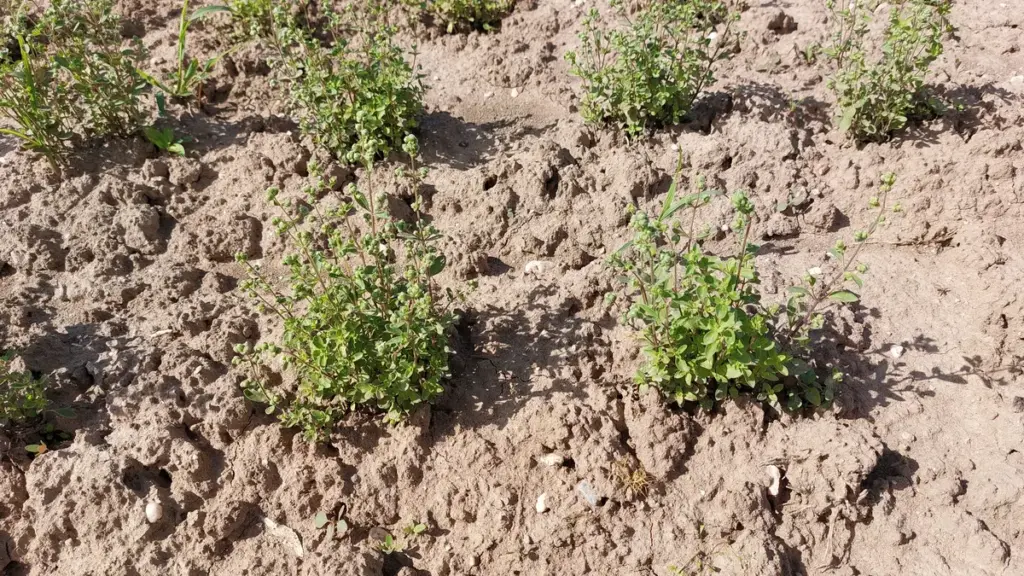
Marjoram Essential Oil: Identity, Evidence and Safety
A source-led look at sweet marjoram oil, limited human research and the gap between laboratory activity and clinical treatment.
Read the profile
Myrrh Essential Oil: Resin, Evidence and Safety
Why myrrh resin, tincture, extract and essential oil are not interchangeable, with laboratory results separated from human treatment evidence.
Read the profile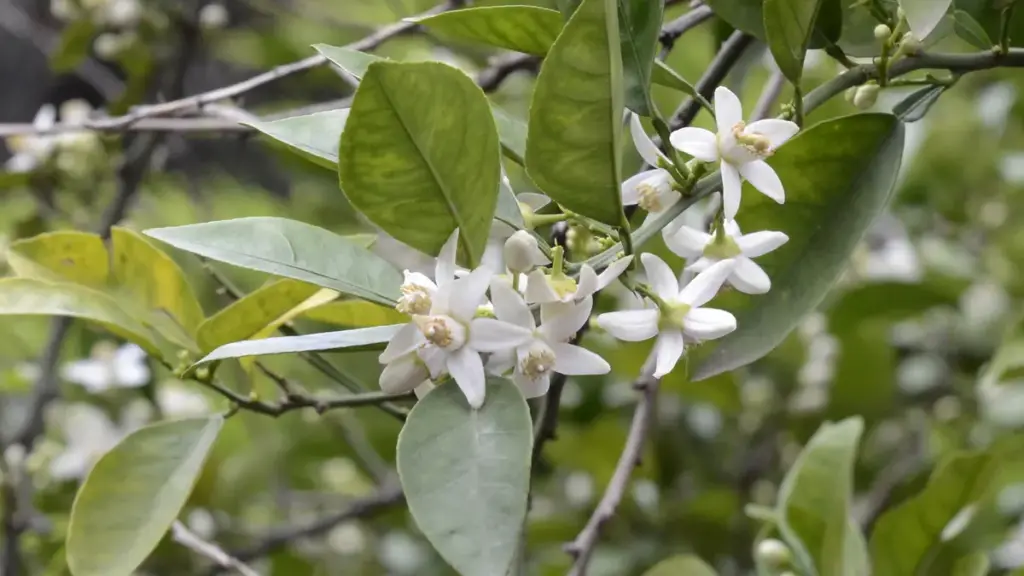
Neroli Essential Oil: Human Evidence, Uses and Safety
What small human aroma studies suggest, and why neroli flower oil must be distinguished from petitgrain and bitter-orange peel oil.
Read the profile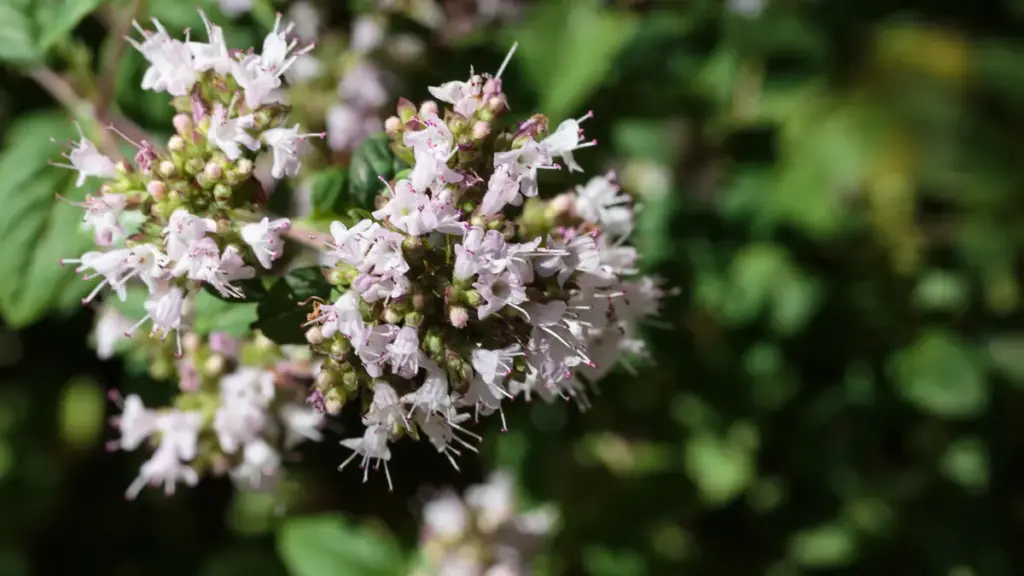
Oregano Essential Oil: Antimicrobial Evidence and Safety
Why strong laboratory antimicrobial activity does not make concentrated oregano oil a proven or safe household antibiotic.
Read the profile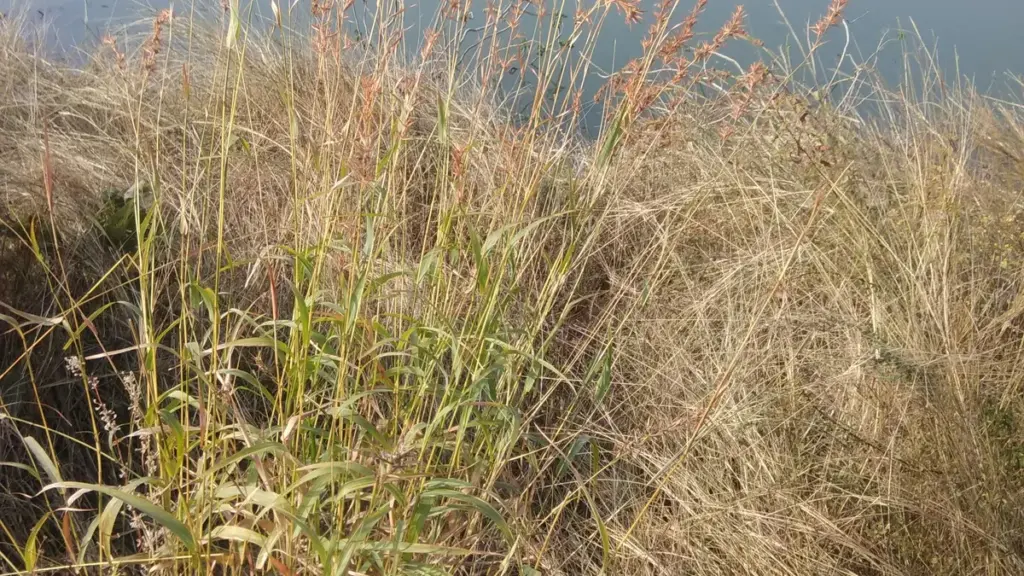
Palmarosa Essential Oil: Identity, Chemistry and Evidence
A label-led profile of geraniol-rich palmarosa oil, with laboratory findings separated from human treatment evidence and clear allergy cautions.
Read the profile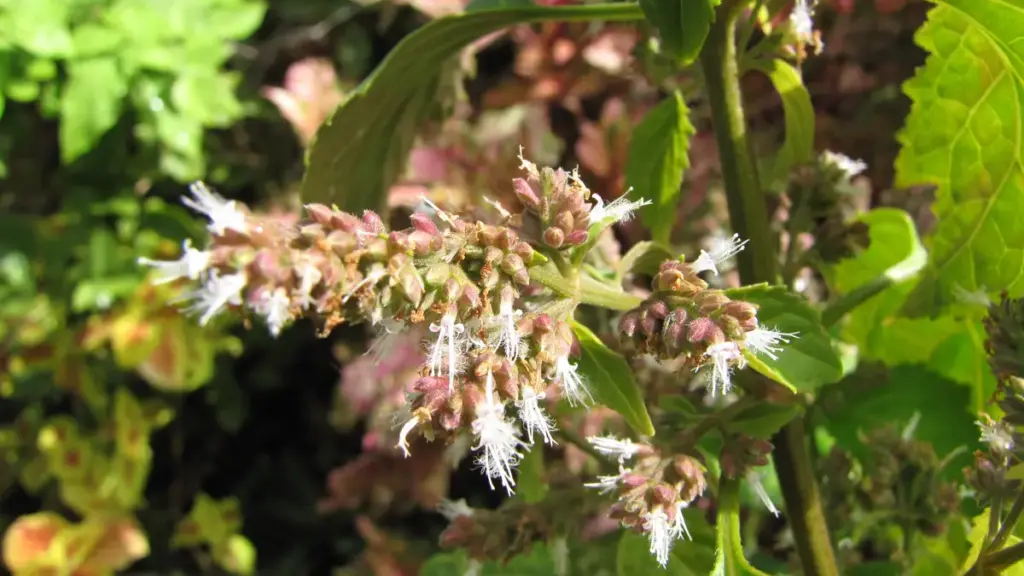
Patchouli Essential Oil: Evidence, Uses and Safety
A careful distinction between patchouli fragrance use, preclinical research and unsupported claims about mood, skin and hormones.
Read the profile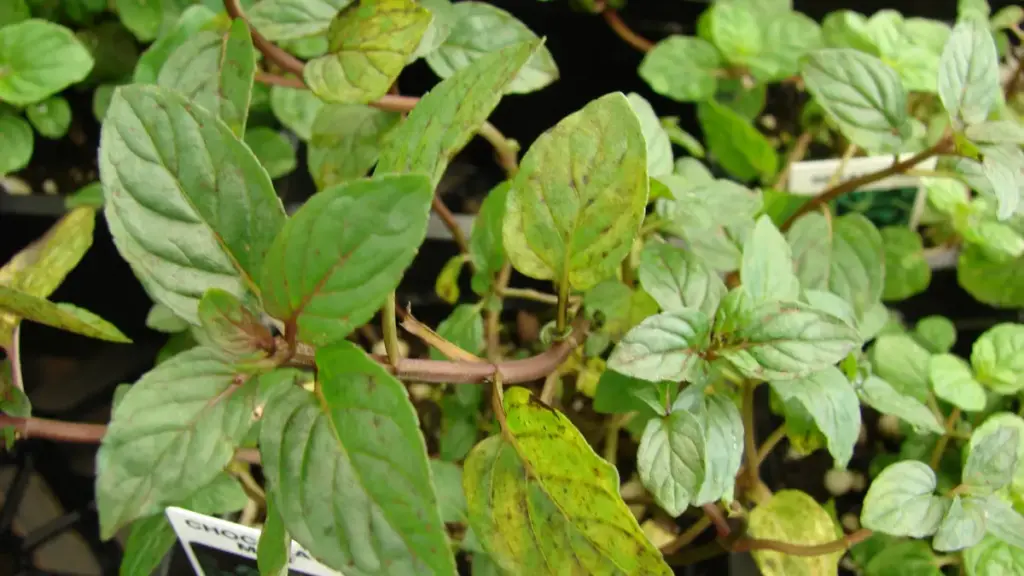
Peppermint Essential Oil: Origins, Extraction and Traditional Uses
Peppermint essential oil is the concentrated volatile oil distilled from Mentha × piperita. This profile explains the plant, production and traditional use; individual health claims belong in separate…
Read the profile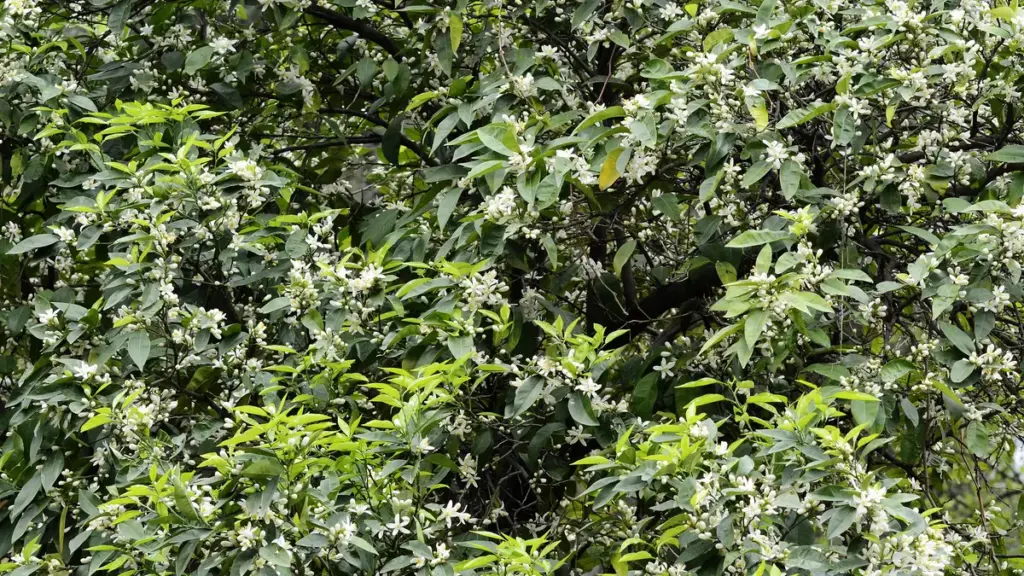
Petitgrain Essential Oil: Identity, Evidence and Safety
Why bitter-orange leaf and twig oil is not neroli or peel oil, and why direct human treatment evidence remains limited.
Read the profile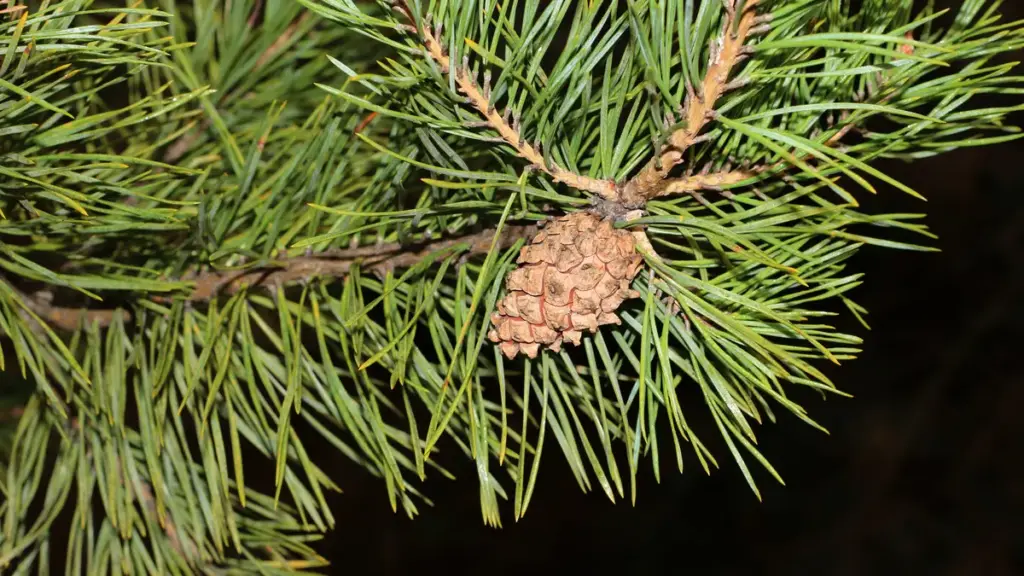
Pine Essential Oil: Species, Evidence and Safety
How pine needle oil differs from turpentine and fragrance, with respiratory and antimicrobial claims kept in perspective.
Read the profile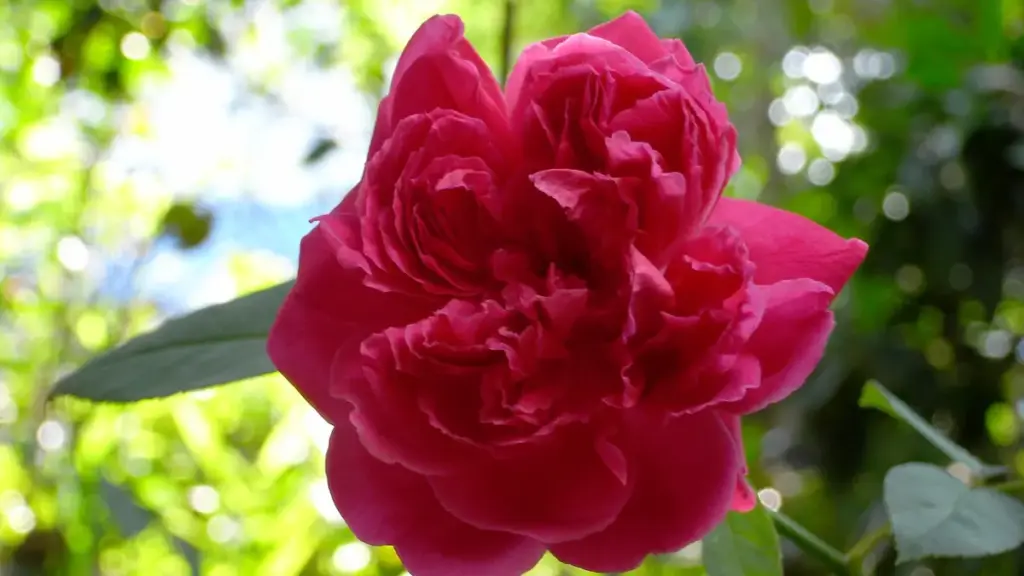
Rose Essential Oil: Human Evidence, Uses and Safety
What human aroma studies suggest about short-term mood and anxiety outcomes, and how rose otto differs from absolute and fragrance.
Read the profile
Rosemary Essential Oil: Identity, Chemistry and Evidence
A sourced profile of rosemary oil’s botanical identity, distillation, chemotypes, human hair research, laboratory findings and safety limits.
Read the profile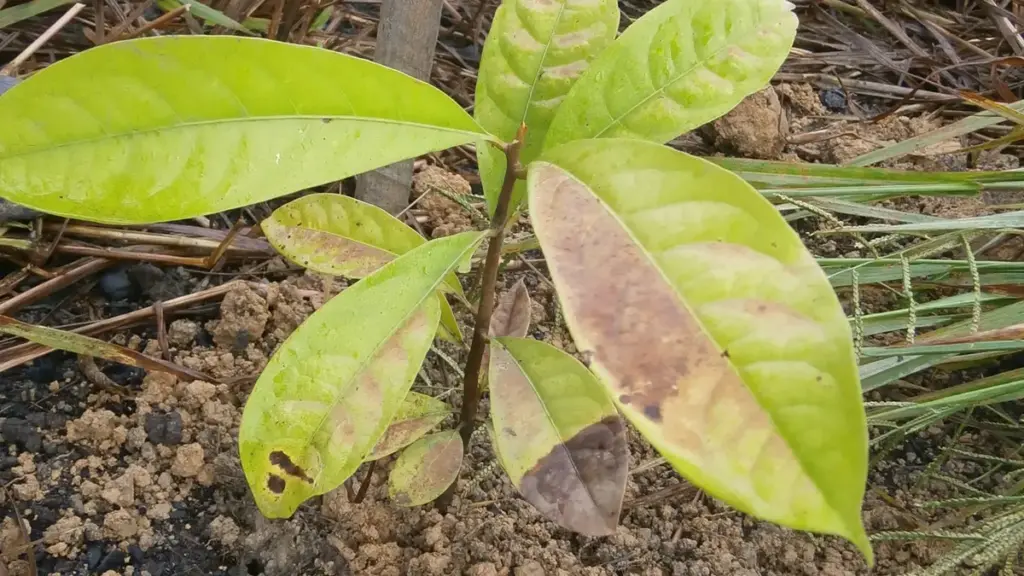
Rosewood Essential Oil: Identity, Conservation and Safety
How to identify Aniba rosaeodora oil, why origin and traceability matter, and why rosewood claims need product-specific evidence.
Read the profile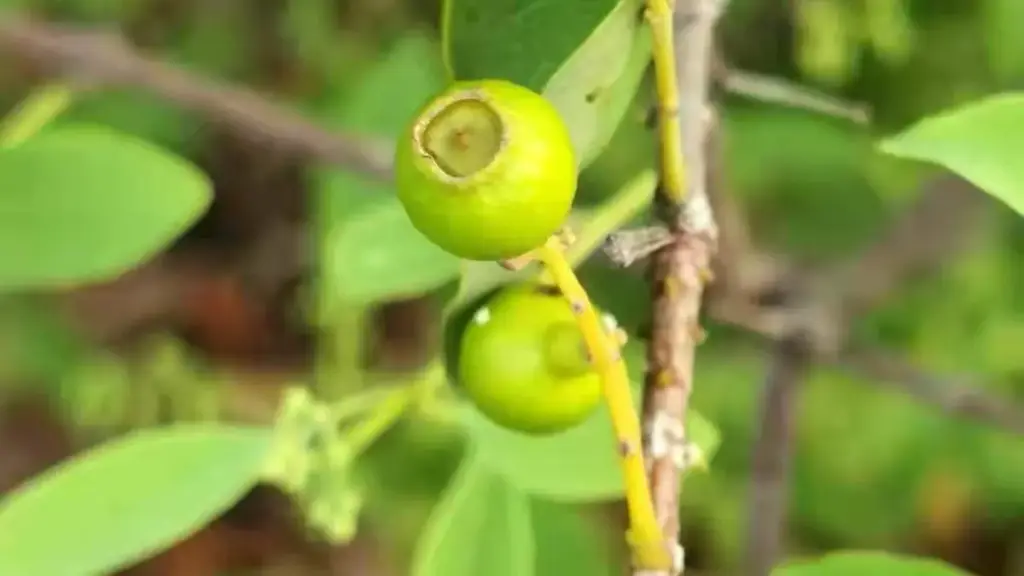
Sandalwood Essential Oil: Species, Evidence and Sourcing
Why sandalwood species, traceability and authenticity matter, and why medical claims remain ahead of direct human evidence.
Read the profile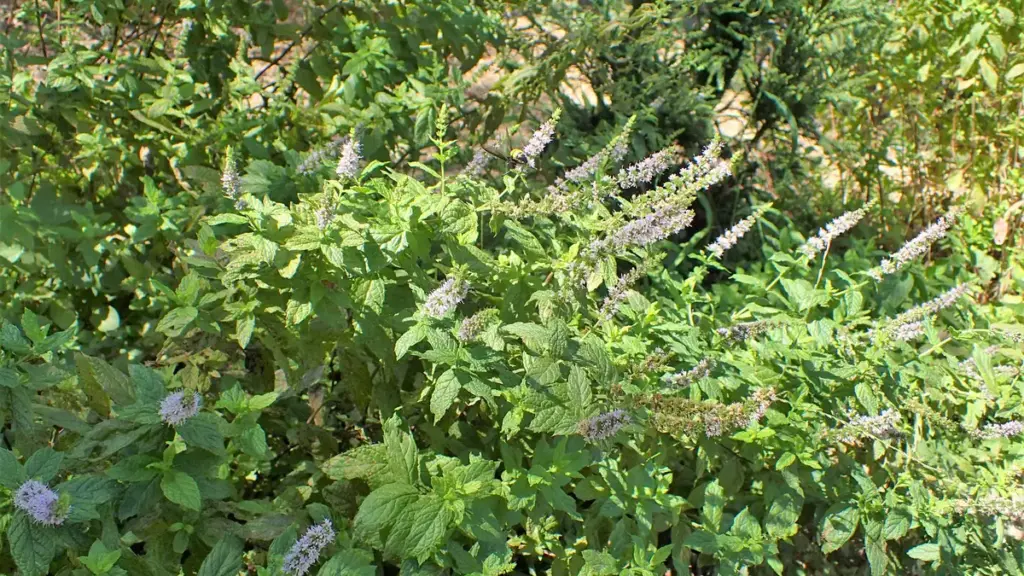
Spearmint Essential Oil: Identity, Chemistry and Evidence
Why spearmint oil is not peppermint oil, what its carvone-rich chemistry means and why spearmint-tea evidence cannot support oil claims.
Read the profile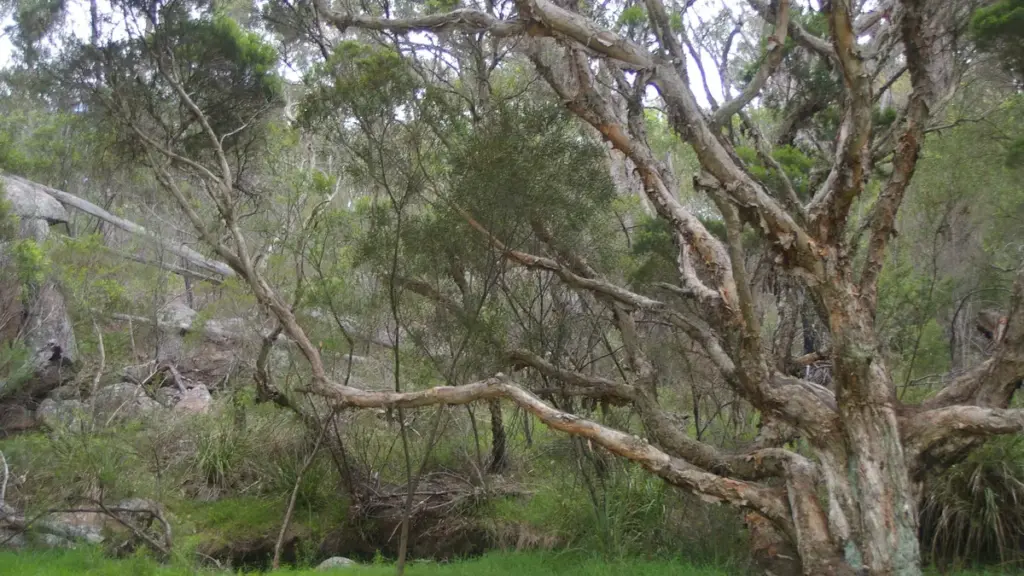
Tea Tree Essential Oil: Origins, Extraction and Traditional Uses
Tea tree essential oil is distilled from the Australian plant Melaleuca alternifolia. This profile focuses on botanical identity, extraction and the history of use rather than treating traditional…
Read the profile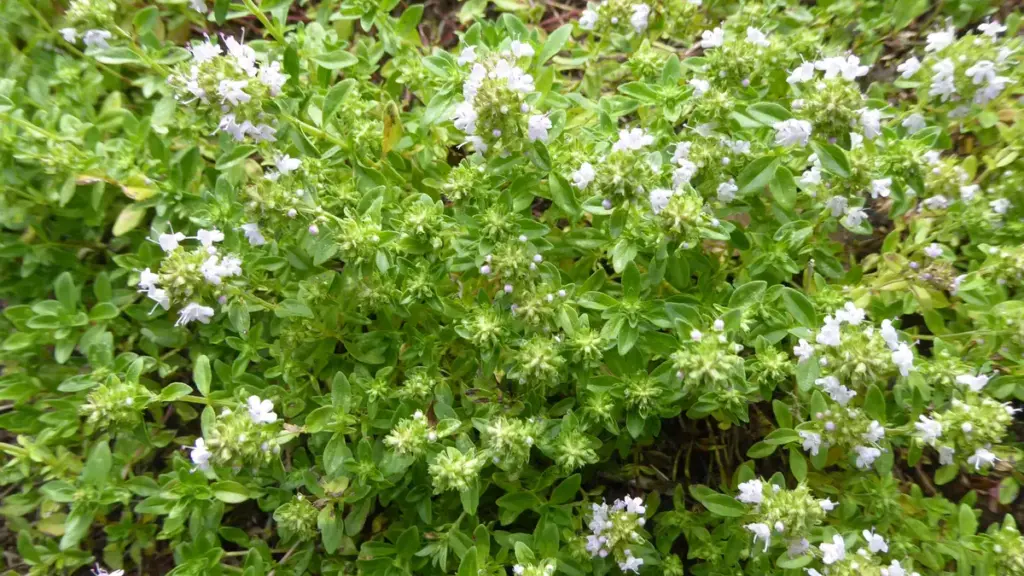
Thyme Essential Oil: Chemotypes, Evidence and Safety
Why thyme chemotype matters, what antimicrobial laboratory research can show and why concentrated oil is not a proven infection treatment.
Read the profile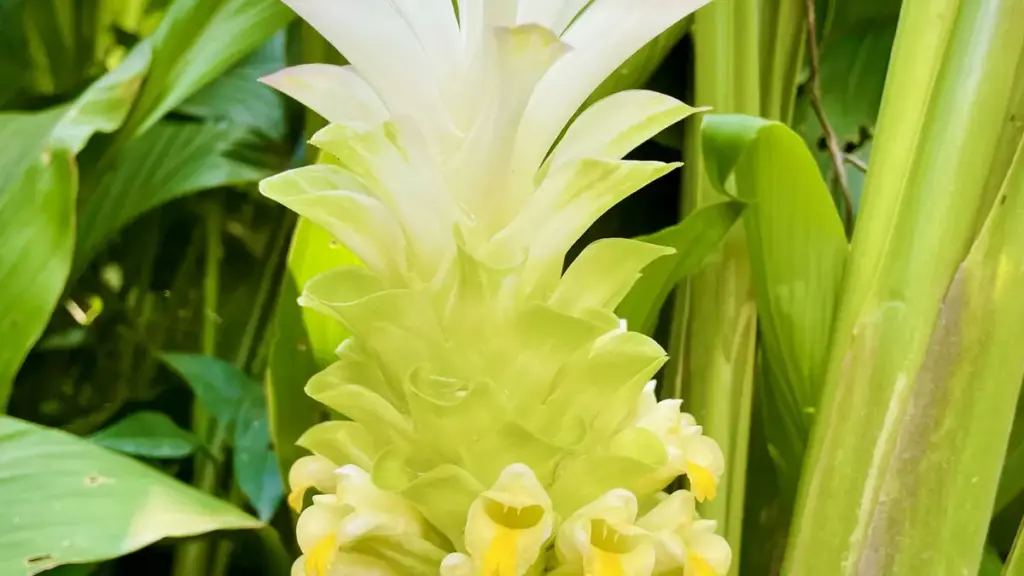
Turmeric Essential Oil: Turmerones, Evidence and Safety
Why distilled turmeric oil is not curcumin, and why evidence about spice, extracts and supplements cannot establish benefits from the oil.
Read the profile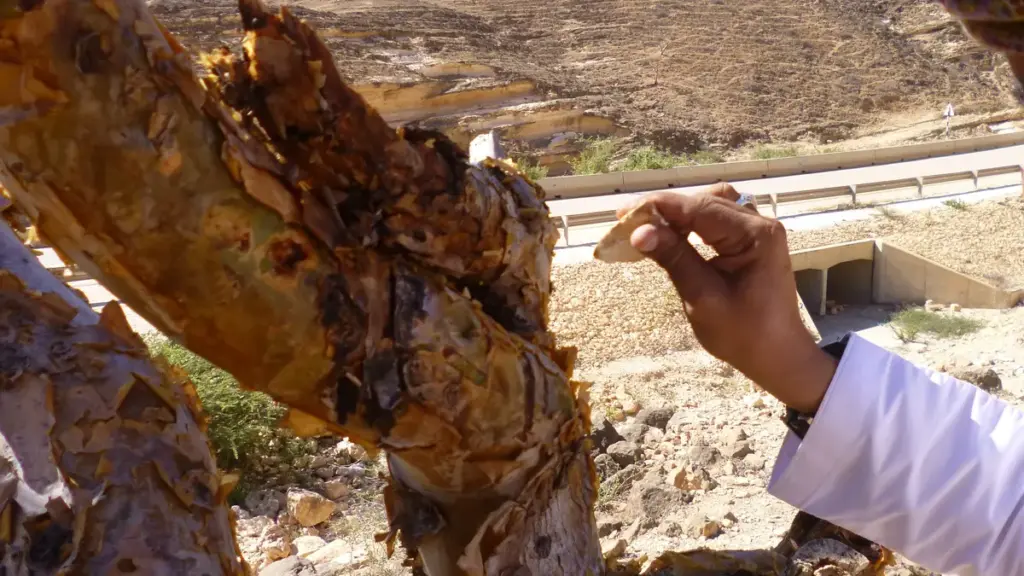
Valor Essential Oil: What Is in the Blend?
A label-led look at Young Living Valor, a changing commercial blend rather than one botanical essential oil.
Read the profile
Vanilla Essential Oil: Extract, Oleoresin or Fragrance?
Why many products sold as vanilla essential oil are extracts, oleoresins, infusions or fragrance blends rather than a standard distilled oil.
Read the profile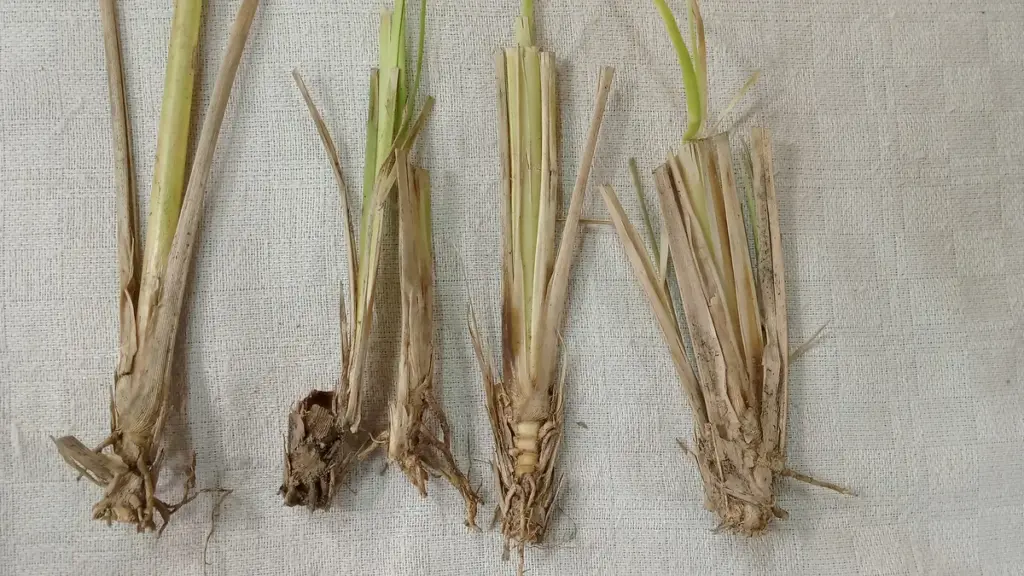
Vetiver Essential Oil: Identity, Evidence and Safety
A sourced profile of root-distilled vetiver oil, its complex chemistry and the lack of direct human evidence for common treatment claims.
Read the profile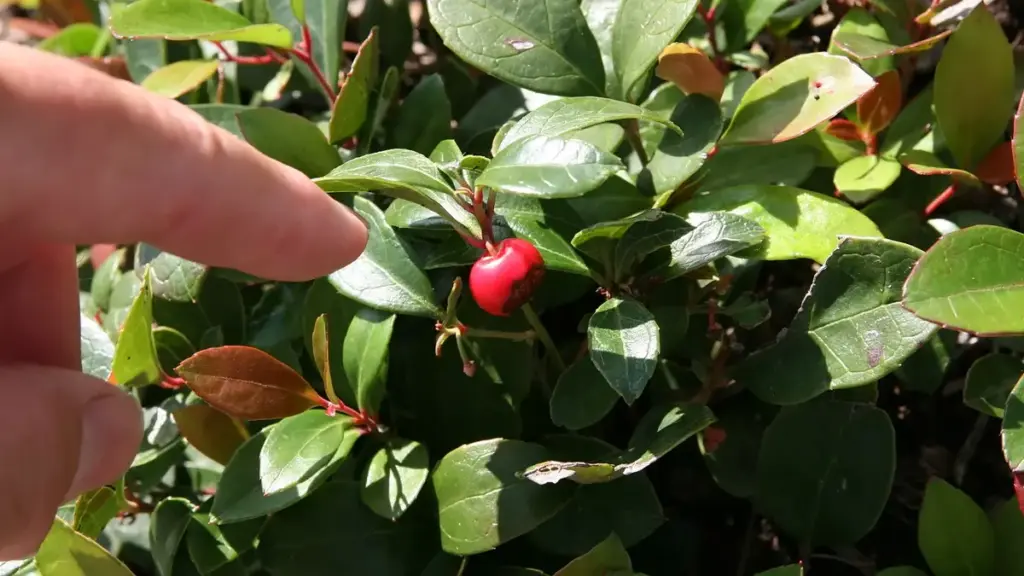
Wintergreen Essential Oil: Methyl Salicylate and Safety
Why methyl-salicylate-rich wintergreen oil can poison when swallowed or overused on skin and is not a gentle home pain remedy.
Read the profile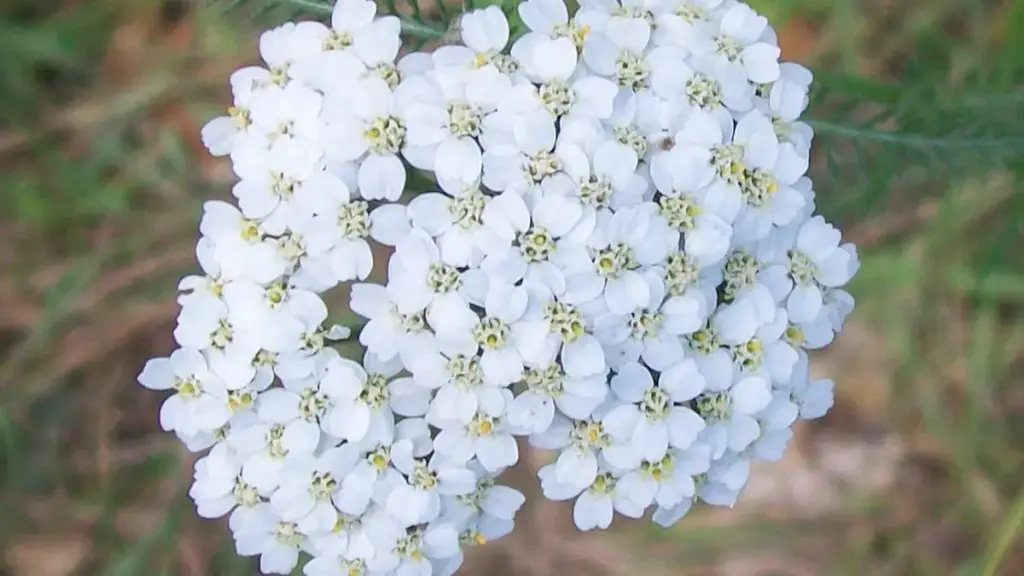
Yarrow Essential Oil: Identity, Extraction and Safety
A profile of Achillea millefolium oil, with the distilled oil kept separate from evidence about teas, extracts and other yarrow preparations.
Read the profile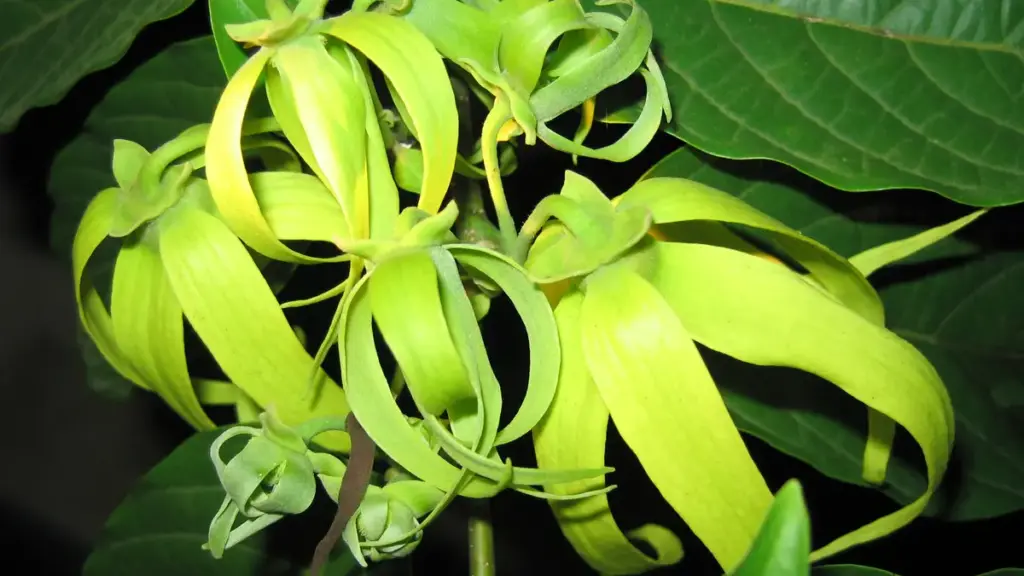
.jpg)
Ylang-Ylang Essential Oil: Fractions, Uses and Evidence
How ylang-ylang distillation fractions differ, why fragrance is its clearest use and where relaxation and blood-pressure claims go too far.
Read the profile