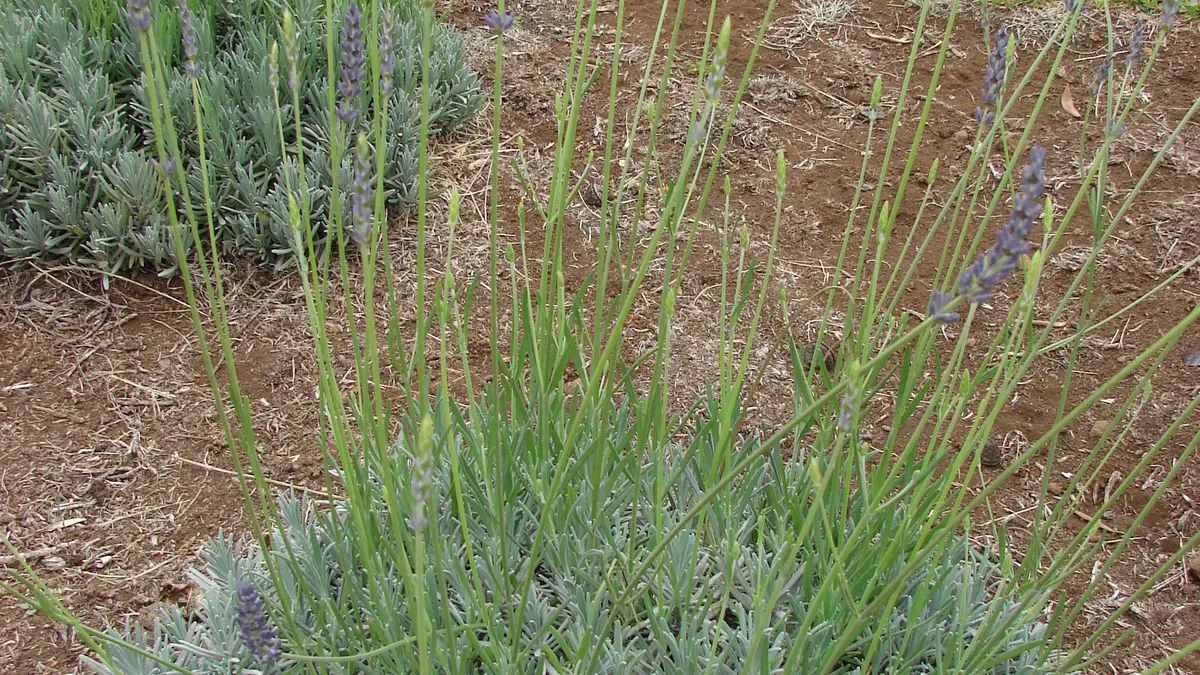

Lavender essential oil is the volatile oil distilled from aromatic lavender flowers. This profile covers the plant, how the oil is made and the history of its use; HealthWatchlist assesses health claims separately.
Botanical identity
The name “lavender oil” can describe oils from several plants in the Lavandula genus. English or true lavender is Lavandula angustifolia; lavandin is commonly produced from the hybrid Lavandula × intermedia. Species, growing conditions and processing can change an oil’s composition and aroma, so the label matters.
Where lavender comes from
Lavender is associated with the Mediterranean region and has become a familiar cultivated plant far beyond its native range. It is valued both as an ornamental shrub and as a source of fragrance.
How lavender essential oil is extracted
Commercial lavender oil is normally obtained by steam distillation of flowering material. Steam carries volatile compounds away from the plant; cooling then separates the aromatic oil from the water-based distillate. The oil is highly concentrated and is not equivalent to the whole flower or to lavender tea.
Aroma and composition
Lavender oil is usually described as floral, herbaceous and softly sweet. Linalool and linalyl acetate are often prominent constituents, although their proportions vary with species, cultivar, environment and production.
Traditional uses
Lavender has a long cultural history in perfumery, bathing, scented household preparations and herbal traditions. Modern marketing often extends those traditions into medical claims. A historical use tells us what people did; it does not by itself show that the practice produces a clinical benefit.
Lavender claims we have investigated
Lavender oil and snoring
A sleep-laboratory trial reported improvements in some sleep measures, but no significant improvement in its breathing-interruption index or average oxygen saturation. Better sleep is not evidence that lavender treats snoring.
Primary research and its reported outcomes.
Read the lavender comparison in our snoring guide for the evidence limits, other formulations and signs that need assessment.
Targeted evidence update: 14 September 2026. This section does not represent a new review of every claim on this profile.
Lavender and tendonitis
Research in other conditions does not establish tendon healing or a recovery benefit. Our oil-specific evidence appraisal explains the studied preparation, comparison and limits. It also sets the claim alongside appropriate care.
Lavender and yeast infection
Lavender studies include Candida isolates and laboratory biofilms. Cell-toxicity findings also need to be considered before assuming that antifungal activity means safe treatment. See the detailed evidence comparison for the studies, limitations and appropriate care.
Lavender and fungal nails
A lavender-species laboratory study and a preliminary multi-oil spray report do not isolate a clinical benefit from lavender oil. See the detailed evidence comparison for the studies, limitations and appropriate care.
Lavender and sinus symptoms
A spike-lavender capsule trial reported acute viral sinusitis symptom relief, with more adverse events than placebo. It does not establish benefits from lavender aromatherapy. See the detailed sinusitis comparison for the preparations, findings and limitations.
Lavender and tinnitus
Lavender improved reported sleep quality in a student trial without increasing sleep quantity. This does not establish a reduction in tinnitus or a treatment for hearing loss. See the detailed evidence comparison for the studies, limitations and care context.
Lavender and earache
Human studies tested lavender-containing mixtures for different ear conditions. Improvement and non-significant comparisons do not establish lavender alone or safe homemade drops. See the detailed evidence comparison for the studies, limitations and care context.
Lavender and toothache
Lavender trials concern comfort alongside dental treatment and local anaesthesia. A recent surgical trial found no significant postoperative pain difference; none establishes treatment of an untreated toothache. See the detailed evidence comparison for the studies, limitations and care context.
Lavender and rashes
Lavender cell findings do not establish clinical rash treatment. Human contact allergy is documented; a recent psoriasis pilot used a non-volatile extract and lacked a control group. See the detailed evidence comparison for the primary studies, limitations and care context.
Lavender and wrinkles
Mixed-product human findings and experimental UV studies cannot establish a lavender-only wrinkle benefit. Lavender can also cause contact allergy. See the detailed evidence comparison for the primary studies, limitations and care context.
Profile sources
- Royal Botanic Gardens, Kew: Plants of the World Online
- National Center for Complementary and Integrative Health: Lavender
Related evidence review: Essential Oils for Restless Legs: Massage Studies and Their Limits.
Short-term depression scores are not lasting recovery
A three-day trial in substance-dependence treatment reported improved depressive-symptom scores after lavender inhalation. It lacked a placebo or attention control and longer follow-up. This is a preliminary finding alongside routine treatment. NCCIH also distinguishes oral lavender preparations from aromatherapy; evidence for one route should not be assigned to another.
Targeted evidence update: 13 September 2026. This section reviews the specified claim; it does not represent a new review of every statement on this page.
Related evidence review: Essential Oils for Fibromyalgia: Pain Claims and Human Evidence.
Related evidence review: Essential Oils for Depression: Symptom Studies and Treatment Limits.
A specific jaw-massage finding needs replication
Evidence update: 13 September 2026.
A 91-person randomised trial reported encouraging pain and mouth-opening results for lavender massage in muscle-related TMD. It is one trial with follow-up to two months. It does not establish that lavender inhalation treats joint damage or every cause of facial pain.
Related evidence review: Lavender Oil for Jaw Pain: What the TMD Massage Trial Found.
New migraine mechanism research was conducted in mice
Evidence update: 14 September 2026.
The orexin-circuit experiment identifies a possible mechanism in a mouse model. It is not another human treatment trial. A small inhalation study was positive, while a review across different oils found no significant pooled clinical benefit.
Related evidence review: Lavender Oil for Migraine: Small Human Trials and the New Mouse Study.
Lavender labour studies suggest comfort, not faster birth
Evidence update: 14 September 2026.
A 120-person labour trial reported lower pain with lavender inhalation without shorter active or second-stage labour. Discuss any aromatherapy with the maternity team; it does not replace requested analgesia or appropriate obstetric care.
Dental anxiety findings should include negative comparisons
Evidence update: 14 September 2026.
A lavender meta-analysis reported lower dental anxiety. A root-canal trial found no significant between-group blood-pressure or heart-rate differences. Short-term anxiety relief is distinct from anaesthesia and treatment of persistent dental phobia.
Related evidence review: Lavender Oil for Labour Pain: Trials, Comfort and Safety.
Related evidence review: Lavender Oil for Dental Anxiety: What Human Trials Show.
Related evidence review: Lavender Oil for Eczema: Cell Research and Allergy Risks.