Short answer: vetiver essential oil is distilled mainly from the roots of Chrysopogon zizanioides. It is established as a fragrance material, but direct human evidence for sleep, anxiety, attention or medical treatment remains limited.
What vetiver oil is
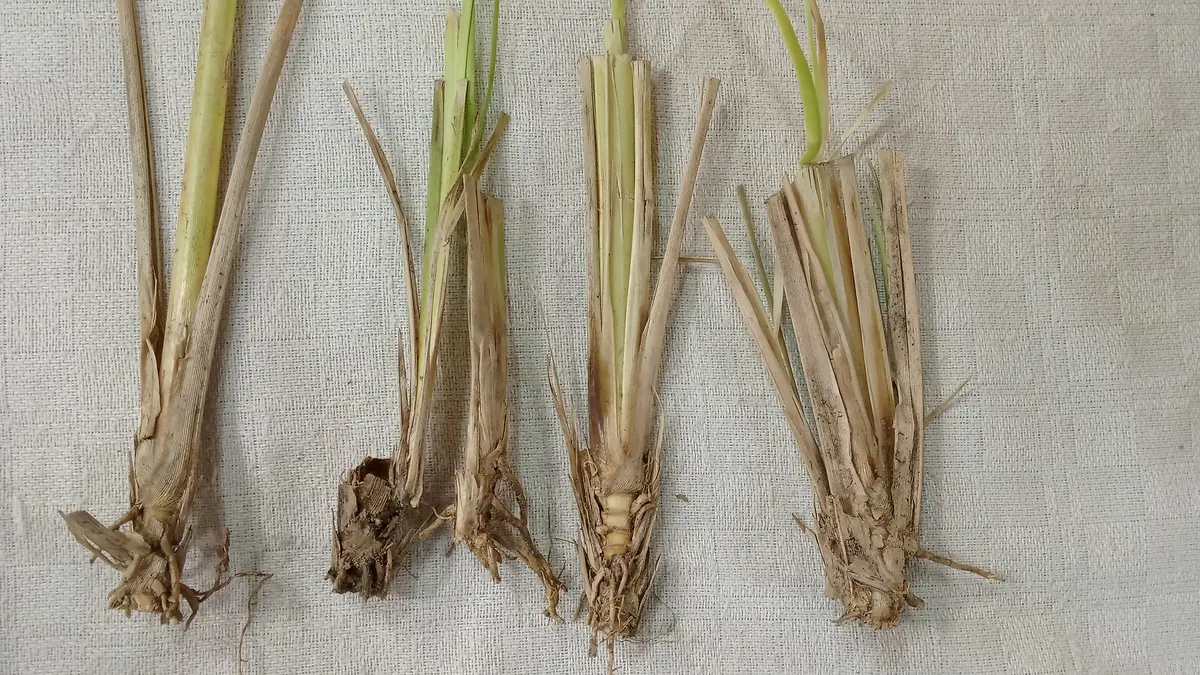
Kew accepts Chrysopogon zizanioides, with Vetiveria zizanioides recorded as a synonym. The grass has a dense root system. Distilling those roots produces a viscous oil with an earthy aroma.
The plant is also used for erosion control, handicrafts and perfumery. Evidence about those uses does not establish a health effect. A perfume containing a vetiver note may use a small amount of oil, another vetiver material or a reconstructed fragrance.
A chemically complex oil
Analytical research describes the chemically complex essential oil from vetiver roots. Composition can vary with origin, plant material, storage and distillation.
That complexity makes simple claims about one “active ingredient” unreliable. It also creates an authentication challenge. A chromatographic report can help compare a batch with an expected profile, although it cannot prove clinical effectiveness.
What the research does and does not show
Much vetiver research concerns insects, microorganisms, fragrance chemistry or laboratory models. Experimental research has reported mosquito avoidance with vetiver oil and constituents. The result does not automatically predict useful duration or safe concentration on human skin.
Online claims also describe vetiver as sedating, grounding or helpful for attention. Small experimental studies and animal work can explore behaviour or physiology, but they do not establish treatment for insomnia, anxiety disorders or attention-deficit hyperactivity disorder.
A fragrance can still feel calming to someone who likes it. That personal response should not be represented as diagnosis-specific evidence.
How to read a vetiver study
Check whether the experiment used complete root oil, an isolated constituent or a fragrance mixture. Then identify whether exposure was inhaled, applied, swallowed or delivered directly in a laboratory system.
Human studies should report randomisation, comparison conditions, participant numbers and adverse effects. Aroma trials also need a credible control because participants can often recognise the scent and infer their assignment.
Fragrance use and treatment are different claims
Perfumery provides extensive practical experience with vetiver as an aroma ingredient, but it does not answer medical questions. Acceptable fragrance use concerns product quality, exposure and preference rather than treatment efficacy.
A study showing a temporary change in a physiological measurement would still need replication and a meaningful patient outcome. It would not by itself demonstrate better sleep, concentration or day-to-day anxiety.
Safety
Limited clinical research means absence of reported harm is not proof of safety. Like other fragrance materials, vetiver oil may irritate or sensitise skin. A clinical review explains allergic contact dermatitis from essential oils.
- Do not swallow vetiver essential oil.
- Do not apply it neat or to damaged skin.
- Use good ventilation and stop if the aroma causes headache, coughing or wheeze.
- Keep concentrated oil away from children and pets.
- Ask a clinician before use during pregnancy or breastfeeding.
Poison Control advises treating essential oils as concentrated substances that can cause poisoning.
Buying checklist
- The label says Chrysopogon zizanioides or its recognised synonym.
- The root and distillation method are identified.
- The origin and batch are traceable.
- The seller distinguishes an essential oil from a perfume blend.
- Claims about sleep, anxiety or attention are not based only on animal research.
My assessment
Vetiver is a legitimate root-distilled fragrance oil with complex chemistry. Evidence for clinical outcomes is too sparse for treatment claims. It is best described as a fragrance choice, with experimental research kept separate from demonstrated human benefit.
Vetiver and Lyme disease
Vetiver was tested in a Borrelia culture screen, but microscopy found substantial bacterial survival. The study does not establish a Lyme-treatment effect, and no controlled human trial was located. See the detailed evidence comparison for the studies, limitations and care context.
References
- Kew Plants of the World Online: Chrysopogon zizanioides
- Chemically characterised vetiver root oil and laboratory activity
- Experimental mosquito-avoidance study of vetiver oil
- Clinical review of essential-oil contact dermatitis
- Poison Control: essential-oil exposures
- NCCIH: evaluating complementary products and claims