Category: Oil Profiles

  • Neroli Essential Oil: Human Evidence, Uses and Safety

    Neroli Essential Oil: Human Evidence, Uses and Safety

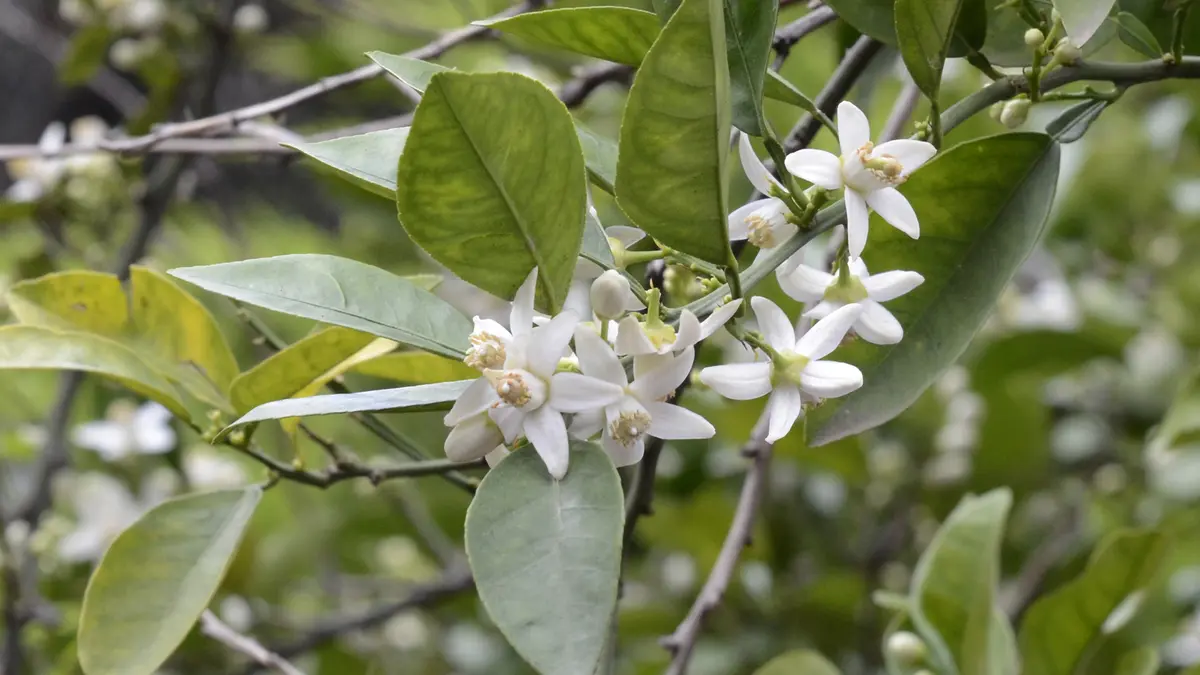
    Short answer: neroli is the fragrant oil distilled from bitter-orange flowers, usually Citrus aurantium. Several small studies have examined inhaled neroli in stressful settings, including labour, but the findings do not establish treatment for an anxiety disorder, depression, insomnia or hormonal problems.

    Flower, leaf and peel oils are different

    Kew provides the botanical record for Citrus aurantium. Neroli comes from its flowers. Petitgrain normally comes from leaves and twigs, while bitter-orange peel oil is expressed or distilled from the fruit peel. Those products differ in composition and evidence.

    Neroli is expensive because flower yield is limited and production is labour-intensive. “Orange blossom fragrance” may be a perfume composition rather than distilled neroli. A label should therefore name the species, flower as the plant part and steam distillation as the method.

    What human studies suggest

    A randomised study evaluated neroli inhalation during labour and reported differences in anxiety and pain measures. This is a defined, short-term setting. It does not show that the oil treats chronic anxiety, replaces obstetric pain relief or improves the safety of labour.

    A small crossover study in postmenopausal women measured salivary oxytocin and psychological outcomes after neroli inhalation. Biomarker changes can be interesting, but a short laboratory response is not evidence that the oil “balances hormones” or treats menopausal symptoms.

    A recent review of bitter-orange flowers brings together traditional use, chemistry and pharmacological research. Reviews can map the literature, yet their conclusions remain limited by the size, methods and heterogeneity of the underlying studies.

    Aroma trials are especially hard to blind. Participants often know whether they received the recognisable scent, so expectation and preference may affect self-reported anxiety or comfort. Larger replicated trials with active aromatic controls would strengthen the evidence.

    What the studies do not show

    Short-term changes in a questionnaire, pulse or salivary marker do not demonstrate treatment of generalised anxiety disorder, major depression, insomnia or endocrine disease. Laboratory antimicrobial activity also does not show that a diffuser cleans indoor air or that topical neroli treats an infection.

    Neroli may form part of a calming routine for someone who enjoys the fragrance. That personal use should be described as preference and context, not converted into a medical promise.

    Reading aroma studies carefully

    Look for the number of participants, the comparison scent, the timing of measurement and whether the outcome was chosen before the results were known. A statistically detectable change on a short anxiety scale may be modest in practice and may not persist after the aroma stops.

    The surrounding care matters too. Labour studies take place alongside clinical observation and ordinary pain-management options. They do not support unsupported home use in place of maternity care. Likewise, a salivary oxytocin measurement is a biological observation, not proof of a lasting hormonal or mental-health benefit.

    Safety

    Neroli is not identical to expressed citrus peel oil, so peel-oil phototoxicity warnings should not be copied across without checking the actual product. It can still irritate skin or trigger fragrance allergy. A clinical review describes allergic contact dermatitis associated with essential oils.

    • Do not swallow neroli or add it to water or capsules.
    • Do not apply it neat or close to the eyes.
    • Use a properly formulated cosmetic if applying it to skin.
    • Diffuse sparingly with ventilation and stop after headache, nausea, coughing or wheeze.
    • Seek individual advice during pregnancy, breastfeeding or for children and people with asthma.

    Buying checklist

    • The label names Citrus aurantium, flower and steam distillation.
    • The product is not merely “orange blossom” fragrance.
    • Neroli, petitgrain and peel oil are described separately.
    • A batch analysis and lot number are available.
    • Small stress studies are not presented as proof of treating an anxiety disorder.

    My assessment

    Neroli has more human aroma research than many essential oils, but the studies are small and context-specific. They support further study of short-term subjective effects, not broad psychiatric, hormonal or sleep claims. Identity is equally important: evidence about flowers must not be used to sell leaf, twig or peel oil.

    Neroli and wrinkles

    Neroli antioxidant assays and studies of other bitter-orange plant parts do not establish human wrinkle reduction. Contact allergy remains a relevant consideration. See the detailed evidence comparison for the primary studies, limitations and care context.

    References

    1. Kew Plants of the World Online: Citrus aurantium
    2. Randomised study of neroli inhalation during labour
    3. Crossover study of neroli inhalation in postmenopausal women
    4. Review of bitter-orange flower chemistry and research
    5. Systematic review of neroli aromatherapy studies
    6. Clinical review of allergic contact dermatitis from essential oils

  • German Chamomile Essential Oil: Evidence, Uses and Allergy

    German Chamomile Essential Oil: Evidence, Uses and Allergy

    Short answer: German chamomile essential oil is distilled from Matricaria chamomilla. Its blue colour can reflect chamazulene formed during distillation, but colour is not proof of purity or therapeutic effect. Chamomile has a substantial herbal literature, yet studies of tea and oral extracts cannot be transferred automatically to the essential oil.

    Which chamomile?

    German chamomile is botanically different from Roman chamomile. Kew records Matricaria chamomilla, a member of the Asteraceae family. Roman chamomile is normally Chamaemelum nobile. Their oils have different chemical profiles, so “chamomile” alone is not an adequate label.

    The German oil is steam-distilled from flower heads. During distillation, matricin can be converted into blue chamazulene. The resulting oil is not the same preparation as chamomile tea, a dry extract, a tincture or a cream containing a measured extract.

    What the research covers

    A broad review describes chamomile chemistry, traditional uses and experimental research. It also demonstrates the central interpretation problem: the word “chamomile” covers several species and preparations. Positive findings for an oral extract do not establish that inhaling or applying the volatile oil produces the same exposure.

    A systematic review assessed chamomile for anxiety and sleep outcomes, but the included interventions were not simply German chamomile essential oil. A small trial of chamomile extract in chronic insomnia likewise tested capsules rather than aromatherapy. These studies can inform the wider chamomile story, not prove an essential-oil claim.

    The US National Center for Complementary and Integrative Health concludes that evidence is insufficient for many proposed uses. It notes preliminary research in some contexts and very limited evidence for insomnia. That is more cautious than claims that the oil treats anxiety, induces sleep or controls inflammation.

    Laboratory findings are preliminary

    Chamomile constituents show anti-inflammatory, antimicrobial and antioxidant activity in experimental systems. Such work helps researchers identify mechanisms and doses worth studying. It does not show that a diluted skin blend treats eczema, that vapour disinfects a room or that the oil controls a medical condition in people.

    Human trials would need to identify the oil chemically, use a credible comparison, report adverse effects and measure a defined outcome. Aroma trials are difficult to blind because participants can usually recognise the smell.

    How to assess a chamomile claim

    First check the Latin name. Next identify whether participants drank tea, swallowed an extract, inhaled an oil or used a cream. Then check the dose and outcome. A trial measuring a sleep questionnaire after capsules cannot demonstrate that a few diffuser drops change sleep duration or daytime function.

    It also matters whether the study enrolled healthy volunteers, people with a diagnosed disorder or patients undergoing a stressful procedure. A short reduction in procedure-related nervousness is not equivalent to treating an anxiety disorder. Reviews that combine dissimilar chamomile preparations may be useful maps, but they cannot erase these differences.

    Safety and allergy

    Chamomile can cause allergic reactions, particularly in people sensitive to related Asteraceae plants such as ragweed, chrysanthemums and daisies. NCCIH also notes that evidence about use during pregnancy and breastfeeding is limited. A clinical review documents allergic contact dermatitis from essential oils generally.
    • Do not swallow the essential oil or add it to drinks.
    • Do not apply it neat, near the eyes or to broken skin.
    • Stop after rash, swelling, wheeze or worsening irritation; breathing difficulty needs urgent help.
    • Keep concentrated oils away from children and pets.
    • Ask a clinician or pharmacist before use during pregnancy, breastfeeding or alongside medicines.

    Buying checklist

    • The label says Matricaria chamomilla and names the flower as the plant part.
    • The seller distinguishes German from Roman chamomile.
    • A batch report is available and the supplier does not use blue colour as its only quality claim.
    • Evidence about teas or extracts is not presented as proof for the oil.
    • There are clear dilution, allergy and storage warnings.

    My assessment

    German chamomile is a recognisable essential oil with well-described chemistry, but its clinical reputation is ahead of direct human research on the oil itself. The wider chamomile literature is relevant only when species, preparation and route match. It is reasonable to treat the aroma as a personal preference; it is not reasonable to describe the bottle as a proven treatment for insomnia, anxiety, eczema or infection.

    References

    1. Kew Plants of the World Online: Matricaria chamomilla
    2. NCCIH overview of chamomile evidence and safety
    3. Review of chamomile uses, constituents and research
    4. Systematic review of chamomile for anxiety and sleep
    5. Randomised trial of an oral chamomile extract for insomnia
    6. Clinical review of allergic contact dermatitis from essential oils

    Traditional chamomile oil is not always essential oil

    The chamomile-pumpkin psoriasis trial used a traditional preparation made from an aqueous chamomile extract processed into sesame oil. It was not a test of steam-distilled chamomile essential oil.

    This is a useful example of why the preparation method matters. The positive result concerns the tested mixture and should not be attributed to an unrelated essential-oil bottle.

    Targeted evidence update: 12 September 2026. This addition does not represent a new review of every statement on this page.

  • Marjoram Essential Oil: Identity, Evidence and Safety

    Marjoram Essential Oil: Identity, Evidence and Safety

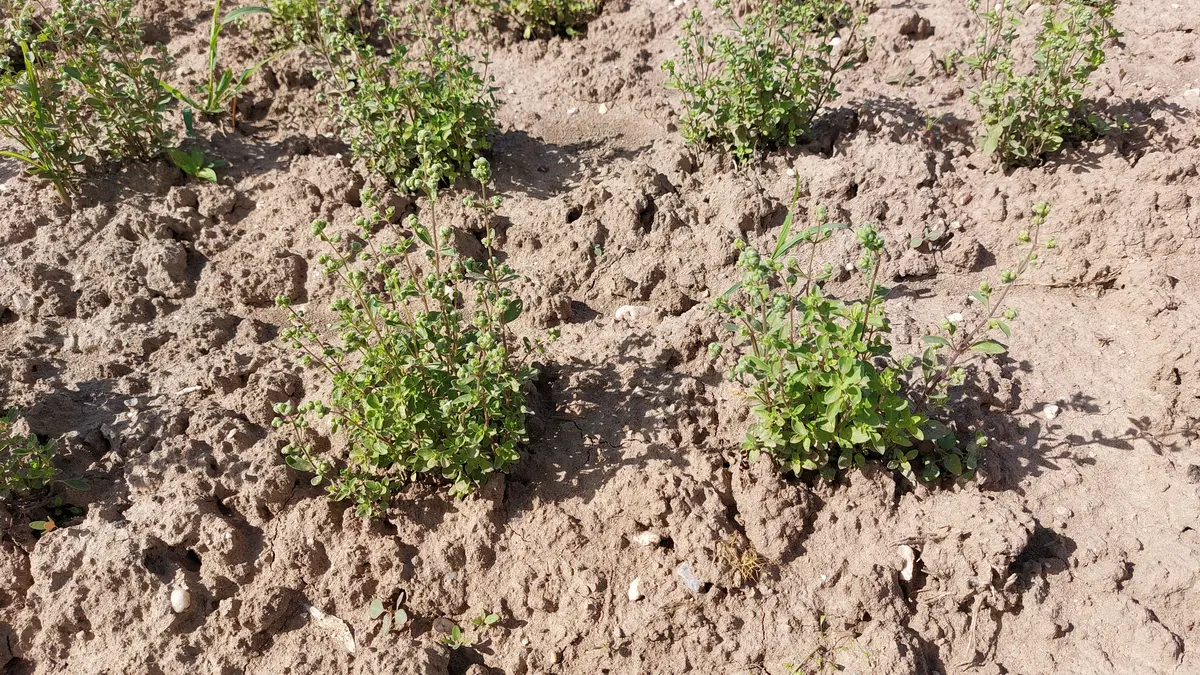
    Short answer: sweet marjoram essential oil is normally distilled from Origanum majorana. Laboratory studies describe antimicrobial and other biological activity, but direct human evidence for sleep, anxiety, pain or infection claims is sparse. Culinary marjoram and concentrated essential oil are not interchangeable.

    Identity comes first

    Kew records the accepted botanical name Origanum majorana. It belongs to the same genus as oregano, but sweet marjoram oil should not be treated as oregano oil. Sellers should state the botanical name, plant part, country of origin and extraction method.

    The oil is usually steam-distilled from flowering aerial parts. A dried culinary herb, herbal tea, solvent extract and volatile oil deliver different mixtures at very different concentrations. Research on one preparation does not validate another.

    Chemistry and variation

    A review of marjoram chemistry and biological research describes considerable variation linked to origin, harvest and extraction. Terpinen-4-ol, sabinene hydrate and related volatile compounds can be prominent, but there is no single composition that can be assumed from the common name alone.

    A batch chromatogram can help compare a product with an expected profile and reveal gross substitution. It does not demonstrate medical effectiveness. “Therapeutic grade” is a marketing phrase rather than a recognised clinical standard.

    What has been studied in people?

    Direct clinical evidence for marjoram essential oil is limited. A study involving neurofeedback and marjoram aroma examined sleep bruxism and related outcomes. Because it combined interventions and addressed a particular population, it cannot show that marjoram oil alone treats bruxism, anxiety or poor sleep.

    Small aroma studies can be useful starting points, but smell makes blinding difficult. Expectation, the setting and attention from researchers can influence subjective outcomes. Replication with a clearly characterised oil and an appropriate aromatic control is needed before confident treatment claims are justified.

    Laboratory activity is not a home treatment

    Researchers have tested marjoram-oil nanoemulsions in laboratory systems. Other experimental work has examined individual monoterpenes and cancer-cell models. These studies can investigate mechanisms, but they do not show that household diffusion treats infection or that applying the oil treats cancer, inflammation or a chronic condition.

    Laboratory antimicrobial experiments expose microorganisms directly to selected concentrations. Human skin, lungs and digestive tissues add absorption, metabolism and toxicity constraints. A concentration that inhibits microbes in a dish may be irritating or unsafe in a person.

    What better research would look like

    A useful clinical study would test one chemically characterised marjoram oil, state the inhaled or topical exposure precisely and compare it with a control that helps account for scent and attention. It would register a primary outcome in advance, recruit enough participants and report adverse effects as carefully as benefits.

    For sleep, that might include objective sleep measures and daytime function rather than a single questionnaire immediately after exposure. For pain or bruxism, it would separate marjoram from other treatments. Until research does this, confident claims are based on extrapolation rather than established clinical effect.

    Safety

    Concentrated marjoram oil can irritate skin and airways, and oxidised fragrance compounds can increase sensitisation risk. Essential oils are recognised causes of allergic contact dermatitis. Reliable safety data for pregnancy, breastfeeding and young children are insufficient.

    • Do not swallow the oil or use it as a substitute for antibiotics or other prescribed care.
    • Do not put it undiluted on skin, in the nose or in the mouth.
    • Use only a small amount for brief diffusion with ventilation.
    • Stop if it causes coughing, wheeze, headache, nausea or skin irritation.
    • Keep the bottle out of reach of children and animals.

    Buying checklist

    • Origanum majorana appears in full on the label.
    • The product is distinguished from oregano oil and fragrance oil.
    • The plant part, extraction method, origin and batch number are stated.
    • A batch-specific analysis is available.
    • Laboratory findings are not rewritten as claims to treat infections or serious disease.

    My assessment

    Sweet marjoram oil has a plausible identity and a useful experimental literature, but the clinical evidence remains thin. It may be enjoyed as an aroma if used cautiously. Claims that it treats bruxism, insomnia, anxiety, infection, pain or cancer go beyond what direct human research currently supports.

    Marjoram oil and snoring

    A 2025 study reported changes in jaw-muscle activity during sleep. That is research on teeth grinding, not snoring. It cannot show that marjoram prevents airway obstruction.

    Primary research and its reported outcomes.

    Read the marjoram comparison in our snoring guide for the evidence limits, other formulations and signs that need assessment.

    Targeted evidence update: 14 September 2026. This section does not represent a new review of every claim on this profile.

    Reference: Effect of aromatherapy on sleep bruxism: randomised crossover study. Journal of the Aroma Environment Association of Japan. 2025;26:24–30. doi:10.15035/aeaj.260103.

    Marjoram and jaw pain

    Small neurofeedback studies measured stress markers in people with bruxism, with important negative findings. A separate blended-oil trial has no posted results; clinical jaw benefits remain unestablished. See the detailed evidence comparison for the studies, limitations and care context.

    References

    1. Kew Plants of the World Online: Origanum majorana
    2. Review of marjoram chemistry and biological research
    3. Study involving marjoram aroma and neurofeedback
    4. Laboratory research on a marjoram-oil nanoemulsion
    5. Experimental monoterpene research in cancer-cell models
    6. Clinical review of allergic contact dermatitis from essential oils

    The marjoram menstrual-pain study used a three-oil blend

    Evidence update: 14 September 2026.

    The 48-person trial tested lavender, clary sage and marjoram in a massage cream. Both groups improved, and there was no marjoram-only arm. Primary dysmenorrhoea is a narrower outcome than PMS, hormone regulation or fertility.

  • Lime Essential Oil: Extraction, Evidence and Phototoxicity

    Lime Essential Oil: Extraction, Evidence and Phototoxicity

    Short answer: lime essential oil is usually made from the peel of Citrus aurantiifolia or another clearly named lime species. Cold-pressed peel oil can be phototoxic on skin, while distilled lime oil generally contains far fewer of the non-volatile compounds responsible. Extraction method is therefore a safety-critical label detail.

    Which lime and which process?

    Persian lime and key lime are not botanically identical, and trade names can be inconsistent. A bottle should give the accepted Latin name, the peel as the plant part and either expression or distillation as the process. Kew’s Plants of the World Online provides botanical records for Citrus aurantiifolia.

    Expression mechanically collects aromatic material from the peel. Steam distillation captures volatile compounds. The resulting oils may smell similar, but they do not have the same phototoxicity profile. Lime juice, dried peel, a flavouring and a fragrance oil are different again.

    Phototoxicity depends on extraction

    A scientific review of citrus oils explains that expressed lime oil can be phototoxic because it may contain furanocoumarins. Ultraviolet exposure after skin application can cause an exaggerated burn-like reaction, sometimes followed by prolonged pigmentation.

    Furanocoumarins are not readily carried over by steam, so distilled lime oil is generally considered non-phototoxic or much less phototoxic. “Lime oil” alone is not enough information. If the extraction method is missing, do not assume the product is suitable for leave-on skin use before sun or tanning-bed exposure.

    The Tisserand Institute gives a practical overview of essential-oil phototoxicity and ultraviolet exposure. A finished cosmetic should be used within its directions; a homemade dilution does not automatically manage the relevant constituent limit.

    What does the evidence show?

    An experiment analysed lime-peel oil and tested its effects in rats with raised blood lipids. This was laboratory and animal research, not a clinical review. Its results cannot establish a safe or effective cholesterol treatment in people.

    Laboratory researchers have also studied oil from lime leaves. Leaf oil is not the same material as expressed peel oil. Results should not be transferred simply because both come from a lime plant.

    HealthWatchlist did not find strong controlled human evidence that lime essential oil treats acne, infection, anxiety, nausea, obesity or immune problems. A fresh citrus aroma can be enjoyable, but preference is not a clinical outcome.

    Research on lime juice or dietary citrus also cannot answer the oil question. Juice contains water-soluble components and nutrients that are largely absent from peel oil. Conversely, the oil concentrates volatile compounds that ordinary food exposure may contain only in much smaller amounts.

    Antimicrobial claims need restraint

    Experimental work has reported antimicrobial effects for citrus essential oils. Direct contact in a laboratory does not establish that a room diffuser disinfects indoor air, that a homemade cleaner provides reliable pathogen control or that topical oil treats an infection.

    Cleaning and disinfection products require a defined formulation, contact time and validated target. Adding a few drops of lime oil cannot replace those instructions.

    Using lime oil more cautiously

    • Do not swallow the oil or add it to drinking water.
    • Check whether it is expressed or distilled before any skin use.
    • Do not apply expressed lime oil before ultraviolet exposure unless a properly formulated product gives safe directions.
    • Avoid neat application, damaged skin, eyes and mucous membranes.
    • Diffuse briefly with ventilation, and stop after irritation, headache, coughing or wheeze.
    • Keep the bottle away from children and pets.

    Oxidised citrus oils may be more likely to sensitise skin. Keep the cap closed, store as directed and replace a bottle whose odour or appearance has changed markedly.

    Phototoxic reactions may not look like an immediate allergy. Redness and blistering can develop after ultraviolet exposure, and pigmentation can persist. If a leave-on product containing expressed lime oil has been used, follow its sun-avoidance instructions rather than relying on cloud, clothing that exposes the area or a short wait.

    Buying checklist

    • The Latin species and peel are stated.
    • The extraction method says expressed, cold-pressed or steam-distilled.
    • A current batch analysis is available.
    • Phototoxicity information matches the actual process and product.
    • The supplier does not transfer evidence from lime juice, leaf oil or isolated compounds to the peel oil.
    • No detoxification, weight-loss or infection-treatment claim is made.

    My assessment

    Lime oil’s clearest role is fragrance. Its most important practical distinction is not a claimed benefit but the extraction method: expressed peel oil can be phototoxic, while distilled oil generally differs. The human treatment evidence is limited, so buy by botanical identity, process and batch rather than by wellness promises.

    Lime and relaxation

    Lime was one ingredient in a dental fragrance blend. The overall trial did not find a significant anxiety benefit; exploratory subgroup results cannot establish a lime-specific relaxation effect. See the detailed evidence comparison for the studies, limitations and care context.

    References

    1. Kew Plants of the World Online search for Citrus aurantiifolia
    2. Scientific review of citrus essential oils and phototoxicity
    3. Tisserand Institute: Phototoxicity, essential oils and sun safety
    4. Lime-peel oil composition, antioxidant tests and a rat lipid study
    5. Laboratory study of lime leaf essential oil
    6. Experimental antimicrobial research on citrus essential oils
    7. Cosmetic Ingredient Review safety assessment of citrus peel oils

    Editorial responsibility and correction note

    Editor: John Hamlen. This article has not been independently reviewed by a clinician.

    Reference correction, 12 September 2026: Changes in this check: Correct experimental design and population; Correct bibliographic description against source record. This was a targeted correction, not a comprehensive new review of every claim in this article.

    Read our editorial policy, evidence method and corrections policy, including how to report an error.

  • Geranium Essential Oil: Human Studies, Uses and Safety

    Geranium Essential Oil: Human Studies, Uses and Safety

    Short answer: geranium essential oil usually means an oil distilled from a scented Pelargonium, commonly Pelargonium graveolens or a cultivated hybrid. A few small inhalation studies report short-term changes in anxiety, fatigue or sleep measures, but they do not establish treatment for an anxiety disorder, insomnia, pain or hormonal problems.

    Geranium is a trade name, not a complete identity

    Commercial “rose geranium” and “geranium” oils can come from different Pelargonium taxa and cultivars. Kew’s Plants of the World Online provides the record for Pelargonium graveolens, but a supplier should still state the exact botanical name used for its product.

    The oil is normally steam-distilled from leaves and flowering aerial parts. It is not the same as a garden geranium, a hydrosol, a plant extract or a synthetic rose fragrance. Evidence should match the material being sold.

    Chemistry varies

    Citronellol, geraniol, linalool and related compounds commonly contribute to the scent. A chemical study of geranium oil illustrates how the volatile profile can be characterised. Cultivar, origin, harvest and distillation can alter the proportions.

    A current batch analysis helps establish composition and detect gross substitution. It does not show that an oil is clinically effective, and “therapeutic grade” is not a substitute for botanical and chemical information.

    What do human studies suggest?

    A small randomised study reported lower anxiety scores after geranium-oil inhalation during labour. The setting, brief exposure and subjective outcome matter. Participants can usually smell whether they received an aromatic intervention, so expectation and attention may influence results.

    A controlled study in nurses examined inhaled geranium oil for fatigue and sleep-related outcomes. Its results are relevant but do not establish a treatment for chronic insomnia or an underlying sleep disorder. Another study considered pain and anxiety around lumbar spinal stenosis care, again in a specific context rather than as proof of a broad analgesic effect.

    These studies support cautious interest in short-term aroma effects. They do not justify claims that geranium oil balances hormones, treats depression, controls blood pressure or replaces evidence-based pain care.

    “Hormone balance” is not a single clinical outcome. A credible claim would need to name the hormone, population, preparation, dose, measurement and meaningful health effect. The inhalation studies above did not establish that kind of endocrine action.

    Laboratory research

    A review describes antimicrobial, anti-inflammatory and other experimental research on rose geranium. Much of that work uses cells, microorganisms, animals or isolated constituents. It cannot show that a diffuser disinfects a room or that a homemade skin blend treats infection.

    Safety and allergy

    Geraniol, citronellol and oxidation products can contribute to fragrance allergy. A clinical review documents allergic contact dermatitis associated with essential oils. An EFSA assessment of geranium oil also discusses composition and chemical safety in a defined use context; that assessment is not a recommendation to swallow aromatherapy oil.

    • Do not swallow geranium oil or add it to food, drinks or capsules.
    • Do not apply it neat or to damaged, eczematous skin.
    • Prefer a finished cosmetic with a complete ingredient list.
    • Diffuse briefly, with fresh air, and stop after headache, nausea, coughing or wheeze.
    • Keep the bottle away from children and pets.
    • Seek individual advice during pregnancy, breastfeeding or significant medicine use.

    Buying checklist

    • The full Pelargonium name, plant part and origin are stated.
    • A batch-specific chromatogram is available.
    • The supplier distinguishes the oil from hydrosol and fragrance oil.
    • Small inhalation studies are described as preliminary, not as proof of treatment.
    • No promise is made to “balance hormones” without a defined outcome and clinical evidence.

    When reading a study, check whether the tested oil was chemically characterised and whether the control had a noticeable scent. Also check the number of participants, how long follow-up lasted and whether the measured change was large enough to matter. A statistically significant questionnaire difference may still be uncertain or modest in practice.

    My assessment

    Geranium oil has some human aroma research, which places it ahead of oils supported only by laboratory tests. The studies remain small, short and context-specific. The fairest conclusion is that inhalation may affect short-term subjective experience for some people, while disease-treatment and hormone claims remain unsupported.

    Geranium oil and snoring

    Small human studies report mixed questionnaire-based sleep results. Neither measured snoring, oxygen or breathing interruptions, so they do not establish a snoring treatment.

    Read the geranium comparison in our snoring guide for both positive and negative findings.

    Targeted evidence update: 14 September 2026. This section does not represent a new review of every claim on this profile.

    References: Karimi N et al. Explore. 2024;20:82–88; Babaii A et al. Hayat. 2025.

    Geranium and plantar heel pain

    Geranium has been studied in other pain settings, but postoperative aroma findings and a shingles nerve-pain report do not establish treatment of plantar fasciitis. See the detailed plantar-fasciitis comparison for the studies, limitations and care context.

    Geranium and sinus symptoms

    Positive Pelargonium sidoides studies tested an oral root extract, not fragrant geranium essential oil; these products should not be treated as equivalent. See the detailed sinusitis comparison for the preparations, findings and limitations.

    Geranium and eczema

    Geranium has animal anti-inflammatory and human-cell research, plus a preliminary flower-oil report. These do not establish eczema relief in people or validate other plants sharing the common name. See the detailed eczema evidence comparison for the studies, limitations and care context.

    Geranium and psoriasis

    Geranium evidence concerns mouse inflammation and cultured fibroblasts, not established psoriasis control in people. The cell type, preparation and clinical outcomes matter. See the detailed evidence comparison for the primary studies, limitations and care context.

    Geranium and rashes

    Geranium experiments concern acute mouse inflammation and cultured cells. They do not establish treatment for allergic, infectious or otherwise unexplained human rashes. See the detailed evidence comparison for the primary studies, limitations and care context.

    Geranium and oily skin

    A six-person, two-hour study found a short-term surface-oil signal for a geranium tonic. It does not establish lasting oil control or superiority to standard skin care. See the detailed evidence comparison for the primary studies, limitations and care context.

    Geranium and wrinkles

    A positive small trial tested Geranium thunbergii extract, not Pelargonium geranium oil. Geranium essential-oil cream research located here was laboratory and animal work. See the detailed evidence comparison for the primary studies, limitations and care context.

    References

    1. Kew Plants of the World Online search for Pelargonium graveolens
    2. Chemical characterisation of geranium essential oil
    3. Randomised study of geranium-oil inhalation during labour
    4. Controlled study of geranium aroma, fatigue and sleep outcomes in nurses
    5. Study of pain and anxiety in a lumbar-stenosis care setting
    6. Review of rose-geranium chemistry and experimental research
    7. EFSA safety assessment of geranium oil in a defined use context
    8. Clinical review of allergic contact dermatitis from essential oils
  • Juniper Berry Essential Oil: Tradition, Evidence and Safety

    Juniper Berry Essential Oil: Tradition, Evidence and Safety

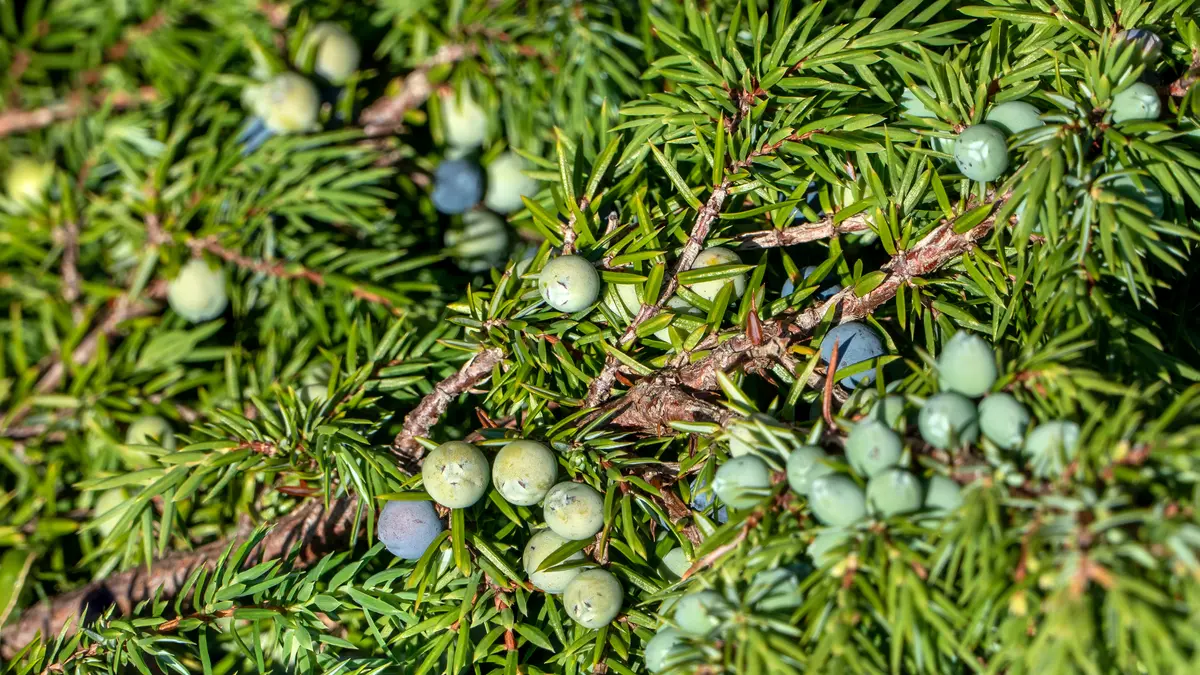
    Short answer: juniper berry essential oil is normally distilled from the ripe berry-like cones of Juniperus communis. Traditional medicinal use and laboratory research exist, but human clinical evidence is limited. The oil is not the same as eating culinary juniper berries or drinking gin, and it should not be swallowed as a home “detox” or urinary remedy.

    What is juniper berry oil?

    Junipers produce fleshy cones commonly called berries. A label should name Juniperus communis, identify the cones as the plant part and state steam distillation. Needle, branch and wood oils can have different compositions. Kew’s Plants of the World Online provides the botanical record for common juniper.

    Food flavouring is a different exposure from a concentrated essential-oil bottle. Evidence about gin, dried berries, tea or an extract cannot set a safe or effective dose for the oil.

    Chemical composition

    Alpha-pinene, sabinene, myrcene, limonene and other terpenes often appear in analyses, with large differences between samples. Research has documented geographic and compositional variation in juniper berry oils. Other analytical work has compared volatile profiles and experimental activity.

    Species, location, ripeness, storage and the distilled plant part all matter. A current chromatogram and a traceable source are therefore more useful than a generic claim that the oil is “pure”.

    Traditional urinary use

    The European Medicines Agency has published a herbal summary for juniper oil based on traditional use in minor urinary complaints. Traditional-use recognition means that a product has a long history under defined conditions; it is not the same as high-quality clinical proof of effectiveness.

    Urinary burning, blood in urine, fever, flank pain, pregnancy, recurrent symptoms or symptoms in a man or child need medical assessment. Essential oil should not delay diagnosis of infection, a kidney stone or another condition. Drinking extra water is not always appropriate for every heart or kidney condition, so even apparently simple advice may need personalisation.

    What does experimental research show?

    A laboratory study tested juniper-berry oil composition and antioxidant activity, including effects in yeast. Another experiment compared oils from different Spanish sources and tested their biological activity. Neither was a clinical review. Antimicrobial or antioxidant activity in these systems does not establish treatment of infection or inflammation in people.

    HealthWatchlist did not find a robust body of controlled human trials showing that juniper berry essential oil treats urinary infection, oedema, arthritis, digestive disease or anxiety.

    The word “detox” is especially unhelpful because it does not identify a substance, measurement or clinical endpoint. The liver and kidneys already process and remove many compounds. Increasing urine volume is not evidence that an essential oil removes unspecified toxins or improves organ function.

    Safety

    Traditional warnings around kidney disease and pregnancy are one reason not to improvise internal use. An EFSA assessment discusses juniper oil’s composition and safety for a specific animal-feed use; it should not be read as approval for human oral self-treatment.

    Terpene-rich oils can also irritate or sensitise skin, particularly after oxidation. Keep the cap closed, follow storage directions and replace oil that has changed markedly.

    • Do not swallow juniper berry oil or add it to water, food or capsules.
    • Do not use it as a substitute for assessment of urinary symptoms.
    • Avoid neat or large-area skin application.
    • Do not use during pregnancy or with kidney disease without appropriate clinical advice.
    • Diffuse briefly with ventilation and stop after irritation or breathing symptoms.
    • Keep the bottle away from children and pets.

    If urinary symptoms are being assessed, tell the clinician about any oils, supplements and over-the-counter products already used. Masking discomfort for a few hours does not show that the underlying cause has resolved.

    Buying checklist

    • Juniperus communis appears on the label.
    • The plant part is berry-like cones, not an unspecified “juniper”.
    • The origin, batch number and analysis are available.
    • The supplier distinguishes culinary use, traditional products and essential oil.
    • No detoxification, kidney-cleansing or infection-cure claim is made.

    My assessment

    Juniper berry oil has a clear botanical identity, a long flavour and fragrance history and some formally documented traditional use. Controlled human evidence is still limited, and internal self-treatment introduces avoidable uncertainty. It is best judged as a traceable aromatic ingredient rather than a detoxification or urinary cure.

    Juniper berry and urinary tract infection

    EMA traditional use concerns increased urine flow, not proven infection clearance; kidney and pregnancy restrictions remain relevant. See the detailed UTI evidence comparison for the research, limitations and appropriate care.

    Juniper berry and tinnitus

    Juniper research concerns rodent brain or anxiety models, sometimes using a different species. It does not establish a human tinnitus treatment. See the detailed evidence comparison for the studies, limitations and care context.

    Juniper berry and oily skin

    The small tonic study found lower early readings followed by a rise at two hours. Durable facial oil control with juniper berry oil remains unestablished. See the detailed evidence comparison for the primary studies, limitations and care context.

    References

    1. Kew Plants of the World Online search for Juniperus communis
    2. European Medicines Agency: Juniper oil herbal summary
    3. European Medicines Agency assessment addendum
    4. Composition and variation in juniper berry essential oils
    5. Analytical and experimental research on juniper oil
    6. Juniper-berry oil composition and antioxidant tests, including a yeast model
    7. Juniper oils from different Spanish sources: Composition and experimental bioactivity
    8. EFSA assessment discussing juniper oil composition and safety

    Editorial responsibility and correction note

    Editor: John Hamlen. This article has not been independently reviewed by a clinician.

    Reference correction, 12 September 2026: Changes in this check: Correct two original experiments described as reviews; Correct bibliographic description against source record. This was a targeted correction, not a comprehensive new review of every claim in this article.

    Read our editorial policy, evidence method and corrections policy, including how to report an error.

  • Cypress Essential Oil: Identity, Evidence and Safety

    Cypress Essential Oil: Identity, Evidence and Safety

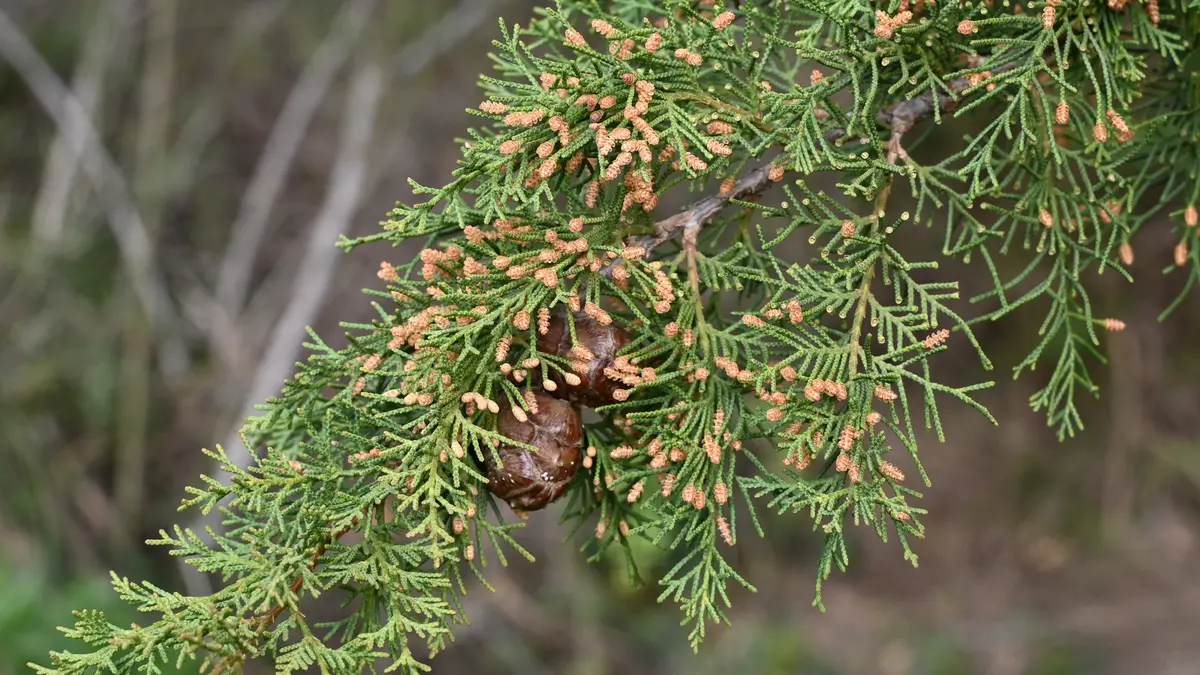
    Short answer: cypress essential oil is commonly steam-distilled from the leaves and twigs of Mediterranean cypress, Cupressus sempervirens. Its chemistry and laboratory activity are reasonably described, but good human evidence for treating cough, poor circulation, varicose veins, anxiety or infection is lacking.

    Identity and extraction

    “Cypress” is used for several trees and commercially named oils. A useful bottle identifies Cupressus sempervirens, the plant part, extraction method and origin. Kew’s Plants of the World Online provides the botanical record for Mediterranean cypress.

    The essential oil is usually distilled from leafy branches, cones or a defined mixture of aerial parts. Those materials are not necessarily chemically equivalent. A cypress hydrosol, cone extract, wood product and fragrance oil also answer different safety and evidence questions.

    What is in cypress oil?

    Monoterpenes such as alpha-pinene, delta-3-carene and limonene often feature in reported analyses, but proportions vary. A study of C. sempervirens oils documented composition alongside laboratory antimicrobial testing. Origin, season, plant organ and distillation can all affect the result.

    A batch chromatogram is therefore useful for identity and formulation. It is not a certificate of clinical benefit, and the presence of a familiar constituent does not prove that the whole oil has the same effect as that isolated chemical.

    Laboratory findings

    Laboratory research has examined antioxidant and antimicrobial activity of cypress material. More recent preliminary work has explored biological effects under experimental conditions. Other studies have assessed activity against selected viruses or microorganisms.

    These findings do not establish that diffused cypress oil prevents infection, that topical oil treats a fungal condition or that inhalation treats a respiratory illness. Test systems can use direct contact and concentrations that are unsuitable for normal human exposure. They are a reason to conduct better research, not a clinical recommendation.

    Circulation, veins and fluid retention

    Cypress oil is frequently promoted for circulation, varicose veins, cellulite and lymphatic drainage. HealthWatchlist did not find robust controlled human trials showing that the oil changes venous disease, oedema or lymphatic function. Massage may temporarily change comfort or the appearance of skin, but that does not show that the oil repairs veins.

    New one-sided leg swelling, warmth, redness, chest pain or breathlessness can require urgent assessment. An aromatherapy mixture must not delay investigation of a blood clot or other serious cause.

    Varicose veins are not simply a cosmetic surface problem, and oedema has many possible causes. A before-and-after photograph after massage cannot separate the effects of position, pressure, lighting and time. Claims about “moving toxins” do not provide a measurable vascular outcome.

    Stress and respiratory claims

    A woody aroma may be pleasant, and a familiar scent can support a relaxation routine. That subjective effect is not proof that cypress oil treats anxiety, insomnia or stress-related disease. Likewise, an odour that feels “clearing” does not show that airflow, oxygen levels or infection have improved.

    Safety

    Essential oils can irritate skin and trigger allergic contact dermatitis. A clinical review describes this problem across essential oils and fragrance constituents. Oxidised terpenes may be more sensitising, so careful storage matters.

    • Do not swallow cypress oil or add it to food, drinks or capsules.
    • Do not apply it neat or use it on broken or inflamed skin.
    • Prefer a finished cosmetic over an improvised skin blend.
    • Diffuse briefly at low intensity with ventilation.
    • Stop after irritation, rash, headache, nausea, coughing or wheeze.
    • Keep the bottle away from children and pets.

    People who are pregnant, breastfeeding, treating a child, using several medicines or living with asthma or fragrance allergy should obtain advice about the exact product and route.

    Store terpene-rich oils tightly closed and away from heat and direct light. Do not keep using a bottle that smells markedly different merely because it remains within a printed date. Storage after opening affects the material that reaches the skin.

    Buying checklist

    • Cupressus sempervirens is stated in full.
    • The leaf, twig or cone material is identified.
    • The origin, batch number and current analysis are available.
    • The supplier gives realistic storage and exposure directions.
    • Laboratory findings are not presented as proof of antiviral, antifungal or circulation treatment.

    My assessment

    Cypress oil has a recognisable fragrance and a useful body of chemical and laboratory research. Human treatment evidence is sparse. It is reasonable to judge it as an aromatic ingredient, while rejecting claims that it treats vascular, respiratory or infectious disease without controlled clinical evidence.

    Cypress and urinary tract infection

    The essential oil and methanol extract performed differently; the biofilm work included an intravenous-tube model, not patient UTI treatment. See the detailed UTI evidence comparison for the research, limitations and appropriate care.

    Cypress and tinnitus

    Cypress research on chemically induced external-ear swelling in rats does not establish treatment of tinnitus, hearing loss or inner-ear circulation. See the detailed evidence comparison for the studies, limitations and care context.

    References

    1. Kew Plants of the World Online search for Cupressus sempervirens
    2. Composition and laboratory antimicrobial activity of cypress oils
    3. Experimental study of cypress composition and biological activity
    4. Recent preliminary biological research on cypress
    5. Review of Cupressus sempervirens preparations and health research
    6. Further experimental study of C. sempervirens
    7. Clinical review of allergic contact dermatitis from essential oils
    Editorial responsibility and correction note

    Editor: John Hamlen. This article has not been independently reviewed by a clinician.

    Reference correction, 12 September 2026: Changes in this check: Correct bibliographic description against source record. This was a targeted correction, not a comprehensive new review of every claim in this article.

    Read our editorial policy, evidence method and corrections policy, including how to report an error.

  • Cinnamon Leaf Essential Oil: Eugenol, Evidence and Safety

    Cinnamon Leaf Essential Oil: Eugenol, Evidence and Safety

    Short answer: cinnamon leaf essential oil is not a milder name for cinnamon bark oil. It is distilled from leaves and is often rich in eugenol rather than cinnamaldehyde. Laboratory findings do not prove that it treats infection, and the concentrated oil can irritate or sensitise skin.

    Leaf and bark are different products

    A useful label states the species, plant part and extraction method. For true cinnamon leaf oil, that normally means Cinnamomum verum, leaves and steam distillation. A product labelled only “cinnamon oil” leaves an important question unanswered.

    An analytical study compared cinnamon leaf and flower oils; it did not compare leaf and bark oils. A separate study of cinnamon leaf oil reported a eugenol-rich profile. Plant part and chemical analysis therefore matter when interpreting a cinnamon-oil study.

    There can still be variation within leaf oils. Research on cinnamon chemotypes demonstrates that geography and plant material can change the volatile profile. A generic species certificate does not replace a current batch analysis.

    What does the evidence show?

    Cinnamon leaf oil and eugenol have been studied in laboratory antimicrobial, antioxidant and cell experiments. One laboratory study examined cinnamon leaf oil against virulence features of Candida. That is not a clinical trial of thrush, a skin infection or another condition.

    In-vitro experiments can identify a possible mechanism or candidate ingredient. They do not show whether the same concentration can reach infected tissue without irritation, whether the formulation remains stable, or whether it improves outcomes compared with standard care. HealthWatchlist did not find robust controlled human trials establishing cinnamon leaf essential oil as a treatment.

    Evidence about whole cinnamon, bark powder, oral extracts or eugenol used in a dental product cannot automatically be assigned to leaf oil. Different preparation, dose and route mean a different research question.

    The same rule applies to comparative laboratory headlines. If leaf oil performs differently from bark oil in a dish, the experiment may reflect their different dominant constituents. It does not tell a reader which oil to apply to a symptom or whether either can be used safely at the active concentration.

    Eugenol is active, but not automatically safe

    A scientific review of eugenol describes extensive experimental research as well as toxicological considerations. “Active” is not the same as safe at any concentration. Eugenol can irritate tissue and act as a contact allergen in susceptible people.

    A clinical review of essential-oil allergy explains how constituents and their oxidation products can cause allergic contact dermatitis. Repeated use and storage conditions may matter. A home patch test cannot guarantee that future exposure will be tolerated.

    Safer boundaries

    • Do not swallow cinnamon leaf oil or add it to food, drinks or capsules.
    • Do not apply it neat or place it inside the mouth, ear or nose.
    • Do not use it as a home treatment for toothache, thrush, acne or a wound.
    • Choose a properly formulated finished product for skin exposure.
    • Keep it away from children and pets.
    • Use short, ventilated diffusion rather than continuous room exposure.

    Stop use after burning, redness, rash, headache, coughing, wheeze or nausea. People with fragrance allergy, eczema or asthma should be particularly cautious. Seek individual professional advice during pregnancy, breastfeeding, childhood or significant medicine use.

    Keep the bottle tightly closed and away from heat and light. An altered smell, colour or consistency is a reason to stop using it. Adding an old oil to soap or a diffuser does not reverse oxidation or remove sensitising compounds.

    Buying checklist

    • Cinnamomum verum and “leaf” appear on the label.
    • The supplier states steam distillation and origin.
    • A current chromatographic report quantifies eugenol and cinnamaldehyde.
    • The product is distinguished from bark oil and cassia oil.
    • The directions do not encourage ingestion or undiluted application.
    • The seller does not call an in-vitro result proof of infection treatment.

    A low price is not useful if the plant part is unclear. Conversely, “therapeutic grade” is not a regulated chemical specification. Botanical identity, batch composition, traceability and restrained claims are better indicators.

    My assessment

    Cinnamon leaf oil is a distinct, usually eugenol-rich fragrance material. Its laboratory research is interesting but does not establish a household medicine. It may differ from bark oil, yet it still requires conservative handling because concentrated eugenol and other constituents can irritate or sensitise. Buy by species, plant part and batch analysis.

    Cinnamon leaf and relaxation

    Positive animal findings involved cinnamon bark inhalation or oral leaf oil from a particular Taiwanese cinnamon chemotype. Neither establishes relaxation from retail cinnamon leaf oil in people. See the detailed evidence comparison for the studies, limitations and care context.

    References

    1. Kew Plants of the World Online search for Cinnamomum verum
    2. Comparison of cinnamon leaf and flower oils
    3. Study of eugenol-rich cinnamon leaf oil
    4. Research on cinnamon chemotype variation
    5. Laboratory study of cinnamon leaf oil and Candida
    6. Scientific review of eugenol
    7. Clinical review of allergic contact dermatitis from essential oils

    Editorial responsibility and correction note

    Editor: John Hamlen. This article has not been independently reviewed by a clinician.

    Reference correction, 12 September 2026: Changes in this check: Correct the plant parts compared in the experiment; Correct bibliographic description against source record. This was a targeted correction, not a comprehensive new review of every claim in this article.

    Read our editorial policy, evidence method and corrections policy, including how to report an error.

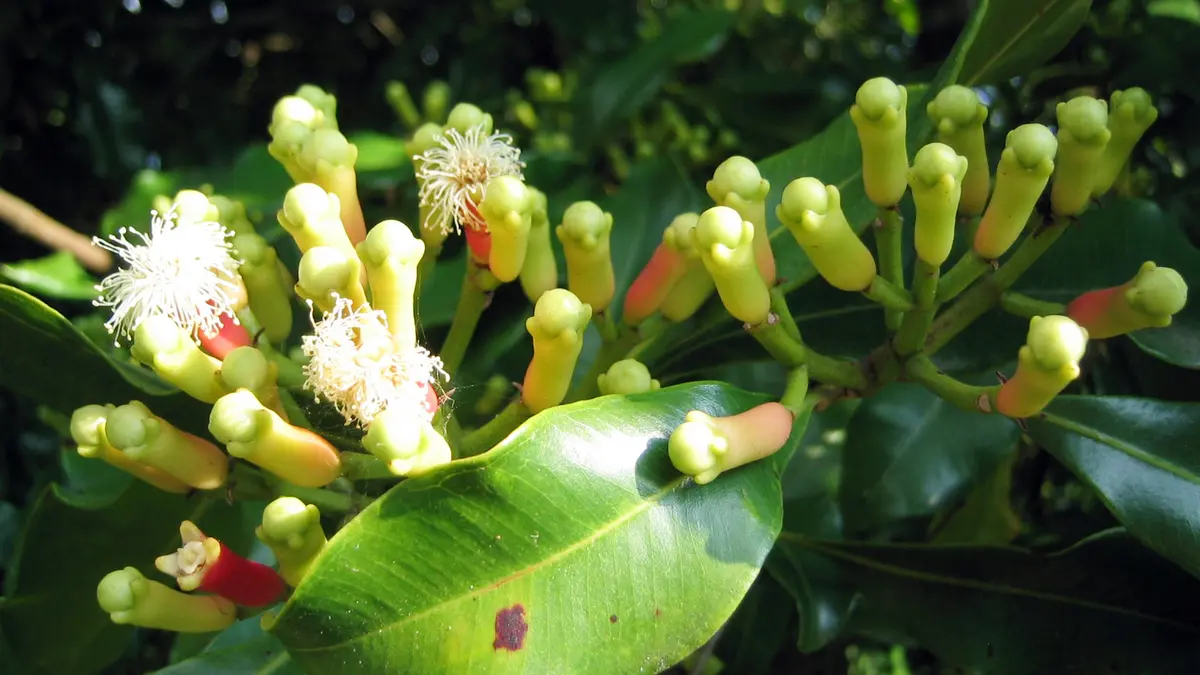
  • Clove Essential Oil: Dental Evidence, Eugenol and Safety

    Clove Essential Oil: Dental Evidence, Eugenol and Safety

    Short answer: clove essential oil is usually distilled from the flower buds of Syzygium aromaticum and is commonly rich in eugenol. It has credible laboratory activity and a history of dental use, but neat household oil is not a safe substitute for dental care or a licensed dental product.

    Clove bud, leaf or stem?

    Culinary cloves are dried flower buds. Commercial essential oil may be distilled from buds, leaves or stems, and those products can differ in composition and intended use. The label should state Syzygium aromaticum, the plant part and the extraction method. Kew’s Plants of the World Online provides the botanical record for the species.

    Eugenol is generally the principal constituent, but its proportion and the accompanying compounds vary. A scientific review describes eugenol’s chemistry, experimental activity and toxicological considerations. Evidence about isolated eugenol, however, is not automatically evidence about every clove-oil bottle.

    What is the recognised dental use?

    The European Medicines Agency assessment report reviews traditional medicinal use of clove oil, including temporary relief of toothache. Its accompanying monograph describes a narrowly defined traditional use, not proof that home application treats the cause of dental pain.

    Toothache may come from decay, a cracked tooth, gum disease or infection. Oil cannot repair those problems. Pain that persists, swelling, fever, difficulty swallowing or difficulty breathing needs prompt dental or medical assessment. Applying neat oil can injure oral tissue and may delay effective care.

    Laboratory evidence

    Laboratory research has reported antibacterial activity for clove oil and eugenol. Cell studies have also found cytotoxic effects at some concentrations. Both findings are relevant: a chemical concentration that damages microbes or cultured cells is not automatically suitable for living tissue.

    Laboratory studies can support further formulation research, but they do not show that swallowing clove oil treats infection, that a diffuser disinfects air or that neat application cures a fungal problem. Clinical effectiveness requires controlled human evidence for the exact product, route and outcome.

    Dental materials containing eugenol are prepared for a particular clinical purpose and placed in controlled amounts. Their use by a dentist does not validate repeated home soaking of a painful gum or tooth. The vehicle, concentration, contact time and health of the surrounding tissue all affect the result.

    Risks of concentrated clove oil

    Eugenol can irritate and sensitise skin and mucous membranes. Accidental swallowing can cause significant toxicity, particularly in children. Culinary use of a few whole cloves does not establish the safety of a bottle of concentrated volatile oil.

    A clinical review describes allergic contact dermatitis caused by essential oils and fragrance constituents. Oxidation and repeated exposure can influence risk. A brief home patch test cannot guarantee future tolerance.

    • Do not swallow clove oil or add it to food, drinks or capsules.
    • Do not apply neat oil to a tooth, gum, mouth ulcer or broken skin.
    • Use only a dental product made for oral use, within its instructions.
    • Keep the bottle locked away from children and pets.
    • Avoid large-area skin use and contact with eyes or mucous membranes.
    • Seek advice if you use anticoagulant or antiplatelet medicines, or have a bleeding disorder.

    If oil is swallowed, contact a poisons service or emergency medical service promptly. Do not induce vomiting. Take the labelled container to the telephone or appointment if it is safe to do so.

    After oral exposure, continuing pain, white or ulcerated tissue, swelling or difficulty swallowing needs assessment. Tooth pain that wakes someone, persists or returns also deserves dental care even if a temporary product reduces the sensation.

    Buying checklist

    • The Latin name and plant part are explicit.
    • A current batch analysis quantifies eugenol and other major constituents.
    • Oral directions appear only on a product specifically formulated and authorised for that route.
    • The seller does not equate laboratory antimicrobial activity with curing infection.
    • Warnings cover children, ingestion, skin and mucous-membrane exposure.

    My assessment

    Clove oil has a better documented traditional dental context than many essential oils, but that narrow history is routinely stretched into broader claims. It does not remove the need to diagnose toothache, and neat application is capable of harm. Treat it as a potent eugenol-rich ingredient, not as a household cure.

    Clove oil and snoring

    Clove bud appeared in a four-oil trial that measured post-COVID-19 fatigue. The mixture cannot identify a clove effect, and fatigue is not a snoring outcome.

    Read the clove comparison in our snoring guide for the formulation and outcome limits.

    Targeted evidence update: 14 September 2026. This section does not represent a new review of every claim on this profile.

    Reference: Hawkins J et al. Complementary Therapies in Medicine. 2022;67:102823.

    Clove and yeast infection

    Clove research includes animal infection models and an experimental blended gel. Neither establishes a safe vaginal treatment in people. See the detailed evidence comparison for the studies, limitations and appropriate care.

    Clove and urinary tract infection

    Clove studies use different products. Extract–antibiotic antagonism in one assay cautions against assuming that combinations are always helpful. See the detailed UTI evidence comparison for the research, limitations and appropriate care.

    Clove and fungal nails

    Clove laboratory activity can diminish over time; combination and Candida findings do not establish treatment of infected nails in people. See the detailed evidence comparison for the studies, limitations and appropriate care.

    Clove and plantar heel pain

    Clove-derived eugenol appeared in a mixed plantar-pain product, but clove was not isolated; a separate aroma headache trial found no significant between-group benefit. See the detailed plantar-fasciitis comparison for the studies, limitations and care context.

    Clove and sinus symptoms

    Clove oil reduced nasal-cell viability in a laboratory study. Antifungal drug-delivery research does not establish a safe clove-only sinus remedy. See the detailed sinusitis comparison for the preparations, findings and limitations.

    Clove and Lyme disease

    Clove bud oil prevented culture regrowth at one tested concentration, but bacteria regrew at a lower concentration. This is laboratory evidence, with no controlled human Lyme-treatment trial located. See the detailed evidence comparison for the studies, limitations and care context.

    References

    1. Kew Plants of the World Online search for Syzygium aromaticum
    2. European Medicines Agency assessment report on clove and clove oil
    3. European Medicines Agency monograph on clove oil
    4. Scientific review of eugenol
    5. Laboratory antibacterial research on clove oil and eugenol
    6. Laboratory cytotoxicity research involving clove oil
    7. Clinical review of essential-oil contact allergy

    Dental needle studies and toothache are different

    Evidence update: 13 September 2026.

    The adult clove-gel trial measured pain from needle sticks through the mouth lining. A newer paediatric comparison also concerned topical application before local anaesthetic. Neither establishes treatment of tooth decay or an abscess. A professional eugenol-containing material and a bottle of clove oil are not interchangeable.

  • Camphor Essential Oil: Chemotypes, Evidence and Poisoning Risk

    Camphor Essential Oil: Chemotypes, Evidence and Poisoning Risk

    Short answer: camphor-tree essential oil comes from Cinnamomum camphora, but oils from the species can have very different dominant constituents. Camphor itself can cause seizures and other serious poisoning after ingestion. The label and batch analysis matter, and the oil should not be used as a home oral remedy.

    One tree, several chemical profiles

    Cinnamomum camphora is an aromatic evergreen in the laurel family. The oil may be distilled from leaves, wood or other plant material. “White camphor oil”, “ho wood” and “ravintsara” are not reliable substitutes for a full botanical and chemical description.

    Research on C. camphora describes marked chemical variation and multiple chemotypes. Some material is rich in camphor, while other material may be dominated by linalool, 1,8-cineole or different constituents. Analyses of different plant tissues also show that the part distilled affects composition.

    This means that evidence or safety advice for one chemotype cannot automatically be applied to every bottle bearing the species name. A current batch report is more informative than a broad promise of “purity”.

    What has been studied?

    A broad review catalogues traditional uses, chemistry and experimental research on the camphor tree. Much of the activity literature involves isolated constituents, extracts, animals or cells. It is not a body of clinical proof for ordinary aromatherapy use.

    Camphor-containing topical medicines have been used as counterirritants and in vapour products. A regulated finished product with a stated concentration and age restriction is not equivalent to neat essential oil or a homemade chest rub. HealthWatchlist did not find robust trials showing that camphor-tree essential oil treats respiratory infection, chronic pain, inflammation or another defined disease.

    The familiar cooling or warming sensation is not a measurement of healing. Sensory effects can change how discomfort feels without changing its cause. A strong vapour can likewise create a subjective feeling of a clearer nose without demonstrating better airflow or treatment of infection.

    Why ingestion is dangerous

    Camphor is absorbed rapidly and can affect the brain. An evidence-based poisoning guideline describes the assessment and management of camphor exposure. Seizures can occur after ingestion, and a person may become unwell quickly.

    A recent clinical case report documents severe camphor toxicity. A study of paediatric exposures also shows why camphor products need secure storage. Case reports do not quantify the risk from a correctly used finished cosmetic, but they decisively rule out treating ingestion as a benign experiment.

    Putting camphor oil in the nostrils, mouth or on a child’s skin is not a safe way to manage congestion. Vapour does not kill a respiratory infection, and strong odours may irritate people with asthma or sensitive airways.

    Skin and inhalation safety

    Neat essential oil can irritate skin, and fragrance constituents can cause sensitisation. A clinical review explains allergic contact dermatitis associated with essential oils. A patch test at home cannot rule out later sensitisation and is not a substitute for a properly formulated product.

    • Never swallow camphor oil or add it to food, water or capsules.
    • Keep it locked away from children and pets.
    • Do not place it in or around the nostrils, particularly in babies and children.
    • Do not apply it neat, over damaged skin or under a dressing.
    • Use only products whose camphor concentration and age directions are explicit.
    • Stop inhalation after coughing, wheeze, headache, dizziness or nausea.

    If swallowed, contact a poisons service or emergency medical service promptly. Do not induce vomiting or delay while waiting for symptoms.

    Seizure risk means the exposed person should not be left alone or made to walk around. If a seizure occurs, protect them from injury, do not put anything in their mouth and follow emergency-service instructions. This is first-aid guidance for accidental exposure, not a suggested use of the product.

    Buying checklist

    • The exact botanical name, plant part and extraction method are stated.
    • The chemotype or major constituents appear on a current batch analysis.
    • The supplier distinguishes the oil from isolated camphor and from differently named commercial oils.
    • Child-safety and ingestion warnings are prominent.
    • Laboratory findings are not presented as proof that the oil treats infection or disease.

    My assessment

    Camphor-tree oil cannot be judged safely from the species name alone because composition varies. There is substantial experimental literature, but little reason to treat the oil as a proven medicine. For a camphor-rich product, poisoning risk is the decisive fact: avoid ingestion, keep it away from children and use only clearly labelled finished products within their directions.

    Camphor and jaw pain

    Trials of a blended ointment cannot identify this ingredient’s individual effect, and their pain outcomes are mixed. Our oil-specific evidence appraisal explains the studied preparation, comparison and limits. It also sets the claim alongside appropriate care.

    References

    1. Kew Plants of the World Online search for Cinnamomum camphora
    2. Chemical variation and chemotypes of C. camphora
    3. Composition of oils from different camphor-tree tissues
    4. Review of camphor-tree chemistry and research
    5. Evidence-based guideline for camphor poisoning
    6. Clinical case report of severe camphor toxicity
    7. Paediatric camphor exposures
    8. Clinical review of essential-oil contact allergy