Category: Oil Profiles

  • Myrrh Essential Oil: Resin, Evidence and Safety

    Myrrh Essential Oil: Resin, Evidence and Safety

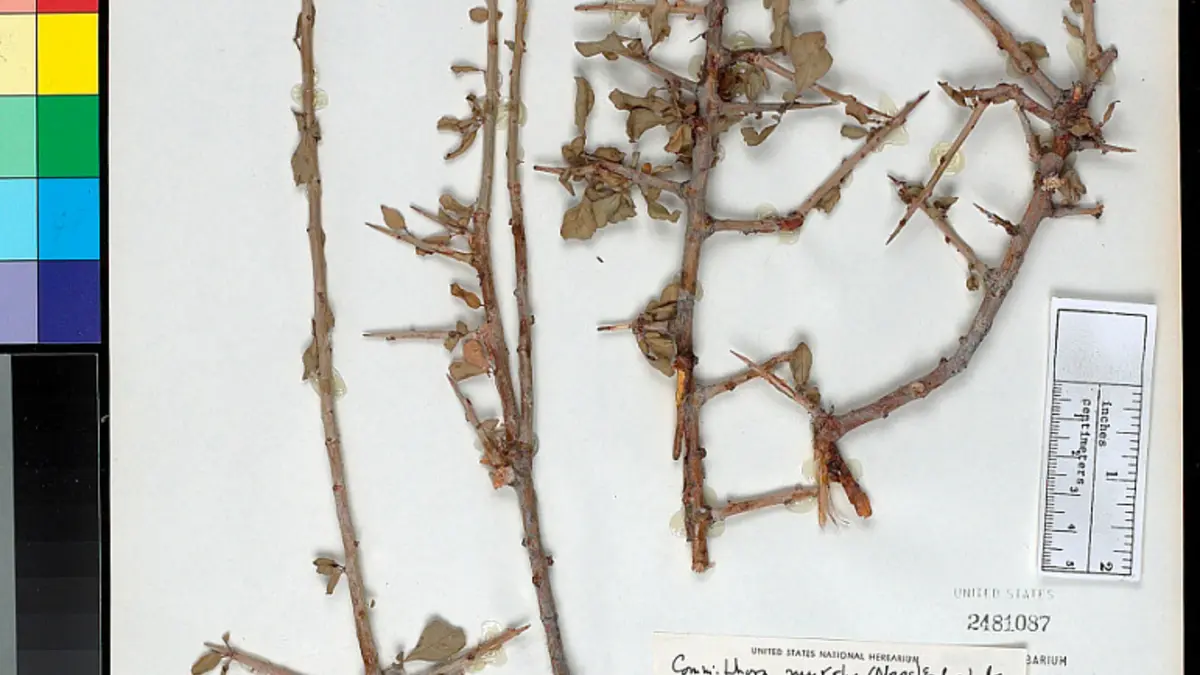
    Short answer: myrrh essential oil is distilled from the aromatic resin of Commiphora trees, most often Commiphora myrrha. Resin, tincture, extract and essential oil are different preparations. A long history in incense and traditional medicine does not by itself prove that the distilled oil treats infection, pain or oral disease.

    What is myrrh?

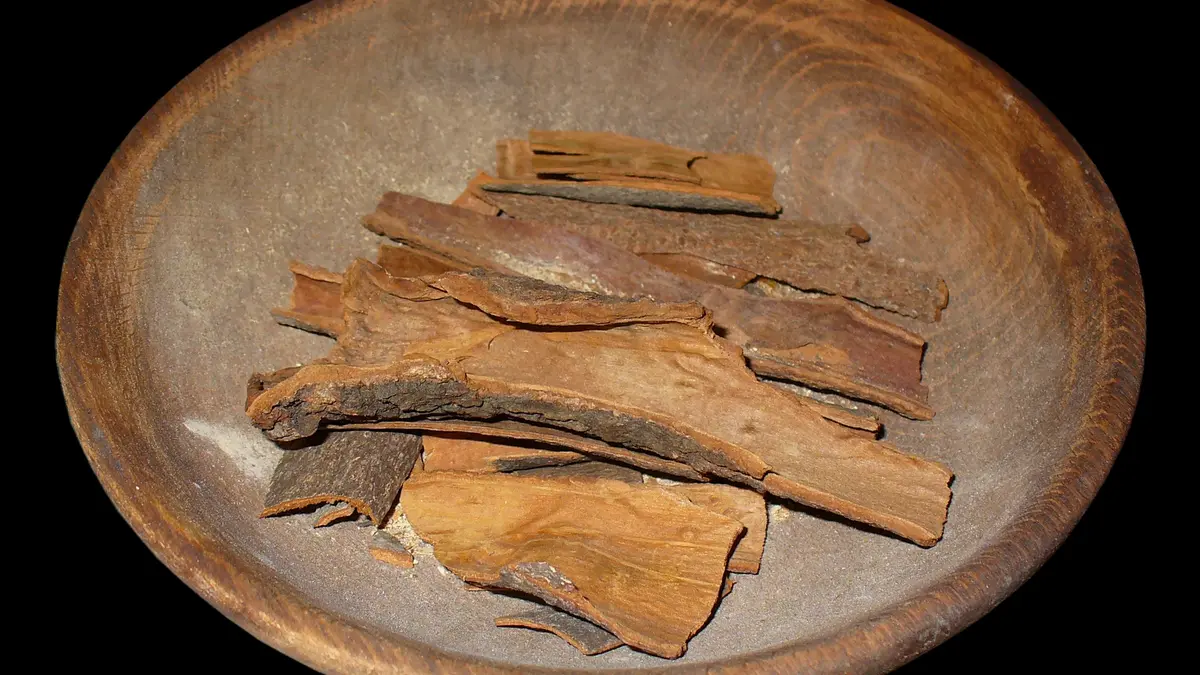
    Myrrh is a gum-resin released when the bark of certain Commiphora trees is damaged or tapped. It hardens into irregular “tears” that have been traded for fragrance, ritual and medicinal purposes for centuries. A historical and pharmacological review describes this long record, but also shows how many preparations have been grouped under the same name.

    The tree commonly associated with medicinal myrrh is Commiphora myrrha, although trade material can involve other species. Botanical identification and origin therefore matter, particularly when a product makes a specific chemical or therapeutic claim.

    Resin, oil and extract are not interchangeable

    Steam distilling the resin produces a volatile essential oil. Alcohol tinctures and other extracts carry a different range of compounds, while burning resin creates smoke and new combustion products. A review of myrrh chemistry and biological research includes multiple preparations; each result must be traced back to the substance actually tested.

    Myrrh oil is usually balsamic, earthy and smoky. Sesquiterpenes and furanosesquiterpenes contribute to its profile. Composition varies with species, origin, storage and distillation, so a generic list cannot authenticate a retail batch.

    Oral-care claims

    Myrrh appears in some mouthwashes and traditional oral products. Laboratory experiments have reported activity against selected microorganisms; one study tested bactericidal effects of myrrh preparations in vitro. That does not show that neat essential oil cures gum disease, an abscess or persistent bad breath.

    A finished mouth product has a defined formulation, contact time and warning label. Putting essential oil directly on gums may burn tissue and can delay diagnosis of decay, periodontal disease or infection. Persistent bleeding, swelling, pain, a loose tooth or facial swelling needs dental assessment.

    Wound, pain and infection claims

    A bibliometric study mapped publication patterns in frankincense and myrrh research. It describes the research landscape rather than pooling clinical treatment outcomes. Publication volume cannot establish that a home blend treats wounds or replaces an antimicrobial medicine.

    A wound is not an appropriate place to test an uncertain fragranced mixture. Irritation and allergic reactions can complicate healing, while infection may require cleaning, vaccination review, antibiotics or other care depending on the injury.

    Fragrance use

    Myrrh’s clearest role is aromatic. It is used as a warm base note in perfume and incense-style compositions. Brief diffusion can provide scent, but burning resin or incense adds smoke and fine particles; that should not be described as air purification. Ventilate and avoid smoke or strong fragrance around people with asthma or sensitivity.

    Safety

    Do not swallow myrrh essential oil. Evidence about a standardised medicine, mouthwash or traditional resin preparation does not define a safe oral dose for a retail oil. Avoid neat application, the eyes, mucous membranes and broken skin. Stop after burning, rash or swelling.

    Pregnancy is a reason for particular caution because reliable safety data for concentrated myrrh oil are lacking and traditional sources have sometimes attributed uterine effects to myrrh preparations. Keep it out of reach of children and animals. Seek prompt poisons advice after accidental ingestion.

    Buying checks

    • Full species name and resin as the source material.
    • Steam distillation stated if the product is sold as essential oil.
    • Country of origin, batch number and analytical report.
    • No suggestion that resin history proves the distilled oil cures infection.
    • No instruction to apply neat oil inside the mouth or to a wound.

    My assessment

    Myrrh is culturally important and chemically interesting, but its evidence is frequently inflated by merging resin, extracts, mouthwashes and essential oil. I would use the distilled oil for fragrance only. Dental symptoms, wounds and infections deserve established care, not a concentrated home remedy supported mainly by laboratory results.

    What would stronger evidence look like?

    An oral-care study would identify the Commiphora species, preparation and concentration, then compare a standardised finished product with established care. It would measure clinical outcomes such as inflammation or healing, not only microbial growth in a dish, and report mucosal irritation. Wound research would need an equally clear diagnosis, formulation, safety protocol and follow-up. Evidence for tincture or resin cannot fill those gaps for distilled oil.

    Myrrh and psoriasis

    Myrrh water extract has psoriasis-like cell-model findings, with some null results and toxicity at the highest tested concentration. This is not evidence that distilled myrrh oil treats human plaques. See the detailed evidence comparison for the primary studies, limitations and care context.

    Myrrh and rashes

    Myrrh has laboratory itch-mediator findings, but no controlled general rash-treatment trial was located. Published contact-allergy reports and differences between resin extracts and oil are important limitations. See the detailed evidence comparison for the primary studies, limitations and care context.

    Myrrh and wrinkles

    Myrrh evidence consists chiefly of laboratory lipid and cell experiments. Collagen markers, guggul extracts and yeast UV tests do not establish human wrinkle improvement. See the detailed evidence comparison for the primary studies, limitations and care context.

    Sources

    Editorial responsibility and correction note

    Editor: John Hamlen. This article has not been independently reviewed by a clinician.

    Reference correction, 12 September 2026: Changes in this check: Distinguish publication mapping from clinical evidence synthesis; Correct bibliographic description against source record. This was a targeted correction, not a comprehensive new review of every claim in this article.

    Read our editorial policy, evidence method and corrections policy, including how to report an error.

  • Ylang-Ylang Essential Oil: Fractions, Uses and Evidence

    Ylang-Ylang Essential Oil: Fractions, Uses and Evidence

    Short answer: ylang-ylang essential oil is distilled from the flowers of Cananga odorata. Its strongest established use is fragrance. Distillation fractions can differ substantially, so “ylang ylang extra”, numbered fractions and complete oil are not interchangeable in research or formulation.

    Botanical identity

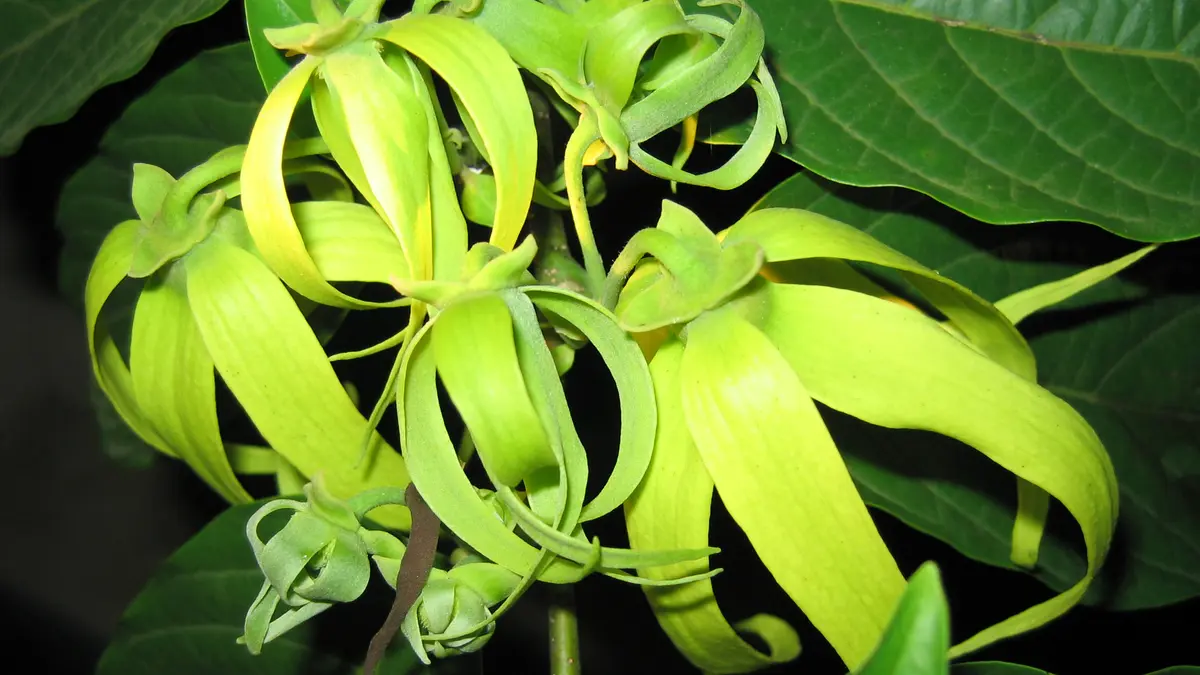
    Cananga odorata is a tropical tree in the custard-apple family, Annonaceae. Its intensely fragrant flowers are distilled for perfumery in several regions, notably the Comoros, Madagascar and parts of South-east Asia. The name ylang ylang may also appear with a botanical variety on technical documents.

    The full name matters because “cananga oil” can refer to related commercial material produced under different distillation conditions. A perfume name on the front of a bottle is not enough to establish botanical identity.

    How the fractions are made

    Ylang-ylang flowers undergo a long steam or water distillation. Producers may collect the distillate in stages. Early, more volatile fractions are commonly sold as Extra or Extra Superior, followed by fractions I, II and III. “Complete” oil may be a continuous whole distillation or a recombination intended to represent it.

    These fractions smell and analyse differently. Early material tends to be rich in highly fragrant oxygenated compounds, while later fractions contain more sesquiterpenes. A research result or safety limit for one specified product should not be assigned automatically to every ylang-ylang bottle.

    What is it used for?

    The defensible use is fragrance in fine perfume, cosmetics, soap and room scent. The oil can contribute floral, creamy, spicy and balsamic notes. Its intensity means that a small amount may dominate a blend, and more is not necessarily more pleasant.

    Traditional-use accounts and aromatherapy marketing also describe relaxation, lowered blood pressure, sexual effects, skin benefits and antidepressant action. A review of ylang ylang’s traditional uses and research catalogues many of these ideas, but much of the supporting evidence is preclinical, small or based on outcomes that do not establish treatment of a diagnosed condition.

    Relaxation and blood-pressure claims

    A pleasant aroma may help someone create a restful setting. Small inhalation experiments have reported changes in subjective calmness or physiological measurements, but scent preferences, expectation, blinding and short follow-up complicate interpretation. A brief change during an aroma session is not evidence that ylang ylang treats an anxiety disorder.

    It should never be presented as a way to manage high blood pressure. Blood pressure varies naturally and can fall while someone sits quietly. Demonstrating treatment would require robust trials with a defined oil, dose, comparator, repeated measurements and clinically meaningful follow-up. Prescribed medicines should not be altered because a diffuser feels calming.

    Skin and hair claims

    Ylang ylang is sometimes marketed for oily skin, acne and hair growth. I could not identify strong controlled human evidence that the essential oil treats these conditions. Antimicrobial or antioxidant tests in a laboratory do not establish that a fragranced cosmetic improves skin without irritation.

    The oil is a recognised fragrance sensitisation concern. A safety assessment reports human sensitisation associated with ylang-ylang oil. Someone can enjoy the smell and still develop allergic contact dermatitis after repeated exposure.

    Safe use

    Use a finished cosmetic within its instructions or keep home use conservative. Do not apply undiluted oil, and avoid eyes, lips, broken skin and improvised intimate products. A patch test cannot guarantee that sensitisation will never develop. Stop after persistent redness, itching, swelling or blistering.

    Diffuse briefly in a ventilated room. Headache, nausea, dizziness, coughing or irritation are reasons to stop. Do not swallow the oil. Keep it where children and animals cannot reach the bottle or a filled diffuser.

    Buying checks

    • Cananga odorata and the flower as the plant part.
    • The fraction (Extra, I, II, III or Complete) clearly stated.
    • Country of origin, batch number and analytical report.
    • A complete ingredient list if the product is diluted or blended.
    • No promise to treat hypertension, depression, anxiety, acne or hair loss.

    My assessment

    Ylang ylang is an important perfume material, not a clinically established multi-purpose treatment. Its fraction and composition deserve more attention than romantic marketing language. I would choose it for aroma, use little, and take its allergy potential seriously.

    What would stronger evidence look like?

    A convincing relaxation study would identify the distillation fraction and batch, use a credible comparison aroma and register the outcome in advance. It would separate a temporary subjective response from treatment of a diagnosed condition. A blood-pressure claim needs repeated, clinically interpreted measurements and follow-up, not one reading after quiet rest. Skin research must compare complete formulations and report allergy as well as the desired effect.

    Ylang ylang and PMS

    A small labour trial reported pain relief but no anxiety benefit; a workplace fragrance-blend trial found no significant anxiety change. Neither establishes ylang ylang for PMS or hormone regulation. See the detailed evidence comparison for the studies, limitations and care context.

    Sources

  • Eucalyptus Essential Oil: Identity, Evidence and Safety

    Eucalyptus Essential Oil: Identity, Evidence and Safety

    Short answer: eucalyptus essential oil is not one uniform oil. Products may come from Eucalyptus globulus, E. radiata, E. polybractea or other species, and are often rich in 1,8-cineole. The vapour can feel cooling or make breathing feel different, but that is not proof that it opens blocked airways or treats an infection.

    Which eucalyptus?

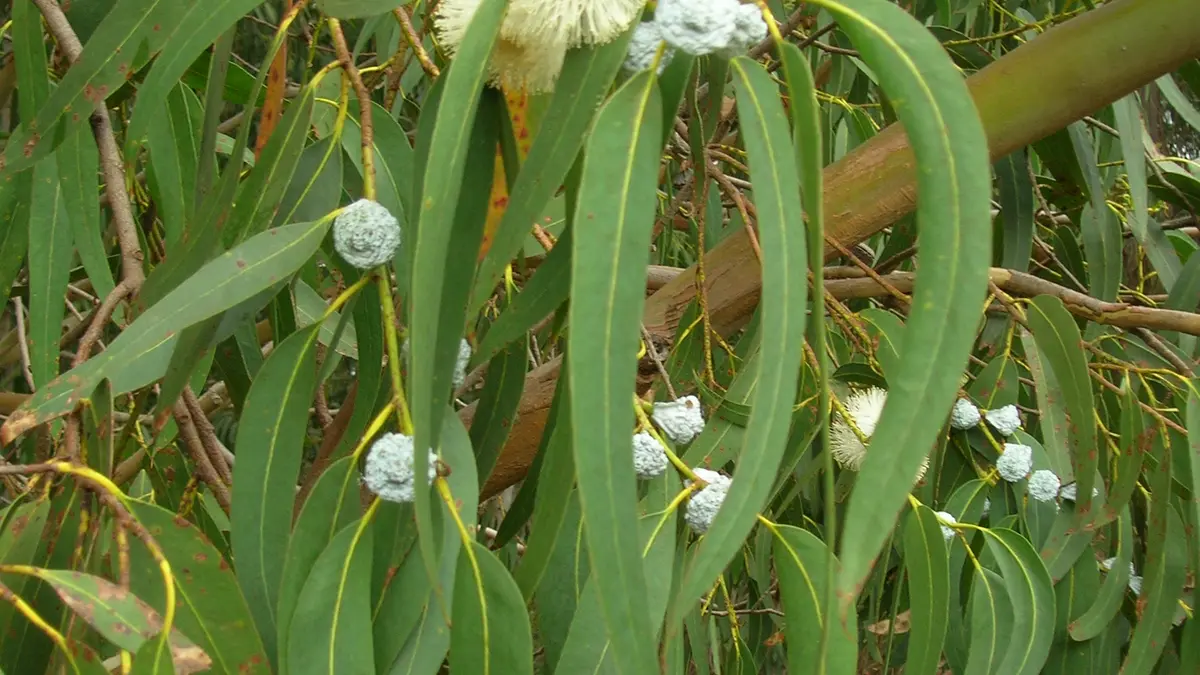
    “Eucalyptus oil” is a commercial category as well as a common name. The European Medicines Agency’s herbal-oil material covers oils obtained from selected cineole-rich species, including Eucalyptus globulus, E. polybractea and E. smithii. Eucalyptus radiata is also widely sold in aromatherapy.

    Lemon eucalyptus is a separate source. Products bearing that name commonly come from Corymbia citriodora and have a citronellal-rich, lemony profile rather than the cineole-dominant smell of many medicinal-style eucalyptus oils. The botanical name is essential if the intended use or safety assessment depends on composition.

    Extraction and chemistry

    The volatile oil is steam-distilled from leaves and sometimes terminal branches. It may be rectified to increase the proportion of 1,8-cineole, also called eucalyptol. A recent review describes the wide chemistry and research literature around eucalyptus oils, but a review of the genus should not be read as evidence that every species or retail bottle behaves identically.

    Storage matters. Light, oxygen and heat can change an oil after bottling. A credible supplier identifies the species, plant part and batch and provides an analysis rather than promising that all eucalyptus oil is “therapeutic grade”.

    Congestion and cough claims

    Eucalyptus has a long history in inhaled and topical cold products. The EU herbal monograph recognises specified traditional uses for certain preparations. “Traditional use” means long-standing use judged plausible under stated conditions; it is not the same as strong clinical proof that diffusing an arbitrary bottle treats a cold.

    The sensation of cool or aromatic airflow can alter how open the nose feels without measurably reducing obstruction. That distinction is familiar from menthol research and matters for eucalyptus too. A scent may make a person feel that breathing is easier while the cause, whether mucus, inflammation, asthma or infection, remains.

    Human studies of oral cineole medicines, combination products or chest rubs should not be transferred automatically to neat essential oil or a household diffuser. Dose, route, formulation and regulation differ.

    Antimicrobial and air-cleaning claims

    Laboratory experiments have reported antimicrobial effects from eucalyptus oils. They identify possible activity at defined concentrations and contact times. They do not show that a diffuser disinfects a room, prevents respiratory infection or reaches a germ-killing airway concentration safely.

    A diffuser also releases volatile compounds and particles into occupied air. Ventilation, cleaning and established infection-control measures are more reliable than trying to medicate a room with fragrance.

    Safety

    Concentrated eucalyptus oil can be poisonous if swallowed. US Poison Control describes serious effects after eucalyptus-oil ingestion, including drowsiness, seizures and breathing problems. Keep bottles and filled diffuser reservoirs locked away from children. After ingestion, contact a poisons service promptly rather than inducing vomiting or waiting for symptoms.

    Do not put undiluted oil in the mouth, nostrils or ears. Avoid the eyes and damaged skin. Inhalation can trigger coughing, wheeze, headache or irritation, particularly in someone with asthma or fragrance sensitivity. Stop and move to fresh air if symptoms appear. Extra caution is appropriate around babies, young children and animals.

    Buying checks

    • Full botanical name, not just “eucalyptus”.
    • Leaf as the plant part and steam distillation or rectification stated.
    • A batch-specific report showing the major constituents.
    • Child-resistant storage and clear warnings against swallowing.
    • No claim that aroma proves decongestion or that diffusion disinfects occupied air.

    My assessment

    Eucalyptus oil is a well-characterised aromatic material with recognised traditional uses in defined products. That does not make every home recipe effective or safe. I would use it only for brief fragrance use or in a finished, correctly labelled product, never swallow it, and treat breathing difficulty as a medical symptom rather than a cue to add more oil.

    What would stronger evidence look like?

    A respiratory trial must distinguish a change in perceived airflow from an objective change in obstruction, symptoms or recovery. It should identify the eucalyptus species, cineole content, route and dose and compare the complete preparation with a credible control. For an air-disinfection claim, researchers would need realistic occupied-room conditions, target organisms, ventilation, safe human exposure and meaningful infection outcomes. A petri-dish inhibition zone cannot answer either question.

    Eucalyptus oil and snoring

    In a randomised experiment in healthy adults, inhaled eucalyptus did not improve measured spirometry. These waking tests cannot establish treatment of airway narrowing during sleep.

    Primary research and its reported outcomes.

    Read the eucalyptus comparison in our snoring guide for the evidence limits, other formulations and signs that need assessment.

    Targeted evidence update: 14 September 2026. This section does not represent a new review of every claim on this profile.

    Reference: Köteles F et al. Inhaled peppermint, rosemary and eucalyptus essential oils do not change spirometry in healthy individuals. Physiology & Behavior. 2018;194:319–323. doi:10.1016/j.physbeh.2018.06.022.

    Eucalyptus and jaw pain

    Trials of a blended ointment cannot identify this ingredient’s individual effect, and their pain outcomes are mixed. Our oil-specific evidence appraisal explains the studied preparation, comparison and limits. It also sets the claim alongside appropriate care.

    Eucalyptus and toothache

    Eucalyptus oil reduced bacterial growth and biofilms in a laboratory. The experiment did not establish toothache relief, infection clearance or safe oral treatment in people. See the detailed evidence comparison for the studies, limitations and care context.

    Eucalyptus and PMS

    Eucalyptus studies concern rheumatoid-arthritis pain and procedural anxiety, not cyclical PMS. Some benefits were delayed or belonged to isolated cineole; the procedural trial found no significant between-group pain difference. See the detailed evidence comparison for the studies, limitations and care context.

    Eucalyptus and eczema

    Human eczema studies tested moisturisers containing eucalyptus extract plus a ceramide-like ingredient. Cosmetic oil blends and animal allergy experiments do not establish bottled eucalyptus oil as eczema treatment. See the detailed eczema evidence comparison for the studies, limitations and care context.

    Sources

    Cineole capsules do not validate every eucalyptus preparation

    Evidence update: 13 September 2026.

    A placebo-controlled trial found short-term symptom benefits from formulated cineole capsules in acute non-purulent rhinosinusitis. This does not establish equivalent benefit from inhaled eucalyptus oil. EMA also distinguishes eucalyptus oil from isolated cineole. Do not swallow aromatherapy oil to imitate a medicinal capsule.

  • Grapefruit Essential Oil: Uses, Evidence and Phototoxicity

    Grapefruit Essential Oil: Uses, Evidence and Phototoxicity

    Short answer: grapefruit essential oil is usually expressed from the peel of Citrus × paradisi. It is valued mainly for fragrance. Expressed citrus oils may contain light-reactive compounds, while evidence about eating grapefruit or drinking its juice does not automatically apply to smelling or applying the peel oil.

    Botanical identity and extraction

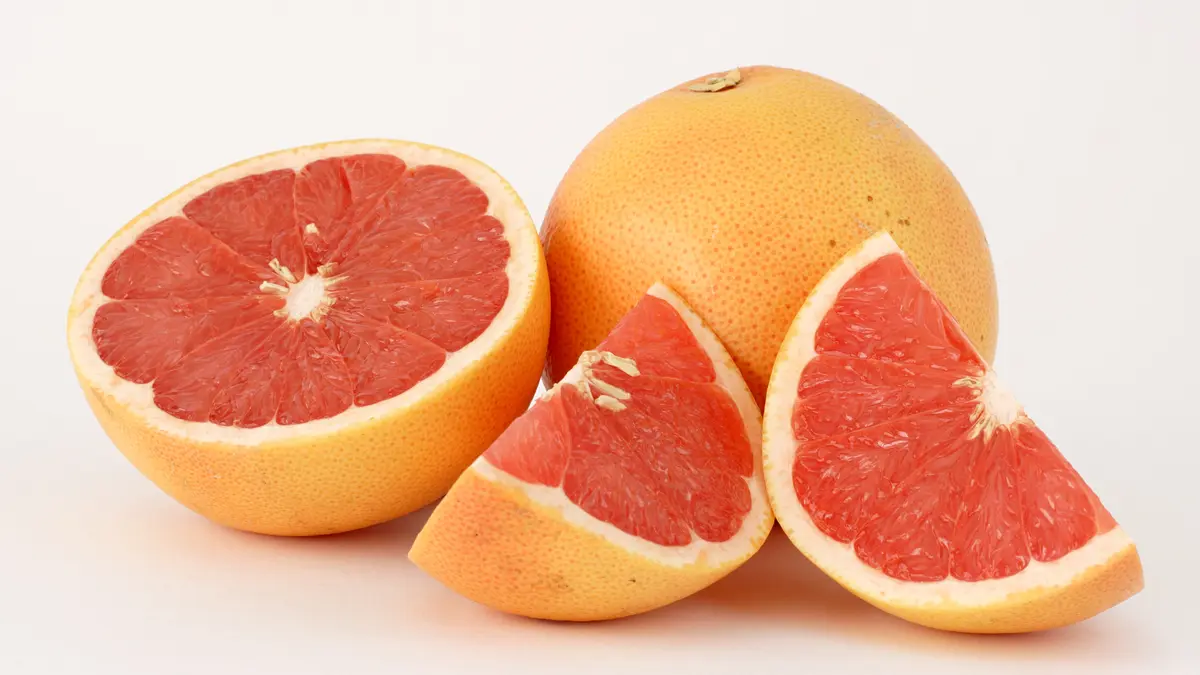
    Grapefruit is a citrus hybrid generally known as Citrus × paradisi. Commercial oil is commonly obtained by mechanically expressing the coloured outer peel during juice processing. A steam-distilled grapefruit oil is also possible, but it is a chemically different material because less volatile peel compounds do not all pass through distillation.

    A review of grapefruit chemistry and pharmacology describes limonene as a major volatile constituent and also covers many non-volatile substances present elsewhere in the fruit. This breadth is precisely why “grapefruit research” cannot be treated as a single category.

    Aroma and composition

    The expressed oil has a fresh, bitter-sweet citrus smell. Limonene is usually dominant, with smaller constituents shaping the recognisable grapefruit character. Variety, fruit maturity, processing, storage and oxidation all alter the final profile.

    A label should state the botanical name, peel as the plant part and whether the oil was expressed or distilled. “Pink grapefruit” may describe the cultivar or aroma, but it does not replace those facts. A batch number and current chromatogram provide more useful evidence of identity than an unregulated purity slogan.

    Mood, weight and “detox” claims

    Grapefruit oil is promoted for alertness, appetite control, fat burning, lymphatic drainage and detoxification. I could not identify persuasive human evidence that inhaling or applying the essential oil produces meaningful weight loss. Animal or laboratory work on isolated constituents does not establish that a room scent changes human energy balance.

    A fresh aroma may be enjoyable and may fit a person’s morning routine. That subjective use is different from treating depression, suppressing appetite or altering metabolism. “Detox” has no useful meaning here unless a specific substance, measurement and elimination pathway are identified.

    Grapefruit and medicine interactions

    The US Food and Drug Administration warns that grapefruit juice can change the levels of certain medicines. The best-known interactions involve non-volatile furanocoumarins in juice and fruit products. This does not prove that ordinary inhalation of grapefruit peel oil causes the same interaction.

    It also does not make swallowing an essential oil sensible. Retail oils vary, oral dosing is not established for home aromatherapy and a product may contain constituents or additives not characterised by food-interaction research. Anyone taking a medicine with a grapefruit warning should ask a pharmacist about the actual product and route rather than rely on a blanket internet claim that the oil is either always dangerous or always exempt.

    Phototoxicity

    Some expressed citrus oils contain furanocoumarins that can increase the skin’s reaction to ultraviolet light. The risk depends on the species, extraction, composition, concentration and UV exposure. A steam-distilled oil may differ, and some commercial oils are processed to reduce phototoxic constituents.

    Do not assume that a home dilution is safe in sunlight merely because it smells weak. Follow the finished product’s sun-exposure warning and do not use an uncertain expressed oil on skin before sunbathing or a tanning device. Redness, burning or blistering after oil and UV exposure needs appropriate medical advice.

    Other safety points

    Limonene-rich oils oxidise in air. Oxidised material is more likely to cause skin sensitisation, so keep the bottle tightly closed, cool and away from light and discard it if its smell or texture has clearly changed. Avoid neat application, eyes, lips, broken skin and ingestion. Diffuse briefly with ventilation and stop after irritation, headache or nausea.

    Buying checks

    • Citrus × paradisi and peel stated.
    • Expressed or steam-distilled extraction identified.
    • A clear phototoxicity statement for topical use.
    • Batch and storage information.
    • No promise to burn fat, detox the body or replace treatment for low mood.

    My assessment

    Grapefruit oil is most defensible as a fragrance. Its health claims are commonly built by mixing research on juice, whole fruit, isolated constituents and essential oil. I would keep those preparations separate, take expressed-oil phototoxicity seriously and ask a pharmacist about medicines rather than extrapolate from either reassuring or alarming marketing.

    What would stronger evidence look like?

    A trial of a weight, mood or skin claim would need to identify expressed or distilled oil, analyse the batch and measure the actual outcome over a suitable period. It should not use limonene research as a substitute for the complete product. A topical study must record ultraviolet exposure and reactions, while medicine-interaction research would need to test the specific route and furanocoumarin content rather than infer risk from grapefruit juice.

    Grapefruit oil and snoring

    Brief waking exposure increased diastolic blood pressure and sympathetic activity in small human experiments. The studies did not test sleep or snoring.

    Read the grapefruit comparison in our snoring guide for the findings and their limits.

    Targeted evidence update: 14 September 2026. This section does not represent a new review of every claim on this profile.

    References: Kawai E et al. Journal of Physiological Sciences. 2020;70:2; Kawai E et al. Heliyon. 2025;11:e42766.

    Grapefruit and jaw pain

    Grapefruit’s reported colonoscopy benefit concerned abdominal discomfort in an anxious subgroup. It does not establish relief of TMD pain or teeth grinding. See the detailed evidence comparison for the studies, limitations and care context.

    Sources

  • Coffee Essential Oil: What Is in the Bottle?

    Coffee Essential Oil: What Is in the Bottle?

    Short answer: “coffee essential oil” is not one standard product. The name may describe a pressed roasted-bean oil, a carbon-dioxide extract, an absolute, a volatile fraction recovered during processing or a fragrance blend. Check what was extracted, from which species and by which method before judging any claim.

    Why the name is confusing

    Coffee aroma comes from hundreds of volatile compounds created or altered during roasting. However, coffee beans also contain a substantial non-volatile lipid fraction. Pressing roasted beans therefore produces a fixed oil, not an essential oil in the usual steam-distilled sense.

    Suppliers may use “coffee essential oil” as a convenient retail phrase for several materials:

    • pressed green- or roasted-coffee oil;
    • a supercritical carbon-dioxide extract;
    • a solvent-extracted absolute;
    • a recovered volatile aroma fraction;
    • a synthetic or mixed fragrance oil.

    These products differ in volatility, caffeine content, skin feel and composition. A safety sheet or INCI name is more reliable than the front label.

    Botanical and commercial identity

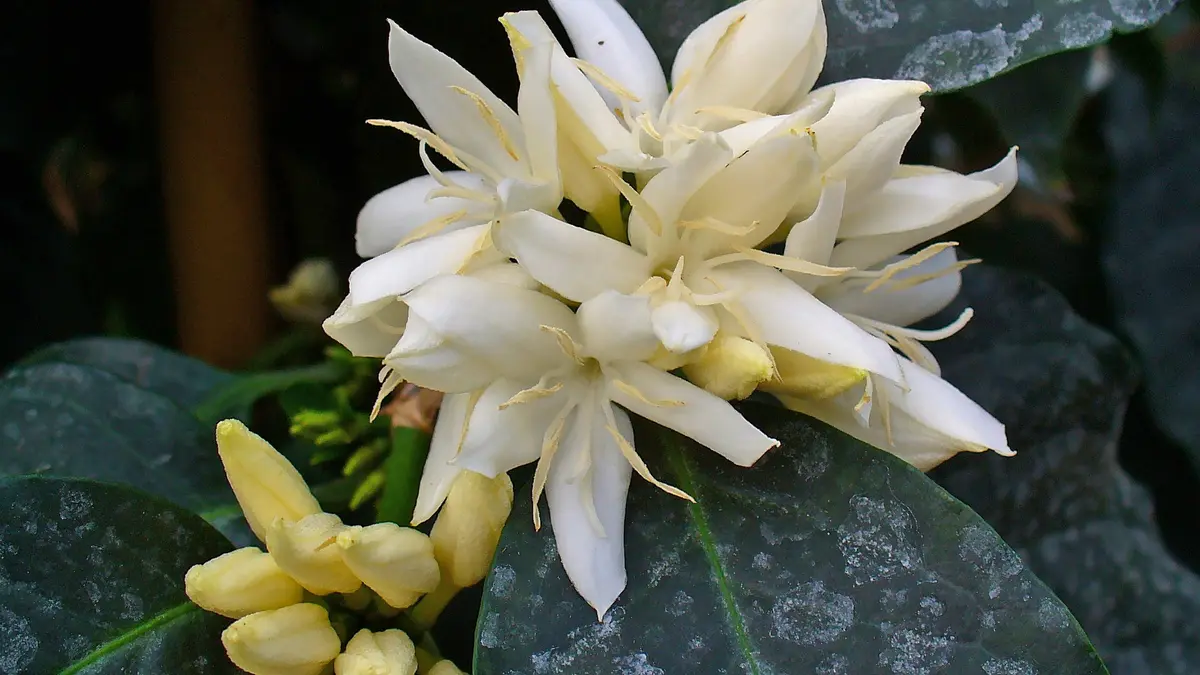
    Coffea arabica and Coffea canephora are the two principal commercial species. Their beans, growing conditions and roasting profiles produce different chemical patterns. Genomic research on arabica coffee also underlines that the familiar crop has a complex hybrid origin; the species name remains useful product information rather than decorative Latin.

    A good label should identify the species, bean state, extraction method and whether the ingredient has been diluted. If the product is a fragrance composition, it should say so. There is nothing inherently wrong with a fragrance oil, but it should not be sold as an unmodified botanical distillate.

    Extraction changes the product

    A review of coffee-oil extraction methods describes pressing, solvent extraction, supercritical fluids and newer techniques. Yield and composition change with the method. A carbon-dioxide extract may retain heavier aromatic and lipid-soluble material that steam would not carry.

    Analytical work on coffee volatile compounds shows the complexity created by variety, processing and roasting. It is therefore misleading to assign one universal composition or effect to every bottle called coffee oil.

    Claims about alertness and mood

    The smell of coffee can be pleasant, familiar and associated with waking or taking a break. That does not make an inhaled coffee product equivalent to drinking a measured dose of caffeine. Caffeine is far less volatile than the aroma compounds responsible for coffee’s smell, and the amount, if any, depends on the extraction.

    Studies of coffee drinking examine a complex beverage and often focus on caffeine or long-term dietary patterns. They cannot show that diffusing coffee aroma improves concentration, treats fatigue or produces the health associations observed with beverage consumption. Any such claim needs research on the same aromatic product, route and outcome.

    Skin and hair claims

    Coffee oils and extracts are marketed for cellulite, hair growth, under-eye darkness and antioxidant skincare. Some cosmetic ingredients can act as emollients, and laboratory assays may measure antioxidant activity. Neither result demonstrates a visible clinical benefit from an unspecified “coffee essential oil”.

    Research on topical caffeine is not automatically evidence for coffee oil: a formulation with a measured concentration of purified caffeine is a different intervention. Roasted-bean oil may also colour fabric or skin products and carries an aroma that oxidises over time.

    Practical use and safety

    Coffee aroma is a reasonable perfumery or room-fragrance choice when the product is intended for that use. Follow the supplier’s instructions and ventilate. Do not put a fixed oil into a water diffuser unless the device manufacturer permits it; heavy oils can leave residue or damage a mechanism.

    For skin, use a finished cosmetic with a full ingredient list rather than assuming that “edible origin” means allergy-free. Coffee can be combined with carrier oils, solvents or added fragrance, so the complete formulation matters. Stop after irritation. Do not swallow a concentrated aromatic extract simply because brewed coffee is a food.

    My buying checklist

    • Species: Coffea arabica, C. canephora or a stated blend.
    • Bean state: green or roasted.
    • Extraction: pressed, carbon-dioxide extracted, solvent extracted or another defined method.
    • Product class: fixed oil, extract, absolute or fragrance.
    • A batch number, full ingredients and instructions for the intended route.

    My assessment

    Coffee-derived oils and extracts can be attractive fragrance or cosmetic ingredients, but the name “coffee essential oil” hides too much. Buy only when the method and product class are clear. I would not use beverage research, caffeine studies or laboratory antioxidant tests as proof that an aromatic coffee product treats fatigue, skin ageing or hair loss.

    What would stronger evidence look like?

    Research should first define the ingredient: species, green or roasted bean, extraction, caffeine content and full chemical profile. A cosmetic trial would compare otherwise identical formulations and measure a pre-specified visible or instrumental outcome. An alertness trial would measure exposure rather than infer it from coffee smell. Without those basics, two studies labelled “coffee oil” may be testing materials that share little beyond their source plant.

    Sources

  • Carrot-Seed Essential Oil: Identity, Claims and Safety

    Carrot-Seed Essential Oil: Identity, Claims and Safety

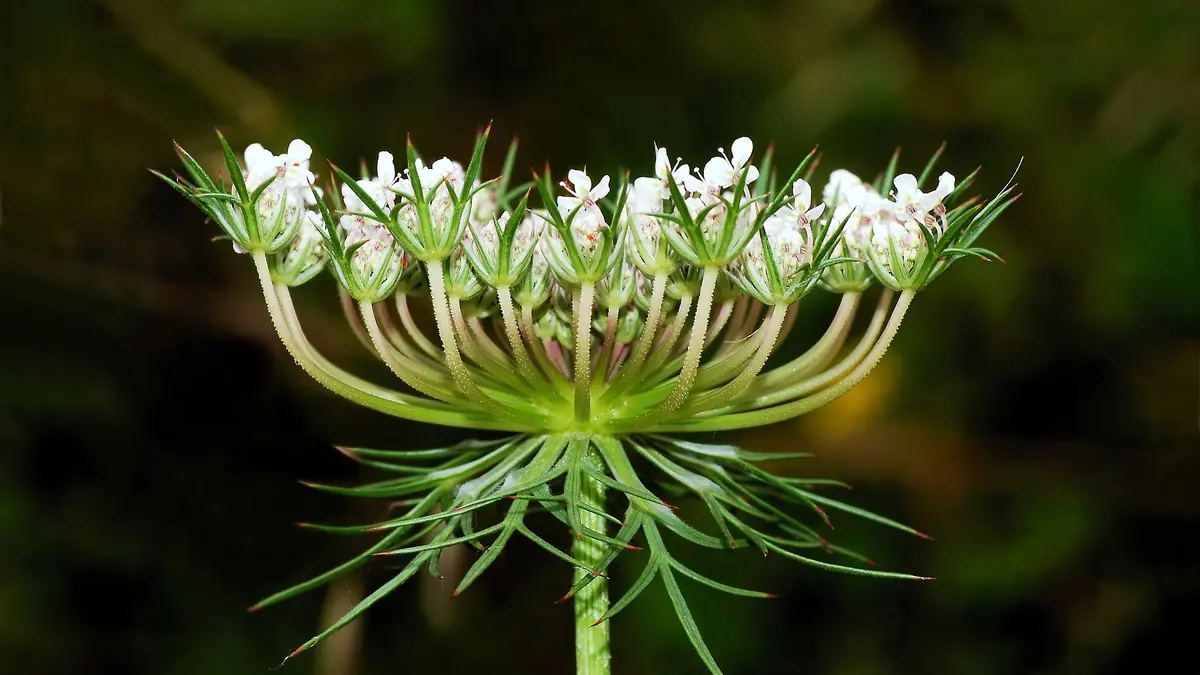
    Short answer: carrot-seed essential oil is usually distilled from the fruits of wild carrot, Daucus carota. It is not carrot carrier oil, carrot-root macerate or a natural sunscreen. Product type, plant part and botanical identity matter before any claim can be assessed.

    Botanical identity

    Kew treats Daucus carota as a variable species with a wide native range. Cultivated edible carrots belong to this species, but an essential oil sold as carrot seed oil is generally distilled from the mature fruits, commonly called seeds, of wild or cultivated forms. The family is Apiaceae, alongside coriander and fennel.

    The common name causes three products to be confused:

    • Carrot-seed essential oil: a volatile distillate, normally from the fruits.
    • Carrot-root macerate: carrot material infused into a fixed carrier oil, often orange because of carotenoids.
    • Carrot-seed fixed oil: a non-volatile oil obtained by pressing or solvent extraction.

    They differ in composition, concentration and intended use. Evidence about one does not automatically support claims for another.

    How the essential oil is made

    Steam or hydrodistillation releases the volatile fraction of the crushed fruits. Carotenoids are not volatile, so a clear or pale essential oil should not be expected to supply the beta-carotene associated with orange carrot tissue. A laboratory study of wild-carrot essential oil tested its composition and biological activity. It does not establish treatment benefits in people.

    Carotol is frequently prominent in fruit oil, but geography, variety, maturity and distillation alter the profile. A comparative chemical study found substantial variation among carrot essential oils. A supplier’s batch-specific analysis is therefore more useful than a single “standard composition” repeated across retail pages.

    Skin and antioxidant claims

    Carrot-seed oil is advertised for wrinkles, pigmentation, acne, eczema and “cell regeneration”. Much of the supporting material consists of laboratory antioxidant or antimicrobial experiments. For example, researchers have investigated antibacterial mechanisms of carrot-seed oil in vitro. Such work can identify biological activity under controlled conditions, but it does not show that a home dilution treats acne or another skin disease.

    A broader review of carrot phytochemicals covers many non-volatile compounds and preparations as well as essential oils. It cannot be read as a clinical trial of the distilled product. I could not identify robust controlled human evidence that carrot-seed essential oil visibly reverses ageing or treats a defined dermatological condition.

    It is not sunscreen

    Online recipes sometimes assign carrot-seed essential oil a numerical sun-protection factor. That is unsafe. SPF is a performance result for a finished formulation tested under standard conditions; it is not a permanent property that can be inferred from an ingredient or a laboratory absorbance reading. The US Food and Drug Administration explains that labelled sunscreens must meet defined testing and labelling requirements.

    Do not replace a tested broad-spectrum sunscreen, shade and protective clothing with carrot-seed oil. A fragranced oil may also irritate skin, making it a particularly poor experiment before strong sun exposure.

    Practical use and safety

    The clearest use is as an aromatic ingredient in a professionally formulated fragrance or cosmetic. The smell is earthy, dry and root-like. Anyone choosing a finished skin product should check the full ingredient list, intended area and instructions rather than assuming the presence of carrot-seed oil gives it a medical or sun-protection effect.

    Do not swallow the essential oil. Avoid neat application, the eyes, lips, mucous membranes and damaged skin. Stop after redness, burning, itching or swelling. Pregnancy, young children, significant skin disease and a history of fragrance allergy are reasons to seek individual professional advice rather than rely on a generic online dilution.

    What to look for on the label

    • Daucus carota, not merely “carrot”.
    • The plant part, usually fruit or seed, and steam distillation.
    • A clear statement of whether the bottle is an essential oil, fixed oil or macerate.
    • A batch number and, ideally, a recent analytical report.
    • No SPF number or promise to replace sunscreen.

    My assessment

    Carrot-seed essential oil is chemically interesting, but its skincare reputation is much larger than its human evidence base. Treat it as a concentrated fragrance ingredient. Keep laboratory findings, fixed oils and carrot-root extracts separate, and reject any claim that it can stand in for tested sun protection.

    What would stronger evidence look like?

    A credible skin trial would use a chemically defined oil in a finished formulation and compare it with the same formulation without the oil. It would measure a specified outcome, such as lesion count or pigmentation, with blinded assessment and record irritation. A sunscreen claim would require standard testing of the complete product, including broad-spectrum performance and water resistance where claimed. Neither a laboratory antioxidant result nor the orange colour of a carrot macerate can replace those tests.

    Carrot seed and wrinkles

    Tiny cosmetic studies report favourable carrot-seed formulation measurements, but product identity, controls, short follow-up and very small samples prevent firm wrinkle claims or sunscreen recommendations. See the detailed evidence comparison for the primary studies, limitations and care context.

    Sources

    Editorial responsibility and correction note

    Editor: John Hamlen. This article has not been independently reviewed by a clinician.

    Reference correction, 12 September 2026: Changes in this check: Correct original research labelled as a review; Correct bibliographic description against source record. This was a targeted correction, not a comprehensive new review of every claim in this article.

    Read our editorial policy, evidence method and corrections policy, including how to report an error.

  • Cassia Essential Oil: Uses, Evidence and Safety

    Cassia Essential Oil: Uses, Evidence and Safety

    Short answer: cassia essential oil is a powerful cinnamon-bark or leaf distillate, usually from Cinnamomum cassia. It is rich in cinnamaldehyde, strongly aromatic and much more irritating than its familiar food-spice image suggests. Laboratory antimicrobial results do not make neat skin use or swallowing safe.

    Cassia, cinnamon and botanical names

    Cassia is often sold as “cinnamon” oil, but cinnamon labels can refer to several species and plant parts. Cinnamomum cassia is also listed in scientific literature under the accepted name Cinnamomum aromaticum. Ceylon or “true” cinnamon is Cinnamomum verum. Their bark and leaf oils are not chemically identical.

    A detailed review of Cinnamomum chemistry shows why the species, plant part and extraction method must be stated. A useful retail label should name all three rather than relying on the warm familiarity of “cinnamon”.

    Extraction and chemistry

    Cassia oil is commonly steam-distilled from bark, twigs or leaves. Cinnamaldehyde is often dominant, especially in bark-derived material, while other cinnamon leaf oils may be richer in eugenol. A recent review of cinnamon essential oils describes their variable composition and the need to relate any result to the exact material tested.

    The same chemistry that gives cassia its forceful smell and antimicrobial activity contributes to its irritation and sensitisation risk. “Natural” does not mean mild, and culinary use of tiny amounts of ground spice does not establish that a concentrated volatile oil is safe to apply or ingest.

    What does research show?

    Cassia oil has inhibited selected microbes in laboratory testing. Other experiments compare cinnamon oils with bacteria, fungi or biofilms under controlled conditions. These studies can identify possible mechanisms and compounds for further research. They do not establish a safe and effective dose for treating infection in a person.

    A dish or tube allows direct contact at a known concentration. Human skin, lungs and digestive tissue are more complex, and a concentration high enough to affect a microbe may also damage tissue. Clinical evidence would need a defined preparation, comparator, diagnosis, safety monitoring and meaningful patient outcomes.

    Claims for blood sugar, weight loss or digestive disease often draw on studies of cinnamon powder, extracts or food intake. They cannot be transferred to cassia essential oil. Swallowing the oil is not a concentrated version of adding cinnamon to food.

    Fragrance and household use

    Cassia can create a strong warm, spicy note in a professionally formulated fragrance. In a diffuser it can become overwhelming quickly and may provoke coughing, headache or airway irritation. Use only a product intended for that method, follow the device instructions, keep sessions brief and ventilate. Stop at the first sign of discomfort.

    Laboratory antimicrobial findings do not prove that diffusion disinfects a room. Air concentration, contact time, ventilation and the organism all matter, while people and animals are exposed at the same time. Cleaning a surface with a suitable labelled product is more predictable than attempting to “sterilise the air” with fragrance.

    Skin safety

    Cassia is not a good choice for casual home skincare. It can cause burning, irritant dermatitis and allergic contact dermatitis. Do not apply it neat or use it in a bath, where oil droplets do not dissolve evenly in water. Avoid the face, lips, genitals, damaged skin and any improvised oral-care recipe.

    Products formulated for skin should comply with the limits appropriate to their intended use. A patch test cannot guarantee that repeated exposure will not sensitise someone, and adding more carrier oil after a reaction has started is not a substitute for washing off the product and obtaining advice when symptoms are significant.

    Buying checks

    • Full botanical name, plant part and distillation method.
    • Batch information and a chromatogram that matches the product.
    • Clear hazard, dilution and storage instructions.
    • No instruction to swallow the oil or put it under the tongue.
    • No claim that laboratory antimicrobial activity makes it a treatment for infection.

    My assessment

    Cassia oil has a legitimate fragrance role and substantial laboratory literature, but its risk profile makes it unsuitable for casual experimentation. I would not use it on skin or take it orally. Any health claim must be supported by human research on the same oil and route, not by spice studies or a petri-dish result.

    What would stronger evidence look like?

    Because cassia can irritate tissue, a useful clinical study would need more than a signal of antimicrobial activity. It would use a standardised finished product, justify the concentration, compare it with established care and report burns, dermatitis and withdrawals. It would also separate C. cassia bark oil from cinnamon powder, extracts and other species. Until benefit clearly outweighs that predictable irritation risk, home treatment claims are not justified.

    Sources

  • Amyris Essential Oil: Identity, Uses and Evidence

    Amyris Essential Oil: Identity, Uses and Evidence

    Short answer: amyris oil is a steam-distilled oil from the wood of Amyris balsamifera, a Caribbean tree in the citrus family. It is often called West Indian sandalwood, but it is not a true sandalwood and should not be used as a cheaper evidence substitute for Santalum oils.

    What is amyris essential oil?

    Kew accepts Amyris balsamifera as the botanical name. The tree is native to parts of Florida, the Caribbean and northern South America. Its family, Rutaceae, also contains citrus plants, although amyris oil does not have the bright, peel-like chemistry people may expect from that connection.

    The essential oil is normally obtained by steam distilling chipped or ground wood. It is slow to evaporate and has a soft woody, balsamic smell, so perfumers use it as a base note and as a fixative. “West Indian sandalwood” is a trade name based on aroma and use, not botanical kinship. True sandalwood oils come from Santalum species in the Santalaceae family.

    Composition and product identity

    Amyris is chiefly a sesquiterpene-rich oil. Published chemical work has identified valerianol among its characteristic alcohols; one peer-reviewed analysis described valerianol as a major component. Composition can vary with the wood, distillation and analytical method, which is why a current batch report is more informative than a generic list copied between shops.

    A useful label should state Amyris balsamifera, the wood as the plant part and steam distillation as the extraction method. A bottle labelled only “sandalwood” is ambiguous. It may contain amyris, a true Santalum oil, a mixture or a fragrance composition. The INCI name and supplier documentation should resolve that question.

    What are the claimed benefits?

    Amyris is marketed for sleep, anxiety, meditation, skin care, breathing and insect control. These claims often rest on traditional descriptions, its persistent aroma, constituent research or studies that did not test human use of amyris oil. They should not be treated as one body of clinical evidence.

    I could not identify a convincing randomised human trial showing that inhaled or topically applied amyris oil treats insomnia, anxiety or a skin condition. A recent study of amyris oil as an anaesthetic in fish is relevant to animal husbandry research, not proof that the oil safely sedates people. A pleasant scent may form part of a calming routine without becoming a treatment for a diagnosed condition.

    Laboratory antimicrobial or insect studies can help researchers describe chemical activity, but a result in a culture dish does not establish an effective household concentration, a safe skin preparation or a medical benefit. The distinction matters particularly for products advertised with several unrelated therapeutic promises.

    How might it be used?

    The best-supported role is fragrance. Amyris can provide a mild woody note in a properly formulated perfume, cosmetic or brief diffuser session. It may also be encountered in soap and room-fragrance blends. Those are sensory uses; the label should not convert them into claims that the product treats stress, infection or sleep disorders.

    For a diffuser, follow the device and product instructions, ventilate the room and stop if the scent causes coughing, headache, nausea or irritation. For skin products, a professionally formulated finished cosmetic is easier to judge than a home recipe because the concentration and intended area of use are defined.

    Safety and buying checks

    Do not swallow amyris oil. Essential oils are concentrated mixtures, and a history of use in perfumery does not establish a safe oral dose. Avoid undiluted application, the eyes, mucous membranes and broken skin. Keep the bottle away from children and animals, and seek urgent advice after a significant accidental ingestion rather than waiting for symptoms.

    • Look for the full botanical name, plant part, extraction method and batch number.
    • Do not accept “sandalwood” as adequate identification.
    • Prefer a supplier that provides a batch-specific chromatogram and explains what it can and cannot prove.
    • Reject medical promises that are unsupported by human trials of the same oil and route.
    • Store the closed bottle away from heat and light; oxidation can change both aroma and skin tolerance.

    My assessment

    Amyris is a legitimate botanical essential oil with a clear role in fragrance. Its nickname creates avoidable confusion with true sandalwood, and its health marketing runs well ahead of clinical research. I would buy it for its aroma only, after confirming the botanical identity, rather than for sleep, anxiety or infection claims.

    What would stronger evidence look like?

    A useful human study would identify the batch, analyse its composition, specify inhaled exposure and compare amyris with both an unscented control and another pleasant scent. It would register one primary outcome in advance, report adverse effects and follow participants long enough to distinguish a momentary preference from a meaningful sleep or anxiety benefit. Until research of that kind exists, constituent studies and animal sedation experiments should remain clearly labelled as indirect evidence.

    Sources

  • Spearmint Essential Oil: Identity, Chemistry and Evidence

    Spearmint Essential Oil: Identity, Chemistry and Evidence

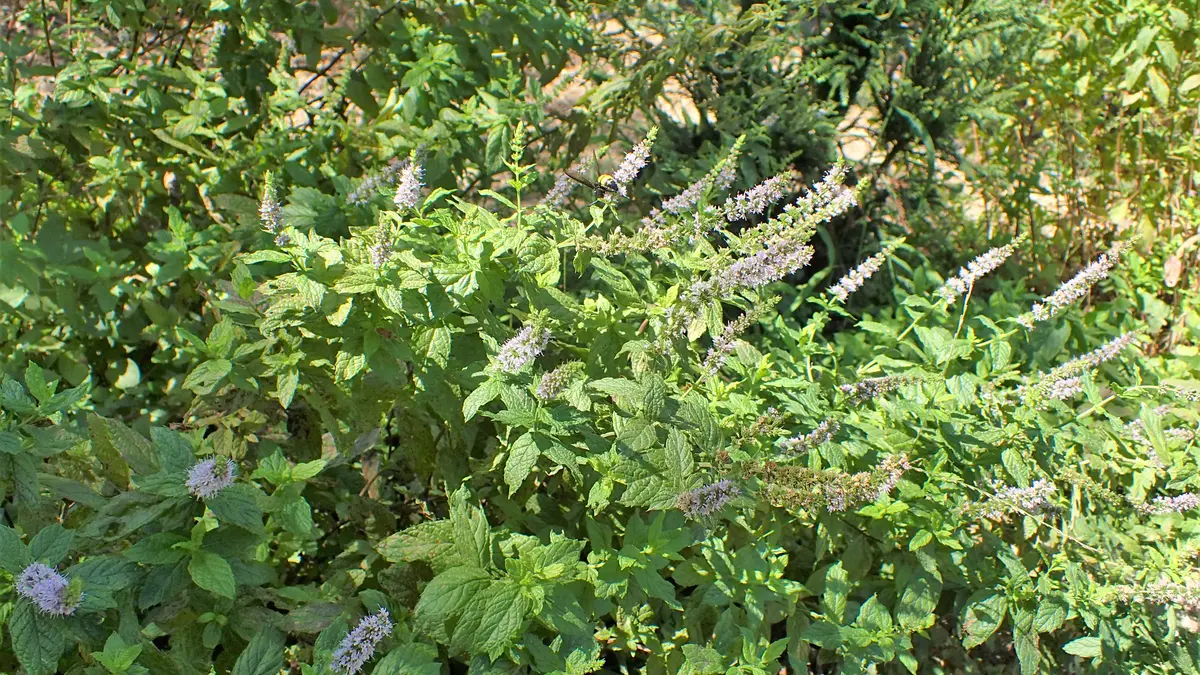
    Bottom line: spearmint essential oil comes from Mentha spicata and is commonly carvone-rich. It is not peppermint oil, and evidence about spearmint tea does not prove that concentrated oil treats the same outcomes.

    This profile separates plant, essential oil and tea evidence. It does not recommend swallowing essential oil or using it as a treatment.

    Botanical identity

    Kew accepts Mentha spicata as a species native from Europe to China. It is a perennial member of the mint family.

    Spearmint is not the same plant as peppermint, Mentha × piperita. Peppermint is a hybrid and commonly has a markedly different volatile profile.

    A label that says only “mint oil” leaves an important identity question unanswered. It may refer to spearmint, peppermint, cornmint or a blended flavour.

    How spearmint oil is produced

    The essential oil is normally steam-distilled from aerial plant material. Harvest stage, climate, cultivar and distillation conditions influence the yield and composition.

    Distillation collects volatile molecules. It does not make a concentrated version of every chemical present in leaves or tea.

    This distinction is essential when reading research. An aqueous infusion, isolated constituent and distilled oil are different interventions.

    Carvone and chemical variation

    Spearmint oil is often described as carvone-rich, with limonene and other terpenes also present. That pattern helps distinguish it from many menthol-rich peppermint oils.

    One composition study characterised spearmint oil and its biological activity. Its measured batch should not be treated as a universal formula.

    Another analysis found a defined chemical profile alongside antioxidant and antimicrobial test results. Laboratory endpoints do not establish clinical benefit.

    Research across cultivated spearmint material has documented variation relevant to essential-oil production. A current batch analysis is therefore useful when composition matters.

    Why spearmint is not peppermint

    The two oils can smell and feel different because their dominant compounds differ. Substitution can also change safety limits, product performance and the relevance of a study.

    Menthol research is frequently cited for “mint oil” claims. A menthol experiment cannot prove that a carvone-rich spearmint oil produces the same physiological effect.

    Likewise, evidence about enteric-coated peppermint-oil capsules concerns a particular oral medicine. It does not authorise swallowing spearmint essential oil.

    The spearmint-tea evidence is not oil evidence

    A small randomised trial studied spearmint herbal tea in women with hirsutism. It assessed a prepared drink, not essential oil applied to skin or inhaled.

    The trial reported changes in hormone measures and participants’ subjective assessments. It was short and did not show a clear objective change in hair growth over a full hair cycle.

    Online summaries sometimes turn that study into “spearmint oil balances hormones”. That wording changes both the product and the claim.

    A biochemical change is not automatically a meaningful treatment result. Hormone-related symptoms also deserve a diagnosis rather than an improvised concentrated-oil regimen.

    Antimicrobial findings

    Spearmint oil has inhibited selected bacteria in laboratory testing. Direct exposure in a culture dish does not reproduce a safe concentration on human tissue.

    In vitro antifungal research has also reported activity. It does not establish treatment of oral, skin, vaginal or systemic infection.

    A broader study of spearmint’s biological properties illustrates the range of experimental claims. The useful next question is whether an appropriate human trial measured a relevant outcome.

    Flavour and fragrance uses

    Spearmint is widely used in flavourings, oral-care products and fragrance. A finished regulated product is not equivalent to a bottle of concentrated oil.

    EFSA has assessed carvone in defined flavouring and exposure contexts. Such assessments do not endorse unrestricted ingestion of essential oils.

    PubChem records carvone’s chemical identifiers and properties. A constituent profile helps identify a product but cannot prove a whole-oil medical claim.

    Safety

    Concentrated spearmint oil can irritate skin, eyes and mucous membranes. Do not swallow it or apply it undiluted.

    Essential oils and fragrance constituents are recognised causes of allergic contact dermatitis. Stop use if a persistent rash, swelling or blistering develops.

    Children, pregnancy, respiratory conditions and medicines can change the risk assessment. Ask a pharmacist or clinician about a particular route and product.

    Keep bottles and diffuser liquids secured. A sweet or familiar food smell does not make the concentrate safe to drink.

    How to assess a spearmint-oil label

    • Look for Mentha spicata, not only “mint”.
    • Check the plant part and steam-distillation statement.
    • Look for a lot number and a batch-specific analysis.
    • Confirm whether the product is pure oil, diluted oil, flavour or fragrance.
    • Do not transfer peppermint, menthol or spearmint-tea studies to the bottle.
    • Expect clear route, storage and hazard information.

    My verdict

    Spearmint oil has a recognisable botanical and chemical identity, but its clinical evidence is sparse. Most antimicrobial claims remain laboratory findings.

    The prominent hormone story concerns spearmint tea, not essential oil. Product, route, dose and outcome must match before a reference can support a claim.

    Spearmint and toothache

    Spearmint showed laboratory antimicrobial activity, without patient pain outcomes. Peppermint injection findings cannot be transferred to spearmint or untreated toothache. See the detailed evidence comparison for the studies, limitations and care context.

    References

    1. Kew Plants of the World Online: Mentha spicata
    2. Spearmint essential-oil composition study
    3. Spearmint composition and laboratory properties
    4. Variation in cultivated spearmint material
    5. Randomised trial of spearmint herbal tea for hirsutism
    6. In vitro antibacterial study of spearmint oil
    7. In vitro antifungal study of spearmint oil
    8. Experimental biological properties of spearmint
    9. Review of analgesic research involving mint constituents
    10. EFSA: Safety assessment of carvone
    11. PubChem: Carvone
    12. Contact allergy to essential oils
    13. NCCIH: Aromatherapy
  • Palmarosa Essential Oil: Identity, Chemistry and Evidence

    Palmarosa Essential Oil: Identity, Chemistry and Evidence

    Bottom line: palmarosa oil is distilled from the aromatic grass Cymbopogon martini. It is commonly rich in geraniol, but most promoted health uses rest on laboratory or animal research rather than clinical trials.

    This profile explains identity, composition and evidence limits. It does not recommend palmarosa oil for treating infection, inflammation or a skin condition.

    Botanical identity

    Kew accepts Cymbopogon martini as a perennial grass native from the Indian subcontinent to Indo-China. The spelling martinii still appears in papers and product listings.

    Palmarosa belongs to the same broad genus as lemongrass and citronella plants. It is not rose oil and it is not a Pelargonium geranium oil.

    The confusing common names matter because floral scent is not botanical identity. A label should provide the Latin name, plant part and extraction method.

    How palmarosa oil is made

    The essential oil is normally steam-distilled from grass and flowering aerial material. Harvest stage and growing conditions affect yield and chemistry.

    Research across growth stages found changes in palmarosa oil yield and composition. One published batch cannot define every bottle.

    Distillation selects volatile constituents. Evidence about a whole grass, water extract or isolated geraniol does not automatically describe the finished essential oil.

    A geraniol-rich oil

    Geraniol commonly dominates palmarosa oil and helps explain its rose-like fragrance. Other constituents and their proportions vary.

    A review of geraniol describes its occurrence in several essential oils and its many experimental effects. It is not a clinical review of palmarosa products.

    Another geraniol review covers mechanisms and preclinical research. Isolated-compound evidence cannot be used as proof for any whole oil, dose or route.

    A batch-specific chromatogram can help confirm a plausible profile. It cannot by itself demonstrate purity, safety or treatment effectiveness.

    Antimicrobial research

    A 2025 study found palmarosa oil active against dandruff-associated microorganisms in laboratory experiments. It did not show that applying the oil treats dandruff safely in people.

    Another laboratory study tested palmarosa oil and geraniol against clinical bacterial isolates. Susceptibility in culture is not a dose, formulation or clinical outcome.

    An in vitro antifungal study included palmarosa among several active oils. It concerned laboratory isolates and cannot authorise treatment of a diagnosed fungal infection.

    Research has also screened essential oils against difficult bacterial states. The authors’ need for safety and in vivo work is central, not a minor caveat.

    Inflammation and stress claims

    Palmarosa oil and geraniol have been examined in experimental immune and inflammatory models. These models help explore mechanisms but do not establish treatment in patients.

    An animal inhalation study reported behavioural and physiological responses to palmarosa aroma. Animal exposure cannot prove relief of human anxiety or stress.

    A relaxing personal association with a fragrance can still be real. It should be described as an experience, not converted into an untested medical promise.

    Skin and cosmetic use

    Palmarosa appears in perfumes, soaps and cosmetic formulations because of its scent. A cosmetic function does not establish treatment of acne, ageing, eczema or infection.

    Finished products can be assessed differently from concentrated oil. Formulation, concentration, preservation, packaging and intended exposure all influence safety.

    Do not place neat oil on inflamed or broken skin. A product that stings is not “working” through detoxification.

    Geraniol is also a fragrance allergen

    Clinical literature recognises essential oils and fragrance constituents as causes of allergic contact dermatitis. Geraniol can be relevant to patch testing and labelling.

    A fragrance-safety assessment reviews geraniol across defined exposure endpoints. Such an assessment depends on exposure assumptions and is not permission for unrestricted neat use.

    EU cosmetic rules include expanded fragrance-allergen labelling requirements. Ingredient disclosure helps people with known allergy, but it does not prevent every reaction.

    Stop using a product that causes persistent redness, itching, swelling or blisters. Seek advice for a severe or continuing reaction.

    How to assess a palmarosa label

    • Look for Cymbopogon martini and check any botanical synonym.
    • Confirm steam distillation and the plant material used.
    • Check country, batch number and analysis date.
    • Do not assume “geranium grass” means Pelargonium geranium oil.
    • Separate laboratory antimicrobial results from human treatment evidence.
    • Expect dilution, storage, hazard and contact information.

    My verdict

    Palmarosa is a distinctive geraniol-rich fragrance oil with substantial laboratory interest. Human clinical evidence for its promoted health uses remains very limited.

    The responsible description is botanical and evidence-led. It should not become an all-purpose antibacterial, hormone or skin-treatment claim.

    References

    1. Kew Plants of the World Online: Cymbopogon martini
    2. Growth stage, yield and composition of palmarosa oil
    3. Review of palmarosa cultivation, composition and uses
    4. Review: The many experimental faces of geraniol
    5. Geraniol: A review of a commercially important fragrance material
    6. Palmarosa oil and dandruff-associated microbes: Laboratory study
    7. Palmarosa oil, geraniol and clinical bacterial isolates
    8. In vitro antifungal testing of essential oils
    9. Essential oils screened against difficult bacterial states
    10. Palmarosa oil and geraniol in experimental immune models
    11. Animal inhalation study of palmarosa aroma
    12. Contact allergy to essential oils
    13. Fragrance-ingredient safety assessment of geraniol
    14. EU Regulation 2023/1545 on fragrance-allergen labelling