Category: Oil Profiles

  • Rosemary Essential Oil: Identity, Chemistry and Evidence

    Rosemary Essential Oil: Identity, Chemistry and Evidence

    Bottom line: rosemary essential oil is a variable, steam-distilled product from Salvia rosmarinus. It has a genuine traditional-use record and some small human studies, but neither supports sweeping treatment claims.

    This is an identity, composition and evidence profile. It does not provide a recipe for treating hair loss, pain, infection or another condition.

    Botanical identity

    Kew recognises rosemary within the genus Salvia, while Rosmarinus officinalis remains familiar on labels and in older papers. A serious product should make the identity clear.

    The name “rosemary oil” should refer to volatile oil distilled from the plant. It does not automatically describe an infused culinary oil, fragrance compound or finished scalp serum.

    Labels may also identify leaf oil or oil from flowering aerial parts. Country, harvest stage and plant material can affect the resulting profile.

    How the essential oil is made

    Commercial rosemary essential oil is usually produced by steam distillation. Volatile compounds travel with steam, then separate from condensed water.

    The process does not reproduce the whole herb. Water-soluble, non-volatile and heat-sensitive constituents may be absent or changed.

    This is why evidence about rosemary tea, culinary use or an alcoholic extract cannot be assigned automatically to the essential oil. Product and route must match the research question.

    Composition is not fixed

    Commonly reported constituents include 1,8-cineole, camphor and alpha-pinene. Their proportions can differ substantially between oils.

    A chemotype study documented substantial chemical variation among rosemary oils. The word “rosemary” therefore does not guarantee one reproducible mixture.

    Another composition study linked the oil’s laboratory activity to a measured chemical profile. It did not establish that all commercial oils share the same activity.

    An evaluation of marketed rosemary oils found differences relevant to identity and quality. A batch report is more informative than a generic purity badge.

    What an EU herbal monograph means

    The European Medicines Agency maintains a monograph and assessment material for rosemary oil. These documents distinguish traditional use from well-established clinical efficacy.

    Traditional-use registration can rely on long-standing use and plausible safety within defined conditions. It is not the same as approval based on several large, modern clinical trials.

    The monograph also concerns specified medicinal preparations and routes. It cannot validate every cosmetic, diffuser blend or social-media claim using rosemary.

    Human evidence for hair loss

    A 2015 comparative trial assigned 100 people with androgenetic alopecia to rosemary oil or 2 per cent minoxidil. Both groups recorded higher hair counts after six months.

    The study did not include a placebo and was not designed to prove that the treatments were equivalent. It cannot make rosemary an established replacement for every minoxidil regimen.

    A 1998 alopecia-areata trial tested a blend containing rosemary, thyme, lavender and cedarwood oils. The result cannot identify rosemary as the active ingredient.

    Pattern hair loss and alopecia areata have different causes. Results from one condition, mixture or application method should not be transferred to another.

    Laboratory findings

    Rosemary oil has shown antimicrobial activity in laboratory testing. Such experiments expose microorganisms directly under controlled conditions.

    A result in a dish does not prove that a diluted consumer product treats an infection safely. Human tissue, dose, contact time and diagnosis all change the question.

    A review of rosemary in skin research found interesting experimental work alongside limited clinical evidence. Mechanisms should be treated as reasons for research, not treatment promises.

    Inhalation and cognition claims

    Small experiments have explored aroma, attention and memory. Fragrance, expectation, setting and blinding make these outcomes difficult to interpret.

    A brief change in a laboratory task would not establish prevention or treatment of dementia. Any seller making that leap is moving far beyond the evidence.

    Safety

    Essential oils are recognised causes of allergic contact dermatitis. Oxidation, concentration and repeated exposure can influence skin reactions.

    A clinical review of essential-oil allergy describes the importance of identifying the actual product and constituents. “Natural” is not a hypoallergenic category.

    Do not swallow rosemary essential oil or apply it undiluted. Keep bottles away from children, eyes and mucous membranes.

    Pregnancy, epilepsy, asthma, medicines and intended route can change the safety question. Ask a pharmacist or clinician about a specific use rather than relying on a general online dilution chart.

    How to assess a rosemary-oil label

    • Look for Salvia rosmarinus or the recognised older name Rosmarinus officinalis.
    • Check the plant part and extraction method.
    • Look for country, batch or lot number and a current analysis.
    • Confirm whether the bottle contains pure essential oil or a pre-diluted product.
    • Reject claims that transfer evidence between tea, extract, capsules and inhalation.
    • Expect clear warnings, storage instructions and contact details.

    My verdict

    Rosemary is one of the better documented essential oils, but its evidence remains claim-specific. Identity and chemotype matter, and most promoted uses lack convincing human trials.

    The hair studies justify further research, not the slogan “natural minoxidil”. Use the botanical profile to check what is in the bottle before considering any health claim.

    Rosemary and tendonitis

    Research in other conditions does not establish tendon healing or a recovery benefit. Our oil-specific evidence appraisal explains the studied preparation, comparison and limits. It also sets the claim alongside appropriate care.

    Rosemary and sinus symptoms

    A mixed throat spray containing rosemary gave brief symptom relief, without a significant three-day advantage. It did not test rosemary alone or sinusitis. See the detailed evidence comparison for the studies, limitations and care context.

    Rosemary and earache

    Rosemary appears in a veterinary blend and laboratory fungal tests. Clinical improvement in dogs did not establish yeast clearance or human earache treatment. See the detailed evidence comparison for the studies, limitations and care context.

    Rosemary and rashes

    A small scalp trial favoured rosemary lotion for itching but ketoconazole for scaling, with two rosemary withdrawals for irritation. A separate human irritant study found no post-irritation treatment effect. See the detailed evidence comparison for the primary studies, limitations and care context.

    Rosemary and oily skin

    A mixed rosemary-extract emulsion increased surface lipids on forearms; a scalp dermatitis trial addressed a different condition. Neither establishes facial oil control with rosemary oil. See the detailed evidence comparison for the primary studies, limitations and care context.

    References

    1. Kew Plants of the World Online: Rosemary taxonomy
    2. European Medicines Agency: Rosmarini aetheroleum
    3. Chemotypic variation in rosemary essential oil
    4. Rosemary-oil composition and laboratory activity
    5. Evaluation of marketed rosemary oils
    6. Rosemary oil compared with 2 per cent minoxidil
    7. Aromatherapy mixture for alopecia areata
    8. Review of rosemary in dermatology
    9. Rosemary essential oil and skin research
    10. Laboratory antimicrobial study of rosemary essential oil
    11. Contact allergy to essential oils
    12. Essential oils and allergic contact dermatitis
    13. NCCIH: Aromatherapy

    A formulation is part of the evidence

    Recent rosemary hair research includes mixed formulations, while a rosemary-castor experiment used mice. Neither can be treated as an independent replication of rosemary essential oil alone for human pattern hair loss.

    A plant name on two labels does not make the contents clinically interchangeable. Product composition, population and measured outcome should remain visible when research is summarised.

    Targeted evidence update: 12 September 2026. This addition does not represent a new review of every statement on this page.

    Short memory experiments do not establish treatment for ADHD or dementia

    Evidence update: 14 September 2026.

    A healthy-volunteer aroma study found different effects on memory quality and speed. A haemodialysis trial did not show significant between-group memory differences. Neither study establishes an ADHD or dementia treatment.

  • Helichrysum Essential Oil: Identity, Extraction and Safety

    Helichrysum Essential Oil: Identity, Extraction and Safety

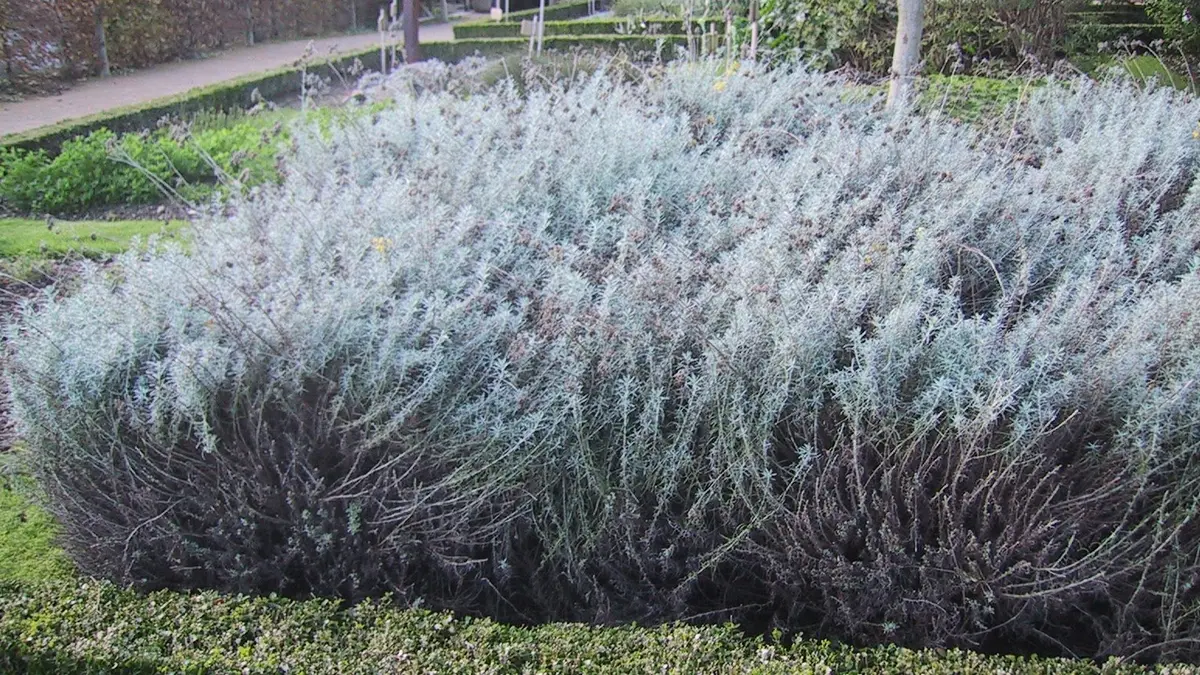
    Helichrysum essential oil usually refers to a distilled oil from Helichrysum italicum. The species, subspecies, plant part and origin should appear on the product information.

    Botanical identity

    Kew’s Plants of the World Online lists Helichrysum italicum and its accepted infraspecific names. It is an aromatic Mediterranean member of the daisy family.

    “Immortelle”, “everlasting” and “curry plant” are common names. They can also be used for other species or ornamental plants, so the Latin name matters.

    How the oil is made

    The essential oil is commonly steam distilled from flowering aerial parts. Harvest timing, location, subspecies and distillation conditions can change its chemical profile.

    A 2023 review describes extraction, distillation and chemical variability in Helichrysum italicum. It also distinguishes essential oils from non-volatile extracts and isolated compounds.

    Aroma and composition

    The aroma is often herbaceous, warm and slightly honeyed. The principal constituents vary considerably between origins and studied samples.

    That variation makes a batch-specific report more useful than a fixed online list. A report should still be matched to the species and batch on the bottle.

    Traditional use is not clinical proof

    Helichrysum is marketed for bruises, scars, inflammation and wound care. These claims are stronger than the available human evidence for ordinary consumer essential oil.

    A review of traditional uses found that much of the research concerned laboratory studies, animals, extracts or isolated compounds. Those findings cannot establish a treatment effect for diluted essential oil on human skin.

    Do not put essential oil on an open wound or use it instead of assessment for infection, significant injury or persistent skin changes.

    Safety

    Use only a product intended for the chosen route. Dilute for skin use according to the label and stop if redness, itching or swelling develops.

    Do not swallow ordinary aromatherapy oil. Pregnancy, breastfeeding, childhood, allergies and regular medicines are reasons to check the exact product with a pharmacist or doctor.

    Evidence scores for helichrysum

    No Claim Review is currently linked to this oil. Traditional use or a marketing claim is not enough to assign an Evidence Score.

    Bottom line

    Choose helichrysum oil by its botanical identity and batch information. Treat broad skin-healing claims as unproven until suitable human trials test the same preparation and outcome.

    Helichrysum and plantar heel pain

    Helichrysum wound-healing findings come from formulated products in diabetic rats; they do not demonstrate repair of the human plantar fascia. See the detailed plantar-fasciitis comparison for the studies, limitations and care context.

    Helichrysum and jaw pain

    A mixed-product pelvic-pain pilot and wound-healing experiments in rats do not establish that helichrysum treats TMD or repairs the jaw joint. See the detailed evidence comparison for the studies, limitations and care context.

    Helichrysum and tinnitus

    Skin-wound healing in diabetic rats does not demonstrate regeneration of human auditory cells or treatment of tinnitus. See the detailed evidence comparison for the studies, limitations and care context.

    Helichrysum and eczema

    Helichrysum increased barrier-related markers in donated skin outside the body. This is not an eczema treatment trial, and an indexed report describes contact dermatitis from a helichrysum-containing cream. See the detailed eczema evidence comparison for the studies, limitations and care context.

    Profile sources

  • Rosewood Essential Oil: Identity, Conservation and Safety

    Rosewood Essential Oil: Identity, Conservation and Safety

    Rosewood essential oil usually refers to oil from Aniba rosaeodora, an Amazonian tree with an important conservation history. Botanical identity and traceable sourcing are central to this profile.

    Botanical identity

    Aniba rosaeodora belongs to the Lauraceae family. It is not one of the Dalbergia trees also called rosewood in the timber trade.

    A laboratory study characterised linalool-rich Aniba rosaeodora oil and tested its biological activity. It was an original experiment, not a review of clinical treatment. Composition can vary with source, plant part and processing.

    How the oil is made

    Traditional production distilled fragrant wood. Some current projects use leaves and branches, which can reduce pressure on whole trees when the supply is managed responsibly.

    The plant part must appear on the product information. Wood oil and leaf oil should not be assumed to have identical composition.

    Conservation and trade

    The official CITES checklist records species and products covered by international trade controls. Search it for Aniba rosaeodora when checking the current listing and annotations.

    Rosewood has been affected by heavy historical harvesting. A responsible supplier should provide the country of origin, plant part and evidence of lawful, traceable sourcing.

    “Sustainable” without details is not enough. Ask whether the material came from managed plantations, leaves and branches, or authorised wood production.

    Aroma and composition

    The aroma is commonly described as sweet, woody and floral. Linalool is often prominent, but a familiar smell does not prove species or provenance.

    A batch-specific chemical report can support an identity check. It cannot by itself establish that harvesting was legal or environmentally responsible.

    Claims and evidence

    Much published rosewood research concerns isolated constituents, laboratory models or animals. It does not prove that the oil treats infection, pain, anxiety or a skin condition in people.

    A claim assessment needs the exact oil, route, dose, comparison and human outcome. Traditional perfumery use is not clinical evidence.

    Safety

    Do not swallow ordinary rosewood essential oil. Dilute a product intended for skin use and stop if it causes redness, itching, coughing or headache.

    Oxidised oils can be more irritating. Store the bottle closed, away from heat and light, and follow the supplier’s stated shelf-life guidance.

    Evidence scores for rosewood

    No Claim Review is currently linked to this oil. Traditional use or a marketing claim is not enough to assign an Evidence Score.

    Bottom line

    A rosewood label should identify Aniba rosaeodora, the plant part, origin and extraction method. Traceable sourcing matters as much as aroma or a chemical report.

    Profile sources

    Editorial responsibility and correction note

    Editor: John Hamlen. This article has not been independently reviewed by a clinician.

    Reference correction, 12 September 2026: Changes in this check: Correct original laboratory research labelled as a review; Correct bibliographic description against source record. This was a targeted correction, not a comprehensive new review of every claim in this article.

    Read our editorial policy, evidence method and corrections policy, including how to report an error.

  • Cedarwood Essential Oil: Which Cedar Is in the Bottle?

    Cedarwood Essential Oil: Which Cedar Is in the Bottle?

    Cedarwood is not one oil from one tree. The name is used for several woody essential oils from the Cedrus and Juniperus genera.

    Which cedarwood?

    Common products include:

    • Atlas cedarwood: Cedrus atlantica.
    • Himalayan cedarwood: Cedrus deodara.
    • Virginian cedarwood: Juniperus virginiana.
    • Texas cedarwood: Juniperus ashei.

    The Juniperus oils are not true cedars botanically, even though cedarwood is their established trade name.

    Kew’s Plants of the World Online records the accepted identity and distribution of Cedrus atlantica. The same database can check the other species on a label.

    How cedarwood oil is made

    Cedarwood oils are commonly steam distilled from wood, chips, sawdust or related woody material. The source species and material affect the resulting composition and aroma.

    A supplier should state the botanical name, plant part, country of origin and extraction method. “Pure cedarwood” still leaves the central identity question unanswered.

    Aroma and composition

    Cedarwood oils are generally dry, woody and persistent, but they are not chemical substitutes. Atlas and Himalayan cedar oils differ from Virginian and Texas juniper oils.

    A 2026 review compares the compositions of wood oils sold under the cedarwood name. That diversity is why evidence about one species cannot be transferred automatically to another.

    Uses and claims

    Cedarwood oils are used in fragrance, soap, cosmetics and household scenting. Those uses do not establish treatment of hair loss, anxiety, infection or respiratory disease.

    Laboratory antimicrobial findings describe activity under controlled conditions. They do not show that applying or diffusing a consumer oil safely treats an infection.

    Safety

    Follow the instructions for the named species and product. Do not swallow an ordinary aromatherapy oil, and do not apply it neat merely because it comes from wood.

    Diluted skin use can still cause irritation or allergy. Stop use if symptoms develop and keep all concentrated oils away from children and pets.

    Evidence scores for cedarwood

    No Claim Review is currently linked to this oil. Traditional use or a marketing claim is not enough to assign an Evidence Score.

    Bottom line

    The word cedarwood is a category, not a complete identity. Buy by botanical name and batch information, then assess claims for that specific oil.

    Cedarwood oil and snoring

    A small cedrol study reported changes in sleep duration and sleep onset. It tested a constituent, not a general cedarwood product, and the available abstract does not establish reduced snoring.

    Primary research and its reported outcomes.

    Read the cedarwood comparison in our snoring guide for the evidence limits, other formulations and signs that need assessment.

    Targeted evidence update: 14 September 2026. This section does not represent a new review of every claim on this profile.

    Reference: Yamamoto Y et al. The effects of cedrol on sleep. Japanese Journal of Physiological Anthropology. 2003;8:69–73. doi:10.20718/jjpa.8.2_69. English abstract available.

    Cedarwood and rashes

    Cedarwood has a single acne case report, not controlled evidence for general rashes. Contact allergy and animal dermal-toxicity findings make blanket soothing claims inappropriate. See the detailed evidence comparison for the primary studies, limitations and care context.

    Profile sources

  • Vanilla Essential Oil: Extract, Oleoresin or Fragrance?

    Vanilla Essential Oil: Extract, Oleoresin or Fragrance?

    Products called vanilla essential oil are commonly extracts, oleoresins, absolutes, infused oils or fragrances. The extraction method and full ingredient list matter more than the front-label name.

    Botanical identity

    Vanilla planifolia is the principal cultivated vanilla orchid listed by Kew. Its cured pods provide the familiar aroma.

    Other vanilla species and hybrids are also used. A precise product should name the species, plant material, extraction method and any carrier or solvent.

    Why vanilla is not a typical distilled oil

    Many common essential oils are steam distilled from leaves, flowers, wood or other plant material. Vanilla aroma is normally collected from cured pods by extraction rather than ordinary steam distillation.

    A 2022 study describes alcoholic and other extraction methods used to recover aroma compounds from vanilla pods. Its findings concern extracts, not a universal product called vanilla essential oil.

    Common product types

    • Vanilla extract: aromatic compounds drawn into a solvent, often alcohol for food products.
    • Vanilla oleoresin: a concentrated solvent extract with less volatile material than a distilled oil.
    • Vanilla absolute: a perfumery extract produced through solvent processing.
    • Carbon-dioxide extract: material collected using pressurised carbon dioxide.
    • Vanilla fragrance oil: a fragrance composition that may contain natural and synthetic ingredients.
    • Infused oil: a fixed carrier oil containing vanilla material or aroma.

    Vanillin is not the whole extract

    Vanillin is a defined aromatic compound recorded by PubChem. Natural vanilla extract contains vanillin alongside many other compounds.

    A synthetic vanillin fragrance and an extract from cured pods can both smell recognisably vanilla. They are not the same material and should be labelled differently.

    How to choose a product

    Start with the intended use. A food extract, candle fragrance and cosmetic ingredient may have different solvents, concentrations and safety requirements.

    Check whether the listing says extract, absolute, oleoresin, fragrance or infusion. Look for a complete ingredient list rather than relying on “pure vanilla oil”.

    Claims and safety

    Evidence about vanillin in a laboratory does not establish that smelling a consumer vanilla product treats anxiety, sleep problems or another condition.

    Do not swallow a product unless it is explicitly sold and labelled for food use. Skin products may contain fragrance allergens or solvents, so follow the stated dilution and stop if irritation develops.

    Evidence scores for vanilla

    No Claim Review is currently linked to this oil. Traditional use or a marketing claim is not enough to assign an Evidence Score.

    Bottom line

    Vanilla aroma is real, but “vanilla essential oil” is usually not a standard steam-distilled product. Read the extraction method, ingredients and intended use before comparing bottles.

    Profile sources

  • Ginger Essential Oil: Identity, Extraction and Safety

    Ginger Essential Oil: Identity, Extraction and Safety

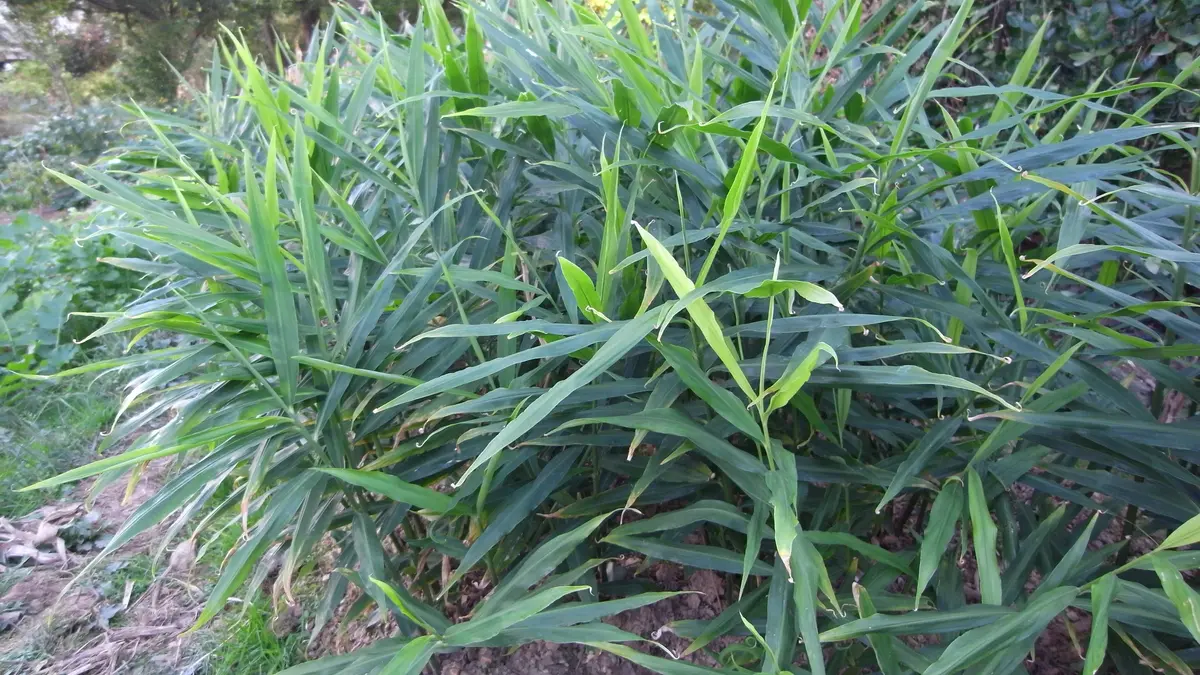
    Ginger essential oil is the volatile oil distilled from the rhizome of Zingiber officinale. It is not the same preparation as fresh ginger, powdered spice or an oral extract.

    Botanical identity

    Zingiber officinale Roscoe is an accepted species in Kew’s Plants of the World Online. The familiar ginger “root” is botanically a rhizome, an underground stem.

    A precise label should name the species, rhizome as the plant part and the extraction method. Ginger fragrance oils and ready-diluted blends are different products.

    How ginger essential oil is made

    The essential oil is generally produced by steam distillation of fresh or dried rhizome. Steam carries volatile aromatic compounds into a condenser, where the oil separates from the water.

    Distillation selects volatile compounds. It does not reproduce the whole rhizome, and the finished oil does not contain every constituent found in fresh ginger or a concentrated oral extract.

    Aroma and composition

    Ginger oil is usually warm, woody, spicy and citrus-like. Its composition changes with origin, whether the rhizome was fresh or dried, and the distillation conditions.

    The oil also smells different from freshly cut ginger because some pungent compounds in the food are not carried across in the same way during steam distillation.

    Do ginger studies apply to the oil?

    Not automatically. Results from capsules, food, tea or standardised ginger extracts concern different preparations and routes. They cannot establish that inhaled or diluted ginger essential oil produces the same result.

    NCCIH includes ginger among oils used in aromatherapy, while its overview emphasises that essential oils are generally inhaled or applied in diluted form.

    Traditional uses

    Ginger has a long culinary and medicinal history across Asia and beyond. The distilled oil is also used in perfumery, flavour work and fragrance blends.

    Traditional use can identify questions worth researching. It does not prove that a bottle of ginger essential oil treats nausea, pain, digestion or another condition.

    Safety

    Do not swallow an aromatherapy ginger oil or apply it neat. Use a product intended for the chosen route and follow the supplier’s instructions.

    Keep it away from eyes, mouth, broken skin, children and animals. Stop after irritation, coughing or breathing discomfort. Ask a pharmacist about medicinal use with pregnancy, breastfeeding or medicines.

    Evidence scores for ginger

    Claim assessment

    Relieves short-term postoperative nausea alongside standard care

    3/10Limited or mixed

    Promising short-term results, but insufficient for a dependable treatment recommendation.

    Read the full Claim Review

    Ginger and tendonitis

    Research in other conditions does not establish tendon healing or a recovery benefit. Our oil-specific evidence appraisal explains the studied preparation, comparison and limits. It also sets the claim alongside appropriate care.

    Profile sources

    Ginger aromatherapy and nausea

    A postoperative trial found short-term nausea improvement with inhaled ginger alongside standard care. A later aromatherapy review found low-certainty nausea benefits without a significant pooled reduction in vomiting. The review included several aromas, so its overall effect is not ginger-specific. Studies of swallowed ginger supplements are a separate evidence base and do not justify swallowing essential oil.

    Targeted evidence update: 13 September 2026. This section reviews the specified claim; it does not represent a new review of every statement on this page.

  • Chamomile Essential Oil: German and Roman Chamomile Explained

    Chamomile Essential Oil: German and Roman Chamomile Explained

    Chamomile essential oil can come from German chamomile or Roman chamomile. They are different plants with different oils, so “chamomile oil” is not a complete identity.

    Botanical identity

    German chamomile is Matricaria chamomilla L., also sold under the synonym Matricaria recutita. Roman chamomile is Chamaemelum nobile (L.) All.

    Both belong to the daisy family, but they should not be treated as interchangeable ingredients. A useful label gives the full botanical name, plant part and extraction method.

    How chamomile essential oil is made

    The oils are normally steam-distilled from flower heads or flowering material. German chamomile oil is often deep blue because chamazulene forms during distillation. Roman chamomile oil is usually paler and has a different chemical profile.

    Colour can change with composition, processing, age and storage. It is not enough to confirm species, purity or suitability.

    Tea, extract and oil are different preparations

    Chamomile tea, oral extracts, creams and distilled oil contain different mixtures at different concentrations. A clinical finding for one preparation cannot be transferred automatically to another.

    NCCIH’s chamomile review discusses several preparations and notes that research has not established usefulness for every promoted condition. Its safety summary also records allergic reactions and possible medicine interactions.

    Aroma and traditional use

    German chamomile oil is usually described as strong, herbaceous and sweet. Roman chamomile is often described as fruity, apple-like and herbaceous.

    Chamomile has a long history in drinks, cosmetics and herbal preparations. That history can explain why the oil is popular, but it does not establish that inhalation treats anxiety, insomnia or another condition.

    Safety

    Do not swallow chamomile essential oil or use it near the eyes. Use a product formulated for skin, or follow suitable dilution instructions for the exact species and purpose.

    People allergic to ragweed, chrysanthemums, marigolds, daisies or related plants may be more likely to react to chamomile. Stop after a rash, swelling or breathing symptom and seek urgent help for a severe reaction.

    Check with a pharmacist or doctor before medicinal use during pregnancy, breastfeeding or alongside medicines. Do not assume guidance for chamomile tea also covers concentrated oil.

    Evidence scores for chamomile

    Claim assessment

    Sleep quality

    3/10Limited or mixed

    Some chamomile preparations improve reported sleep quality, but controlled insomnia findings are mixed.

    Read the full Claim Review

    Claim assessment

    Atopic eczema: chamomile essential oil

    1/10Weak or unsupported

    Insufficient direct evidence; extract creams and animal formulations are not bottled oil.

    Read the full Claim Review

    Claim assessment

    Psoriasis

    2/10Weak or unsupported

    A chamomile-pumpkin gel has preliminary positive findings; chamomile essential oil alone is not established as effective.

    Read the full Claim Review

    Chamomile oil and snoring

    A pilot chamomile-extract trial did not improve its principal sleep outcomes. Tea, extract and essential oil are different preparations; none of those findings establishes a chamomile-oil treatment for snoring.

    Primary research and its reported outcomes.

    Read the chamomile comparison in our snoring guide for the evidence limits, other formulations and signs that need assessment.

    Targeted evidence update: 14 September 2026. This section does not represent a new review of every claim on this profile.

    Reference: Zick SM, Wright BD, Sen A, Arnedt JT. Pilot placebo-controlled study of standardised chamomile extract for chronic primary insomnia. BMC Complementary and Alternative Medicine. 2011;11:78.

    German chamomile and tendonitis

    Research in other conditions does not establish tendon healing or a recovery benefit. Our oil-specific evidence appraisal explains the studied preparation, comparison and limits. It also sets the claim alongside appropriate care.

    Chamomile and sinus symptoms

    Human studies concern chamomile extracts for chronic rhinosinusitis or allergic rhinitis, not bottled essential oil for an acute sinus infection. See the detailed sinusitis comparison for the preparations, findings and limitations.

    Chamomile and jaw pain

    Chamomile studies concern dental anxiety or diabetic neuropathy. They do not demonstrate reduced TMD pain, less grinding or improved jaw movement. See the detailed evidence comparison for the studies, limitations and care context.

    Chamomile and earache

    Chamomile evidence includes culture tests of finished extract products and a mixed-oil study in dogs. Neither establishes chamomile essential oil alone for human earache. See the detailed evidence comparison for the studies, limitations and care context.

    Profile sources

    The eczema cream result was close to its base

    Evidence update: 13 September 2026.

    The Kamillosan study tested chamomile-extract cream and reported only a marginal difference from its vehicle after two weeks. This cannot establish the efficacy of distilled chamomile oil. A systematic review found insufficient evidence for firm topical-herbal eczema conclusions.

    The chamomile continuation trial did not establish relapse prevention

    Evidence update: 14 September 2026.

    An early extract trial reported a modest anxiety benefit. In the larger continuation programme, symptom scores favoured chamomile but the primary time-to-relapse result was not significant. That responder-only phase and its earlier open-label report should not be counted as independent replications. The findings concern extract, not bottled essential oil.

    Chamomile sleep results depend on preparation and outcome

    Evidence update: 14 September 2026.

    A recent inhalation trial reported improved sleep scores, while a placebo-controlled extract trial in chronic insomnia did not demonstrate a significant primary sleep benefit. Tea, extract and essential oil should not be treated as equivalent products.

  • Amber Essential Oil: What Is It Really?

    Amber Essential Oil: What Is It Really?

    “Amber essential oil” is not one standard botanical oil. The name may describe a fragrance blend, an infused carrier oil or a product made by heating fossilised resin.

    Amber is not a plant species

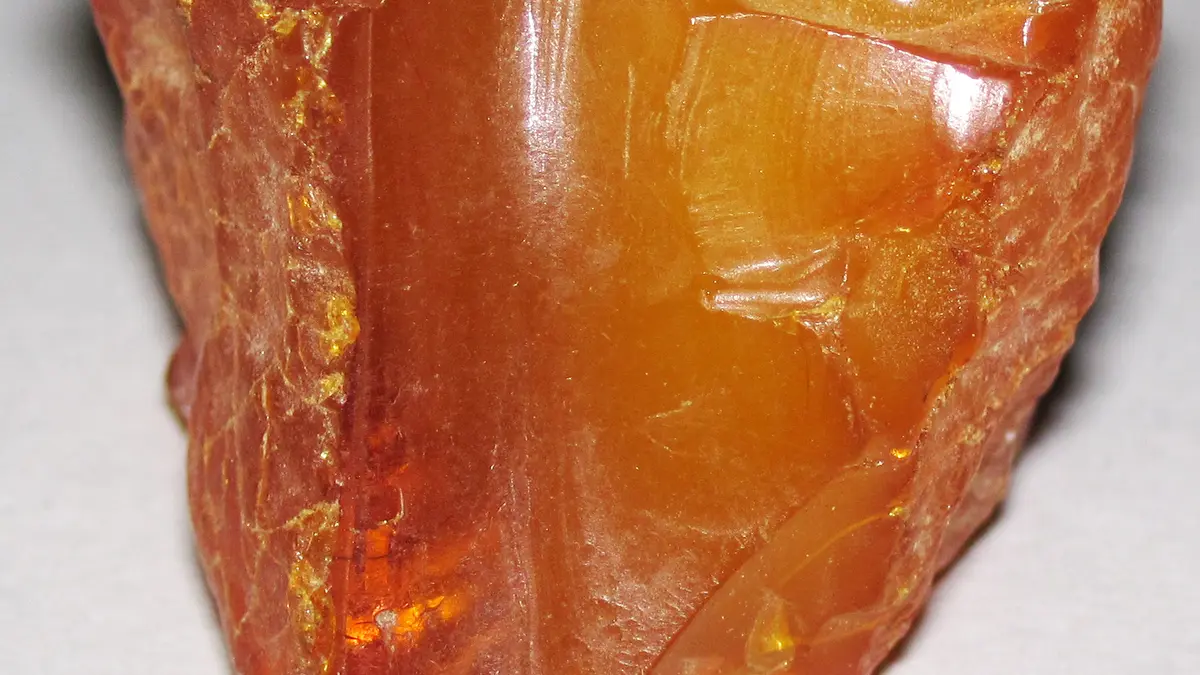
    Conventional essential oils are volatile materials obtained from an identified plant. Amber is hardened ancient tree resin, not the current leaf, flower, peel or wood of one named species.

    The J. Paul Getty Museum explains how buried resin hardens and polymerises as amber forms. Fully polymerised amber has lost the volatiles found in the original resin.

    That makes “amber essential oil” an imprecise trade name. There is no single botanical identity or composition that every seller must mean by it.

    What might be in the bottle?

    • A fragrance accord. Several aromatic materials may be blended to create a warm, resinous “amber” smell.
    • An infused oil. A carrier oil may be scented with resin or other materials.
    • A distillation product. Heating or dry distillation of fossil resin can produce an aromatic material sold under an amber-oil name.
    • A diluted perfume material. The product may already contain a carrier or solvent.

    These products can smell related while having different ingredients and hazards. The front label is not enough to identify them.

    How to assess an amber-oil product

    Read the full ingredient list, intended use and warnings. Look for the manufacturer’s name, batch details and a clear statement about dilution. Do not assume “100% natural” tells you what the product contains.

    If the seller presents amber as a single essential oil but gives no botanical name or production method, ask for clarification before buying. A responsible answer should identify the actual aromatic materials.

    Health claims

    Findings about frankincense, pine, lavender or another named oil cannot support an unspecified amber fragrance. The ingredients must be known before a health claim can even be framed properly.

    The FDA notes that an aromatherapy product’s intended use and claims affect how it is regulated. Plant origin does not by itself establish safety or effectiveness.

    Safety

    Use the product only for its stated purpose. Do not swallow it, apply it neat or add it to a diffuser unless the manufacturer clearly identifies that use.

    Stop after skin irritation, headache, coughing or breathing discomfort. If the ingredients are not disclosed, the safest assumption is that allergy, medicine and pregnancy questions cannot be answered from the word “amber”.

    Evidence scores for amber products

    No Claim Review is currently linked to this oil. Traditional use or a marketing claim is not enough to assign an Evidence Score.

    Profile sources

  • Fennel Essential Oil: Identity, Extraction and Safety

    Fennel Essential Oil: Identity, Extraction and Safety

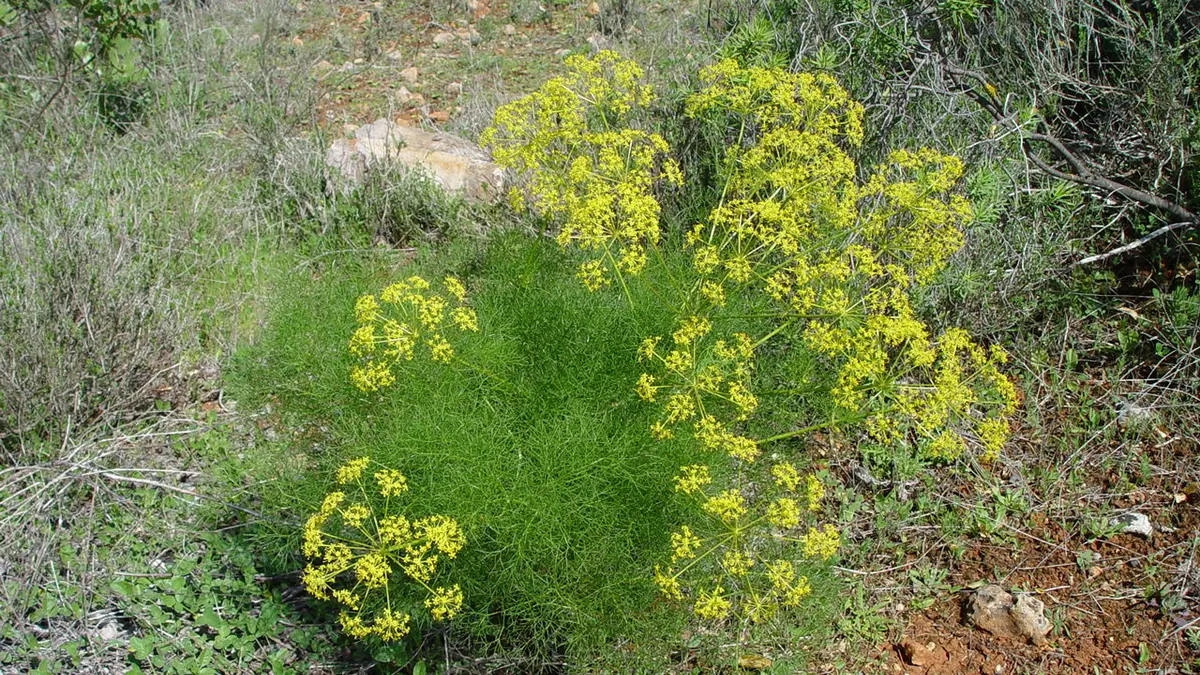
    Fennel essential oil is a concentrated volatile oil usually distilled from the ripe fruits of Foeniculum vulgare. The label should say whether the material is sweet or bitter fennel.

    Botanical identity

    Foeniculum vulgare Mill. is an accepted species in Kew’s Plants of the World Online. Kew records a native range from the Mediterranean to Ethiopia and western Nepal.

    “Fennel oil” is not a precise identity on its own. Labels may distinguish sweet fennel, bitter fennel, the plant part and the extraction method. Those details matter because the resulting oils can differ.

    How fennel essential oil is made

    Commercial fennel oil is normally produced by steam distillation of the ripe fruits, often called seeds. Steam carries volatile compounds from the crushed or prepared plant material, then cooling separates the oil from the water.

    The European Medicines Agency’s bitter-fennel oil monograph concerns a defined oil distilled from ripe fruits. It should not be applied automatically to every bottle labelled only “fennel”.

    Aroma and composition

    Fennel oil is usually sweet, anise-like and herbaceous. Trans-anethole is often prominent, while fenchone and other constituents vary with the variety, origin, harvest and distillation.

    A familiar smell does not prove identity or purity. A useful supplier provides the botanical name, plant part, oil type and batch details rather than relying on a broad culinary name.

    Food, herbal medicine and essential oil are different

    Fennel bulbs and fruits are used in food, but the distilled oil is much more concentrated. Evidence or safety information about food, tea or a measured herbal preparation cannot simply be transferred to the essential oil.

    The same rule applies in reverse. A traditional-use conclusion about one regulated preparation does not establish that inhaling or applying an ordinary aromatherapy oil treats the same complaint.

    Safety

    Do not swallow fennel essential oil unless it is supplied as a regulated product with clear instructions for that route. Store it away from children and use only as directed for skin or diffuser use.

    Stop using it if it causes irritation, coughing, headache or breathing discomfort. Pregnancy, breastfeeding, childhood, epilepsy, allergies and medicines are reasons to check the exact product with a pharmacist or doctor.

    Evidence scores for fennel

    No Claim Review is currently linked to this oil. Traditional use or a marketing claim is not enough to assign an Evidence Score.

    Profile sources

  • Yarrow Essential Oil: Identity, Extraction and Safety

    Yarrow Essential Oil: Identity, Extraction and Safety

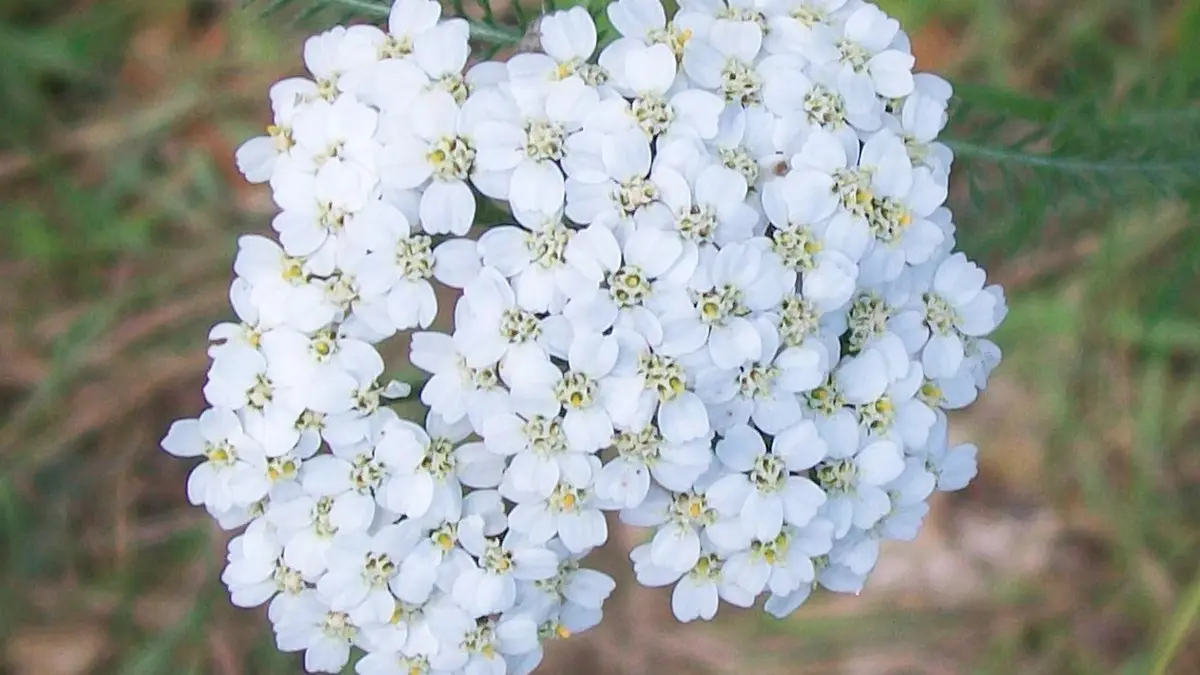
    Yarrow essential oil is distilled from the aromatic above-ground parts of Achillea millefolium. Its composition and colour can vary, so the botanical and batch details matter.

    Botanical identity

    Achillea millefolium L. is an accepted species in Kew’s Plants of the World Online. It is a temperate perennial with a wide native range across Eurasia and Greenland.

    The name “yarrow” can be used loosely in trade. A bottle should identify Achillea millefolium, the plant part used and whether the product is a pure distilled oil or a diluted blend.

    How yarrow essential oil is made

    Yarrow oil is generally steam-distilled from flowering aerial material. Heat and steam release volatile compounds, which are condensed and separated from the water-based distillate.

    Some yarrow oils are blue because compounds formed during distillation include chamazulene. Colour alone is not a quality test. Cultivar, harvest, storage and processing can all change the finished oil.

    Herb and essential oil are not interchangeable

    The European Medicines Agency describes traditional uses for defined yarrow-herb preparations. Its assessment covers dried, expressed or extracted aerial parts, not a general claim for any yarrow essential oil.

    This distinction prevents a common evidence error. A conclusion about tea, tincture or dry extract does not prove that inhaling or applying the concentrated volatile oil produces the same effect.

    Aroma and traditional use

    Yarrow oil is usually described as herbaceous, green and slightly camphoraceous. Yarrow itself has a long place in European herbal traditions, but history does not establish clinical effectiveness.

    Safety

    Do not swallow yarrow essential oil or apply it neat. Follow the exact product instructions and avoid the eyes, mouth, broken skin and other sensitive areas.

    The EMA records skin reactions and cautions people who are hypersensitive to yarrow or related daisy-family plants. Stop after a rash, swelling or breathing symptom and seek urgent help for a severe reaction.

    Reliable safety information for pregnancy, breastfeeding and young children is limited. Check the exact product with a pharmacist or doctor rather than assuming traditional use makes it suitable.

    Evidence scores for yarrow

    No Claim Review is currently linked to this oil. Traditional use or a marketing claim is not enough to assign an Evidence Score.

    Profile sources