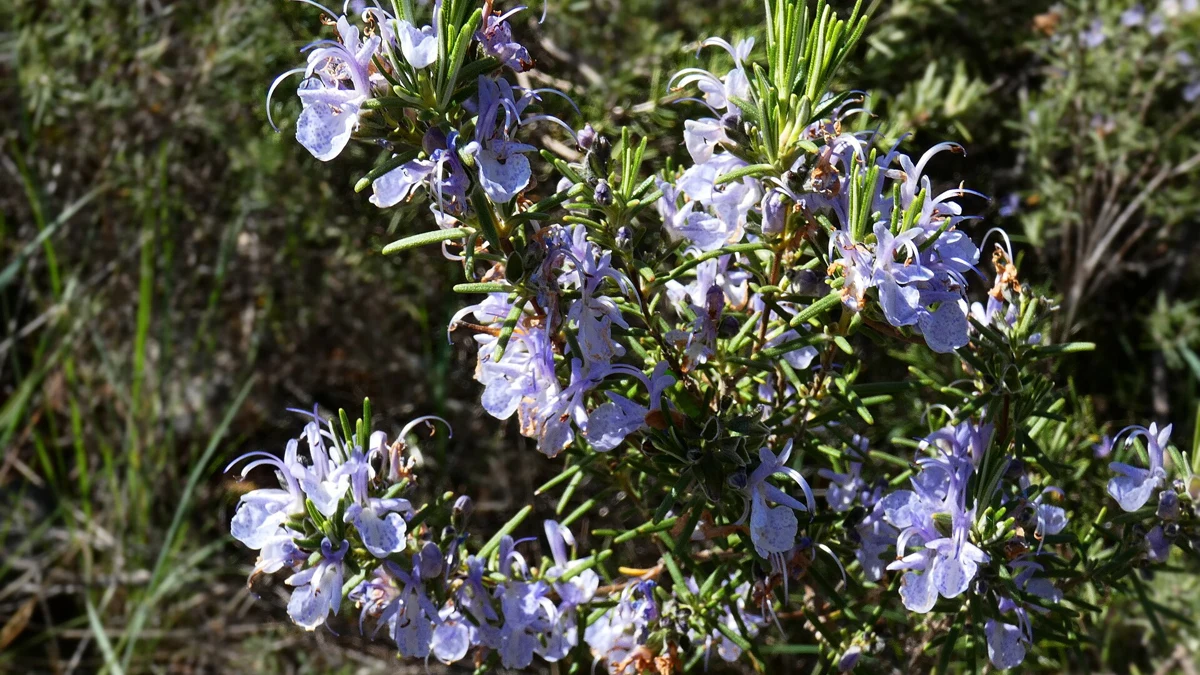
-Rosmarinus_officinalis_(41960388224).jpg)
HealthWatchlist verdict: Rosemary aroma has produced some positive results on short memory tests, but not a consistent improvement across all measures. Studies of rosemary drinks or capsules are different interventions. None of these findings establishes prevention or treatment of dementia.
Remembering a test item is not the same as treating memory loss
Memory research measures several things: accuracy, speed, recalling past information and remembering to carry out a future task. An intervention can help one measure while doing nothing for another. That is particularly relevant to rosemary, where positive headlines often omit the less favourable results.
The rosemary profile explains the plant and oil. Here we focus on human cognition studies and keep inhaled aroma separate from drinks and swallowed herbal preparations.
The 144-person aroma study had a trade-off
A randomised study of 144 healthy adults compared rosemary aroma, lavender aroma and no aroma during computerised tests. Rosemary improved overall memory quality and secondary-memory performance, but memory speed was worse than in the control group.
The researchers concealed the study’s true purpose to reduce expectation effects. Even so, it was a short laboratory assessment, not a study of daily functioning or dementia. A result that improves accuracy while slowing responses cannot fairly be described as a universal brain boost.
The blood-compound study shows an association
In a study of 20 healthy volunteers, researchers measured blood levels of 1,8-cineole after rosemary-aroma exposure. Higher levels were associated with better performance on some cognitive tasks.
This is an interesting possible mechanism. It does not prove that increasing exposure improves memory, establish a useful dose or show that long-term inhalation prevents decline. Correlation between a blood measurement and a test score is different from a controlled treatment effect.
A clinical population did not show clear between-group benefits
A randomised trial in 86 people receiving haemodialysis compared lavender, rosemary, orange and a control condition. Some retrospective-memory scores improved over time within the rosemary and lavender groups.
However, the researchers found no significant differences between the four groups in retrospective memory, prospective memory or medication adherence. This comparison matters more than improvement within one group: patients may change over time for reasons unrelated to the oil.
| Evidence | What it suggests | Important limit |
|---|---|---|
| Rosemary aroma in healthy volunteers | Some short-term memory results improved | Memory speed worsened in the larger early study |
| Rosemary in haemodialysis care | Some within-group changes | No significant advantage between groups |
| Rosemary water or capsules | Some favourable outcomes | Different preparations; not evidence for swallowing oil |
Why the drink and capsule studies need separate labels
A trial of rosemary water in 80 healthy adults reported small improvements on some cognitive measures after a single drink. The product contained rosemary extract and hydrolat. It was not a glass of water with retail essential oil added.
A 68-student trial of an oral rosemary preparation reported better questionnaire scores for aspects of memory and mood after a month. Its findings concern that swallowed herbal preparation and self-reported outcomes, not the inhalation method used in the aroma studies.
A pilot trial combining sage, rosemary and lemon balm is another distinct intervention. Whatever its outcome, a three-herb combination cannot isolate the contribution of rosemary. Mixing these different products into one list of “rosemary oil trials” overstates the evidence.
What to do about troublesome forgetfulness
NHS advice is to see a GP when memory problems affect everyday life. Sleep problems, stress and other treatable issues can contribute. Rosemary should not delay an assessment or replace a medication reminder system, especially when missed doses matter.
If you enjoy rosemary’s scent while reading, that preference does not require a medical claim. Keep it optional and stop if it causes irritation or headache. Essential oils can cause contact allergy; do not apply concentrated oil or swallow it to recreate a research finding.
Our assessment
Finding: mixed results. Evidence strength: limited human evidence. There are genuine human experiments, but inconsistent outcomes and different preparations limit the conclusion. We found no basis in these studies for describing rosemary aroma as a dementia treatment or promising lasting memory protection.
How this review was researched
Research checked on 14 September 2026. We searched PubMed for the named preparation and outcome, read the retrieved study abstracts and relevant reviews, and checked the linked health guidance. This is an editorial review, not an exhaustive systematic review. We identify studies of mixtures, other preparations and different patient groups rather than treating them as interchangeable evidence.
Related reading
References
- Aromas of rosemary and lavender essential oils differentially affect cognition and mood in healthy adults.
- Plasma 1,8-cineole correlates with cognitive performance following exposure to rosemary essential oil aroma.
- The effects of lavender, rosemary and orange essential oils on memory problems and medication adherence among patients undergoing hemodialysis: A parallel randomized controlled trial.
- Acute ingestion of rosemary water: Evidence of cognitive and cerebrovascular effects in healthy adults.
- Effects of Rosmarinus officinalis L. on memory performance, anxiety, depression, and sleep quality in university students: A randomized clinical trial.
- A randomised double-blind placebo-controlled pilot trial of a combined extract of sage, rosemary and melissa, traditional herbal medicines, on the enhancement of memory in normal healthy subjects, including influence of age.
- NHS: Memory loss
- DermNet: Allergic contact dermatitis to essential oils