Category: Oil Profiles

  • Cinnamon Bark Essential Oil: Evidence, Burns and Safety

    Cinnamon Bark Essential Oil: Evidence, Burns and Safety

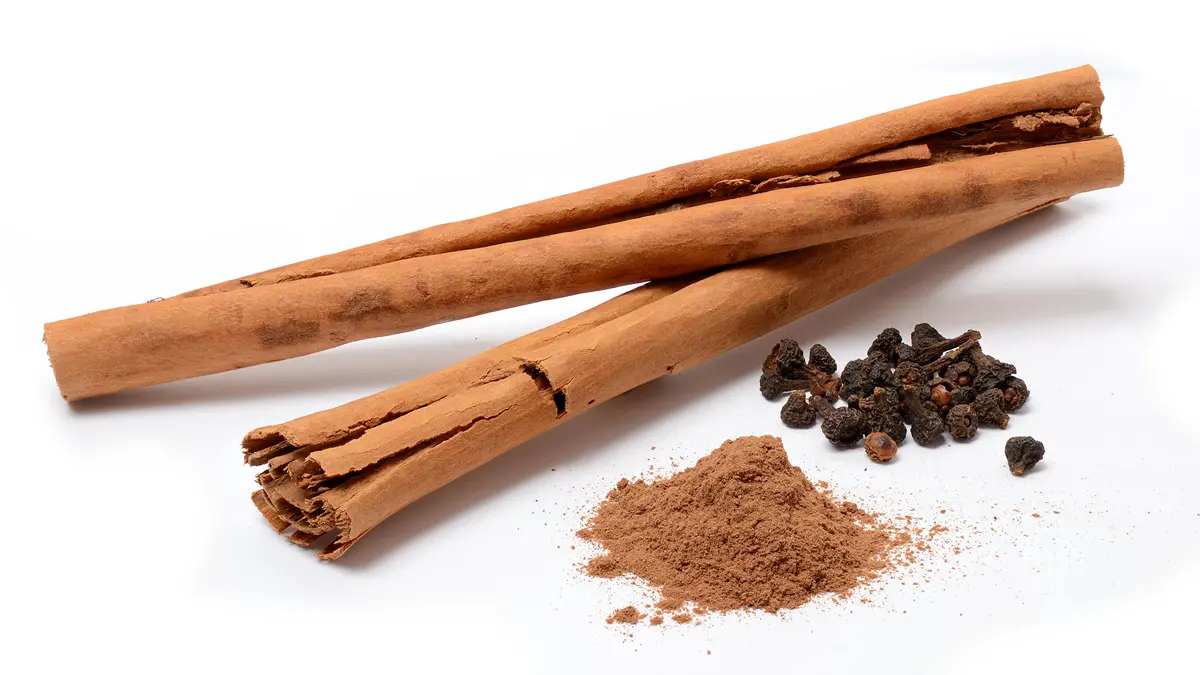
    Short answer: cinnamon bark essential oil is a highly concentrated, usually cinnamaldehyde-rich oil distilled from the bark of a named cinnamon species. Laboratory antimicrobial activity is real, but it does not establish a safe treatment. The oil can irritate or burn skin and should not be swallowed as a home remedy.

    Which cinnamon?

    True or Ceylon cinnamon is Cinnamomum verum. Cassia products may come from Cinnamomum cassia or related species. The common name “cinnamon” does not resolve the difference. Kew’s Plants of the World Online provides the botanical record for C. verum.

    A bark oil is also different from cinnamon leaf oil, ground culinary spice, a water extract or a standardised supplement. A recent review describes the varied chemistry and research associated with cinnamon species and preparations. Results from one preparation should not be moved to another without evidence.

    Bark oil chemistry

    Cinnamaldehyde is commonly the dominant constituent of cinnamon bark oil, although composition varies by species, origin and processing. Leaf oil is often richer in eugenol. A batch analysis should therefore state both the botanical source and principal constituents.

    Cinnamaldehyde helps explain both the oil’s strong aroma and its hazard profile. Experimental skin-sensitisation research identifies cinnamaldehyde as an important fragrance sensitiser. Oxidation, concentration and repeated exposure can influence reactions.

    Antimicrobial results are not clinical treatment

    In-vitro research has reported antimicrobial effects for cinnamon bark essential oil. Other laboratory work has tested bark oil against selected microorganisms. These experiments expose organisms directly to controlled concentrations, often under conditions that cannot be used safely on skin or inside the body.

    The results do not prove that putting cinnamon oil on acne, fungal infection, a wound or a painful tooth is effective. They also do not show that diffusing it disinfects a room. Clinical treatment must reach the target at a safe dose and outperform an appropriate comparison in people.

    What about diabetes and other health claims?

    Human studies and reviews of cinnamon supplements usually concern bark powder or an oral extract, not essential oil. Even when a cinnamon preparation changes a laboratory measurement, that result cannot define an effective or safe oil dose. Swallowing concentrated bark oil can irritate the mouth and digestive tract and creates an unnecessary poisoning risk.

    HealthWatchlist did not find a robust body of trials establishing cinnamon bark essential oil as a treatment for diabetes, infection, inflammation, weight loss or chronic pain.

    This is a particularly important evidence mismatch. A review headed “cinnamon and blood glucose” may include powders or extracts taken for weeks, while an oil contains a different fraction of the plant. Even a positive result for the former would not answer whether inhaling, applying or swallowing bark oil helps.

    Burns and allergy

    A published case describes a chemical burn after topical cinnamon-oil exposure. Older clinical literature also documents contact allergy to cinnamon and allergic reactions associated with cinnamal-containing products. Individual cases cannot provide an incidence rate, but they are consistent with the known irritant and sensitising potential.

    • Do not swallow bark oil or use it in food, drinks or capsules.
    • Do not apply it neat, to damaged skin or inside the mouth.
    • Avoid homemade dental, acne and fungal remedies.
    • Prefer a finished product with a complete ingredient list and directions.
    • Keep the bottle away from children and pets.
    • Stop exposure after burning, rash, coughing, wheeze, headache or nausea.

    Anyone with fragrance allergy, eczema, asthma or previous reactions to cinnamon should be especially cautious. Pregnancy, breastfeeding, childhood and medicine use warrant advice about the exact finished product rather than a generic dilution suggestion.

    After accidental eye or skin exposure, remove contaminated clothing and rinse with plenty of lukewarm water. Persistent pain, blistering, eye involvement or a large exposure needs professional assessment. Do not try to neutralise the oil with another household chemical.

    Buying checklist

    • The label states the Latin species and “bark”, not simply “cinnamon”.
    • Steam distillation and country of origin are disclosed.
    • A current analysis quantifies cinnamaldehyde and other major constituents.
    • The supplier distinguishes bark oil from leaf oil and cassia.
    • Directions do not encourage ingestion or neat skin use.
    • Laboratory antimicrobial findings are not turned into disease claims.

    My assessment

    Cinnamon bark oil has well-documented laboratory activity and an important fragrance role. Its human treatment evidence is much weaker than advertising suggests, while its ability to irritate, sensitise and burn skin is credible. It is a poor choice for casual home remedies and should be handled as a potent fragrance ingredient, not as concentrated culinary cinnamon.

    Cinnamon oil and snoring

    Cinnamon inhalation has been studied in animal anxiety models. Those experiments did not test human sleep, snoring or airway obstruction.

    Read the cinnamon comparison in our snoring guide for the distinction between laboratory signals and clinical evidence.

    Targeted evidence update: 14 September 2026. This section does not represent a new review of every claim on this profile.

    Reference: Nguyen LTH et al. Molecules. 2022;27:7997. doi:10.3390/molecules27227997.

    Cinnamon and fungal nails

    Cinnamon research distinguishes bark, cassia and leaf preparations and different fungal species; laboratory inhibition is not a nail cure. See the detailed evidence comparison for the studies, limitations and appropriate care.

    Cinnamon and toothache

    Cinnamon oil and a nanoemulsion inhibited experimental oral biofilms. These findings do not establish human toothache relief or a safe preparation for gums and cavities. See the detailed evidence comparison for the studies, limitations and care context.

    References

    1. Kew Plants of the World Online search for Cinnamomum verum
    2. Review of cinnamon chemistry and biological research
    3. Research on cinnamaldehyde and skin sensitisation
    4. In-vitro study of cinnamon bark essential oil
    5. Laboratory antimicrobial study of cinnamon bark oil
    6. Chemical burn associated with topical cinnamon oil
    7. Clinical report of contact allergy to cinnamon
    8. Allergy associated with cinnamal-containing products

    Cinnamaldehyde activity remains laboratory evidence

    Evidence update: 14 September 2026.

    The cinnamon bark oil screen and follow-up cinnamaldehyde experiments concern bacterial cultures. Neither establishes a human dose, safe tissue exposure or clinical recovery. Cinnamon leaf oil also cannot inherit results from bark oil or an isolated constituent. Persistent symptoms deserve clinical assessment and support.

  • Blue Tansy Essential Oil: Identity, Evidence and Safety

    Blue Tansy Essential Oil: Identity, Evidence and Safety

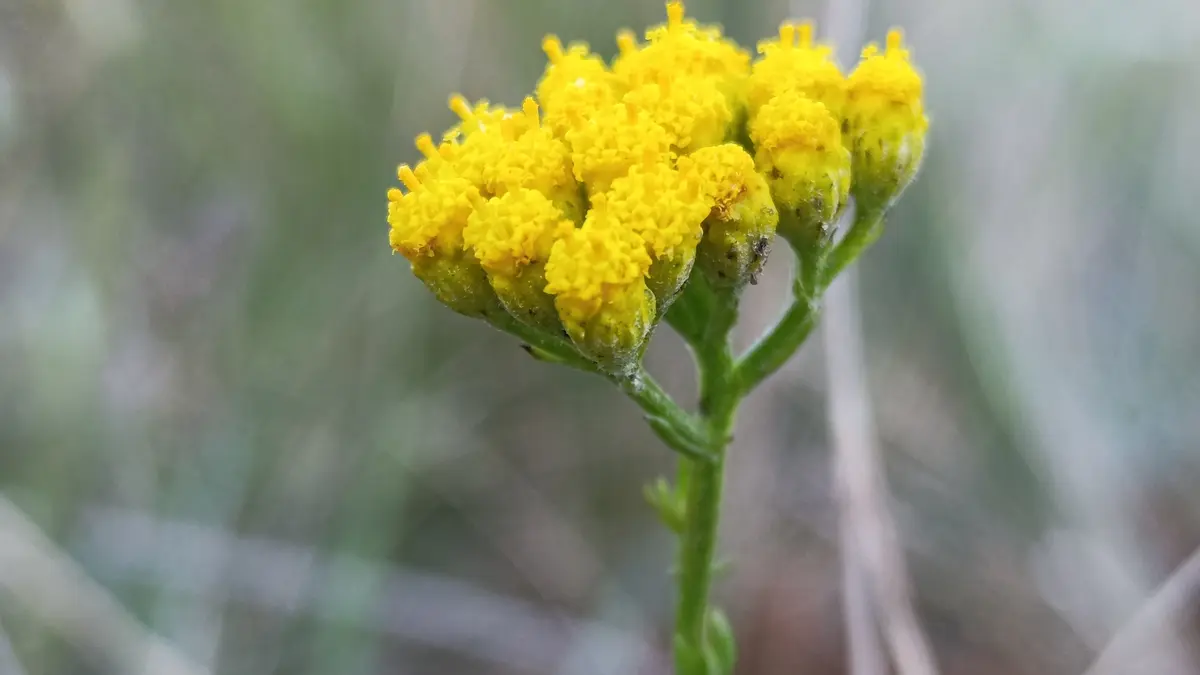
    Short answer: blue tansy oil is distilled from Tanacetum annuum, a Mediterranean plant also classified as Vogtia annua. Its blue colour develops during distillation and is associated with chamazulene. Laboratory studies describe its chemistry, but there is not good human evidence that the oil treats acne, eczema, allergy or anxiety.

    Blue tansy is not common tansy

    The name causes recurring confusion. Blue tansy is Tanacetum annuum, while common tansy is usually Tanacetum vulgare. They are different species with different chemical profiles. Current taxonomic databases may place blue tansy under the accepted name Vogtia annua, so a responsible supplier should explain the synonym rather than omit the botanical identity.

    A detailed chemical study of T. annuum essential oil describes a complex mixture whose proportions can change with origin and plant material. Marketing photographs of a deep-blue bottle do not establish species, purity or composition.

    Why is the oil blue?

    Chamazulene is formed from plant precursors during heating and distillation. It contributes a blue colour and attracts much of the product’s marketing. The colour is not, by itself, a quality test. Concentration, storage, oxidation, blending and added colour can all affect appearance.

    Research on blue tansy oil has reported its volatile composition and laboratory repellent activity. This may help characterise the material, but it does not demonstrate a skin treatment or establish a safe household dose.

    What does the evidence support?

    Most accessible research concerns plant chemistry, antioxidant tests, antimicrobial assays or effects on insects. Those are useful starting points for formulation and further investigation. They are not clinical trials. HealthWatchlist did not find a reliable body of controlled human studies showing that inhaled or topically applied blue tansy oil treats a defined condition.

    Claims for acne and eczema are especially easy to overstate. A substance can inhibit microorganisms in a laboratory dish and still fail to improve acne on living skin. Eczema is associated with an impaired skin barrier, which can make fragranced products more irritating. Neither blue colour nor an in-vitro result proves anti-inflammatory benefit for a person.

    Claims about calm or sleep face a similar gap. A scent may be pleasant and become part of a relaxing routine, but preference is not evidence that it treats an anxiety disorder or insomnia.

    There is also no clinical basis for describing blue tansy as a “natural antihistamine”. Allergy involves several possible organs and mechanisms, and serious reactions can progress quickly. A laboratory observation about one constituent cannot show that smelling or applying the oil prevents an allergic response.

    Identity and safety problems

    Confusing blue tansy with common tansy is not a trivial naming error. Research on common tansy shows substantial chemical diversity, including profiles that may contain thujone. A separate laboratory study of common tansy tested biological activity and cell toxicity. These findings should not be used to describe genuine blue tansy, but they show why the Latin name matters.

    Essential oils can cause irritant or allergic contact dermatitis. A clinical review describes allergic contact dermatitis associated with essential oils and their constituents. Oxidation may change the sensitisation profile, so old or poorly stored oil is not necessarily equivalent to a fresh batch.

    Using it more cautiously

    • Do not swallow the oil or put it in food, drinks or capsules.
    • Do not apply it neat or use it on broken, inflamed or eczematous skin.
    • Prefer a finished cosmetic with a full ingredient list over a homemade facial mixture.
    • Keep it away from eyes and mucous membranes.
    • Diffuse briefly, with ventilation, and stop if it causes headache, coughing, wheeze or nausea.
    • Keep it out of reach of children and pets.

    People who are pregnant, breastfeeding, treating a child, using multiple medicines or living with asthma or fragrance allergy should seek individual advice before exposure.

    Storage deserves attention because a partly used bottle contains both oil and air. Keep it tightly closed, away from heat and light, and follow the supplier’s shelf-life advice. Discard it if the smell or appearance changes markedly rather than trying to mask deterioration in a blend.

    Buying checklist

    • The label states Tanacetum annuum and ideally acknowledges the synonym Vogtia annua.
    • The plant part, origin and distillation method are disclosed.
    • A recent batch analysis is available.
    • The supplier distinguishes blue tansy from T. vulgare.
    • The blue colour is not presented as proof of medical activity.
    • The seller avoids claims to treat acne, eczema, allergy, anxiety or sleep disorders.

    My assessment

    Blue tansy is an interesting aromatic material with distinctive chemistry, but its online reputation is much larger than its human evidence base. The priority is correct species identification, a current analysis and conservative exposure. It should be bought as a fragrance ingredient, not as a blue-coloured shortcut to treating a skin or mental-health condition.

    Blue tansy oil and snoring

    Published blue-tansy research includes chemical and mosquito-repellent testing. Our targeted search found no controlled human trial measuring snoring or sleep-disordered breathing.

    Read the blue tansy comparison in our snoring guide for the evidence gap and search limits.

    Targeted evidence update: 14 September 2026. This section does not represent a new review of every claim on this profile.

    Reference: Stappen I et al. Natural Product Communications. 2021. doi:10.1177/1934578X21990194.

    References

    1. Kew Plants of the World Online search for Tanacetum annuum
    2. Chemical characterisation of Tanacetum annuum essential oil
    3. Composition and laboratory repellent research
    4. Chemical diversity of common tansy
    5. Common tansy oil and constituents: Laboratory activity and cytotoxicity
    6. Clinical review of allergic contact dermatitis from essential oils

    Editorial responsibility and correction note

    Editor: John Hamlen. This article has not been independently reviewed by a clinician.

    Reference correction, 12 September 2026: Changes in this check: Correct original laboratory research labelled as a review; Correct bibliographic description against source record. This was a targeted correction, not a comprehensive new review of every claim in this article.

    Read our editorial policy, evidence method and corrections policy, including how to report an error.

  • Birch Essential Oil: Methyl Salicylate, Evidence and Safety

    Birch Essential Oil: Methyl Salicylate, Evidence and Safety

    Short answer: sweet birch essential oil is usually distilled from Betula lenta bark and is composed largely of methyl salicylate. That chemistry gives it a wintergreen-like smell, but also creates a serious poisoning risk. It should not be swallowed or used as a home treatment for pain.

    What is birch essential oil?

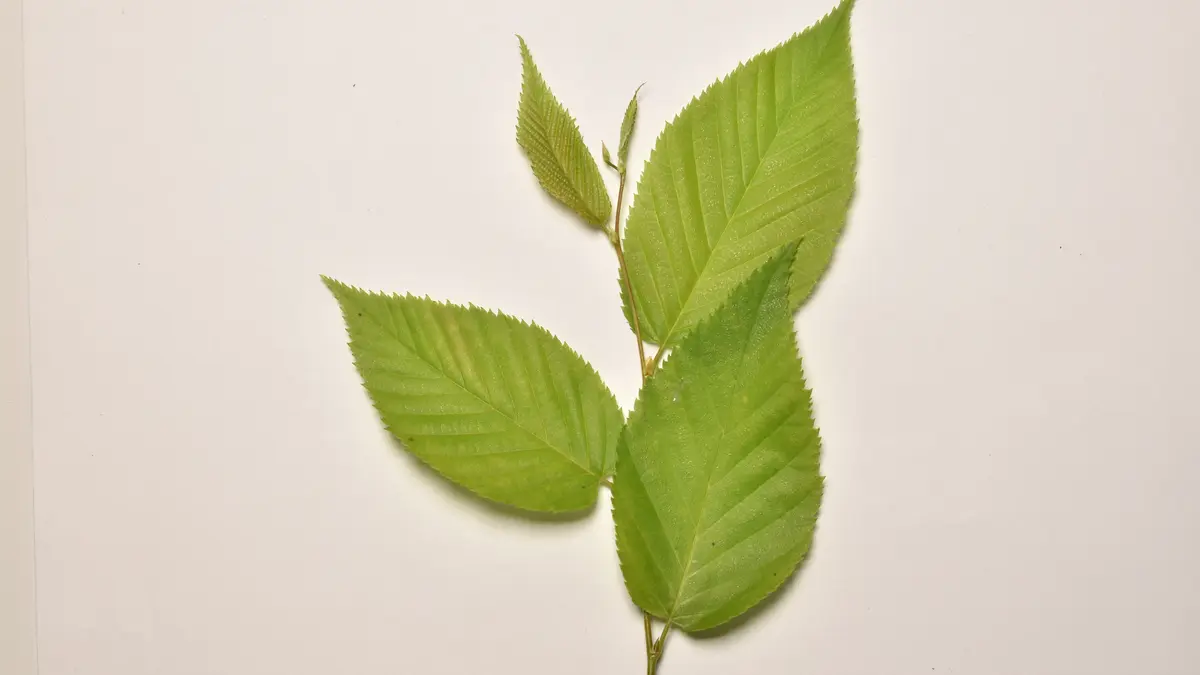
    “Birch oil” is not a sufficiently precise identity. Sweet or black birch oil should be labelled Betula lenta, with the plant part and extraction method stated. Other birch species, extracts and fragrances are different materials. Kew’s Plants of the World Online provides the botanical record for Betula lenta.

    Authentic sweet birch oil has an unusual commercial history because methyl salicylate can also be manufactured or obtained from wintergreen. A market survey using chromatography and isotope analysis found methyl salicylate at 93.24 to 99.84 per cent in the sweet birch oils tested, while also identifying labelling and authenticity concerns. A common name alone cannot show where the material came from.

    Chemistry is the central safety issue

    Methyl salicylate is related to aspirin. Once absorbed, it is converted to salicylate in the body. The concentrated oil is therefore not comparable with smelling birch bark or drinking an ordinary herbal infusion. The European Commission’s Scientific Committee on Consumer Safety assessed methyl salicylate across cosmetic uses and treated exposure as a substance-specific safety question, not as a general endorsement of essential-oil use.

    MedlinePlus describes methyl salicylate overdose as potentially serious. Symptoms can involve breathing, the nervous system, hearing, digestion and acid-base balance. A small bottle may contain far more methyl salicylate than a reader expects from the word “natural”.

    Does it relieve pain?

    Topical medicines containing a measured concentration of methyl salicylate are sold for temporary relief of minor muscular aches. That does not show that undiluted birch oil, an improvised blend or oral use is safe or effective. A licensed or regulated finished medicine has a defined formula, directions and warnings. A bottle of essential oil does not automatically meet those conditions.

    Evidence about aspirin, prescribed salicylates or formulated rubefacient products cannot be transferred directly to birch essential oil. Dose, route, skin area and the other ingredients all affect exposure. HealthWatchlist did not find robust clinical trials establishing sweet birch essential oil itself as a treatment for arthritis, chronic pain, headache or sports injury.

    The distinction also matters when reading a product label. “For external use” does not mean unlimited skin exposure, and dilution advice based only on a number of drops cannot account for bottle size, drop size or the methyl salicylate percentage. A person using several pain products may also combine salicylate exposures without realising it.

    How poisoning happens

    Swallowing is the clearest danger, but extensive skin application can also cause substantial exposure. A published fatal case linked excessive topical methyl salicylate use with salicylate toxicity. Case reports cannot estimate how often harm occurs, but they demonstrate that dermal use is not automatically harmless.

    Children are particularly vulnerable. A case report described severe upper-airway effects after a child ingested an essential-oil preparation containing methyl salicylate. The Royal Children’s Hospital guideline notes that essential-oil ingestion can cause rapid toxicity and aspiration problems, and recommends urgent assessment for significant or symptomatic exposures.

    Who should avoid it?

    • Do not swallow birch oil or use it in food, drinks, capsules or the mouth.
    • Do not use it on children, or leave it where a child could reach it.
    • Avoid use if aspirin or other salicylates have caused allergy or asthma symptoms.
    • Seek medical or pharmacist advice if you use anticoagulants, antiplatelet medicines or other products containing salicylates.
    • Do not apply it neat, over a large area, to damaged skin or beneath an occlusive dressing.
    • Avoid use during pregnancy or breastfeeding unless a suitably qualified clinician has assessed the exact product.

    If birch oil has been swallowed, do not wait for symptoms and do not induce vomiting. Contact the relevant poisons service or emergency medical service and keep the bottle available for identification.

    Early symptoms may be vague, including nausea, vomiting, dizziness or ringing in the ears. Their absence immediately after exposure does not make the ingestion safe. Professional poisons advice uses the product, amount, route, age, weight and symptoms to decide what happens next.

    Buying checklist

    • The label names Betula lenta, the plant part and the extraction method.
    • A current batch analysis states the methyl salicylate content.
    • The supplier gives prominent ingestion, child-safety and medicine-interaction warnings.
    • The product is not promoted as an aspirin substitute or cure for chronic pain.
    • Authenticity documentation goes beyond a generic “therapeutic grade” claim.

    My assessment

    Sweet birch oil is chemically distinctive, but its dominant constituent makes the safety margin more important than its traditional reputation. There is no good reason to improvise with it for pain when measured, labelled alternatives and professional advice are available. For most households, avoiding the oil is the simplest risk reduction.

    Birch and plantar heel pain

    Birch chemistry and a methyl-salicylate/menthol muscle-strain patch trial do not establish a birch-oil treatment for plantar fasciitis. See the detailed plantar-fasciitis comparison for the studies, limitations and care context.

    References

    1. Kew Plants of the World Online: Betula lenta
    2. Authentication and chemical survey of commercial sweet birch essential oils
    3. Scientific Committee on Consumer Safety: Opinion on methyl salicylate
    4. MedlinePlus: Methyl salicylate overdose
    5. Fatal salicylate toxicity associated with topical methyl salicylate
    6. Child poisoning case involving methyl salicylate
    7. Royal Children’s Hospital: Essential oil poisoning guideline
  • Clary Sage Essential Oil: Evidence, Uses and Safety

    Clary Sage Essential Oil: Evidence, Uses and Safety

    Short answer: clary sage essential oil is normally distilled from Salvia sclarea and is often rich in linalyl acetate and linalool. Small human studies have explored mood, menstrual symptoms and use around labour, but they do not justify claims that the oil balances hormones, induces labour or treats a medical condition.

    Identity and production

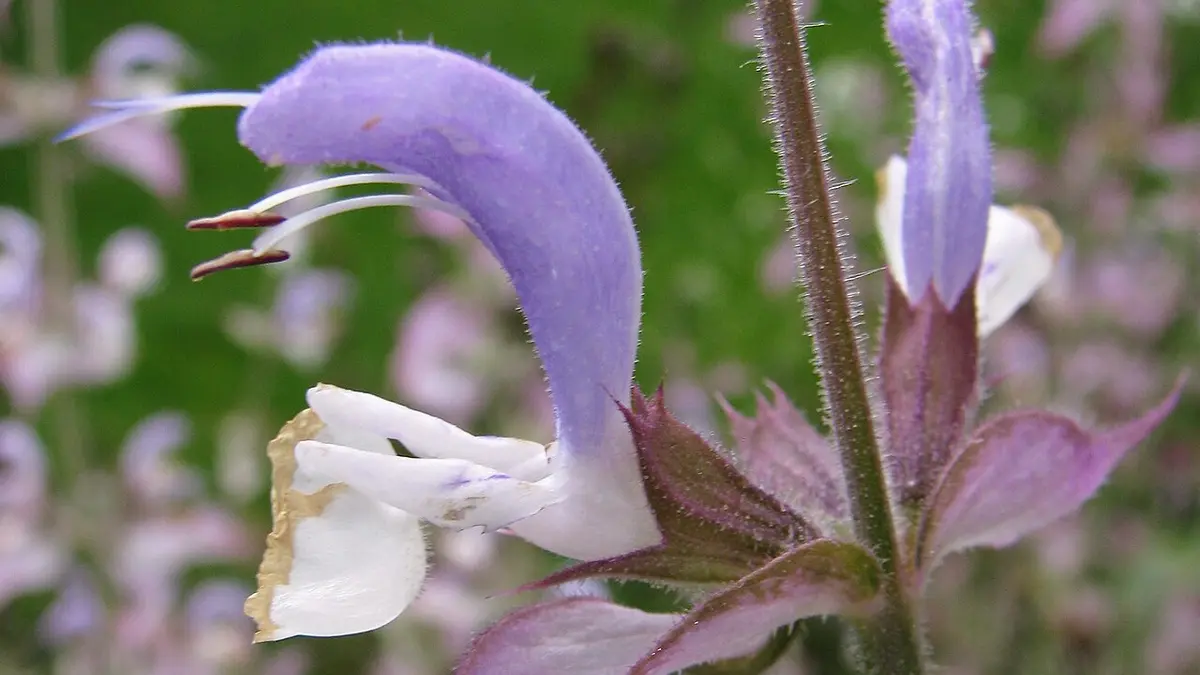
    Kew’s Plants of the World Online accepts Salvia sclarea L. as a species. It is distinct from common sage, Salvia officinalis. Advice about one sage oil should not be transferred to the other.

    Clary sage oil is generally steam-distilled from flowering tops and leaves. The essential oil is different from an herbal tea, extract, absolute or fragrance oil. The label should name the species, plant part and extraction method.

    Composition

    Linalyl acetate and linalool are often the main volatile components. One chemically characterised sample contained predominantly linalyl acetate, but composition varies with origin, harvest and distillation.

    Sclareol, a less volatile diterpene used in fragrance chemistry, may be present in smaller amounts. Its name and laboratory activity have helped create online “oestrogenic” or “hormone balancing” claims. Detecting a constituent does not demonstrate that smelling or applying the oil corrects a hormone disorder.

    Mood and stress research

    A small pilot investigation examined pulse, blood pressure and mood after topical or inhaled clary sage oil exposure. The experiments involved about 30 participants each and reported sex-dependent or mood-related changes.

    The sample sizes were small, the scent was difficult to blind and short physiological changes are not proof of treatment for anxiety or depression. The study is useful as an early signal, not a clinical recommendation.

    Menstrual symptoms

    Some aromatherapy studies for period pain use blended oils and massage. A trial of an aromatic massage blend included several essential-oil constituents and reported reduced menstrual pain. It cannot isolate clary sage from the other oils, carrier, massage or expectations.

    A 2026 study reported symptom changes after clary sage inhalation during menstruation. The result deserves replication and assessment of blinding, clinical importance and adverse effects before broad conclusions. It does not establish that the oil treats endometriosis, fibroids, polycystic ovary syndrome or unexplained pelvic pain.

    Pregnancy and labour claims

    Clary sage is often promoted online to “bring on labour”. That is a high-stakes claim. A small study measured salivary oxytocin after scent exposure in term pregnancy, but a hormone measurement is not the same as safely inducing labour or improving birth outcomes.

    A Cochrane review of aromatherapy for labour pain found limited and heterogeneous evidence. Some studies allowed a choice or blend of oils, making clary sage-specific conclusions especially difficult.

    Do not use clary sage to start or accelerate labour without the maternity team’s explicit advice. Timing, membranes, bleeding, fetal position, previous caesarean birth and other clinical factors cannot be assessed by an oil seller. During pregnancy or breastfeeding, ask a midwife, pharmacist or doctor about the exact product and route.

    Laboratory findings

    A laboratory study reported antifungal effects for a characterised clary sage oil and linalyl acetate combination. Other in-vitro work has examined antimicrobial activity.

    Direct laboratory contact does not show that a diffuser treats infection or that neat oil is safe on affected skin. Human treatment claims need clinical trials using a defined finished preparation.

    General safety

    • Do not swallow the oil or add it to food and drink.
    • Avoid neat application, eyes, mucous membranes and broken skin.
    • Use a properly formulated finished cosmetic for skin exposure.
    • Diffuse briefly at low intensity with ventilation.
    • Stop after irritation, wheeze, headache, nausea or dizziness.
    • Keep the bottle out of reach of children and pets.

    Linalool can oxidise during storage, and oxidised fragrance materials may be more sensitising. Keep the container tightly closed and away from heat and light. A batch analysis is more informative than claims that an oil is “therapeutic grade”.

    Buying checklist

    • Salvia sclarea is printed on the label.
    • The flowering top or aerial part and distillation method are identified.
    • A batch number and recent composition report are available.
    • The supplier distinguishes common sage from clary sage.
    • No claim promises hormone balancing or unsupervised labour induction.
    • Pregnancy and skin directions are conservative and specific.

    My assessment

    Clary sage oil has a recognisable fragrance profile and several small human studies, but the clinical evidence remains preliminary. It should not be marketed as a hormone treatment or labour-induction method. Product identity, limited exposure and appropriate maternity advice matter more than confident online recipes or testimonials, particularly when pregnancy complications or medicines are involved.

    Clary sage and jaw pain

    Clary sage appears in a menstrual-pain blend and a short-term psychological study. Neither establishes treatment of jaw pain or bruxism. See the detailed evidence comparison for the studies, limitations and care context.

    Clary sage and psoriasis

    Clary sage has encouraging rat wound-healing findings, but no controlled human psoriasis trial was located. Wound closure and psoriasis control are different outcomes. See the detailed evidence comparison for the primary studies, limitations and care context.

    Clary sage and oily skin

    Laboratory antibacterial findings do not establish that clary sage oil reduces facial sebum. A controlled human oil-control trial was not located. See the detailed evidence comparison for the primary studies, limitations and care context.

    Clary sage and wrinkles

    An isolated-sclareol cream study reported wrinkle improvement. It did not test bottled clary sage essential oil, and full clinical methods were unavailable for appraisal. See the detailed evidence comparison for the primary studies, limitations and care context.

    References

    1. Kew Plants of the World Online: Salvia sclarea
    2. Chemical composition and laboratory antimicrobial study
    3. Pilot study of clary sage oil, physiology and mood
    4. Trial of blended aromatic massage for menstrual pain
    5. 2026 study of clary sage inhalation and menstrual symptoms
    6. Study of salivary oxytocin after aroma exposure in term pregnancy
    7. Cochrane review of aromatherapy for labour pain
    8. Laboratory antifungal study of characterised clary sage oil

  • Citronella Essential Oil: Repellent Evidence, Uses and Safety

    Citronella Essential Oil: Repellent Evidence, Uses and Safety

    Short answer: citronella essential oil is distilled from aromatic Cymbopogon grasses and has evidence as a short-acting mosquito repellent in suitable formulations. It is generally less durable than established long-lasting repellents. A citronella candle, diffuser or homemade skin blend should not be assumed to prevent bites or mosquito-borne disease.

    Which citronella?

    Citronella is not one precisely defined plant product. Ceylon citronella is associated with Cymbopogon nardus, while Java citronella is generally associated with C. winterianus. Kew accepts Cymbopogon nardus as a species.

    Citronella, lemongrass and palmarosa are related grasses but are not interchangeable names. The bottle should state the botanical species, plant part, origin and steam-distillation method.

    What is in the oil?

    Citronellal, geraniol and citronellol are prominent components, with proportions differing between plant type and batch. Other constituents, including methyl eugenol, may occur at lower concentrations.

    A Canadian government assessment discusses citronella oil composition, uses and exposure. This variability is one reason a registered finished repellent is more informative than a bottle of raw oil.

    Mosquito-repellent evidence

    A systematic review of controlled laboratory studies found that citronella products can repel mosquitoes but generally protect for less time than DEET. Formulation mattered, and evaporation limited duration.

    A broader review of plant-based repellents reached a similar conclusion: citronella can provide protection, but its volatility usually makes that protection short-lived unless the formulation slows release.

    One comparative study reported declining citronella repellency over a two-hour period. A controlled arm-in-cage or laboratory result does not guarantee equivalent protection during walking, sweating, swimming or prolonged outdoor exposure.

    Do candles and diffusers work?

    An area product is not the same as a skin repellent. Smoke, wind, distance, temperature and placement all change exposure. Health Canada notes that many area repellents do not protect people as well as personal insect repellents.

    Do not rely on a citronella candle or room diffuser where mosquito-borne disease is a concern. Use an authorised repellent with evidence for the setting, wear suitable clothing, use screens or nets, and follow current travel-health advice.

    Choose a finished repellent

    “Natural” does not remove the need to demonstrate both safety and effectiveness. Health Canada advises using approved personal insect repellents according to their labels, including products based on natural ingredients.

    A commercial product sets the concentration, solvent, application interval, age restrictions and precautions. A homemade dilution does not come with validated protection time or a complete safety assessment.

    Skin and household safety

    Citronella oil and its fragrance constituents can irritate skin and eyes or cause allergic contact dermatitis. Do not apply neat oil. Do not spray it towards the face, use it on broken skin or assume it is suitable for young children.

    Keep bottles and repellent products out of reach. Do not swallow the oil. Poison Control advises case-specific help after a concerning essential-oil exposure.

    When diffused or heated indoors, citronella adds volatile chemicals to the air. Use ventilation and stop after coughing, wheezing, headache, nausea or eye irritation. Keep it away from flames and hot surfaces unless it is part of a finished candle designed and labelled for that use.

    Food exposure is not a dosing guide

    Health Canada assessed very low citronella exposure as a flavouring agent and explicitly compared it with the much higher exposure involved in a topical repellent. That assessment does not support swallowing bottled essential oil.

    Buying checklist

    • The botanical species is stated, not just “citronella”.
    • A batch number and composition report are available.
    • A skin repellent has an authorised label and tested application interval.
    • The age and pregnancy directions are explicit.
    • The seller does not imply that a candle guarantees bite protection.
    • Methyl eugenol and relevant fragrance allergens are addressed.

    Citronella is not oil of lemon eucalyptus

    Citronella oil should not be confused with oil of lemon eucalyptus or its refined active ingredient, PMD. They come from different plants and have different evidence, concentrations and product labels. Nor is citronella the same as culinary lemongrass oil. Substituting one bottle for another can change both protection time and irritation risk. The product’s age and storage conditions can also affect its composition. When bite prevention matters, use the active ingredient and application interval printed on an authorised finished repellent rather than choosing by a lemon-like smell.

    My assessment

    Citronella is one of the better-studied essential oils for a specific practical outcome, but “some repellency” is not the same as dependable all-day protection. Its volatility, product variation and short duration matter. For bite prevention, choose a tested finished repellent for the destination and follow its label exactly.

    Citronella oil and snoring

    A small awake-volunteer study measured mood, brain activity and cardiovascular responses. It did not measure snoring, oxygen or breathing interruptions during sleep.

    Read the citronella comparison in our snoring guide for the study details and evidence limits.

    Targeted evidence update: 14 September 2026. This section does not represent a new review of every claim on this profile.

    Reference: Sayowan W et al. Journal of Health Research. 2012;26:69–75.

    References

    1. Kew Plants of the World Online: Cymbopogon nardus
    2. Systematic review of citronella mosquito repellency
    3. Review of plant-based insect repellents
    4. Comparative mosquito-repellency study
    5. Health Canada: Personal insect repellents
    6. Health Canada: Safe use of personal insect repellents
    7. Canadian screening assessment of citronella oil
    8. Health Canada: Citronella oil as a flavouring agent
    9. Poison Control: Essential oils
  • Basil Essential Oil: Identity, Evidence and Estragole

    Basil Essential Oil: Identity, Evidence and Estragole

    Short answer: basil essential oil is usually steam-distilled from Ocimum basilicum, but its chemistry varies markedly between cultivars and growing regions. Some oils are rich in linalool, while others contain substantial estragole or methyl eugenol. Laboratory studies do not establish that the oil treats infection, inflammation, anxiety or another condition in people.

    Identity comes before benefits

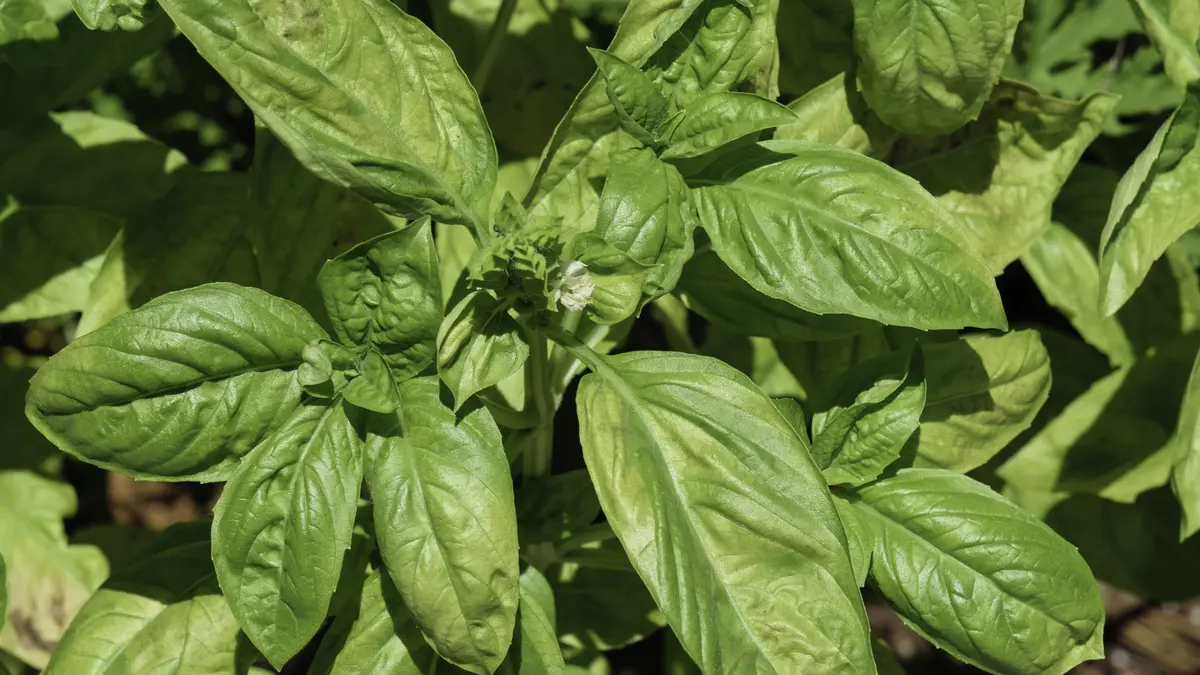
    Kew’s Plants of the World Online accepts Ocimum basilicum L. as a species. “Basil”, however, is used for several Ocimum plants and many cultivars. Holy basil, often Ocimum tenuiflorum, is not the same botanical material as sweet basil.

    A bottle should state the Latin name, plant part, extraction method and country of origin. Steam-distilled leaf or flowering-herb oil is different from culinary leaves, basil tea, an extract, a fragrance oil or a supplement. Evidence for one cannot simply be assigned to another.

    Chemistry and chemotypes

    Basil oil can contain linalool, estragole, eugenol, methyl eugenol, 1,8-cineole and other constituents in very different proportions. A review of sweet basil describes substantial botanical and chemical variation. Climate, cultivar, plant stage and distillation all influence the result.

    This variation makes a generic “basil oil” safety statement unreliable. Ask for a current batch analysis. An oil dominated by linalool is not chemically equivalent to an estragole-rich oil, even when both labels say O. basilicum.

    Estragole and methyl eugenol

    Estragole deserves particular attention. The European Medicines Agency’s 2023 public statement describes estragole as a naturally occurring genotoxic carcinogen on the basis of toxicological evidence and recommends minimising exposure in herbal medicinal products.

    A 2025 laboratory study examined estragole metabolism and DNA effects in human liver-cell systems. Such research is not a measurement of risk from smelling a particular commercial oil, but it reinforces the need to know composition and avoid casual ingestion.

    Methyl eugenol may also occur in basil. Researchers have measured methyl eugenol in a Genovese basil cultivar. Culinary use of basil leaves does not establish the safety of swallowing a concentrated volatile oil.

    Human evidence

    There is no robust body of clinical trials showing that basil essential oil treats a defined disease. A US National Library of Medicine overview notes the absence of scientifically valid clinical trials for the health uses commonly promoted for basil.

    An experiment exposed chronically stressed rats to basil oil or linalool by inhalation. It examined weight, blood lipids and physiological measures. It did not study people and cannot establish treatment for human anxiety, insomnia or chronic stress.

    Studies of basil extracts, capsules, foods or tea answer questions about those preparations. They do not establish the effect or safe dose of the distilled oil.

    Laboratory antimicrobial research

    Laboratory work has reported antimicrobial activity for chemically characterised basil oils. Other in-vitro research has examined antifungal activity.

    These experiments place organisms in direct contact with controlled concentrations. They do not demonstrate that a home diffuser disinfects air, that neat oil treats a skin infection, or that swallowing the oil treats an internal infection. Clinical effectiveness requires a safe formulation, an appropriate route and comparative human trials.

    Using basil oil more cautiously

    • Do not swallow it or add it to food or drink.
    • Avoid neat skin application and contact with eyes or mucous membranes.
    • Use a finished cosmetic formulated for skin rather than an improvised drop dilution.
    • Diffuse briefly at low intensity with ventilation, and stop after irritation, headache, nausea, coughing or wheeze.
    • Keep the bottle locked away from children and pets.
    • Seek individual advice during pregnancy, breastfeeding or when using medicines.

    Oxidation and variable composition can alter sensitisation risk over time. Keep the cap closed, follow storage directions and replace oil that has changed markedly in odour or appearance.

    Buying checklist

    • Ocimum basilicum appears on the label.
    • The plant part and steam distillation are stated.
    • A batch number and recent gas-chromatography report are available.
    • Estragole and methyl eugenol are quantified rather than ignored.
    • The supplier does not turn laboratory antimicrobial results into treatment claims.
    • Directions do not encourage ingestion.

    Do not use a marketing term such as “French basil”, “exotic basil” or “sacred basil” as a substitute for the Latin name and analysis. If the seller cannot say which plant was distilled or provide a batch document, the attractive common name does not resolve the uncertainty.

    My assessment

    Basil essential oil has a clear fragrance role and a large body of laboratory research. Human clinical evidence remains thin, while chemotype variation and estragole make careful identification important. Buy by botanical name and batch composition, not by a list of alleged benefits.

    Basil oil and snoring

    A human basil-inhalation experiment measured waking brain activity and blood pressure, not sleep or snoring. It cannot establish quieter or safer breathing at night.

    Read the basil comparison in our snoring guide for the study details and clinical limits.

    Targeted evidence update: 14 September 2026. This section does not represent a new review of every claim on this profile.

    Reference: Hong SJ et al. Journal of Functional Foods. 2024;112:105918. doi:10.1016/j.jff.2023.105918.

    Basil and plantar heel pain

    A traditional basil-and-sesame preparation was studied for knee arthritis; it was not distilled basil oil and did not establish a plantar-fasciitis treatment. See the detailed plantar-fasciitis comparison for the studies, limitations and care context.

    Basil and sinus symptoms

    Basil inhibited some respiratory bacteria in culture, while others resisted it. This does not establish a safe or effective sinusitis treatment. See the detailed sinusitis comparison for the preparations, findings and limitations.

    Basil and tinnitus

    Basil research in rats concerned induced middle-ear infections and cultures, not human tinnitus. It does not justify putting basil oil into the ear. See the detailed evidence comparison for the studies, limitations and care context.

    Basil and earache

    Basil improved some outcomes in experimentally infected rats. The study does not establish a human earache treatment or a safe home ear-drop preparation. See the detailed evidence comparison for the studies, limitations and care context.

    Basil and eczema

    Basil wound-healing and cosmetic extract studies do not establish an essential-oil eczema treatment. Species and preparations differ, and occupational contact allergy has been reported. See the detailed evidence comparison for the primary studies, limitations and care context.

    References

    1. Kew Plants of the World Online: Ocimum basilicum
    2. Review of sweet basil botany, chemistry and research
    3. European Medicines Agency: Public statement on estragole
    4. Human liver-cell study of estragole metabolism and DNA effects
    5. Methyleugenol measured in a Genovese basil cultivar
    6. National Library of Medicine overview of basil
    7. Basil oil and linalool inhalation in chronically stressed rats
    8. Chemical composition and laboratory antimicrobial findings
    9. Laboratory antifungal study of basil oil

    Editorial responsibility and correction note

    Editor: John Hamlen. This article has not been independently reviewed by a clinician.

    Reference correction, 12 September 2026: Changes in this check: Correct animal experiment previously described as a human study; Correct bibliographic description against source record. This was a targeted correction, not a comprehensive new review of every claim in this article.

    Read our editorial policy, evidence method and corrections policy, including how to report an error.

  • Lemon Essential Oil: Evidence, Uses and Phototoxicity

    Lemon Essential Oil: Evidence, Uses and Phototoxicity

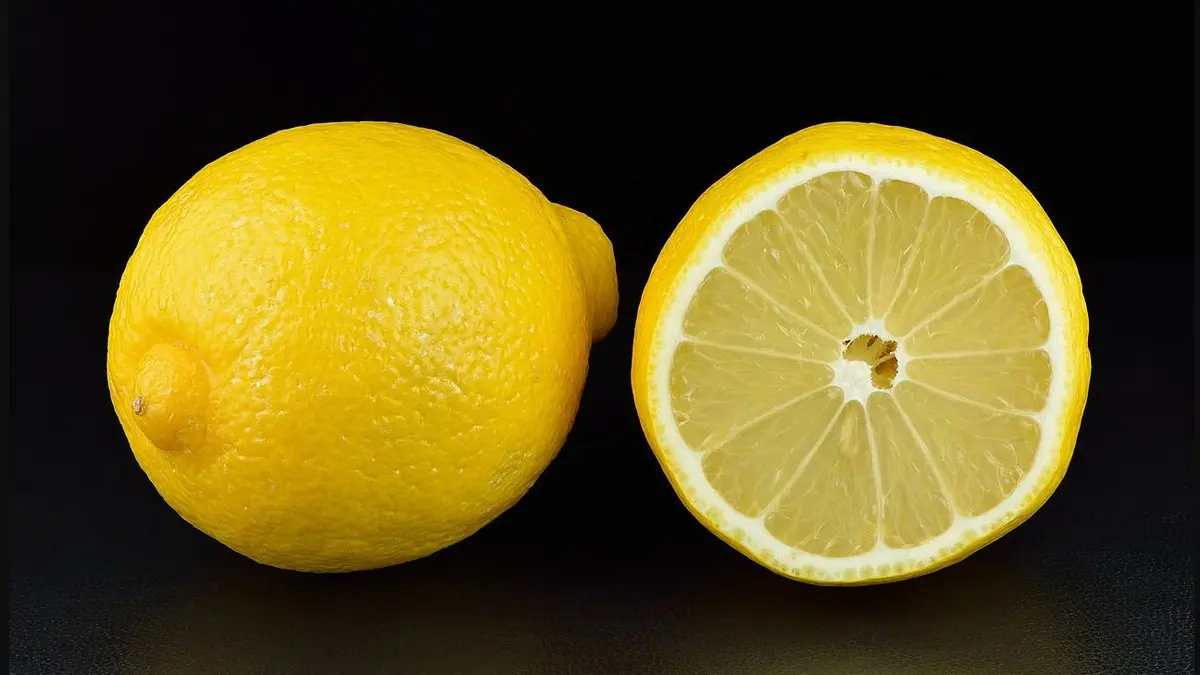
    Short answer: lemon essential oil is normally expressed from the coloured peel of Citrus limon. Its clearest use is fragrance and flavouring in appropriately specified products. A small human trial suggests possible short-term help for pregnancy nausea, but broad detox, immunity and infection claims are not established.

    Identity and extraction

    Commercial lemon oil usually comes from the outer peel left during juice production. Mechanical expression preserves volatile aroma compounds and also allows some heavier peel constituents to enter the oil. Steam-distilled lemon oil is possible and differs in composition, particularly in relation to phototoxic furocoumarins.

    A bottle should state Citrus limon, peel and the extraction method. Lemon juice, lemon peel extract, lemon flavour and lemon essential oil are different materials. Food use of the fruit does not establish that a concentrated retail oil is safe to swallow.

    Aroma and chemistry

    Limonene normally dominates lemon peel oil, with smaller aldehydes and terpenes shaping the recognisable fresh aroma. A review of citrus essential-oil chemistry and safety shows why species, extraction and storage matter. A result for one citrus oil or isolated limonene should not be applied to every complete oil.

    Limonene-rich oils oxidise after repeated exposure to air, heat and light. Oxidation can alter the smell and increase allergy risk, so an old bottle is not merely a weaker version of a fresh one.

    Nausea research

    A double-blind randomised trial enrolled 100 pregnant women with nausea and vomiting. Participants inhaled lemon oil or placebo when nauseated over four days. Average symptom scores differed between groups on the second and fourth days, but not at every time point.

    This is a relevant human study and a reason for further research. It remains one small, short trial with a subjective outcome. It does not establish the effect for severe pregnancy sickness, chemotherapy nausea, migraine, motion sickness or postoperative symptoms. Pregnancy nausea can also require clinical assessment and treatment, particularly when fluids cannot be kept down.

    A later trial of combined lemon and peppermint inhalation reported improvement in mild to moderate pregnancy nausea. Because two oils were used together, it cannot isolate the effect of lemon.

    Mood, alertness and “detox”

    A bright citrus smell may feel clean or energising, and scent can influence expectation and immediate mood. Those experiences do not show that lemon oil treats depression, removes toxins, boosts immunity or changes metabolism.

    “Detox” is especially difficult to assess when a claim does not name a substance, exposure, organ function or measurable outcome. The liver and kidneys do not need a room fragrance to perform their normal work.

    Cleaning and antimicrobial claims

    Citrus oils and limonene can affect microorganisms in laboratory systems. A surface disinfectant, however, needs a tested formulation, concentration, contact time and target organisms. A few drops in water do not recreate a laboratory method and oil does not mix evenly into water without a suitable formulation.

    Use an authorised product for a task that genuinely requires disinfection. Lemon oil may contribute fragrance or solvent action to a household cleaner, but that is a different claim.

    Phototoxicity

    Expressed lemon peel oil can contain furocoumarins that increase skin sensitivity to ultraviolet light. Research identified oxypeucedanin and bergapten as phototoxic components of lemon oil. Further testing of cosmetic essential oils found that phototoxicity depended on photoactive constituents and the test conditions.

    Steam-distilled oil and specially processed products may differ, but the label and supplier specification should support the distinction. Do not apply an uncertain expressed oil before sun exposure or a tanning device. Follow the finished product’s concentration and ultraviolet warning.

    Other safety points

    Avoid neat skin use, eyes, lips, damaged skin and ingestion. Keep the bottle tightly closed, cool and dark. Stop topical use after redness, itching or blistering, and stop diffusion after coughing, wheeze, headache or nausea. Store concentrated oils where children and pets cannot reach them.

    Buying checks

    • Citrus limon and peel are stated.
    • The extraction is expressed or distilled.
    • Topical directions address ultraviolet exposure.
    • A batch number and storage guidance are present.
    • The product is not presented as a drink merely because lemons are food.
    • Claims do not extend a small nausea trial to unrelated diseases.

    My assessment

    Lemon oil is useful as fragrance and has limited human evidence worth discussing for one narrow nausea setting. Its broader wellness claims are largely extrapolations. Expressed-oil phototoxicity and oxidation are more firmly established than claims about detoxification or immunity.

    Lemon oil and snoring

    Human research has examined lemon aroma and mood. A positive mood result cannot establish less snoring, and a mixed-product study cannot identify lemon’s individual effect.

    Primary research and its reported outcomes.

    Read the lemon comparison in our snoring guide for the evidence limits, other formulations and signs that need assessment.

    Targeted evidence update: 14 September 2026. This section does not represent a new review of every claim on this profile.

    Reference: Kiecolt-Glaser JK et al. Olfactory influences on mood and autonomic, endocrine, and immune function. Psychoneuroendocrinology. 2008;33:328–339. doi:10.1016/j.psyneuen.2007.11.015.

    Lemon and fungal nails

    A favourable mixed nail-oil study used lime, not lemon; laboratory lemon results were limited. See the detailed evidence comparison for the studies, limitations and appropriate care.

    Lemon and sinus symptoms

    Trials of standardised oral combinations or limonene-containing capsules cannot establish benefit from lemon essential oil alone; one chronic-disease trial missed its main endpoint. See the detailed sinusitis comparison for the preparations, findings and limitations.

    Lemon and earache

    Lemon-flavoured cod liver oil is not lemon essential oil. A nutritional pilot and a veterinary blend study do not establish lemon oil for human earache. See the detailed evidence comparison for the studies, limitations and care context.

    Lemon and toothache

    Lemon oil has animal caries and laboratory metabolism findings. These do not establish relief of human toothache or treatment of an already damaged tooth. See the detailed evidence comparison for the studies, limitations and care context.

    Lemon and oily skin

    The small human sebum study used sea buckthorn extract cream with lemon oil as fragrance. It cannot establish that lemon essential oil controls oily skin. See the detailed evidence comparison for the primary studies, limitations and care context.

    Sources

    Lemon pregnancy research is brief and product-specific

    Evidence update: 14 September 2026.

    A 100-person lemon trial reported lower symptom scores on two of four treatment days. A lemon-and-peppermint trial cannot isolate either oil. These findings do not establish treatment for severe pregnancy sickness or safety across pregnancy.

  • Lemongrass Essential Oil: Evidence, Uses and Safety

    Lemongrass Essential Oil: Evidence, Uses and Safety

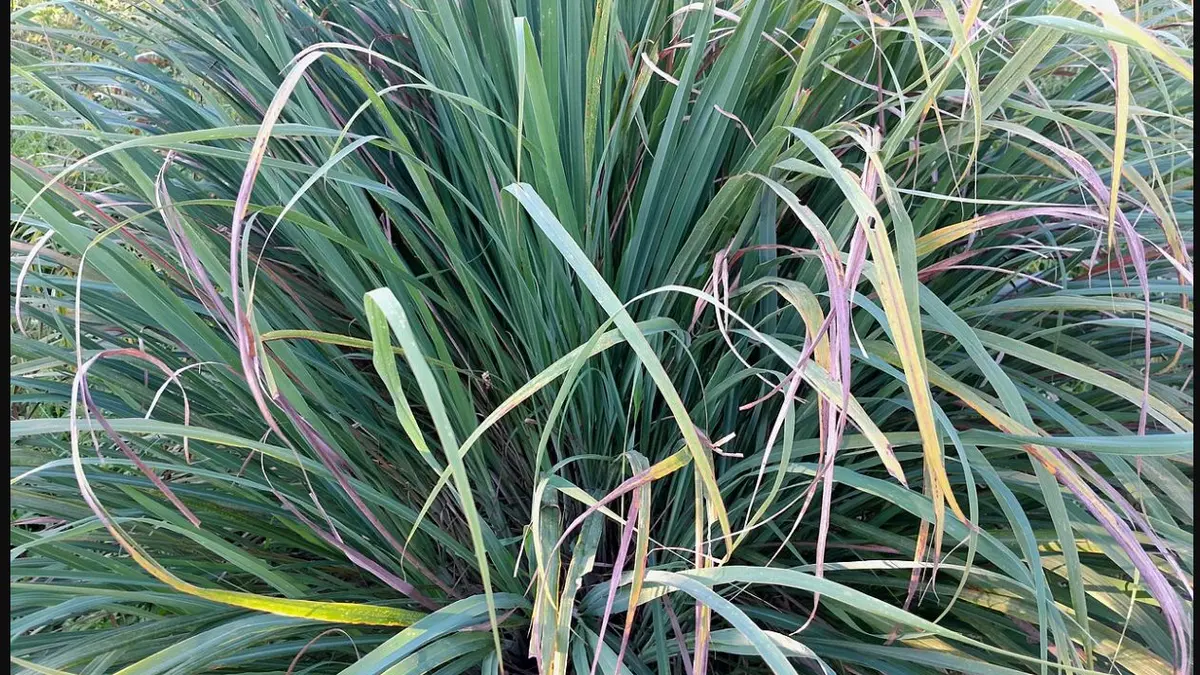
    Short answer: lemongrass essential oil is a citral-rich distilled oil, commonly from Cymbopogon citratus or C. flexuosus. Laboratory antimicrobial findings are plentiful, but human evidence is much smaller. A recent dental study is interesting, not a licence for broad anxiety or infection claims.

    Identity matters

    Lemongrass refers to more than one aromatic grass. Cymbopogon citratus is an accepted species in Kew’s Plants of the World Online. East Indian lemongrass is often labelled C. flexuosus. Citronella oils come from related species but should not be sold as though the names were interchangeable.

    The essential oil is normally steam-distilled from the leaves. Lemongrass tea, culinary stalks, aqueous extracts and distilled oil are different preparations. Evidence or food experience for one does not automatically settle the safety or effect of another.

    Aroma and composition

    The sharp lemon aroma is largely due to citral, a mixture of geranial and neral. The proportions of citral, myrcene, geraniol and other constituents vary with species, cultivation, harvest and distillation. The US National Library of Medicine records citral as a defined chemical substance, but a complete lemongrass oil is a variable mixture rather than pure citral.

    Anxiety research

    A 2025 randomised clinical study compared lemongrass aroma with no aromatherapy during non-surgical periodontal treatment. Thirty-eight adults took part. The authors reported changes in anxiety and some haemodynamic measures.

    The study is directly relevant to dental anxiety, but it was small, used one short procedure and could not blind participants to an obvious smell. It does not establish treatment for generalised anxiety disorder, panic disorder or chronic stress. Replication with a credible scent control and larger samples would increase confidence.

    Claims that lemongrass “calms the nervous system” often cite animal experiments or isolated constituents. Those studies may investigate mechanisms, but they do not replace human clinical outcomes.

    Antimicrobial and anti-inflammatory research

    A laboratory study found antifungal and anti-inflammatory effects for a tested C. citratus oil. Another laboratory study reported inhibition of several fungi and yeasts. These experiments use controlled concentrations and direct contact that a diffuser or casual skin application does not reproduce.

    Laboratory inhibition does not show that the oil treats thrush, athlete’s foot, scalp disease, chest infection or contaminated indoor air. Human infection treatment also needs diagnosis, a safe delivery method and evidence that benefit exceeds harm.

    A 2024 scoping review examined possible clinical uses of lemongrass oil, including oral-care formulations. A scoping review maps available studies; it does not by itself establish that every included formulation works or that neat oil is safe in the mouth.

    Skin safety and citral

    Citral can irritate skin and is a recognised fragrance allergen. The European Commission’s Scientific Committee on Consumer Safety assessed citral in relation to skin sensitisation and noted remaining uncertainties in the risk-assessment method even at proposed cosmetic concentrations.

    This is not a reason to assume that an arbitrary home dilution is safe. Finished cosmetics use controlled formulas, while a drop-based recipe varies with the dropper, carrier and total volume. Avoid neat application, damaged skin, eyes and mucous membranes. Stop after burning, redness, itching or swelling.

    Inhalation and household use

    Lemongrass has a powerful aroma. Diffuse briefly at low intensity with ventilation, not continuously in a closed room. Stop if anyone develops coughing, wheeze, headache or nausea. A fresh smell does not measure air disinfection or indoor-air quality.

    Do not use a culinary history to justify swallowing a concentrated oil. Keep the bottle out of reach of children and pets and follow the finished product’s directions.

    Buying checks

    • The label names Cymbopogon citratus or C. flexuosus.
    • Leaf and steam distillation are stated.
    • A batch number and current composition report are available.
    • The supplier gives conservative skin and inhalation directions.
    • Citronella, lemon oil and lemongrass are not confused.
    • Laboratory antimicrobial findings are not advertised as clinical proof.

    My assessment

    Lemongrass oil has a well-established fragrance identity, substantial laboratory research and limited emerging human evidence. The small dental-anxiety trial deserves accurate reporting, but it does not support broad treatment claims. Citral-related irritation and allergy are central practical concerns.

    Lemongrass and yeast infection

    The human thrush trial tested an oral infusion and had a nonsignificant intention-to-treat result. It does not establish treatment with vaginal lemongrass oil. See the detailed evidence comparison for the studies, limitations and appropriate care.

    Lemongrass and urinary tract infection

    Lemongrass was active in artificial urine but less effective than tea tree and thyme; the synergy findings were not lemongrass findings. See the detailed UTI evidence comparison for the research, limitations and appropriate care.

    Lemongrass and plantar heel pain

    Animal analgesia findings do not establish topical heel treatment; an older rheumatoid-arthritis report could not be fully appraised. See the detailed plantar-fasciitis comparison for the studies, limitations and care context.

    Sources

    Short-term anxiety findings have limited scope

    Evidence update: 13 September 2026.

    A forty-person experimental study and a small periodontal-treatment trial reported reduced anxiety with lemongrass aroma. The dental study did not find significant differences in pain or satisfaction. These results do not establish treatment for a persistent anxiety disorder.

  • Bergamot Essential Oil: Evidence, Uses and Phototoxicity

    Bergamot Essential Oil: Evidence, Uses and Phototoxicity

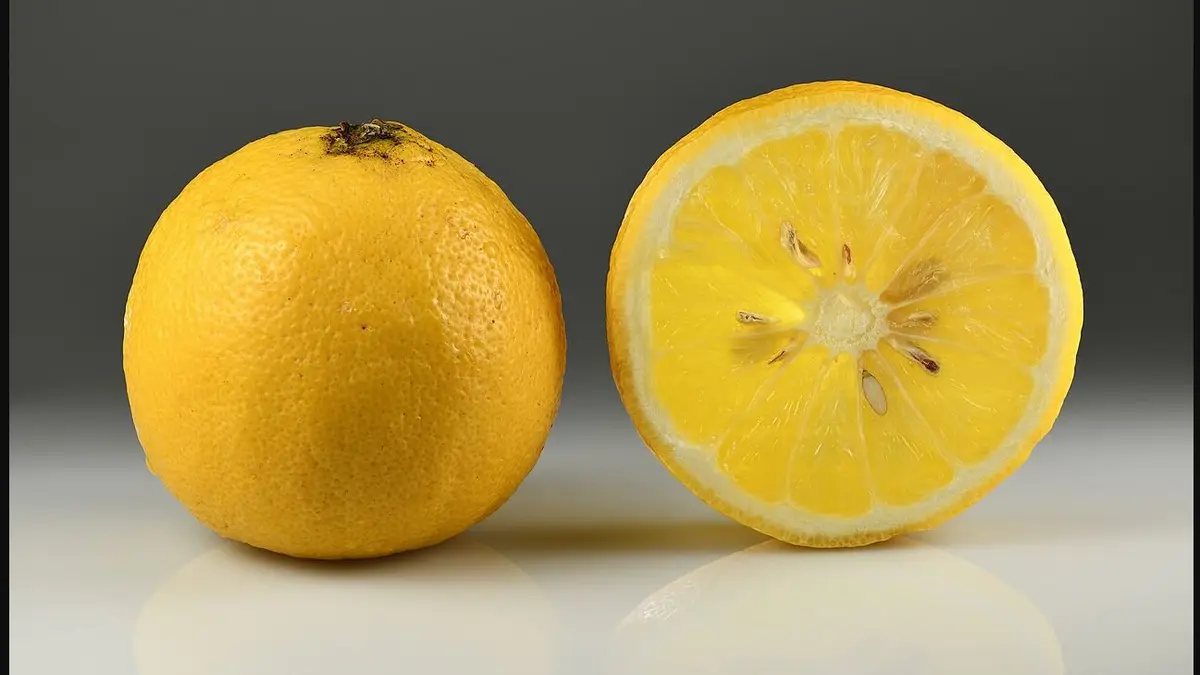
    Short answer: bergamot essential oil is normally expressed from the peel of the bergamot orange, commonly labelled Citrus bergamia. Its clearest use is fragrance. Human mood research is limited and setting-specific, while phototoxicity from some peel oils is well documented.

    Identity and extraction

    Bergamot orange is a citrus fruit associated particularly with southern Italy. Taxonomic labels vary, so a bottle may use Citrus bergamia or a name placing bergamot within Citrus limon. The label should still identify the fruit peel and extraction method.

    Most traditional bergamot oil is obtained by mechanically expressing the coloured outer peel. This carries volatile aroma compounds and can also carry heavier furocoumarins from the peel. Steam-distilled or specially treated “bergapten-free” products have a different safety profile and should not be assumed equivalent.

    Aroma and chemistry

    Bergamot has a fresh citrus aroma with floral and bitter notes. Limonene, linalyl acetate and linalool are commonly prominent, although the balance changes with origin, maturity, processing and storage. A review of bergamot oil research describes considerable chemical and experimental variation, one reason not to transfer a result from an analysed batch to every retail bottle.

    Bergamot flavouring in Earl Grey tea does not make a concentrated peel oil a food. A fragrance product, food flavouring and topical cosmetic can have different specifications and directions.

    Anxiety and mood

    Animal experiments and small human studies have encouraged claims about anxiety, stress and mood. The human evidence does not support treating a diagnosed anxiety disorder with a bottle of bergamot oil.

    A systematic review of aromatherapy before surgery found lower preoperative anxiety across 20 randomised trials, with citrus preparations among the oils studied. The trials combined different aromas, routes and clinical settings, so the pooled result cannot establish a bergamot-specific treatment effect.

    Negative evidence matters too. The US National Cancer Institute’s aromatherapy evidence summary describes a small placebo-controlled study in children and adolescents receiving stem-cell transplants. Bergamot inhalation did not reduce nausea, anxiety or pain in that setting.

    A person may enjoy the smell and find it calming. That experience is compatible with the research uncertainty. It is not evidence that bergamot changes the cause or course of an anxiety disorder.

    Phototoxicity

    Phototoxicity is the best-established bergamot-specific safety issue. Furocoumarins, particularly bergapten, can react with ultraviolet light after skin exposure. Human skin research identified strong phototoxic activity in bergamot oil, and later testing found that phototoxicity differed between supplier samples according to photoactive compounds.

    Published case reports describe blistering reactions after bergamot aromatherapy oil was followed by ultraviolet exposure. Case reports do not give an incidence rate, but they show that the hazard is not merely theoretical.

    A product described as bergapten-free, furocoumarin-free or rectified may reduce this particular risk, but the claim should be supported by the supplier’s specification. “Therapeutic grade” does not answer the question. Follow the finished product’s sun-exposure warning and do not apply an uncertain expressed oil before sunlight or a tanning device.

    Other safety points

    Bergamot oil can irritate skin and oxidised citrus oil may become more sensitising. Keep the bottle tightly closed, cool and away from light. Avoid neat application, damaged skin, eyes and swallowing. Diffuse briefly with ventilation and stop if the vapour causes coughing, wheeze, headache or nausea.

    Evidence about eating grapefruit or drinking citrus juice cannot be transferred automatically to bergamot inhalation. Equally, that distinction is not a reason to swallow bergamot oil around medicines. Ask a pharmacist about the specific product and route when a medicine interaction is a concern.

    Buying checks

    • A botanical name and bergamot peel are stated.
    • The label says expressed, distilled or otherwise processed.
    • Topical directions address ultraviolet exposure.
    • A bergapten-free claim is supported by a specification, not only marketing.
    • The supplier provides a batch number and sensible storage advice.
    • The product does not promise to treat anxiety, depression or another disease.

    My assessment

    Bergamot is a distinctive fragrance material with plausible and limited evidence for short-term effects on anxiety in some settings. The research is not strong enough to support broad mental-health claims. By contrast, the phototoxic potential of untreated expressed oil deserves clear, practical attention.

    What would stronger evidence look like?

    A useful trial would analyse the bergamot batch, specify extraction and furocoumarin content, use a credible scent control and measure a defined outcome over an appropriate period. It would report adverse effects and distinguish immediate preference for the smell from a clinically meaningful change.

    Bergamot and urinary tract infection

    Clinical isolates were exposed to a distilled extract outside the body; this is not a patient treatment trial. See the detailed UTI evidence comparison for the research, limitations and appropriate care.

    Bergamot and eczema

    No controlled human bergamot eczema trial was located. Published clinical reports describe phototoxic blistering and contact allergy; a fragrance label cannot establish eczema benefit. See the detailed eczema evidence comparison for the studies, limitations and care context.

    Bergamot and psoriasis

    A 193-person UVB trial found fewer sessions and a lower UV dose with added bergamot, but no better final severity or remission duration. Phototoxic blistering reports make unsupervised oil-plus-UV use inappropriate. See the detailed evidence comparison for the primary studies, limitations and care context.

    Sources

    Include bergamot’s negative comparisons

    Evidence update: 14 September 2026.

    Some bergamot studies report favourable short-term outcomes, but a blinded paediatric medical-office trial found no significant benefit. A bergamot-containing blend trial in ICU nurses also reported no significant anxiety advantage. Those findings should remain visible alongside encouraging results.

  • Frankincense Essential Oil: Resin, Evidence and Safety

    Frankincense Essential Oil: Resin, Evidence and Safety

    Short answer: frankincense essential oil is distilled from resin collected from a Boswellia species. It is mainly a fragrance material. Research on swallowed Boswellia serrata extracts does not prove that inhaling or applying the distilled oil treats inflammation, arthritis or cancer.

    Frankincense is not one product

    Frankincense, also called olibanum, is aromatic resin from trees in the genus Boswellia. Commercial products may come from Boswellia sacra, B. carterii, B. serrata, B. papyrifera or another species. The species, place of origin and processing affect the chemistry.

    The resin can be burned as incense, ground, extracted with a solvent, made into an oral supplement or distilled to obtain essential oil. These preparations are not interchangeable. The US National Center for Complementary and Integrative Health describes boswellia supplements as extracts from gum resin or bark, not as equivalent to an aromatherapy oil.

    Extraction and composition

    Frankincense essential oil is usually produced by steam or hydrodistillation of the resin. The volatile oil commonly contains monoterpenes such as alpha-pinene, but the profile varies substantially by species and batch.

    Boswellic acids are frequently used to market frankincense for inflammation. They are much less volatile than aroma compounds and are associated with resin extracts rather than being defining constituents of an ordinary distilled oil. A trial of a standardised oral extract therefore does not establish the effect of a diffuser or skin application.

    Arthritis and inflammation claims

    Clinical research on Boswellia serrata extracts has reported possible benefits for osteoarthritis. A 2020 systematic review and meta-analysis concluded that boswellia and its extracts may improve pain and function, while also calling for larger studies and consistent products.

    That evidence concerns prepared oral extracts with specified boswellic-acid content. It cannot be used as proof that frankincense essential oil relieves joint pain when inhaled or rubbed on the skin. Massage itself can change short-term comfort, which further complicates an uncontrolled personal report.

    Cancer claims

    Frankincense is promoted online as a cancer treatment, often on the basis of cell experiments. A review of frankincense compounds covers laboratory work on inflammation, infection and cancer biology, but it also spans different species, extracts and isolated compounds.

    Killing cultured cells at a particular concentration is not evidence that a person can reach that concentration safely or that a tumour will respond. The distilled oil should not replace surgery, radiotherapy, chemotherapy, immunotherapy or other evidence-based care.

    Antimicrobial research

    A 2023 laboratory study found antioxidant and antimicrobial activity in a tested Boswellia essential oil against food-related organisms. This supports chemical and formulation research. It does not show that diffusing frankincense disinfects a room, prevents infection or treats illness in humans.

    Safety

    Frankincense oil can irritate skin or cause allergy, and composition varies between species and suppliers. Avoid neat application, eyes, broken skin and ingestion. Use brief, ventilated diffusion and stop after respiratory irritation, headache or nausea. Anyone pregnant, caring for a young child or managing asthma, allergy or medicines should not infer safety from the long history of incense use.

    Resin smoke is another route again. Burning incense produces combustion particles and is not equivalent to using a passive scent strip or a carefully operated diffuser.

    Traceability and sustainability

    Frankincense resin supports livelihoods in dry regions, but tree populations and harvest conditions differ. Kew describes the need to understand production and support sustainable harvesting. A supplier should name the species and origin and explain how resin is harvested, rather than relying on a generic “wild” claim.

    Buying checks

    • The Boswellia species is named.
    • The product says essential oil, resin extract, incense or carrier-oil blend.
    • Origin, batch number and distillation method are available.
    • Sustainability information is specific enough to check.
    • The label does not transfer boswellic-acid supplement research to the distilled oil.
    • No cancer-treatment or disease-cure claim is made.

    My assessment

    Frankincense oil has a clear fragrance role and an interesting chemical research base. Most persuasive human evidence attached to the word “boswellia” concerns oral extracts, not essential oil. The central reading skill is therefore to identify the species and preparation before judging any health claim.

    Frankincense oil and snoring

    Frankincense appeared in the same four-oil fatigue trial. It did not test frankincense alone, snoring or overnight breathing.

    Read the frankincense comparison in our snoring guide for the formulation and search limits.

    Targeted evidence update: 14 September 2026. This section does not represent a new review of every claim on this profile.

    Reference: Hawkins J et al. Complementary Therapies in Medicine. 2022;67:102823.

    Frankincense and urinary tract infection

    Frankincense had no measurable activity against one urinary Klebsiella isolate. A separate prostate-symptom study used combined extracts, not the oil. See the detailed UTI evidence comparison for the research, limitations and appropriate care.

    Frankincense and plantar heel pain

    Both positive and negative knee-arthritis trials concern oral extracts or combinations, not frankincense essential oil applied to plantar heel pain. See the detailed plantar-fasciitis comparison for the studies, limitations and care context.

    Frankincense and jaw pain

    A TMD-labelled Boswellia gel paper reports laboratory and zebrafish work on a multi-ingredient formulation, not a human frankincense-oil treatment trial. See the detailed evidence comparison for the studies, limitations and care context.

    Frankincense and eczema

    Small human studies concern Boswellia resin-extract creams, with reporting limitations. A tiny essential-oil massage study found no added benefit, and a frankincense-oil contact-allergy report is also recorded. See the detailed eczema evidence comparison for the studies, limitations and care context.

    Sources

    Psoriasis combination research

    A trial of a frankincense-containing herbal cream is relevant to psoriasis research. However, the preparation also included pumpkin oil and liquorice extract. The scoping review of inflammatory-skin studies describes the formulation and the limits of this evidence.

    A result for that mixture cannot establish that distilled frankincense oil alone treats psoriasis. Resin extracts and essential oils should also remain distinct when interpreting a product claim.

    Targeted evidence update: 12 September 2026. This addition does not represent a new review of every statement on this page.

    New human anxiety evidence has a narrow scope

    Evidence update: 13 September 2026.

    A 120-person prostate-biopsy trial included 39 men receiving frankincense aroma and reported reduced anxiety. All participants received standard local anaesthesia. The abstract’s effect sizes describe within-group changes, not the size of a placebo-adjusted benefit. This is preliminary procedural evidence, not proof of long-term anxiety treatment.