Category: Oil Profiles

  • Lavender Essential Oil: Origins, Extraction and Traditional Uses

    Lavender Essential Oil: Origins, Extraction and Traditional Uses

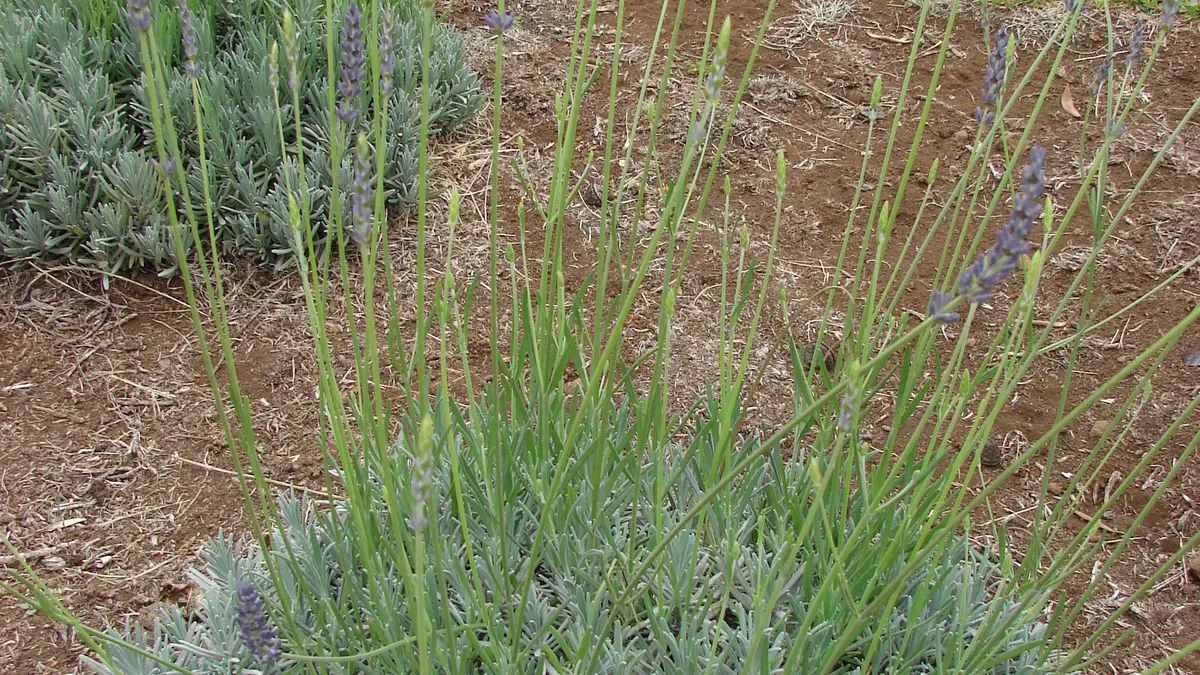
    Lavender essential oil is the volatile oil distilled from aromatic lavender flowers. This profile covers the plant, how the oil is made and the history of its use; HealthWatchlist assesses health claims separately.

    Botanical identity

    The name “lavender oil” can describe oils from several plants in the Lavandula genus. English or true lavender is Lavandula angustifolia; lavandin is commonly produced from the hybrid Lavandula × intermedia. Species, growing conditions and processing can change an oil’s composition and aroma, so the label matters.

    Where lavender comes from

    Lavender is associated with the Mediterranean region and has become a familiar cultivated plant far beyond its native range. It is valued both as an ornamental shrub and as a source of fragrance.

    How lavender essential oil is extracted

    Commercial lavender oil is normally obtained by steam distillation of flowering material. Steam carries volatile compounds away from the plant; cooling then separates the aromatic oil from the water-based distillate. The oil is highly concentrated and is not equivalent to the whole flower or to lavender tea.

    Aroma and composition

    Lavender oil is usually described as floral, herbaceous and softly sweet. Linalool and linalyl acetate are often prominent constituents, although their proportions vary with species, cultivar, environment and production.

    Traditional uses

    Lavender has a long cultural history in perfumery, bathing, scented household preparations and herbal traditions. Modern marketing often extends those traditions into medical claims. A historical use tells us what people did; it does not by itself show that the practice produces a clinical benefit.

    Lavender claims we have investigated

    Claim assessment

    Reduces short-term situational anxiety

    6/10Limited or mixed

    Inhaled aromatherapy may ease short-term anxiety in some clinical situations, but that is not evidence that a home diffuser treats an anxiety disorder.

    Read the full Claim Review

    Claim assessment

    Improves perceived sleep quality

    6/10Limited or mixed

    Lavender aroma may modestly improve how some people rate their sleep, but the evidence does not establish an effective treatment for insomnia.

    Read the full Claim Review

    Claim assessment

    Dental anxiety

    3/10Limited or mixed

    Lavender scent has promising evidence for reducing short-term anxiety around dental treatment.

    Read the full Claim Review

    Claim assessment

    Eczema

    1/10Weak or unsupported

    Standalone lavender oil is not established as an eczema treatment; a small mixed-oil massage study found no added benefit.

    Read the full Claim Review

    Claim assessment

    Muscle-related TMD: lavender massage

    3/10Limited or mixed

    One encouraging trial; insufficient replication for a dependable treatment claim.

    Read the full Claim Review

    Claim assessment

    Labour pain

    3/10Limited or mixed

    Small trials suggest lavender aromatherapy can reduce reported labour pain as an adjunct to maternity care.

    Read the full Claim Review

    Claim assessment

    Acute migraine symptoms with inhalation

    3/10Limited or mixed

    A small positive inhalation trial is not enough to establish dependable treatment benefit.

    Read the full Claim Review

    Lavender oil and snoring

    A sleep-laboratory trial reported improvements in some sleep measures, but no significant improvement in its breathing-interruption index or average oxygen saturation. Better sleep is not evidence that lavender treats snoring.

    Primary research and its reported outcomes.

    Read the lavender comparison in our snoring guide for the evidence limits, other formulations and signs that need assessment.

    Targeted evidence update: 14 September 2026. This section does not represent a new review of every claim on this profile.

    Reference: Yang CP et al. Lavender inhalation and subsequent polysomnography in people with poor sleep quality. Journal of the Chinese Medical Association. 2023;86:665–671. doi:10.1097/JCMA.0000000000000932. See Table 2.

    Lavender and tendonitis

    Research in other conditions does not establish tendon healing or a recovery benefit. Our oil-specific evidence appraisal explains the studied preparation, comparison and limits. It also sets the claim alongside appropriate care.

    Lavender and yeast infection

    Lavender studies include Candida isolates and laboratory biofilms. Cell-toxicity findings also need to be considered before assuming that antifungal activity means safe treatment. See the detailed evidence comparison for the studies, limitations and appropriate care.

    Lavender and fungal nails

    A lavender-species laboratory study and a preliminary multi-oil spray report do not isolate a clinical benefit from lavender oil. See the detailed evidence comparison for the studies, limitations and appropriate care.

    Lavender and sinus symptoms

    A spike-lavender capsule trial reported acute viral sinusitis symptom relief, with more adverse events than placebo. It does not establish benefits from lavender aromatherapy. See the detailed sinusitis comparison for the preparations, findings and limitations.

    Lavender and tinnitus

    Lavender improved reported sleep quality in a student trial without increasing sleep quantity. This does not establish a reduction in tinnitus or a treatment for hearing loss. See the detailed evidence comparison for the studies, limitations and care context.

    Lavender and earache

    Human studies tested lavender-containing mixtures for different ear conditions. Improvement and non-significant comparisons do not establish lavender alone or safe homemade drops. See the detailed evidence comparison for the studies, limitations and care context.

    Lavender and toothache

    Lavender trials concern comfort alongside dental treatment and local anaesthesia. A recent surgical trial found no significant postoperative pain difference; none establishes treatment of an untreated toothache. See the detailed evidence comparison for the studies, limitations and care context.

    Lavender and rashes

    Lavender cell findings do not establish clinical rash treatment. Human contact allergy is documented; a recent psoriasis pilot used a non-volatile extract and lacked a control group. See the detailed evidence comparison for the primary studies, limitations and care context.

    Lavender and wrinkles

    Mixed-product human findings and experimental UV studies cannot establish a lavender-only wrinkle benefit. Lavender can also cause contact allergy. See the detailed evidence comparison for the primary studies, limitations and care context.

    Profile sources

    Short-term depression scores are not lasting recovery

    A three-day trial in substance-dependence treatment reported improved depressive-symptom scores after lavender inhalation. It lacked a placebo or attention control and longer follow-up. This is a preliminary finding alongside routine treatment. NCCIH also distinguishes oral lavender preparations from aromatherapy; evidence for one route should not be assigned to another.

    Targeted evidence update: 13 September 2026. This section reviews the specified claim; it does not represent a new review of every statement on this page.

    A specific jaw-massage finding needs replication

    Evidence update: 13 September 2026.

    A 91-person randomised trial reported encouraging pain and mouth-opening results for lavender massage in muscle-related TMD. It is one trial with follow-up to two months. It does not establish that lavender inhalation treats joint damage or every cause of facial pain.

    New migraine mechanism research was conducted in mice

    Evidence update: 14 September 2026.

    The orexin-circuit experiment identifies a possible mechanism in a mouse model. It is not another human treatment trial. A small inhalation study was positive, while a review across different oils found no significant pooled clinical benefit.

    Lavender labour studies suggest comfort, not faster birth

    Evidence update: 14 September 2026.

    A 120-person labour trial reported lower pain with lavender inhalation without shorter active or second-stage labour. Discuss any aromatherapy with the maternity team; it does not replace requested analgesia or appropriate obstetric care.

    Dental anxiety findings should include negative comparisons

    Evidence update: 14 September 2026.

    A lavender meta-analysis reported lower dental anxiety. A root-canal trial found no significant between-group blood-pressure or heart-rate differences. Short-term anxiety relief is distinct from anaesthesia and treatment of persistent dental phobia.

  • Peppermint Essential Oil: Origins, Extraction and Traditional Uses

    Peppermint Essential Oil: Origins, Extraction and Traditional Uses

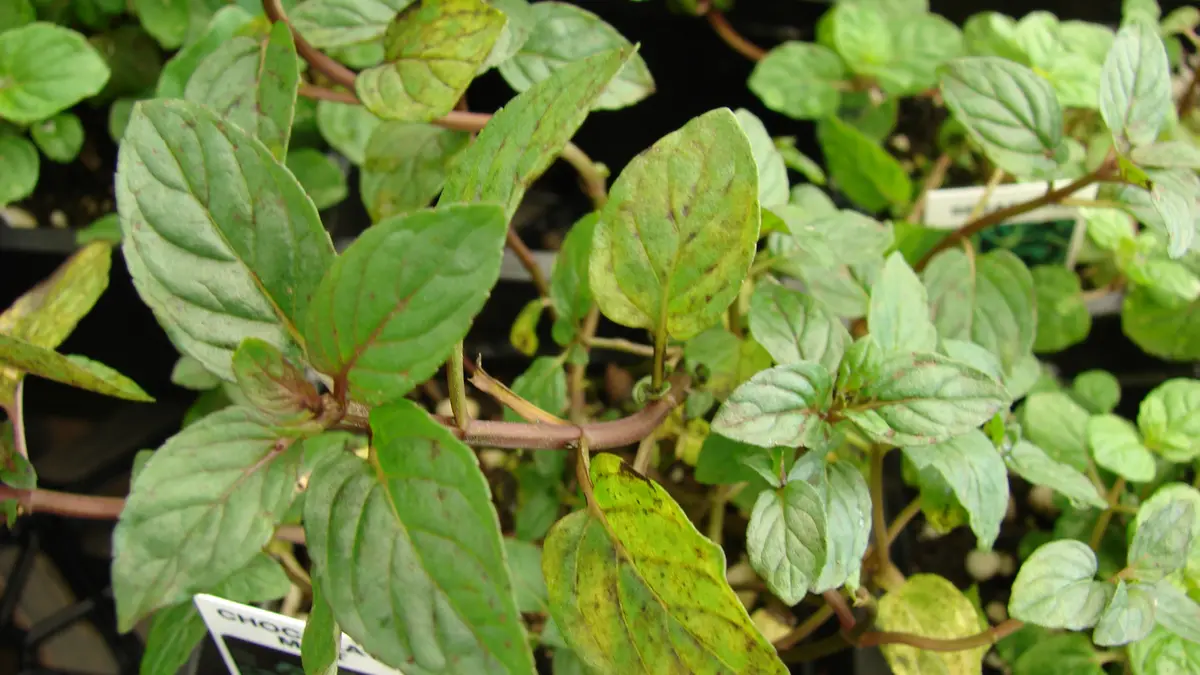
    Peppermint essential oil is the concentrated volatile oil distilled from Mentha × piperita. This profile explains the plant, production and traditional use; individual health claims belong in separate Claim Reviews.

    Botanical identity

    Peppermint is generally described botanically as Mentha × piperita, a hybrid associated with watermint and spearmint. It belongs to the mint family and spreads through underground stems. “Mint oil” is not always peppermint oil, so the botanical name is more informative than the front label alone.

    Where peppermint comes from

    Peppermint has been cultivated widely in temperate regions. The leaves and flowering tops are harvested for a strongly aromatic oil used in flavouring, fragrance and personal-care products.

    How peppermint essential oil is extracted

    The essential oil is usually produced by steam distillation of the aerial parts of the plant. Distillation separates volatile aromatic compounds from the bulk plant material. The resulting oil is far more concentrated than fresh mint leaves or a cup of mint tea.

    Aroma and composition

    Menthol is responsible for much of peppermint’s familiar cooling sensation, while menthone and other constituents contribute to its character. Composition varies with cultivation, harvest and processing.

    Traditional uses

    Peppermint has a long history as a flavour, fragrance and herbal preparation, particularly in products associated with digestion and a cooling sensation. Traditional use can explain why a claim became popular, but it is not a substitute for testing the exact modern claim in people.

    Peppermint claims we have investigated

    Claim assessment

    Eases perceived nasal breathing discomfort

    3/10Limited or mixed

    Menthol can make breathing feel easier, but the limited evidence does not show that a peppermint-oil diffuser opens blocked airways or treats congestion.

    Read the full Claim Review

    Claim assessment

    Relieves acute tension-type headache

    4/10Limited or mixed

    A specific topical preparation has limited evidence for short-term tension-headache relief.

    Read the full Claim Review

    Claim assessment

    Relieves symptoms of adult irritable bowel syndrome with formulated oral capsules

    5/10Limited or mixed

    May help some adults; controlled results are inconsistent and preparation matters.

    Read the full Claim Review

    Claim assessment

    Itching

    3/10Limited or mixed

    Small studies suggest short-term itch relief from topical peppermint preparations.

    Read the full Claim Review

    Claim assessment

    Adjunctive nausea relief with inhalation

    3/10Limited or mixed

    Some positive setting-specific trials, but findings and certainty remain mixed.

    Read the full Claim Review

    Claim assessment

    Short-term relaxation with peppermint inhalation

    3/10Limited or mixed

    Some procedural trials are positive; wider and sustained benefits remain uncertain.

    Read the full Claim Review

    Peppermint oil and snoring

    Menthol can increase the sensation of nasal airflow without consistently reducing measured resistance. That helps explain why a minty scent may feel useful while leaving the snoring question unanswered.

    Primary research and its reported outcomes.

    Read the peppermint comparison in our snoring guide for the evidence limits, other formulations and signs that need assessment.

    Targeted evidence update: 14 September 2026. This section does not represent a new review of every claim on this profile.

    Reference: Eccles R, Jones AS. The effect of menthol on nasal resistance to air flow. Journal of Laryngology & Otology. 1983;97:705–709. doi:10.1017/S002221510009486X.

    Peppermint and tendonitis

    Research in other conditions does not establish tendon healing or a recovery benefit. Our oil-specific evidence appraisal explains the studied preparation, comparison and limits. It also sets the claim alongside appropriate care.

    Peppermint and jaw pain

    Trials of a blended ointment cannot identify this ingredient’s individual effect, and their pain outcomes are mixed. Our oil-specific evidence appraisal explains the studied preparation, comparison and limits. It also sets the claim alongside appropriate care.

    Peppermint and plantar heel pain

    Peppermint-derived menthol has been tested in combinations, including one plantar-pain product; neither study isolates whole peppermint oil or demonstrates fascia healing. See the detailed plantar-fasciitis comparison for the studies, limitations and care context.

    Peppermint and toothache

    A small open trial favoured a prepared peppermint formulation for injection discomfort, but excluded emergency dental conditions. It does not establish a home treatment for toothache. See the detailed evidence comparison for the studies, limitations and care context.

    Peppermint and psoriasis

    L-menthol has laboratory and mouse psoriasis findings. The small human peppermint itch study excluded psoriasis, and burning and contact allergy remain relevant safety concerns. See the detailed evidence comparison for the primary studies, limitations and care context.

    Profile sources

    Route and diagnosis change the headache claim

    The small adult headache trial used topical peppermint for tension-type headache. It did not test a room diffuser. A migraine study used isolated menthol, which is also a different intervention.

    The distinction prevents a narrow clinical observation from becoming an unsupported recommendation for all headaches. A sudden, extremely painful or otherwise concerning headache needs assessment rather than another oil preparation.

    Targeted evidence update: 12 September 2026. This addition does not represent a new review of every statement on this page.

    Peppermint capsules and IBS: a preparation-specific medical use

    A ten-trial review found a pooled benefit for adult IBS symptoms, but judged certainty very low and found more adverse events. A larger release-formulation trial missed its primary outcomes. These findings concern medicinal capsules, not tea or aromatherapy bottles. NHS peppermint-oil medicine guidance explains the recognised use. Reflux can limit tolerability, and unexplained abdominal symptoms need assessment.

    Targeted evidence update: 13 September 2026. This section reviews the specified claim; it does not represent a new review of every statement on this page.

    Peppermint relaxation findings need the comparator

    Evidence update: 14 September 2026.

    A postoperative peppermint trial reported lower anxiety against no aroma intervention. However, a breast-biopsy study found no significant extra benefit from adding peppermint to lavender, and a placebo-controlled patch trial found no faster discharge. These different outcomes support cautious interpretation rather than a general anxiety-treatment claim.

    New peppermint nausea findings do not resolve every setting

    Evidence update: 14 September 2026.

    A recent surgical inhalation trial reported fewer combined nausea-or-vomiting events. However, the earlier peppermint-specific pooled comparison was negative for its five-minute nausea endpoint, and a pregnancy trial found no advantage over placebo. Route, cause and timing matter.

    Peppermint has small human itch studies, not a general rash cure

    Evidence update: 14 September 2026.

    A 50-person study reported improved chronic itching with topical peppermint. A burn-scar study used a combined hydrogel, so its findings cannot be assigned to peppermint alone or applied to fresh burns. Itch relief does not treat every underlying cause.

  • Tea Tree Essential Oil: Origins, Extraction and Traditional Uses

    Tea Tree Essential Oil: Origins, Extraction and Traditional Uses

    Tea tree essential oil is distilled from the Australian plant Melaleuca alternifolia. This profile focuses on botanical identity, extraction and the history of use rather than treating traditional claims as recommendations.

    Botanical identity

    Melaleuca alternifolia is a small tree in the myrtle family. The everyday name “tea tree” can be confusing because it is unrelated to the tea plant used for black or green tea, and other Melaleuca species may also be given similar common names.

    Origins

    The plant is native to parts of eastern Australia. Commercial plantations now supply foliage for oil production, while quality standards help describe the expected chemical profile of the finished oil.

    How tea tree essential oil is extracted

    Tea tree oil is normally produced by steam distilling leaves and small branches. The distillate is a concentrated mixture of volatile compounds and must not be confused with a water-based herbal infusion.

    Aroma and composition

    The oil is often described as fresh, medicinal and camphoraceous. Terpinen-4-ol is one of its characteristic constituents, but the complete composition and storage history matter because essential oils can change through oxidation.

    Traditional and historical uses

    Leaves of related Australian tea trees have histories of Indigenous use, while commercial tea tree oil developed into a widely marketed topical and household ingredient. Broad historical narratives should be treated carefully: a traditional plant preparation is not automatically equivalent to a bottled modern essential oil.

    Tea tree claims we have investigated

    Claim assessment

    Athlete’s foot: studied topical preparations

    4/10Limited or mixed

    Some formulations show antifungal benefit; others improve symptoms without reliable fungal clearance.

    Read the full Claim Review

    Claim assessment

    Demodex blepharitis

    3/10Limited or mixed

    Specialist tea tree eyelid products have uncertain benefits for Demodex blepharitis symptoms and mite counts.

    Read the full Claim Review

    Claim assessment

    Reduces dandruff severity

    4/10Limited or mixed

    One short trial supports a specific 5% shampoo; broader and longer-term benefit remains uncertain.

    Read the full Claim Review

    Claim assessment

    Disinfects occupied indoor air

    1/10Weak or unsupported

    Laboratory antimicrobial findings do not show that diffusing tea tree oil safely disinfects a lived-in room or prevents human infection.

    Read the full Claim Review

    Claim assessment

    Atopic eczema treatment

    2/10Weak or unsupported

    Nickel-reaction experiments do not establish a dependable treatment for atopic eczema.

    Read the full Claim Review

    Claim assessment

    Tea tree alone for head lice

    2/10Weak or unsupported

    Positive combination-product findings do not validate tea tree alone or a homemade shampoo mixture.

    Read the full Claim Review

    Claim assessment

    Vaginal thrush

    1/10Weak or unsupported

    Laboratory antifungal activity and a very small uncontrolled study do not establish tea tree as an effective thrush treatment.

    Read the full Claim Review

    Claim assessment

    Cures fungal toenail infection

    3/10Limited or mixed

    Limited clinical research does not establish dependable fungal cure.

    Read the full Claim Review

    Tea tree and urinary tract infection

    Tea tree experiments in artificial urine and catheter models are not trials of treatment in patients. Do not use oil as home catheter care. See the detailed evidence comparison for the studies, limitations and appropriate care.

    Tea tree and snoring

    Tea tree was included as a comparator in a chemotherapy sleep-questionnaire trial; this did not test snoring or overnight airway obstruction. See the detailed evidence comparison for the studies, limitations and appropriate care.

    Tea tree and sinus symptoms

    A laboratory experiment used tea tree mixtures fortified with manuka compounds. It does not establish treatment with ordinary tea tree oil or justify nasal use. See the detailed evidence comparison for the studies, limitations and care context.

    Tea tree and jaw pain

    A prepared tea tree gel affected some gingivitis measures but did not reduce plaque. Gum-health findings do not establish treatment of TMD or make bottled oil suitable for oral use. See the detailed evidence comparison for the studies, limitations and care context.

    Tea tree and earache

    Human ear swabs were tested in culture, while animal safety findings varied by exposure. Neither establishes effective or safe homemade tea tree ear drops. See the detailed evidence comparison for the studies, limitations and care context.

    Tea tree and Lyme disease

    Tea tree appeared in a laboratory screen, with weaker activity as concentration fell. It was not shown to prevent regrowth in the paper’s later low-concentration subculture experiment or to treat Lyme disease in people. See the detailed evidence comparison for the studies, limitations and care context.

    Tea tree and psoriasis

    Tea tree psoriasis publications include a hypothesis and experimental formulations, not a verified human efficacy trial. Dandruff shampoo evidence concerns a different diagnosis, and allergic dermatitis is documented. See the detailed evidence comparison for the primary studies, limitations and care context.

    Tea tree and rashes

    Tea tree has diagnosis-specific positive findings alongside null outcomes and dermatitis reactions. The nickel experiment, dandruff trial and athlete’s-foot trials do not establish a universal rash treatment. See the detailed evidence comparison for the primary studies, limitations and care context.

    Profile sources

    Keep each tea tree claim separate

    A shampoo trial, a fungal-nail trial and a rosacea trial combining tea tree with permethrin ask different questions. Their results cannot be pooled into a general claim that tea tree treats skin disease.

    Finished products and their other active ingredients matter. A favourable combination result does not prove that the essential oil alone produced the benefit.

    Targeted evidence update: 12 September 2026. This addition does not represent a new review of every statement on this page.

    Eye and ear exposure need separate safety evidence

    The Cochrane review of tea tree for Demodex blepharitis found uncertainty, and it concerned an eyelid condition rather than routine conjunctivitis. Eye-cell experiments with terpinen-4-ol raise toxicity concerns. An animal middle-ear study also found adverse auditory effects at high exposure. These findings do not define safe home dilutions. Do not put aromatherapy oil into the eye or ear canal.

    Targeted evidence update: 13 September 2026. This section reviews the specified claim; it does not represent a new review of every statement on this page.

    Nickel experiments do not establish atopic eczema treatment

    Evidence update: 14 September 2026.

    The experimental contact dermatitis study reported reduced nickel reactions, but not equivalent benefits for irritation or histamine-related itch. An earlier study found no significant effect from a 5% lotion. These results do not validate bottled tea tree oil for atopic eczema, especially given recognised contact allergy.

    Keep symptom relief separate from fungal cure

    Evidence update: 14 September 2026.

    The 10% tea tree cream trial improved athlete’s foot symptoms without significantly outperforming placebo for fungal clearance. A stronger-solution trial had a positive fungal result but also reported dermatitis. These studies concern defined foot-skin preparations, not every type of ringworm or retail oil.

    The successful lice regimen used a finished combination

    Evidence update: 14 September 2026.

    A tea tree and lavender product performed well after repeated applications. A separate egg study did not show complete egg killing. Neither result validates drops added to shampoo. NHS advice favours wet combing or suitable pharmacy treatments.

    Eyelid-product studies do not support putting essential oil in the eye

    Evidence update: 14 September 2026.

    The Cochrane review of tea tree for Demodex blepharitis found uncertain effectiveness across small, varied trials. Blepharitis and conjunctivitis are different conditions. Specialist eyelid regimens do not justify bottled essential oil in or around the eyes.

  • Coriander Essential Oil: Origins, Extraction and Traditional Uses

    Coriander Essential Oil: Origins, Extraction and Traditional Uses

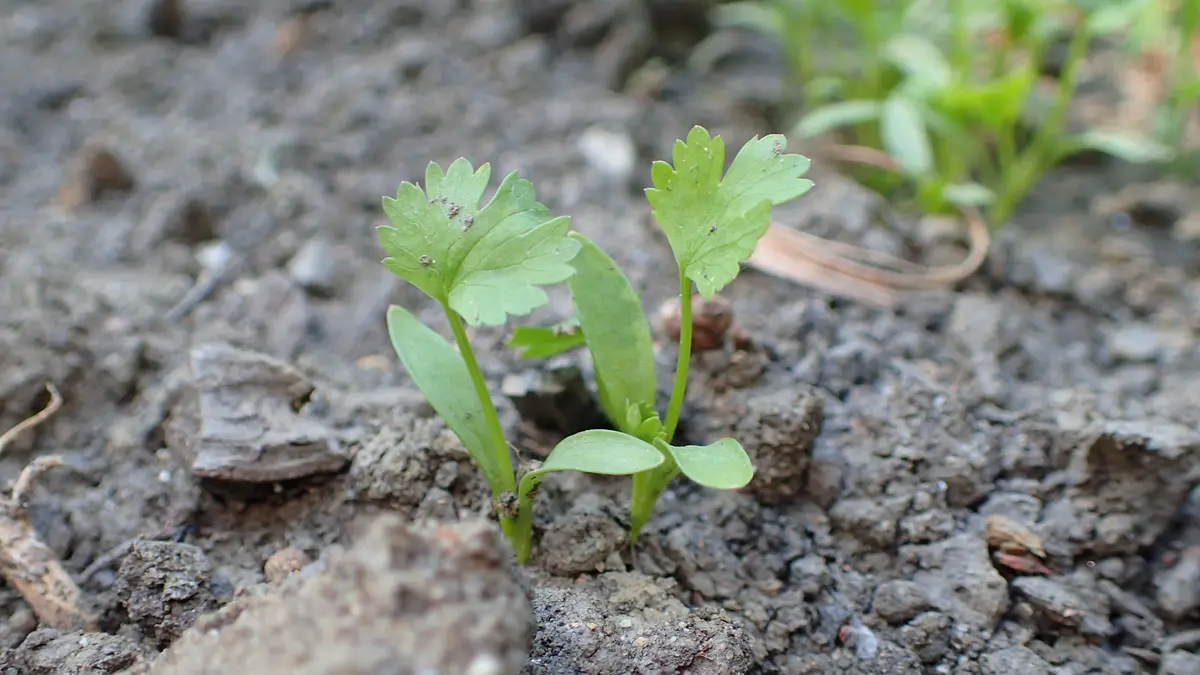
    Coriander essential oil comes from Coriandrum sativum, the culinary plant also known as cilantro. The seed-like fruits and green leaves produce chemically different oils, making the plant part used an essential piece of identification.

    Botanical identity

    Coriandrum sativum is an annual member of the carrot family. In some countries “coriander” names the whole plant; in North American usage, cilantro commonly means the fresh leaves while coriander means the dried fruits sold as a spice.

    Origins and cultivation

    Kew records the native range from the eastern Mediterranean to western Pakistan. Coriander has travelled widely as a culinary herb and spice and is now cultivated in many regions.

    Kew’s taxonomic record is useful for identity and distribution, but it does not establish the contents of a commercial oil. Variety, growing conditions, maturity and the part harvested all influence the distillate.

    How coriander essential oil is extracted

    Steam distillation can be applied to the dried fruits or to the green aerial parts. These should not be treated as interchangeable products: fruit oil is commonly rich in linalool, while leaf oil has a different composition and odour.

    Experimental work on coriander hydrodistillation shows that processing conditions can change both yield and composition. The essential oil is the volatile fraction carried by steam; it is not the same as ground spice, a tea, fixed seed oil or a solvent extract.

    Aroma and composition

    Oil from the mature fruits is typically sweet, spicy and woody. Leaf oil is greener and more pungent. Precise labelling should identify the botanical name and plant part because “coriander oil” alone can hide an important difference.

    A comparative chemical study of coriander leaf and seed oils illustrates that difference. Fruit oil is frequently dominated by linalool, whereas green aerial-part oil may contain substantial aldehydes. A safety or efficacy statement about one cannot be transferred casually to the other.

    Traditional uses

    Coriander has a very long history as food, flavouring and a traditional herbal ingredient. This profile records that cultural context without using it as evidence that the concentrated oil treats a modern medical condition.

    What does the research cover?

    A review of coriander research reports laboratory, animal and human work across foods, extracts and volatile oils. Another pharmacological review likewise covers several preparations. These are maps of a broad literature, not clinical proof for a retail essential oil.

    Laboratory researchers have tested coriander oil against selected microbes. Such results depend on concentration, contact and organism. They do not show that applying the oil treats an infection safely, and they cannot replace clinical diagnosis or an authorised antimicrobial product.

    Digestive, anxiety and blood-sugar claims

    These claims often borrow from culinary coriander, oral extracts or animal studies. Smelling a linalool-rich fruit oil is not the same intervention as eating coriander or taking a standardised extract. I could not identify robust human evidence that inhaled or topically applied coriander essential oil treats anxiety, diabetes or digestive disease.

    Describing an aroma as comforting after a meal is a sensory judgement. Describing it as an antidiabetic or antispasmodic treatment requires a defined product, dose, comparator and clinically important outcome.

    Safety

    A safety assessment describes coriander fruit oil used as a flavouring material. That history does not authorise swallowing an aromatherapy bottle or establish a home dose. Food flavouring use involves controlled specifications and very small quantities in a food matrix.

    Avoid neat application, eyes, mucous membranes and damaged skin. Stop after burning, rash or swelling. Store the closed bottle away from heat and light and keep it from children and animals. Anyone with a significant accidental ingestion should obtain poisons advice promptly.

    Buying checks

    • Coriandrum sativum and the country of origin.
    • Fruit/seed or leaf/aerial parts stated clearly.
    • Steam or hydrodistillation identified.
    • A batch-specific analysis that fits the stated plant part.
    • No transfer of food, extract or laboratory evidence to an unsupported oil treatment.

    Coriander claims we have investigated

    No Claim Review is currently linked to this oil. Traditional use or a marketing claim is not enough to assign an Evidence Score.

    Profile sources