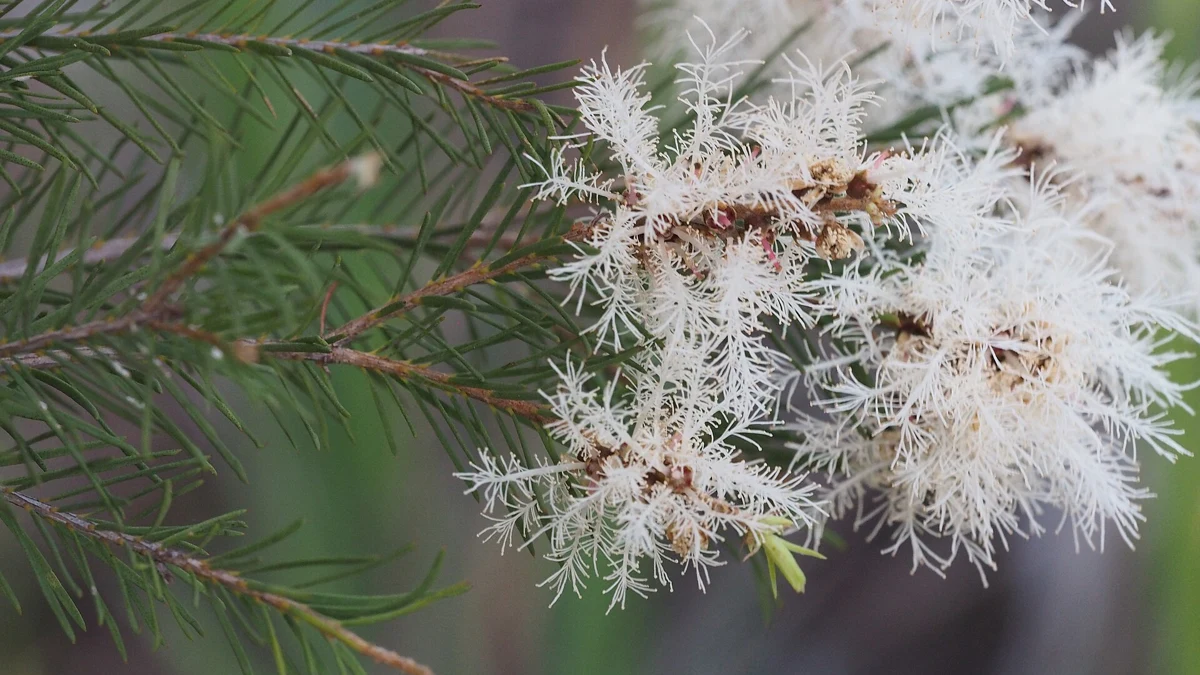

HealthWatchlist verdict: Tea tree oil has reduced experimentally induced nickel reactions in human studies. That does not establish a treatment for atopic eczema. The concentrations studied also raise practical safety concerns, because tea tree oil can itself cause allergic dermatitis.
The word eczema hides an important distinction
Atopic eczema, allergic contact dermatitis and irritant dermatitis can all involve inflamed, itchy skin. They do not have identical causes. A treatment result in one experimental model should not automatically become advice for another condition.
For someone with persistent atopic eczema, the useful question is whether a tolerable product improves symptoms, flare frequency and everyday life compared with appropriate care. A brief response to a deliberately applied allergen answers a narrower question.
The nickel studies behind the claim
A 2005 study tested tea tree oil after nickel exposure in sensitised human skin. Undiluted oil reduced measured redness and flare compared with nickel-only sites. A 5% lotion did not show a significant effect.
The response was not uniform, and some effects were concentrated in a subgroup with a slower-developing reaction. This is evidence of a possible local anti-inflammatory action under experimental conditions, rather than a reliable everyday eczema treatment.
The undiluted application is a study detail, not a recommendation. Copying the strongest experimental preparation onto an already damaged skin barrier would ignore the separate risk of irritation and sensitisation.
A later experiment compared tea tree oil with several topical agents. It reported a 40.5% reduction in nickel-induced allergic contact dermatitis. The study also examined chemically induced irritation, immediate skin reactions and histamine-related itch.
Those other outcomes did not show the same benefit. In particular, the reported treatments did not improve irritant contact dermatitis or histamine-induced itching. The headline percentage therefore should not be presented as a general eczema improvement rate.
Nor does the experiment establish that tea tree oil outperforms prescribed eczema medicines in normal practice. Such a claim would require a suitable trial in patients with the relevant diagnosis, using realistic treatment regimens.
What the broader review adds
A 2023 systematic review assessed 46 tea tree trial reports across several medical fields. Overall study quality was poor to modest. The authors specifically said that proposed local anti-inflammatory skin effects needed further clarification.
Forty-six reports across dentistry, skin care and other fields are not 46 eczema trials. Counting all applications together can make the evidence for one particular claim appear much larger than it is.
NCCIH likewise finds insufficient evidence for many promoted tea tree uses. The sources reviewed here do not establish a dependable atopic eczema treatment. That conclusion allows for future research without promising a benefit today.
Tea tree can also cause dermatitis
A review of tea tree contact allergy describes increased allergenicity after oxidation. Its patch-test figures came from tested patient populations. They should not be converted into the risk for every person buying a bottle.
Nevertheless, allergy is clinically relevant when the proposed purpose is to calm inflamed skin. DermNet identifies tea tree among oils that can cause allergic contact dermatitis. People with atopic dermatitis are among the groups at risk.
A small home skin test does not rule out delayed allergy or sensitisation after repeated use. If a product worsens a rash, stop using it and ask a pharmacist or clinician for advice.
A more useful approach to eczema care
Emollients help support the skin barrier. Choose a suitable product rather than adding fragrance to one you already tolerate. Keep emollient-contaminated fabrics away from flames, including after washing.
NHS eczema guidance covers moisturisers and anti-inflammatory treatment. Seek urgent GP or NHS 111 advice for painful, hot, swollen, weeping or pus-filled eczema, sudden deterioration, fever or feeling unwell.
Do not swallow tea tree oil. Avoid concentrated applications to eczema, and do not replace a prescribed treatment because a laboratory-style skin experiment sounds encouraging.
Evidence score
John’s Evidence Score: 2/10 for tea tree oil treating atopic eczema. This editorial score reflects indirect human findings, uncertain practical benefit and a relevant allergy risk. It is not a probability of success.
The research supports investigating anti-inflammatory effects. It does not yet support recommending bottled tea tree oil as an eczema remedy.
How this review was researched
Research checked on 14 September 2026. We searched PubMed for the named oils or preparations and the condition, reviewed the retrieved study abstracts and relevant reviews, and checked the official guidance linked below. This is an editorial review, not an exhaustive systematic review. We distinguish human treatment outcomes from laboratory findings, and identify where a study tested a mixture or a different preparation.
Related reading
References
- Reduction of nickel-induced contact hypersensitivity reactions by topical tea tree oil in humans.
- Tea tree oil attenuates experimental contact dermatitis.
- Efficacy and safety of Melaleuca alternifolia (tea tree) oil for human health-A systematic review of randomized controlled trials.
- Tea tree oil: contact allergy and chemical composition.
- NCCIH: Tea tree oil
- DermNet: Allergic contact dermatitis to essential oils
- NHS: Emollients
- NHS: Atopic eczema