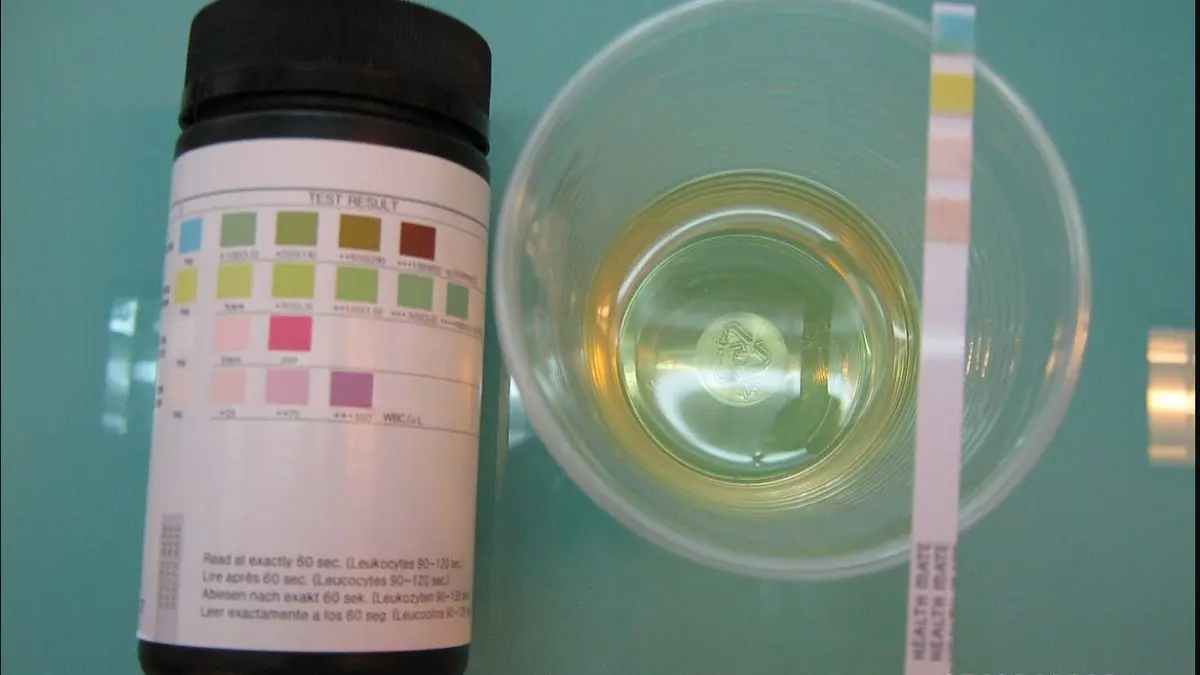

Bottom line: Essential oils do not have good human evidence as treatments for urinary tract infection. Laboratory activity against bacteria does not make an oil safe to swallow, insert or apply around the urethra.
Seek urgent advice for UTI symptoms with fever, shivering, back pain, blood in the urine, pregnancy, diabetes or a weakened immune system. Confusion, drowsiness or difficulty speaking needs 999 or A&E.
A UTI is not an infection an oil can reach from the skin
UTIs can affect the urethra, bladder or kidneys. Most are caused by bacteria entering the urinary tract, commonly from the bowel.
Burning, urgency and frequent urination can also occur with vaginal irritation, sexually transmitted infection or other bladder problems. That overlap is another reason a scented or irritating product can confuse the situation.
Rubbing diluted oil on the lower abdomen cannot deliver a reliable antibacterial concentration inside the bladder. Applying it near the urethra may irritate delicate tissue and make burning feel worse.
Swallowing oil is not a solution. Concentrated tea tree, eucalyptus, oregano and other oils can be toxic, and their doses are not established UTI treatments.
Why laboratory results sound more useful than they are
Researchers can expose bacteria to oregano, thyme, cinnamon, clove, tea tree or isolated constituents in a laboratory. Some oils inhibit organisms, including strains of Escherichia coli.
A laboratory result does not show that the substance reaches the bladder at an effective concentration after normal use. It also does not establish dosing, interactions, tissue safety or clinical cure.
A review of essential oils against antibiotic-resistant hospital bacteria describes mainly laboratory evidence. It calls these substances research leads, not replacements for prescribed antimicrobials.
Even an oil that inhibits one bacterial strain may not work against the organism causing a particular person’s symptoms. Resistance, contamination and non-infectious causes also complicate the picture.
Antimicrobial resistance makes careful antibiotic use important, but it does not make an untested oil an effective alternative. A treatment must reach the infection, improve symptoms and clear bacteria without unacceptable harm.
Oregano and tea tree for UTI: research models versus patient treatment
Studies using similar plant names can test very different products. A formulated cream, isolated constituent, herbal infusion and distilled oil need separate judgements. The comparisons below distinguish patient outcomes from laboratory findings.
Oregano oil for UTI
Oregano has promising laboratory activity against some urinary bacteria. In a 2017 screen of 79 oils, oregano and red thyme reduced biofilm formation and several virulence-related behaviours in uropathogenic E. coli (Lee and colleagues). Preventing a laboratory biofilm is not the same outcome as curing an established bladder infection.
A 2019 study examined stationary-phase E. coli, a laboratory model enriched in slow-growing bacteria. Oregano was active and helped some antibiotic combinations, but the effect was not universal. The authors found no apparent enhancement with fosfomycin, meropenem or cefdinir (Xiao and colleagues). This does not provide a clinical combination regimen.
A 2026 paper with “treatment of bacteria-induced cystitis” in its title modelled possible molecular targets and pathways. It was computational research, not a trial in patients (molecular-mechanism study). Neither this modelling nor direct bacterial exposure establishes a safe dose that reaches the human bladder. We did not locate a controlled human trial showing that oregano oil cures a UTI.
Related: Oregano profile.
Tea tree oil for UTI
A 2020 experiment tested oils against urinary bacteria in artificial urine. Tea tree and thyme were active, including against antibiotic-resistant strains. Combinations increased activity of fosfomycin and pivmecillinam against E. coli, but not nitrofurantoin (Loose and colleagues). These were laboratory comparisons, not patients receiving treatment.
A 2026 study used four E. coli isolates obtained from patients and a Foley-catheter laboratory model. Tea tree reduced attachment and biofilm formation, while expression of a biofilm-associated gene increased. It also measured effects on cultured cells (isolate and catheter-model study). Taking samples from patients does not turn those experiments into a treatment trial.
The findings cannot establish safe bladder exposure, clinical cure or home catheter care. Do not put tea tree oil into a catheter or use it around the urethra. NCCIH warns against swallowing tea tree oil and notes that topical use can cause irritation. The NHS care pathway below remains the appropriate next step for suspected UTI.
Related: Tea tree profile.
What these comparisons mean for care
A substance must reach the infection at an effective, tolerable exposure before laboratory activity can translate into treatment. We did not identify a controlled patient trial establishing either oil as a UTI cure in this targeted search.
NHS guidance advises urgent help for suspected UTI with diabetes, pregnancy, fever or shivering, back pain under the ribs, blood in the urine, or rapid deterioration. Confusion, drowsiness or difficulty speaking needs 999 or A&E. Do not delay assessment to try an oil.
Search limitations: This targeted review was completed on 14 September 2026. We searched web-indexed primary literature and Europe PMC, then followed relevant citations. It is not an exhaustive systematic review. Some papers were available only as abstracts, and unpublished studies were not systematically searched. Failure to locate a patient trial is not proof that none exists.
Seven more oils for UTI: checking the preparation and outcome
Antibacterial experiments, traditional medicinal use and studies of other urinary symptoms answer different questions. These comparisons explain what the individual sources can support.
Bergamot oil for UTI
Bergamot has laboratory antimicrobial research, but the phrase “clinical isolates” can be misleading. In a 2022 study, researchers exposed bacteria and fungi obtained from clinical specimens to a distilled bergamot extract. They measured microbial survival over time and examined structural damage with microscopy (Quirino and colleagues). The patients themselves were not treated.
The study supports investigating that preparation. It does not establish symptom relief, clearance of bacteria from urine or prevention of recurrent infection in people. A distilled extract also cannot automatically represent every expressed peel oil sold for fragrance.
We did not locate a controlled patient trial establishing bergamot oil as a UTI treatment. Its laboratory activity should not be converted into instructions to swallow it or apply it to the urethra. Product processing and route matter, and the linked profile explains the separate skin and sunlight risks.
Related: Bergamot profile.
Clove oil for UTI
A 2019 screen tested 140 essential oils against stationary-phase uropathogenic E. coli, a laboratory population containing slow-growing bacteria. One product labelled Syzygium aromaticum, the clove species, was among the stronger hits, while a product labelled clove bud required a higher concentration for activity (Xiao and colleagues). Product-specific results should not be treated as a guarantee for every clove bottle.
The experiment is relevant to research on persistent bacteria, but it did not measure clinical cure or recurrent UTI in patients. Exposure of bacteria in a laboratory vessel does not establish whether an effective and tolerable concentration can reach a person’s bladder.
Other urinary-bacteria studies tested ethanolic clove extracts: a 2020 study used 221 isolates, and a 2021 comparison found that an extract outperformed commercial oil at matched eugenol content (2020 isolate study; 2021 extract–oil comparison). These were not patient treatment trials.
A 2025 experiment found activity from a thyme–clove commercial blend against one urinary Klebsiella isolate, but could not isolate clove’s contribution (single-isolate report). A 2026 study found that combining an ethanolic clove extract with ciprofloxacin was antagonistic in its laboratory assay (Mukti and colleagues). That finding concerns a particular extract and assay, not a demonstrated clinical interaction; it cautions against assuming that an herbal product always helps an antibiotic.
The same paper’s antibiotic-combination experiments concerned oregano. They should not be attributed to clove or used to suggest adding clove oil to a prescribed antibiotic. We did not locate a controlled patient trial establishing clove oil as a UTI treatment.
Related: Clove profile.
Cypress oil for UTI
A 2014 study compared Mediterranean cypress essential oil with a methanol extract of the same plant. The oil showed moderate antibacterial activity, while the extract generally had stronger activity. The oil did not show anti-Candida activity in that experiment (Selim and colleagues). A solvent extract is not interchangeable with distilled essential oil.
The researchers also investigated biofilms, including material on an intravenous infusion tube. Those were laboratory experiments, not a trial of treating bladder infection or a urinary catheter in patients. A result on one artificial surface cannot establish safety or efficacy inside the urinary tract.
These findings provide a reason for further product research, not an established cypress UTI remedy. We did not locate a controlled patient trial showing clinical cure with cypress essential oil. Do not put oils into a catheter or use the laboratory concentrations as home-treatment instructions.
Related: Cypress profile.
Frankincense oil for UTI
There is also directly relevant negative laboratory evidence. A 2025 report tested frankincense oil, labelled Boswellia carteri, against a Klebsiella pneumoniae strain isolated from one patient’s urine. Frankincense showed no measurable inhibitory activity, although several other oils did (Mihu and colleagues). One isolate cannot represent every infection, but this result does not support a broad antibacterial claim. Despite “case report” in its title, the oil comparison took place outside the patient.
Some human Boswellia research concerns urinary symptoms, but that does not necessarily mean urinary infection. A prospective study enrolled 509 men with lower urinary tract symptoms related to benign prostatic obstruction. It compared prescribed Serenoa repens extract alone with the addition of suppositories containing propolis polyphenols and Boswellia serrata extract. Six-month data were available for 371 participants (clinical report on prostate-related urinary symptoms).
The authors reported symptom improvements, but this was a combined treatment for a different problem. The abstract does not describe random allocation, and the loss of follow-up limits confidence. It cannot isolate Boswellia’s contribution or establish clearance of bacterial infection.
Boswellia extract in a suppository is also different from frankincense essential oil. We did not locate a controlled patient trial establishing frankincense oil as a UTI treatment. Persistent urinary symptoms deserve assessment rather than assuming that an anti-inflammatory or prostate study provides an infection remedy.
Related: Frankincense profile.
Juniper berry oil for UTI
Juniper differs from oils with only a laboratory rationale. The EMA monograph recognises a traditional medicinal use of defined juniper oil preparations to increase urine flow as an adjunct for minor urinary complaints. This indication rests on longstanding use, rather than established clinical efficacy (EMA monograph). Increasing urine volume is not the same as demonstrating that an infection has cleared.
The EMA’s 2020 review found no new clinical information requiring a change to that monograph (assessment addendum). That review covered earlier evidence; it is not proof that no later research exists. Our targeted search did not locate a controlled patient trial establishing UTI cure with juniper essential oil.
The monograph excludes use in severe kidney disease and when fluid intake must be restricted, and does not recommend use during pregnancy or breastfeeding. It calls for professional assessment if fever, painful urination or blood in the urine occurs. Its medicinal-product directions should not be translated into swallowing a retail aromatherapy oil.
Related: Juniper berry profile.
Lemongrass oil for UTI
A 2020 study tested cajeput, lemongrass, tea tree and thyme oils against seven urinary bacterial species in artificial urine. All four had bactericidal activity, but tea tree and thyme were more effective than lemongrass and cajeput. Antibiotic-resistant strains showed similar susceptibility to antibiotic-sensitive strains under the experimental conditions (Loose and colleagues).
This is a useful laboratory result, not evidence that lemongrass cures resistant infection in people. Artificial urine cannot reproduce every feature of the bladder, drug metabolism, tissue exposure or irritation. The study did not establish an oral or topical treatment route.
The reported oil-combination and antibiotic-synergy experiments used tea tree and thyme. Those results should not be transferred to lemongrass. We did not locate a controlled patient trial showing that lemongrass essential oil improves UTI symptoms, clears urine cultures or prevents recurrence. Follow the appropriate care pathway rather than adapting the laboratory preparation.
Related: Lemongrass profile.
Sandalwood oil for UTI
A 2024 study investigated Santalum album essential oil as a food-preservation ingredient. It found antimicrobial activity in laboratory tests and examined Salmonella biofilms. Further experiments included vacuum-packed carrot slices, where the oil showed anti-Salmonella activity (Verešová and colleagues).
These findings are relevant to developing food-preservation systems. They do not show that sandalwood treats a bladder infection. Food surfaces, laboratory biofilms and the human urinary tract are different environments, with different exposure and safety requirements.
Even when a study includes a bacterial species that can cause human disease, its setting and outcomes still matter. We did not locate a controlled patient trial establishing UTI cure or recurrence prevention with sandalwood essential oil. Antimicrobial activity in food research cannot supply a safe dose to swallow, apply to genital tissue or put into a catheter.
Related: Sandalwood profile.
How to use these findings
None of these comparisons establishes a home essential-oil treatment for an active UTI. Do not swallow aromatherapy oils, apply them to the urethra or put them into catheters. Suspected infection needs an appropriate assessment; a laboratory result does not justify delaying care.
NHS guidance advises urgent help for suspected UTI during pregnancy, with diabetes, a catheter, fever or shivering, back pain under the ribs, blood in the urine, or rapid worsening. Confusion, drowsiness or difficulty speaking needs 999 or A&E. A pharmacist can advise eligible women with uncomplicated symptoms; antibiotics are sometimes, but not always, needed.
Search limitations: Targeted web and Europe PMC searches with citation follow-up on 14 September 2026; not an exhaustive systematic review or unpublished-trial search. Some findings use indexed abstracts. Full texts were retrieved for bergamot, cypress, lemongrass and sandalwood, and the EMA monograph and addendum were read. Retrieval failures limited some follow-up searches; no unlocated trial is assumed not to exist.
What human evidence is missing
Reliable treatment evidence would need properly diagnosed participants, a standardised product, a comparison group, microbiological outcomes and careful recording of adverse effects.
The familiar online lists do not provide that evidence. They often move from an in-vitro result to a recipe without showing that the recipe cures infection in people.
A broad systematic review of randomised tea-tree-oil trials found research in several clinical fields. It did not establish tea tree oil as a UTI treatment.
What NHS care involves
The NHS advises that some UTIs need antibiotics, while some can initially be managed with self-care or a delayed prescription. The decision depends on symptoms and individual risk.
A pharmacist can assess many non-pregnant women aged 16 to 64. Men, children, pregnant people, adults aged 65 or over and people with diabetes or catheters need the route advised by the NHS.
Rest, adequate fluid and paracetamol may help symptoms when appropriate. These measures do not prove that an infection has cleared, and worsening symptoms need reassessment.
Take prescribed antibiotics exactly as directed and seek advice about missed doses or side effects. Do not save tablets for a later episode or share them with someone whose symptoms look similar.
NICE guidance supports targeted antibiotic prescribing for lower UTI. NICE guidance for acute pyelonephritis covers the more serious kidney-infection pathway. The aim is to treat people who need antibiotics while avoiding unnecessary use.
Prevention claims are a separate question
Treatment of an active UTI and prevention of recurrent infections are different questions. Evidence discussed for cranberry, vaginal oestrogen or other preventive measures cannot be transferred to essential oils.
Avoid fragranced intimate washes and essential oils around the genitals. Keeping the area clean with water is enough, and scented products can create irritation that resembles infection symptoms.
Dark or strong-smelling urine alone may reflect too little fluid rather than infection. When it occurs with pain, urgency, fever or other symptoms, use the appropriate NHS assessment route instead of relying on smell.
When not to wait
Ask for urgent GP or NHS 111 help for a very high or low temperature, shivering, pain under the ribs, blood in urine or symptoms that worsen quickly.
Urgent advice also applies during pregnancy, with diabetes, with a catheter or weakened immunity, and when symptoms fail to improve within 48 hours of starting treatment. The European Association of Urology guideline likewise separates uncomplicated bladder symptoms from systemic infection and risk factors.
My verdict
Essential oils can look impressive in antimicrobial laboratory studies. No good evidence shows that home aromatherapy preparations safely cure infection in the human urinary tract.
Use the NHS assessment route that fits your circumstances. Do not swallow essential oil or apply it to genital tissue in an attempt to treat a UTI.
References
- Lee JH, Kim YG, Lee J. Carvacrol-rich oregano oil and thymol-rich thyme red oil inhibit biofilm formation and the virulence of uropathogenic Escherichia coli. Journal of applied microbiology. 2017;123:1420-1428. DOI: 10.1111/jam.13602.
- Xiao S, Cui P, Shi W, Zhang Y. Identification of essential oils with strong activity against stationary phase uropathogenic Escherichia coli. Discovery medicine. 2019;28:179-188. DOI: 10.1101/702951.
- Carosati E, Mattioli LB, Santini A, Caprioli G, Micucci M, Mangiaterra G, Marzetti C, Scola Gagliardi M, Nzekoue FK, Vittori S, Scala G, Ceccarelli M, Frosini M, Corazza I, Budriesi R. Thyme, Oregano, and Cinnamon Essential Oils: Investigating Their Molecular Mechanism of Action for the Treatment of Bacteria-Induced Cystitis. ACS omega. 2026;11:9757-9773. DOI: 10.1021/acsomega.5c10256.
- Loose M, Pilger E, Wagenlehner F. Anti-Bacterial Effects of Essential Oils against Uropathogenic Bacteria. Antibiotics (Basel, Switzerland). 2020;9:E358. DOI: 10.3390/antibiotics9060358.
- Al-Zaidi OSSH, Zwain LA, Mahmoud EA. From adhesion to gene regulation: tea tree essential oil suppresses Uropathogenic Escherichia coli colonization while triggering csgA-mediated biofilm stress paradox. Molecular biology reports. 2026;53:1086. DOI: 10.1007/s11033-026-12265-0.
- NCCIH. Tea Tree Oil: Usefulness and Safety. Accessed 14 September 2026.
- NHS. Urinary tract infections. Accessed 14 September 2026.
- Quirino A, Giorgi V, Palma E, Marascio N, Morelli P, Maletta A, Divenuto F, De Angelis G, Tancrè V, Nucera S, Gliozzi M, Musolino V, Carresi C, Mollace V, Liberto MC, Matera G. Citrus bergamia: Kinetics of Antimicrobial Activity on Clinical Isolates. Antibiotics (Basel, Switzerland). 2022;11:361. DOI:10.3390/antibiotics11030361.
- Faujdar SS, Bisht D, Sharma A. Antibacterial activity of Syzygium aromaticum (clove) against uropathogens producing ESBL, MBL, and AmpC beta-lactamase: Are we close to getting a new antibacterial agent? Journal of family medicine and primary care. 2020;9:180-186. DOI:10.4103/jfmpc.jfmpc_908_19.
- Rosarior VL, Lim PS, Wong WK, Yue CS, Yam HC, Tan SA. Antioxidant-rich Clove Extract, A Strong Antimicrobial Agent against Urinary Tract Infections-causing Bacteria in vitro. Tropical life sciences research. 2021;32:45-63. DOI:10.21315/tlsr2021.32.2.4.
- Mihu ML, Novac CŞ, Crăciun S, Fiţ NI, Bouari CM, Nadăş GC, Răpuntean S. Urinary Multidrug-Resistant Klebsiella pneumoniae: Essential Oil Countermeasures in a One Health Case Report. Microorganisms. 2025;13:1807. DOI:10.3390/microorganisms13081807.
- Mukti FK, Kusumaningrum FF, Prastiyanto ME, Geleta D, Siregar AR, Putri WA. Targeting urinary tract infections: Anti-MDR efficacy of Syzygium aromaticum small molecules against uropathogenic Escherichia coli through in vitro and in silico approaches. German medical science : GMS e-journal. 2026;24:Doc10. DOI:10.3205/000363.
- Selim SA, Adam ME, Hassan SM, Albalawi AR. Chemical composition, antimicrobial and antibiofilm activity of the essential oil and methanol extract of the Mediterranean cypress (Cupressus sempervirens L.). BMC Complementary and Alternative Medicine. 2014;14:179. DOI:10.1186/1472-6882-14-179.
- Barbaresi U, Dicuio M, Mineo Bianchi F, Marini M, Quadrini F, Lupo S, De Stefano R. Efficacy of Serenoa repens lipido-sterolic extract alone or in combination with propolis polyphenols and Boswellia serrata extract suppositories on PSA level and symptoms in patients affected by lower urinary tract disorders. Archivio italiano di urologia, andrologia : organo ufficiale [di] Societa italiana di ecografia urologica e nefrologica. 2025;97:13877. DOI:10.4081/aiua.2025.13877.
- EMA, Committee on Herbal Medicinal Products. Community herbal monograph on Juniperus communis L., aetheroleum. EMA/HMPC/12402/2010. Adopted 25 November 2010.
- EMA, Committee on Herbal Medicinal Products. Addendum to Assessment report on Juniperus communis L., aetheroleum. EMA/HMPC/616091/2019. 23 September 2020.
- Verešová A and colleagues. Enhancing Antimicrobial Efficacy of Sandalwood Essential Oil Against Salmonella enterica for Food Preservation. Foods. 2024;13:3919. DOI:10.3390/foods13233919.
- NICE NG109: Lower UTI antimicrobial prescribing
- NICE NG111: Acute pyelonephritis
- European Association of Urology: Urological infections guideline
- Iseppi and colleagues: Essential oils and antibiotic-resistant bacteria
- Kairey and colleagues: Tea tree oil systematic review
- NCCIH: Aromatherapy
- Posadzki and colleagues: Adverse effects of aromatherapy
- ANSES: Vigilance concerning essential-oil sprays and diffusers
- HealthWatchlist: Essential-oil safety guide