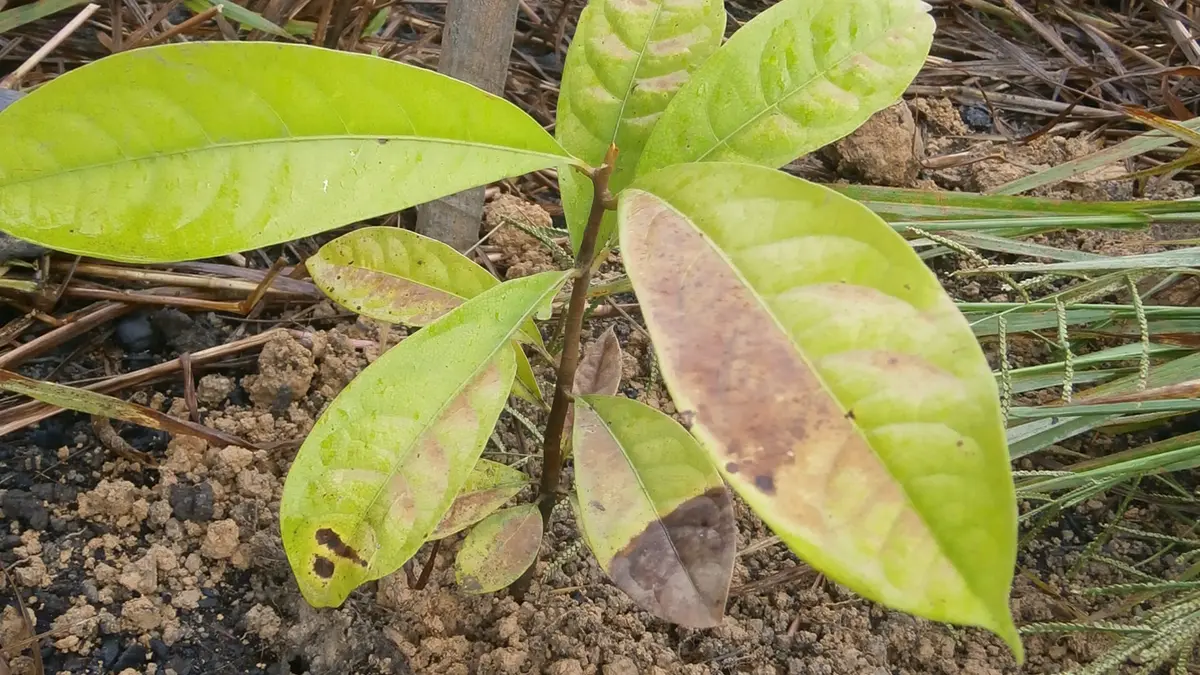

Rosewood essential oil usually refers to oil from Aniba rosaeodora, an Amazonian tree with an important conservation history. Botanical identity and traceable sourcing are central to this profile.
Botanical identity
Aniba rosaeodora belongs to the Lauraceae family. It is not one of the Dalbergia trees also called rosewood in the timber trade.
A laboratory study characterised linalool-rich Aniba rosaeodora oil and tested its biological activity. It was an original experiment, not a review of clinical treatment. Composition can vary with source, plant part and processing.
How the oil is made
Traditional production distilled fragrant wood. Some current projects use leaves and branches, which can reduce pressure on whole trees when the supply is managed responsibly.
The plant part must appear on the product information. Wood oil and leaf oil should not be assumed to have identical composition.
Conservation and trade
The official CITES checklist records species and products covered by international trade controls. Search it for Aniba rosaeodora when checking the current listing and annotations.
Rosewood has been affected by heavy historical harvesting. A responsible supplier should provide the country of origin, plant part and evidence of lawful, traceable sourcing.
“Sustainable” without details is not enough. Ask whether the material came from managed plantations, leaves and branches, or authorised wood production.
Aroma and composition
The aroma is commonly described as sweet, woody and floral. Linalool is often prominent, but a familiar smell does not prove species or provenance.
A batch-specific chemical report can support an identity check. It cannot by itself establish that harvesting was legal or environmentally responsible.
Claims and evidence
Much published rosewood research concerns isolated constituents, laboratory models or animals. It does not prove that the oil treats infection, pain, anxiety or a skin condition in people.
A claim assessment needs the exact oil, route, dose, comparison and human outcome. Traditional perfumery use is not clinical evidence.
Safety
Do not swallow ordinary rosewood essential oil. Dilute a product intended for skin use and stop if it causes redness, itching, coughing or headache.
Oxidised oils can be more irritating. Store the bottle closed, away from heat and light, and follow the supplier’s stated shelf-life guidance.
Evidence scores for rosewood
No Claim Review is currently linked to this oil. Traditional use or a marketing claim is not enough to assign an Evidence Score.
Bottom line
A rosewood label should identify Aniba rosaeodora, the plant part, origin and extraction method. Traceable sourcing matters as much as aroma or a chemical report.
Profile sources
- Teles and colleagues (2020): Aniba rosaeodora oil composition and laboratory activity
- CITES: Checklist of listed species
Editorial responsibility and correction note
Editor: John Hamlen. This article has not been independently reviewed by a clinician.
Reference correction, 12 September 2026: Changes in this check: Correct original laboratory research labelled as a review; Correct bibliographic description against source record. This was a targeted correction, not a comprehensive new review of every claim in this article.
Read our editorial policy, evidence method and corrections policy, including how to report an error.