
Ginger essential oil is the volatile oil distilled from the rhizome of Zingiber officinale. It is not the same preparation as fresh ginger, powdered spice or an oral extract.
Botanical identity
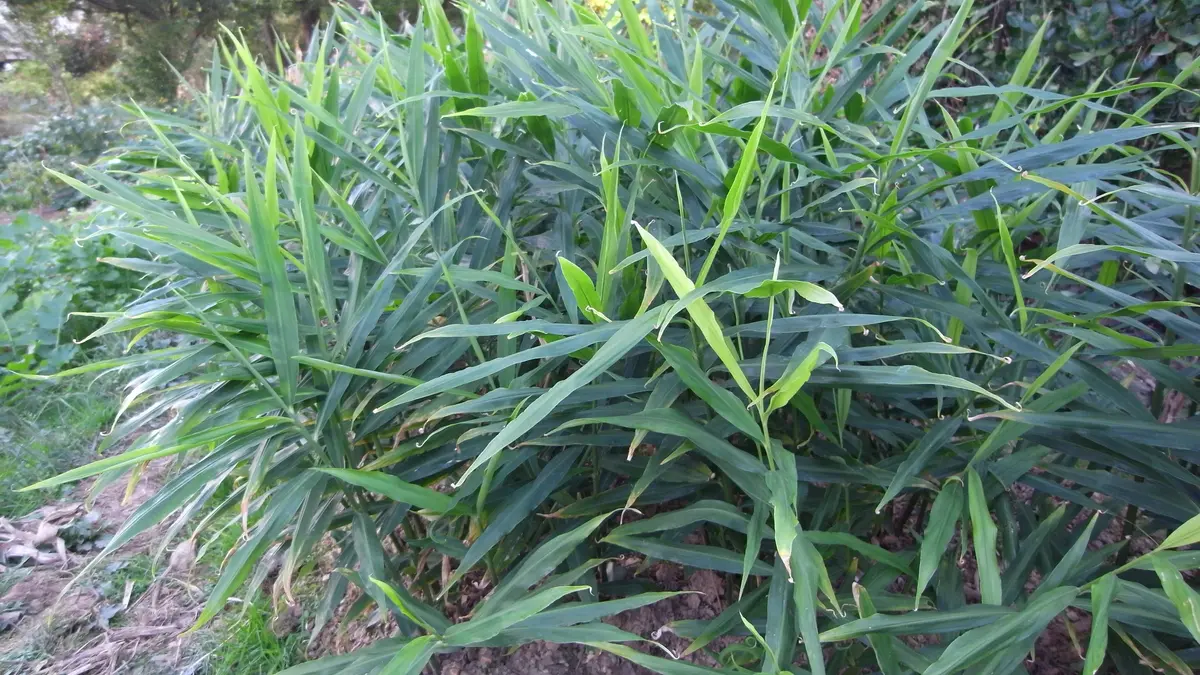
Zingiber officinale Roscoe is an accepted species in Kew’s Plants of the World Online. The familiar ginger “root” is botanically a rhizome, an underground stem.
A precise label should name the species, rhizome as the plant part and the extraction method. Ginger fragrance oils and ready-diluted blends are different products.
How ginger essential oil is made
The essential oil is generally produced by steam distillation of fresh or dried rhizome. Steam carries volatile aromatic compounds into a condenser, where the oil separates from the water.
Distillation selects volatile compounds. It does not reproduce the whole rhizome, and the finished oil does not contain every constituent found in fresh ginger or a concentrated oral extract.
Aroma and composition
Ginger oil is usually warm, woody, spicy and citrus-like. Its composition changes with origin, whether the rhizome was fresh or dried, and the distillation conditions.
The oil also smells different from freshly cut ginger because some pungent compounds in the food are not carried across in the same way during steam distillation.
Do ginger studies apply to the oil?
Not automatically. Results from capsules, food, tea or standardised ginger extracts concern different preparations and routes. They cannot establish that inhaled or diluted ginger essential oil produces the same result.
NCCIH includes ginger among oils used in aromatherapy, while its overview emphasises that essential oils are generally inhaled or applied in diluted form.
Traditional uses
Ginger has a long culinary and medicinal history across Asia and beyond. The distilled oil is also used in perfumery, flavour work and fragrance blends.
Traditional use can identify questions worth researching. It does not prove that a bottle of ginger essential oil treats nausea, pain, digestion or another condition.
Safety
Do not swallow an aromatherapy ginger oil or apply it neat. Use a product intended for the chosen route and follow the supplier’s instructions.
Keep it away from eyes, mouth, broken skin, children and animals. Stop after irritation, coughing or breathing discomfort. Ask a pharmacist about medicinal use with pregnancy, breastfeeding or medicines.
Evidence scores for ginger
Ginger and tendonitis
Research in other conditions does not establish tendon healing or a recovery benefit. Our oil-specific evidence appraisal explains the studied preparation, comparison and limits. It also sets the claim alongside appropriate care.
Profile sources
- Royal Botanic Gardens, Kew: Zingiber officinale
- National Center for Complementary and Integrative Health: Aromatherapy
Ginger aromatherapy and nausea
A postoperative trial found short-term nausea improvement with inhaled ginger alongside standard care. A later aromatherapy review found low-certainty nausea benefits without a significant pooled reduction in vomiting. The review included several aromas, so its overall effect is not ginger-specific. Studies of swallowed ginger supplements are a separate evidence base and do not justify swallowing essential oil.
Targeted evidence update: 13 September 2026. This section reviews the specified claim; it does not represent a new review of every statement on this page.
Related evidence review: Ginger Oil for Nausea: What Aromatherapy Trials Actually Tested.