
HealthWatchlist verdict: Ginger aromatherapy has a promising but uncertain signal for short-term nausea after surgery. It is not established as a replacement for anti-sickness medicine, and studies of swallowed ginger supplements do not prove that inhaling the oil has the same effect.
Three different things called ginger
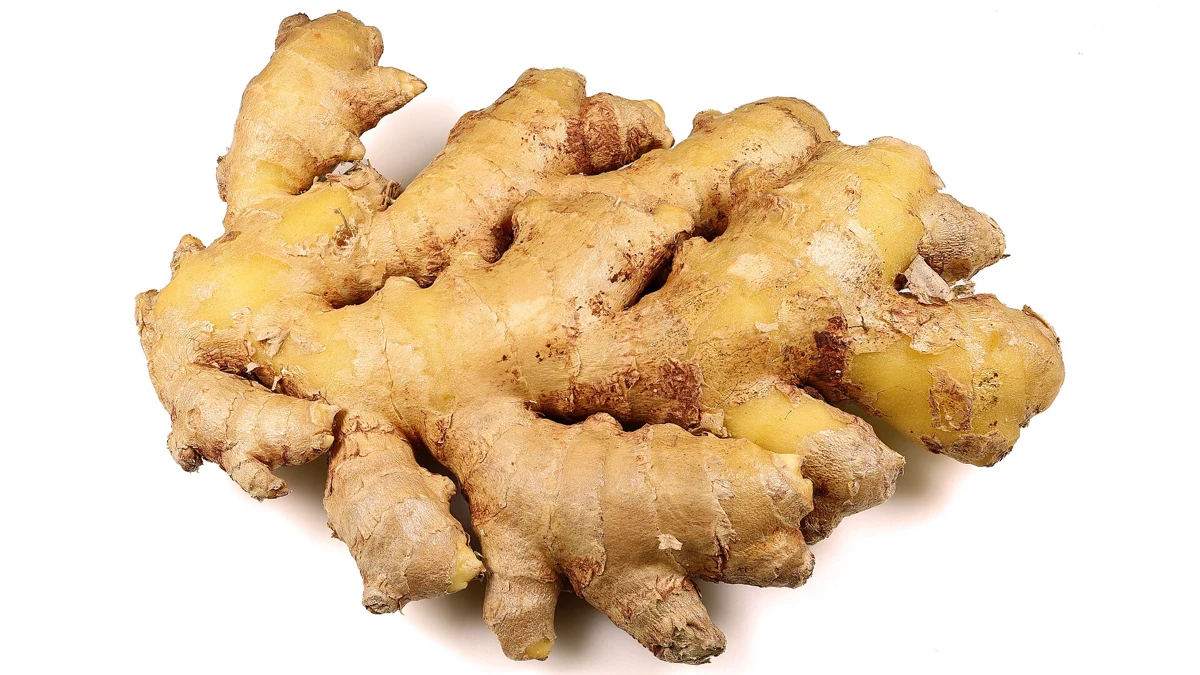
Fresh ginger, a swallowed ginger supplement and ginger essential oil are different preparations. Distillation changes which constituents are present. Research about one should not be used to promise the same result from the others.
NCCIH explains that most nausea research on ginger tested dietary supplements. It describes possible benefit in pregnancy-related nausea, while findings for several other settings remain uncertain. Those conclusions cannot simply be attached to an aromatherapy bottle.
The postoperative trial behind many claims
A randomised trial analysed 301 adults who developed nausea after ambulatory surgery. It compared inhaled ginger, a four-oil blend, isopropyl alcohol and saline. Nausea was reassessed after five minutes while standard anti-sickness treatment remained available.
Ginger and the blend improved nausea scores more than saline, and participants requested fewer additional anti-sickness medicines. That is directly relevant evidence for brief postoperative symptom relief. It does not show that the effect lasts through the day, prevents all vomiting or treats the cause of nausea.
The trial screened more than a thousand people, but only those who developed nausea entered this comparison. Quoting the screening total as the number treated would overstate the evidence.
What later studies add
A small study involving 30 women having breast augmentation reported favourable postoperative results with ginger oil used in a specific anaesthetic setting. Its small, narrowly selected population limits generalisation. The administration method belongs to a clinical procedure and is not a home-use instruction.
A 2025 oral-surgery trial tested a mixture of peppermint, ginger and lavender. Although 182 people were randomised, only the 57 who developed postoperative nausea received the intervention. The mixture reduced nausea severity; the difference in anti-sickness medicine use was not statistically significant.
A blend cannot identify ginger as the ingredient responsible. These studies also address different situations: preventing postoperative symptoms and relieving nausea once it has begun are not identical questions.
The overall evidence remains uncertain
A 2024 systematic review of postoperative aromatherapy found a pooled reduction in nausea severity, but no statistically significant reduction in vomiting episodes. Certainty was low, with substantial variation between studies.
The review covered different aromatic interventions, so its overall estimate is not a ginger-only treatment effect. Nausea is a subjective symptom, making the choice of control especially important when participants can recognise a scent.
| Question | What the research supports |
|---|---|
| Brief nausea relief in postoperative care | A limited positive signal requiring better replication. |
| Reliable prevention of vomiting | Not established by the pooled aromatherapy findings. |
| Replacing prescribed anti-sickness treatment | Not tested or justified by the supportive-care trials. |
| Pregnancy or motion sickness | Requires evidence for that population and that preparation. |
Chemotherapy is a separate setting
A pilot study in people undergoing blood and marrow transplantation compared peppermint, ginger and a control oil. Its exploratory findings do not establish a dependable ginger treatment for chemotherapy-related nausea or vomiting.
The 2023 MASCC/ESMO review of integrative antiemetic therapies could not make a recommendation for inhalation aromatherapy because the evidence was insufficient. It also found conflicting evidence for ingested ginger. The two routes should be evaluated separately even when both have uncertainties.
People receiving chemotherapy should discuss complementary products with their treatment team. Missing a prescribed anti-sickness dose because a scent initially feels helpful can leave symptoms poorly controlled later.
Safety and when to seek help
Do not swallow ginger essential oil or add it to drinks as a substitute for a studied capsule or food preparation. The clinical trials do not establish a safe homemade dose. Strong smells can also be unpleasant when someone already feels nauseated.
NHS guidance advises assessment when vomiting prevents you keeping fluids down or signs of dehydration develop. Severe abdominal pain, blood in vomit or other worrying symptoms need prompt help. An aromatherapy experiment should not delay it.
If an aroma is used as an optional comfort measure in a clinical setting, its role should remain clear: it accompanies assessment and established care. It should be stopped if it makes the person feel worse.
Evidence score and conclusion
John’s Evidence Score: 3/10 for inhaled ginger oil as an adjunct for short-term postoperative nausea. There is direct human research, but brief follow-up, small additional trials and mixed interventions limit confidence.
Ginger aromatherapy merits further study. Current evidence supports a cautious discussion of optional symptom comfort, rather than a broad recommendation for nausea from any cause.
How this review was researched
Research checked on 13 September 2026. We searched PubMed for the named oils or preparations and the condition, followed relevant review references, and checked the official guidance linked below. This is an editorial review, not an exhaustive systematic review. We distinguish human treatment outcomes from laboratory findings, and identify where a study tested a mixture or a different preparation.
Related reading
References
- Aromatherapy as treatment for postoperative nausea: a randomized trial.
- Using Ginger Oil to Treat Nausea and Vomiting Following Breast Augmentation Surgery.
- Effect of aromatherapy with peppermint, ginger, and lavender on postoperative nausea severity after oral surgery under general anaesthesia: A single-blind randomized controlled trial.
- Aromatherapy for the prevention of postoperative nausea and vomiting: A systematic review and meta-analysis.
- Reduction of Chemotherapy-Induced Nausea and Vomiting: A Pilot Study of Essential Oils in the Autologous Blood and Marrow Transplantation Population.
- 2023 MASCC/ESMO consensus antiemetic guidelines related to integrative and non-pharmacological therapies.
- NCCIH: Ginger
- NHS: Diarrhoea and vomiting
Related evidence review: Lemon Oil for Nausea: Pregnancy Trials, Safety and What Remains Uncertain.