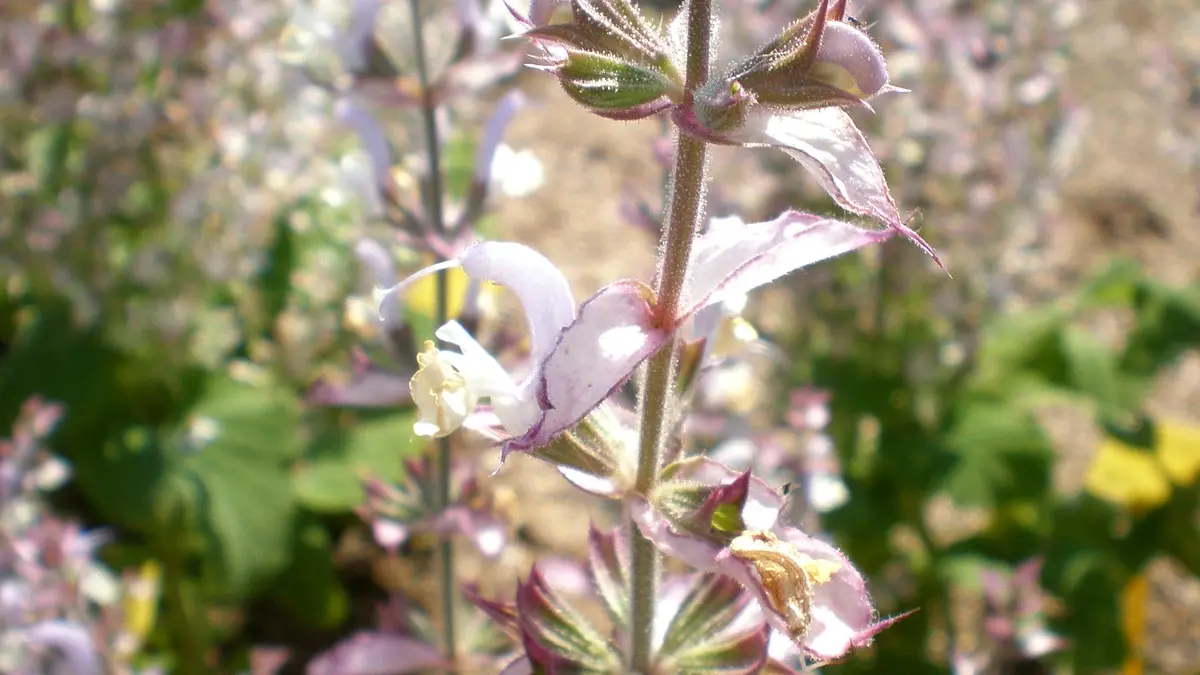

HealthWatchlist verdict: research on aromatherapy massage blends cannot show that clary sage oil alone improves PMS. Direct evidence for the isolated oil is insufficient.
The exact question
This review asks whether clary sage essential oil improves premenstrual syndrome. PMS can include mood, physical and behavioural symptoms. Period pain, or dysmenorrhoea, overlaps for some people but is not the same diagnosis.
Clary sage is Salvia sclarea. Claims should not be supported with research on common sage, herbal extracts or isolated compounds unless the preparation matches.
What the cited trials used
A randomised double-blind trial studied massage with a blended essential-oil preparation for primary dysmenorrhoea. The blend included clary sage alongside other oils. Massage and several ingredients changed together, so the study cannot isolate clary sage.
An earlier placebo-controlled trial also assessed aromatherapy for menstrual pain. It again used a blend and massage rather than clary sage inhalation or topical clary sage alone.
These studies addressed pain during menstruation, not the full range of premenstrual symptoms. A result for pain intensity cannot establish an effect on irritability, sleep, breast tenderness or functional impairment.
What reviews say
A systematic review and meta-analysis found favourable pooled results for aromatherapy and PMS symptoms. Only eight trials were included, and statistical heterogeneity was high. Oils, delivery methods and outcomes varied.
Pooled “aromatherapy” evidence cannot identify clary sage as the active ingredient. Small-study effects, scent expectations and incomplete blinding also limit certainty.
Hormone claims need particular care
Clary sage is often described online as balancing oestrogen. The cited aromatherapy trials did not demonstrate correction of a hormone abnormality. A constituent’s structural resemblance or activity in a laboratory model is not evidence of a clinically useful hormonal effect.
The NHS advises seeking medical help when PMS affects daily life. Keeping a symptom diary can help distinguish a recurring premenstrual pattern from another problem.
What would answer the question?
A clary-sage trial would need a clary-sage-only group, a comparable massage or inhalation control and symptom tracking across several cycles. Researchers should define whether pain, mood or total PMS burden is the primary outcome.
Results should include everyone randomised, not only participants who completed treatment. Adverse events and use of painkillers or hormonal treatments also need recording because they can change the comparison.
Safety
Essential oils can irritate skin or cause allergy. Massage trials use controlled dilutions, which do not justify neat application. Avoiding pregnancy-related use without professional advice is prudent because direct safety evidence is limited.
- Do not swallow clary sage essential oil.
- Do not apply it neat or internally.
- Stop after rash, burning, headache, dizziness or breathing symptoms.
- Do not let fragrance delay assessment of severe pain, heavy bleeding or major mood change.
My assessment
Clary sage is present in small blended-massage studies, but that is not evidence for the oil alone or PMS as a whole. The accurate conclusion is insufficient direct evidence, with no demonstrated “hormone-balancing” effect.