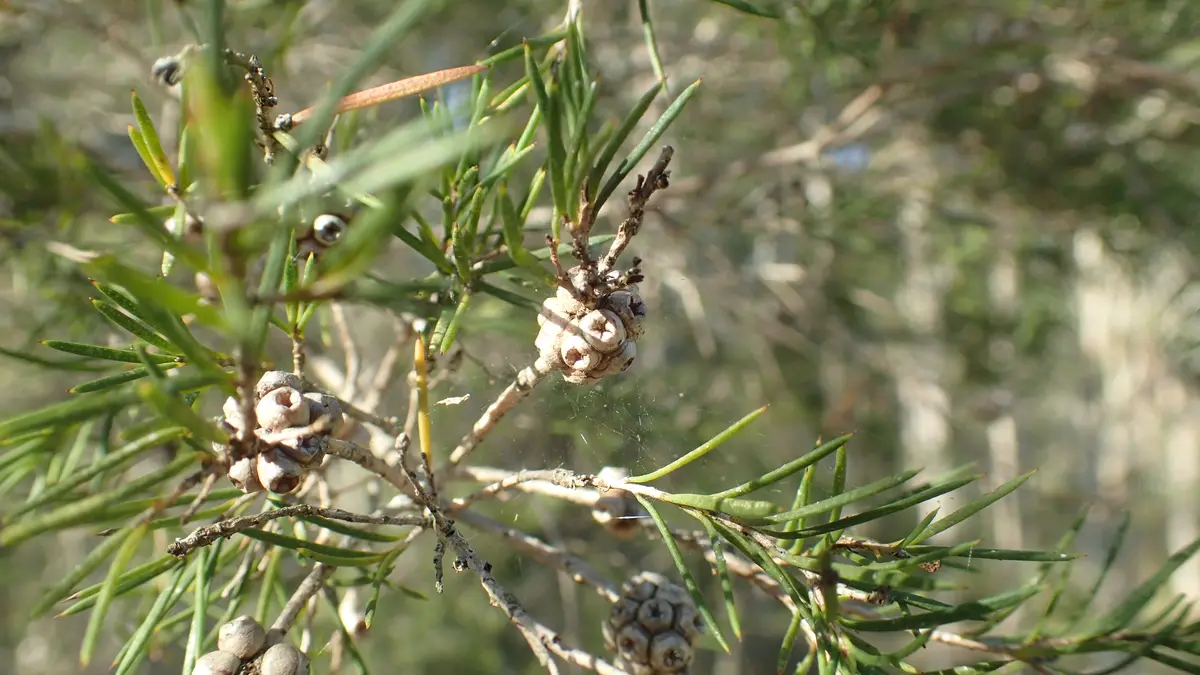

HealthWatchlist verdict: 5% tea-tree-oil gels have limited evidence for mild to moderate acne. The trials do not show that tea tree oil reduces sebum or treats oily skin generally.
The outcome matters
Oily skin describes visible or felt oiliness, usually related to sebum. Acne involves blocked follicles and inflammation. A product that changes acne-lesion counts does not necessarily reduce sebum production.
This review therefore separates evidence about acne from the broader claim that tea tree oil “balances” oily skin.
What the clinical trials found
A single-blind randomised trial compared 5% tea tree gel with 5% benzoyl peroxide in 124 people. Both groups had fewer inflamed and non-inflamed lesions. Tea tree acted more slowly and caused fewer reported side effects.
A later double-blind placebo-controlled trial enrolled 60 people with mild to moderate acne. A 5% tea tree gel improved lesion counts and an acne severity measure more than placebo.
Both trials tested formulated gels, not neat essential oil. Neither establishes that tea tree oil reduces measured sebum, pore size or ordinary facial shine.
How certain is the acne evidence?
A Cochrane review of complementary therapies for acne judged evidence for tea tree oil to be low quality. Small studies, differing methods and risk of bias prevent confident comparisons with established treatments.
Tea tree oil’s antimicrobial and anti-inflammatory laboratory activity provides a plausible rationale. Mechanism studies cannot determine the best clinical concentration or long-term balance of benefit and irritation.
Why neat oil is not the studied treatment
A 5% gel controls concentration and spreads the oil in a tested base. Applying undiluted oil delivers a much higher and less predictable exposure. Oxidised tea tree oil can be more sensitising.
A clinical review documents allergic contact dermatitis caused by essential oils. New redness, itching, swelling or blistering is a reason to stop, not evidence that skin is “purging”.
What remains uncertain
The trials were not designed to establish long-term relapse rates or compare tea tree gel with today’s full range of acne treatments. Product stability and oxidation may also affect tolerance outside a trial.
A larger independent study should analyse the oil, monitor adherence and report outcomes after treatment stops. Measuring sebum directly would be necessary before making an oily-skin claim.
Practical skin care
Dermatologists recommend gentle cleansing and avoiding harsh scrubbing or irritating astringents. Use products labelled non-comedogenic and give an evidence-based acne treatment time to work.
- Do not apply neat tea tree oil to the face.
- Do not swallow it or use it near the eyes.
- Stop after irritation, rash or swelling.
- Seek help for painful nodules, scarring or acne affecting wellbeing.
- Do not replace a prescribed acne treatment without advice.
My assessment
Tea tree has a small, relevant acne evidence base, although certainty is low. That supports cautious discussion of a tested 5% gel for mild acne. It does not support claims that undiluted oil controls sebum or suits every oily complexion.