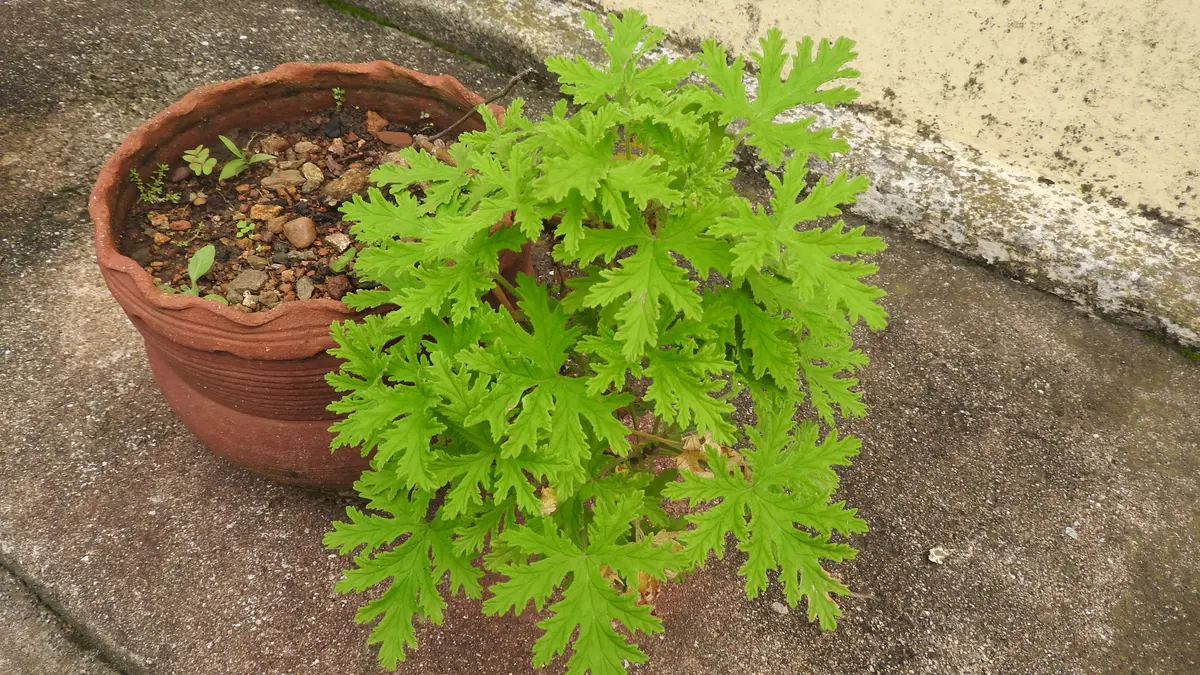

HealthWatchlist verdict: one clinical trial found that geranium aromatherapy massage improved PMS scores more than massage alone. It does not show that geranium oil by itself is an established PMS treatment.
What the main trial tested
A clinical trial enrolled 120 students with diagnosed premenstrual syndrome. Participants received geranium oil in almond oil with massage, almond oil massage alone, or no added treatment over eight weeks.
Both massage groups reported improvements in physical and mental symptoms. The aromatherapy-massage group improved more than massage alone, suggesting a possible contribution from the scented preparation.
The finding is relevant, but it tests a package of diluted oil, touch, time and attention. It does not establish the result for inhalation, self-application or geranium oil without massage.
Important limits
PMS symptoms fluctuate between cycles and rely heavily on self-report. A recognisable aroma makes participant blinding difficult, while a no-treatment group cannot control for attention and expectation.
One study in students cannot show whether the effect applies to older adults, severe symptoms or premenstrual dysphoric disorder. Independent replication would make the estimate more dependable.
Changes in a total symptom score also need interpretation. Readers need to know which symptoms improved, how large the change was and whether it made a noticeable difference to daily life.
A systematic review and meta-analysis pooled eight aromatherapy trials for PMS. It reported favourable results, but heterogeneity was high because oils, delivery methods and study designs differed.
The product must match the evidence
Geranium oil usually refers to oil distilled from cultivated Pelargonium species. Botanical naming and composition can vary, and a perfume labelled “geranium scent” is not necessarily essential oil.
Kew recognises Pelargonium graveolens. The trial’s 2% dilution also matters: it provides no justification for applying undiluted oil.
Where PMS care fits
NHS guidance recommends symptom tracking, regular exercise, sleep and medical advice when PMS affects daily life. Treatments can include hormonal medicine, cognitive behavioural therapy or antidepressants, depending on symptoms and preference.
A massage that feels soothing may be used as optional comfort care. It should not delay assessment of disabling mood symptoms, very heavy bleeding, severe pain or symptoms that occur throughout the cycle.
Prospective symptom records across at least two cycles can help distinguish a recurring premenstrual pattern from symptoms that need a different explanation.
Safety
Essential oils can cause irritant or allergic contact dermatitis. Patch testing by a qualified clinician is different from trying concentrated oil on the skin.
Do not swallow geranium oil or apply it neat. Stop use if redness, itching, headache, wheeze or nausea develops. Discuss complementary products with a clinician during pregnancy or when using regular medicines.
My assessment
The trial provides a useful preliminary signal, stronger than tradition alone. Massage, weak blinding, one population and subjective outcomes keep certainty low, so geranium oil should not be described as a proven PMS treatment.
References
- Clinical trial of geranium aromatherapy massage for PMS
- Full text of the geranium aromatherapy massage trial
- Systematic review and meta-analysis of aromatherapy for PMS
- Full text of the PMS aromatherapy review
- NHS: premenstrual syndrome
- Kew search: Pelargonium graveolens
- Clinical review of essential-oil contact dermatitis