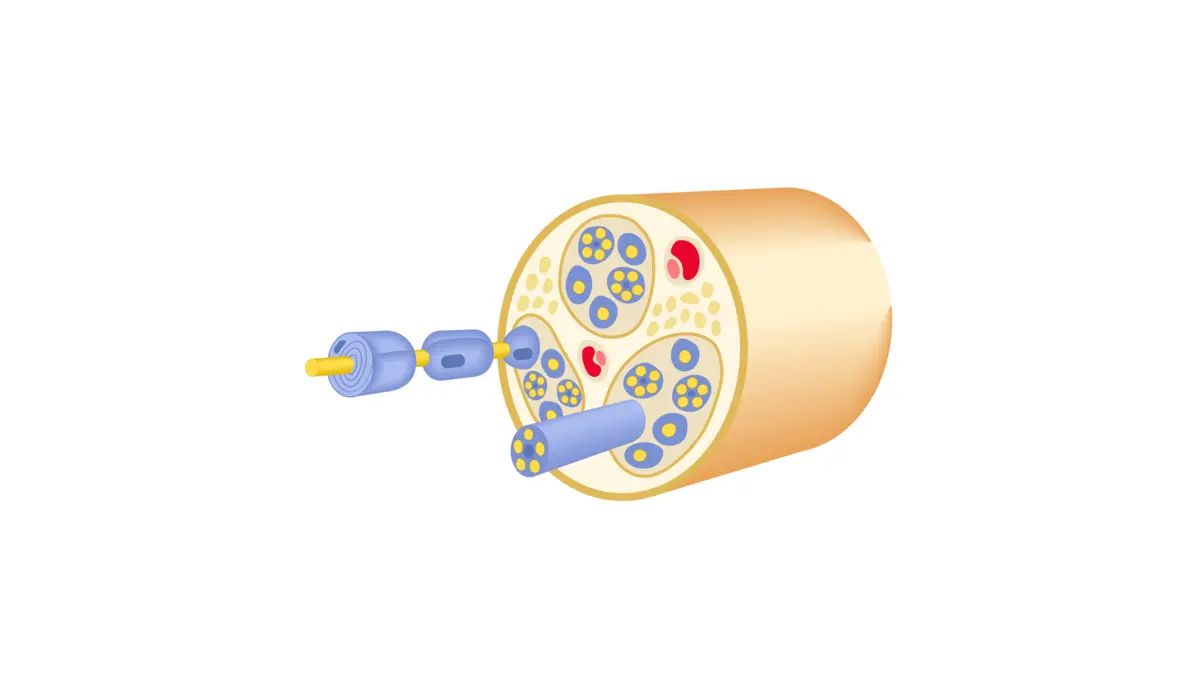

Bottom line: two small trials suggest aromatherapy massage may reduce painful diabetic-neuropathy symptoms for a few weeks. They do not show that an essential oil repairs nerves, works for every cause of neuropathy or should replace diagnosis and standard care.
This review separates pain relief from nerve recovery. A lower pain score is valuable, but it does not prove that nerve damage has reversed.
Neuropathy is not one condition
Peripheral neuropathy can cause burning, shooting pain, tingling, numbness, weakness or loss of balance. Diabetes is a common cause, but vitamin deficiency, alcohol, medicines, infection, autoimmune disease, nerve compression and inherited conditions can also be involved.
The NHS advises seeing a GP for early symptoms because identifying and treating the cause may limit further damage. An oil cannot diagnose why a foot is numb or why weakness is developing.
What do the human studies show?
A 2017 randomised study examined aromatherapy massage in people with painful diabetic neuropathy. The intervention used a blend of rosemary, geranium, lavender, eucalyptus and chamomile oils three times a week for four weeks. Pain scores improved more than with routine care.
This trial tested a five-oil blend plus massage, not one oil by itself. Participants could smell the intervention, so complete blinding was difficult, and the comparison did not isolate the effect of touch and attention.
A 2021 randomised trial tested foot massage with 3% lavender oil in people with diabetic neuropathy. Pain and quality-of-life scores improved at two and four weeks compared with usual care.
Again, the package included massage. The study was relatively small and short, and it did not show nerve regeneration, improved sensation or prevention of diabetic foot complications.
A 2024 systematic review combined seven aromatherapy studies of diabetes-related pain and reported a large pooled effect. The underlying studies differed in oils, massage, topical application, outcome measures and quality. A large pooled number cannot remove those design differences.
Why animal and laboratory findings are preliminary
A review of essential oils and neuropathic pain describes animal experiments involving lavender, bergamot and other oils. These studies can explore pain pathways, but doses and induced injuries in animals do not establish a treatment for human neuropathy.
Claims about anti-inflammatory or antioxidant compounds are therefore hypotheses, not evidence that an oil reaches an injured human nerve or changes the disease causing the damage.
What established care looks like
NICE guidance for neuropathic pain discusses medicines such as amitriptyline, duloxetine, gabapentin and pregabalin, chosen according to the person and reviewed for benefit and adverse effects. These medicines are not suitable for everyone and require professional advice.
Care also targets the cause: glucose management in diabetes, replacing a deficiency, changing a causative medicine when appropriate, or addressing compression. Foot care matters when sensation is reduced because cuts, heat and pressure injury may go unnoticed.
Safety of topical oils
Numb skin is a poor place for experiments with concentrated products because early burning or irritation may not be felt. Do not apply neat essential oil, use it on broken skin or combine it with heat.
A systematic review of aromatherapy adverse events identified dermatitis as the most commonly reported problem. If a clinician agrees that massage is suitable, a properly diluted product and a small-area test reduce risk but do not guarantee tolerance.
When to seek prompt help
Arrange assessment for new numbness, tingling, burning pain or weakness. Seek urgent help for sudden or rapidly worsening weakness, new bladder or bowel problems, numbness around the genitals or buttocks, or symptoms after a major injury.
People with diabetes should seek prompt advice for a foot wound, colour change, swelling or infection. Pain relief must not make an injury easier to overlook.
My verdict
Aromatherapy massage has an early positive signal for short-term pain in diabetic neuropathy, but the evidence base is small and does not separate oil from massage convincingly. It is not evidence of nerve repair and cannot be generalised to every neuropathy.
I would describe it, at most, as an optional adjunct discussed with a clinician—not a replacement for finding the cause, protecting numb feet or using treatments with a stronger evidence base.
References
- NHS: Peripheral neuropathy
- NICE CG173: Neuropathic pain in adults
- Gok Metin and colleagues: Aromatherapy massage for painful diabetic neuropathy
- Rivaz and colleagues: Lavender-oil massage trial
- Cho and Kim: Systematic review of aromatherapy for diabetes-related pain
- Ridouh and Hackshaw: Essential oils and neuropathic pain
- Posadzki and colleagues: Adverse effects of aromatherapy