.jpg)
Bottom line: Essential oils do not treat shingles or replace an antiviral prescription. Shingles is a reactivation of varicella-zoster virus, not the same infection as an ordinary cold sore. Evidence about oils against herpes simplex virus in a dish does not establish a shingles remedy.
If you think you have shingles, speak to a pharmacist or GP promptly, ideally within three days of the rash appearing. Seek urgent advice for a rash near the eye or nose, visual symptoms, pregnancy, a weakened immune system or severe illness. Do not delay care to try an oil.
Why early assessment matters
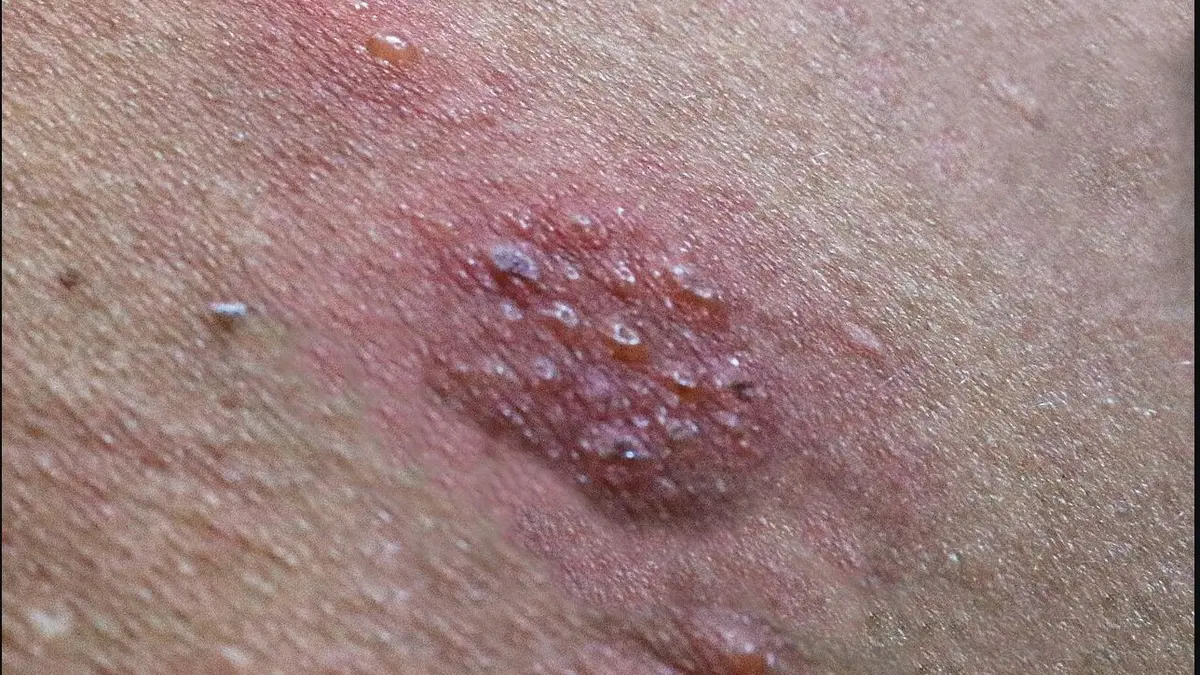
The NHS describes shingles as a painful rash, usually on one side, that may be preceded by tingling or pain. It can sometimes cause persistent nerve pain or eye problems. Antiviral medicines are most useful when started early; WHO guidance and the CDC clinical overview also describe the early-treatment window.
A red or blistering rash may have another cause. A clinician can establish whether it is shingles, whether antiviral treatment is indicated and whether an eye needs urgent examination. A randomised trial comparing oral antiviral medicines tested defined drugs in adults with shingles. It is not evidence for a home-made topical product.
How oil claims become misleading
A cell-culture study of tea tree and eucalyptus oils examined herpes simplex virus. Shingles involves varicella-zoster virus. Even if an oil affects a virus in cell culture, the result does not establish that a safe amount reaches an infected nerve in a person or improves recovery.
There is no credible human trial showing that applying lavender, tea tree, peppermint or another essential oil to shingles lesions shortens the infection, prevents post-herpetic neuralgia or protects eyesight. A pleasant aroma used away from the rash may be comforting, but comfort is not antiviral treatment.
What helps, and what can harm
Follow the NHS advice on keeping the rash clean and dry and using suitable loose clothing or a cool compress; ask a pharmacist about pain relief and dressings. Avoid scratching and do not put neat oil or fragrant home mixtures on open or blistered skin. Research on essential-oil contact allergy documents the risk of skin reactions that can confuse the picture and add pain.
Until the rash has crusted over, direct contact with blister fluid can spread the chickenpox virus to someone not immune. The NHS explains precautions around pregnant people, babies and those with a weakened immune system. Fragrance does not make a contagious rash safe.
The NHS shingles-vaccine page describes who can be offered preventive vaccination in the UK. A large randomised vaccine trial provides evidence for preventing shingles; an oil study on a different virus does not. See our tea tree profile and safety guide before reading antiviral advertising for oils.
My verdict
No essential oil is an evidence-based shingles treatment. Seek prompt diagnosis and advice about antiviral medication, especially for an eye-area rash or a high-risk person. Keep concentrated oils off lesions and never trade away the early-treatment window for a laboratory claim.
References
- NHS: Shingles, treatment and urgent signs
- WHO: Shingles (herpes zoster)
- CDC: Clinical overview of shingles
- NHS: Shingles vaccination
- Beutner and colleagues: valaciclovir versus aciclovir trial
- Cochrane: valaciclovir versus aciclovir for herpes zoster
- Lal and colleagues: recombinant zoster-vaccine trial
- Schnitzler and colleagues: tea tree/eucalyptus activity against herpes simplex in cell culture (not shingles)
- NCCIH: Aromatherapy and its limitations
- de Groot and Schmidt: Essential Oils, Part IV — Contact Allergy
- Posadzki and colleagues: adverse effects of aromatherapy