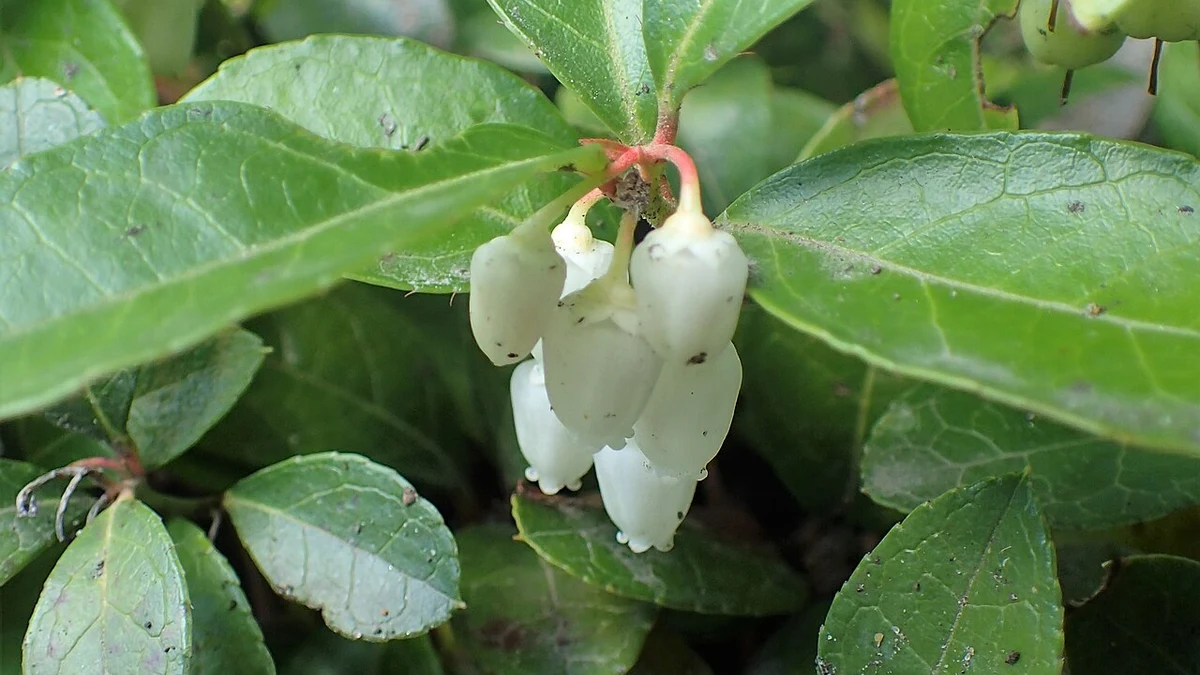

HealthWatchlist verdict: Wintergreen oil alone has not been shown to treat plantar fasciitis in the research identified here. Related pain-relief products and a small mixed-terpene trial offer indirect evidence, with important formulation and safety limits.
Why wintergreen appears in heel-pain advice
Wintergreen oil contains methyl salicylate, an ingredient used in some topical pain-relief products. A licensed or labelled product has a specified formulation. Its evidence cannot automatically be transferred to concentrated essential oil.
The methyl salicylate patch trial
Higashi and colleagues studied 208 people with mild to moderate muscle strain. Participants received a methyl salicylate and menthol patch or placebo for eight hours.
The active patch improved the accumulated pain-relief score more than placebo. No serious adverse events were reported during this short study. However, this was muscle strain, not plantar fasciitis, and the patch contained two active ingredients.
It therefore supports short-term pain relief from that product in the studied setting. It does not establish that wintergreen oil repairs the plantar fascia or improves walking over weeks.
A 2024 plantar fasciitis trial deserves attention
Burke and Baillie tested a mixture of phytoterpenes and essential oils in DMSO, a solvent affecting skin penetration. Among 62 participants, 25 of 32 receiving the active formulation reported at least an 85% reduction in total pain by day ten, compared with none of 30 receiving placebo.
This striking result is preliminary. The complex formulation cannot isolate a wintergreen effect. Follow-up was short, participants could notice different aromas, and the study did not measure structural healing of the fascia.
Two people in each group withdrew because they disliked the aroma; no adverse events were reported. A small, brief trial cannot exclude uncommon or delayed harms. Independent replication and longer follow-up are needed.
Do not recreate the DMSO mixture at home. Its findings are not a dosing guide for an essential-oil blend.
Concentrated oil has a different risk profile
MedlinePlus describes potentially serious methyl salicylate poisoning. Swallowing wintergreen oil can be dangerous. Keep it away from children and seek urgent poison or medical advice after suspected ingestion; do not induce vomiting.
Ask a pharmacist before using a salicylate-containing product if you take medicines, have an aspirin or salicylate allergy, or are pregnant. Follow the product label, including age restrictions. Do not assume that applying more will relieve more pain.
What helps guide day-to-day care?
NHS guidance recommends reducing aggravating activities, supportive footwear and suitable stretching. A pharmacist or physiotherapist can help you choose appropriate support and pain relief.
Arrange assessment if pain is severe, keeps returning or has not improved after two weeks of self-care. Tingling, loss of sensation or foot pain with diabetes also warrants medical advice.
Temporary comfort can be useful, but it should support a practical rehabilitation plan. Persistent heel pain needs a diagnosis rather than repeated use of stronger oils.
Evidence assessment
Not adequately tested; indirect evidence. The available trials concern a combination patch for another condition and a complex plantar-fasciitis formulation. Neither establishes wintergreen oil alone as an effective or suitably safe treatment.
How this review was researched
Research checked on 14 September 2026. Targeted web searches used the oil name, botanical or ingredient names, the condition and clinical-trial terms. We checked accessible primary reports, PubMed records and the guidance cited below. This is an editorial review, not a systematic review. Some full texts were inaccessible; absence from these searches does not prove that no study exists. Different preparations and laboratory results are identified explicitly.
Related reading
References
- Higashi Y et al. (2010). Efficacy and safety profile of a topical methyl salicylate and menthol patch in adult patients with mild to moderate muscle strain. Clinical Therapeutics.
- Burke BE, Baillie JE (2024). Randomized placebo controlled trial of phytoterpenes in DMSO for the treatment of plantar fasciitis. Scientific Reports 14:17621. doi:10.1038/s41598-024-65979-1.
- MedlinePlus. Methyl salicylate overdose.
- NHS. Plantar fasciitis.