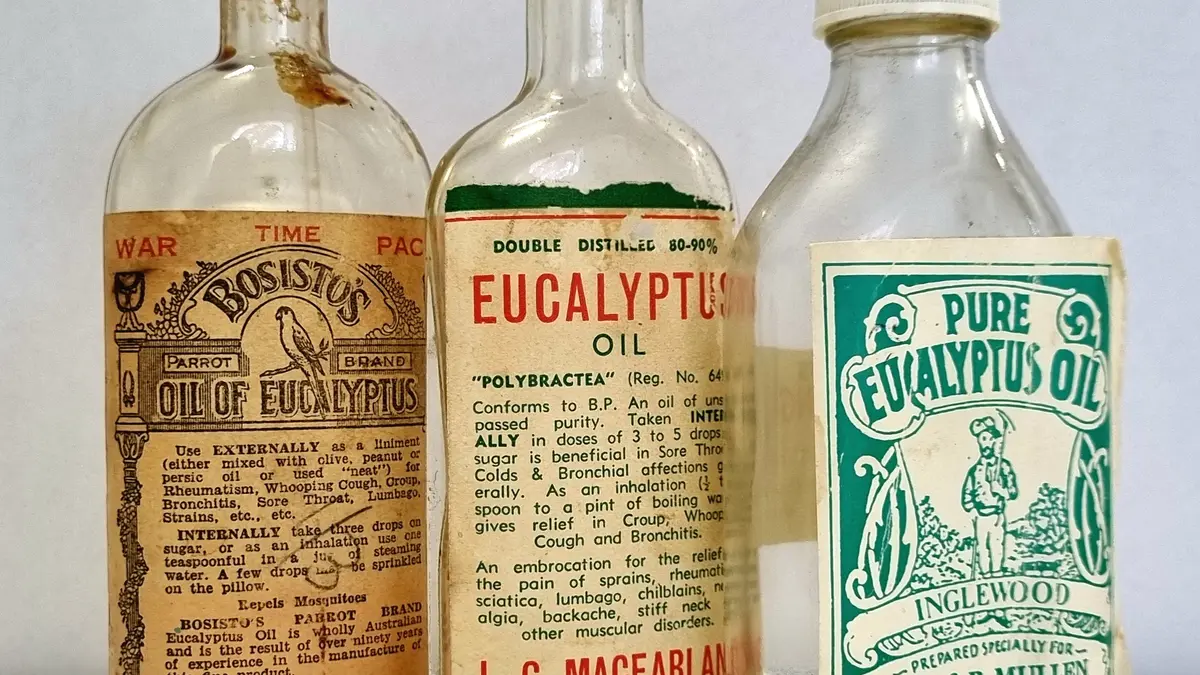

Bottom line: there is no single best essential-oil brand. The strongest supplier is the one that lets you verify the identity, batch, test evidence, label and intended use of the bottle you are buying.
This is a supplier-comparison framework, not a paid ranking. HealthWatchlist does not accept a purity slogan or one old test report as proof for an entire range.
Start with the exact identity
A useful listing names the botanical species, plant part and extraction method. “Lavender oil” is less precise than Lavandula angustifolia, flowering tops, steam distilled.
Common names can cover different plants. Cedarwood, chamomile and eucalyptus are familiar examples where species affects composition, scent and safety.
Kew’s Plants of the World Online is a useful independent check for accepted botanical names and synonyms. It does not verify the contents of a bottle.
Origin and harvest details add context. Natural composition can vary with geography, season, plant material and processing, so an old generic certificate cannot describe every later batch.
Batch traceability comes before a test badge
The bottle should carry a lot or batch code. A report is most useful when the oil name, batch, sampling date and laboratory can be matched to that code.
A supplier may publish a representative report rather than a current batch report. That can explain expected composition, but it cannot show what was measured in your bottle’s batch.
Great Britain’s cosmetic guidance requires batch identification and supply-chain records for cosmetic products. Legal obligations depend on how a product is supplied and intended to be used.
What GC/MS can and cannot tell you
Gas chromatography separates components and mass spectrometry helps identify them. Together, they can describe many volatile constituents in an essential oil.
A technical review explains the central role of gas chromatography in essential-oil analysis. Column choice, reference data, sample preparation and expert interpretation all affect the result.
GC/MS can reveal an unexpected chemical profile and some forms of adulteration. It is not a universal test for every pesticide, heavy metal, microbe or non-volatile carrier oil.
Ask which tests were used for which risks. A company should not imply that one chromatogram proves every aspect of purity, safety, freshness and ethical sourcing.
Laboratory competence matters
A named laboratory is more useful than “third-party tested”. The report should identify the method, sample and person or organisation responsible for the work.
UKAS explains that ISO/IEC 17025 accreditation assesses testing-laboratory competence and impartiality. Accreditation should cover the relevant test, not merely appear as a general logo.
An independent laboratory reduces some conflicts, but independence alone does not guarantee a suitable method. Accreditation and transparent scope provide stronger evidence.
Read the label, not only the marketing page
Check the bottle size, ingredients, warnings, intended route and responsible business details. Blends and roll-ons require a full ingredient list because their names do not reveal the formula.
GB cosmetic rules require readable labelling, precautions, ingredients and a Responsible Person for cosmetic products. A product sold for another purpose may fall under different rules.
The Health and Safety Executive warns against safety claims that contradict a hazardous classification. “Natural” does not cancel hazard information.
Health claims reveal a supplier’s judgement
The FDA explains that claims about treating anxiety, pain or disease can make an aromatherapy product a drug. Regulation follows intended use, not the product’s natural origin.
A responsible supplier distinguishes scent, cosmetic use, traditional use and clinical treatment. It should not turn a laboratory antimicrobial result into a promise that an oil treats infection.
Claims must also match the preparation and route. Evidence for a standardised oral product does not prove a diffuser claim, and massage research does not prove a neat oil works.
Safety information should be specific
Useful guidance names the intended route, dilution, age restrictions and important hazards. “Use with care” is not enough for a concentrated product.
A systematic review of reported aromatherapy adverse effects found dermatitis was the most common problem. Serious events were uncommon but documented.
Poison Control warns that swallowing some essential oils can cause serious poisoning. Child-resistant storage advice is therefore a meaningful supplier signal.
Sourcing and conservation claims need evidence
“Sustainable” can mean many things. Look for the species, country, supplier controls and any independent certification that supports the claim.
Scarce or conservation-sensitive botanicals need stronger traceability. A broad ethical statement cannot show where a particular batch originated.
Organic certification concerns production standards. It does not prove identity, purity, clinical effectiveness or freedom from every contaminant.
Price needs context
A very low price deserves scrutiny when a plant has low yield or a difficult supply chain. A high price does not prove authenticity.
Compare bottle size, species, plant part, origin, extraction and batch evidence. Packaging, subscriptions, commissions and advertising can change price without changing the oil.
A ten-point supplier check
- Botanical identity: Is the species stated clearly?
- Plant part: Does the listing say what was distilled or expressed?
- Extraction: Is the process named accurately?
- Batch code: Can the bottle be traced to a specific lot?
- Report match: Does the evidence correspond to that lot?
- Laboratory: Are the tester, method and accreditation scope identifiable?
- Test limits: Does the company avoid claiming that one test proves everything?
- Label: Are ingredients, route and warnings easy to find?
- Claims: Are health statements restrained and properly sourced?
- Accountability: Is there a real business, contact route and returns policy?
Current supplier reviews
HealthWatchlist reviews public evidence and does not laboratory-test the oils. Read the separate reviews of Plant Guru and Edens Garden.
For a shorter reusable checklist, see what to look for in a reputable essential-oil company.
My verdict
The best supplier is not the one with the loudest purity language. It is the one that lets you test its claims against a current bottle and current evidence.
Repeat the checks when buying a new batch. Suppliers, formulas, laboratories and documents can change.
References
- Royal Botanic Gardens, Kew: Plants of the World Online
- Agilent: GC/MS fundamentals
- Marriott and colleagues: Gas chromatography for essential-oil analysis
- UKAS: ISO/IEC 17025 laboratory accreditation
- GOV.UK: Making cosmetic products available in Great Britain
- Health and Safety Executive: Terms to avoid on hazard labels
- US Food and Drug Administration: Aromatherapy
- Posadzki and colleagues: Adverse effects of aromatherapy
- Poison Control: Essential-oil poisoning
- NCCIH: Aromatherapy