HealthWatchlist verdict: Concentrated essential oils can poison cats through swallowing, skin contact and inhalation. No single list of oils or diffuser settings can guarantee safety for every cat. Suspected poisoning needs prompt veterinary advice.
This guide is about preventing exposure and recognising a possible poisoning. It does not recommend using an essential oil to treat a cat.
Why cats need separate safety advice
Cats are not small humans. Their metabolism, grooming behaviour and close contact with floors and furnishings change the exposure question. The MSD Veterinary Manual explains that essential oils can be absorbed through the gut, skin, lungs and mucous membranes.
The same veterinary source says cats are particularly sensitive to some oil constituents because of limited glucuronidation, an important metabolic pathway. Grooming adds another route: droplets or residue on fur may be swallowed later.
Diffusers are not all equivalent
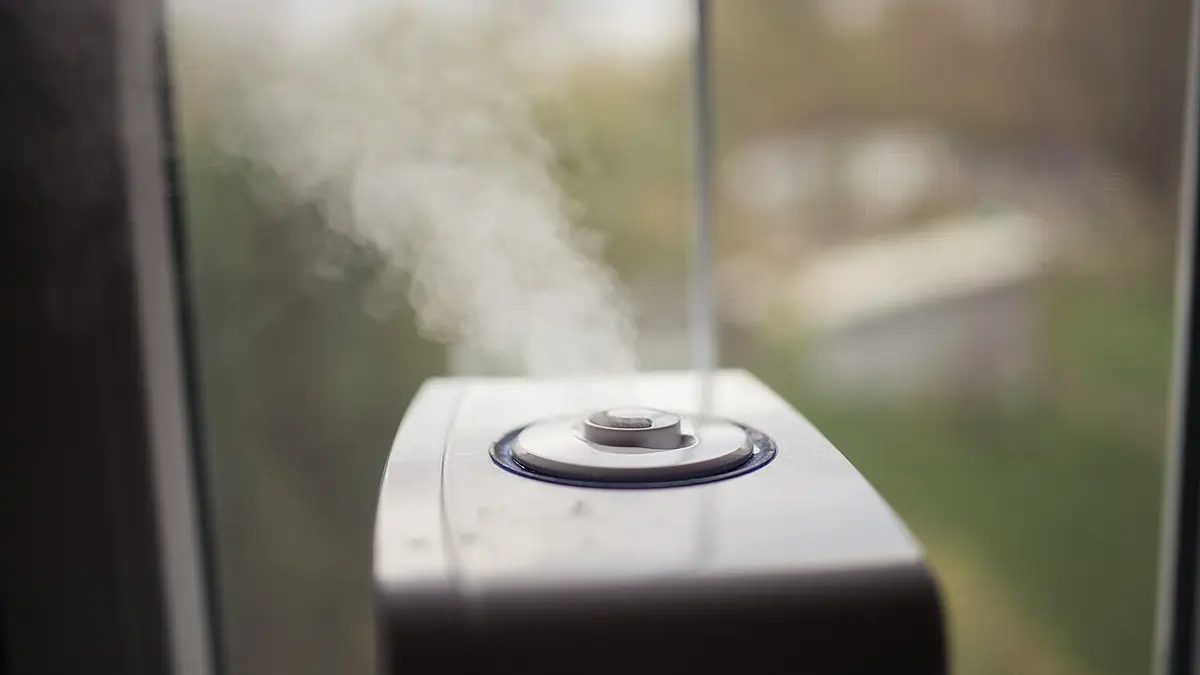
A passive reed diffuser mainly presents a spill and respiratory-irritation risk. Ultrasonic and nebulising devices can release microdroplets. MSD warns that these droplets may settle on fur and then be absorbed or ingested during grooming.
Risk depends on the oil, concentration, dose, room size, ventilation, duration, the cat’s health and whether the cat can leave. A brief uneventful exposure does not prove that repeated use is safe. Cats with asthma or other respiratory disease may be especially vulnerable to airborne irritants.
Which oils are dangerous?
Tea tree is especially well documented. A review of 443 canine and feline cases following concentrated tea tree oil exposure recorded weakness, depression, ataxia and tremors; younger and lighter animals were at greater risk of severe illness.
Other oils can cause different toxic effects. MSD identifies oils associated with liver injury or seizures, including cinnamon, pennyroyal, eucalyptus, sage, wintergreen and others. This is not a complete “bad list”, and absence from it is not proof of safety.
PDSA advises keeping essential oils away from cats and contacting a vet if exposure is suspected. Marketing language such as therapeutic grade does not replace toxicology data or a veterinary product licence.
Signs of possible exposure
Possible signs include drooling, vomiting, lethargy, wobbliness, tremors, reduced appetite, coughing, wheezing, rapid or difficult breathing and watery eyes or nose. Severe exposure may affect body temperature, blood pressure, the liver, kidneys or nervous system.
Symptoms can begin within minutes to hours. Do not wait for every sign on a list, and do not assume that a cat hiding simply dislikes the smell.
What to do after a spill or suspected poisoning
Move the cat away from airborne exposure into fresh air without putting yourself at risk. Prevent further licking and contact a vet promptly with the product bottle or a photograph of the label available.
Do not induce vomiting. Veterinary guidance specifically warns against this because of aspiration risk. Do not give milk, charcoal or another home remedy unless a veterinary professional directs you.
If oil is on the coat, ask the vet how to decontaminate safely. A distressed, tremoring or breathless cat needs urgent veterinary care rather than a prolonged home bath.
A cautious household rule
Never apply concentrated essential oil directly to a cat, add it to food or water, put it on bedding or use it as a flea treatment. Store bottles and reed diffusers where they cannot be knocked over.
If you still wish to scent a home shared with a healthy cat, discuss the exact product and animal with your vet. Keep the cat out of the room during use, ventilate it afterwards and make sure the cat always has access to an unscented area. This reduces exposure; it does not create a guarantee of safety.
My verdict
The evidence supports caution, not a confident list of “cat-safe” oils. Concentration and route matter, cats can ingest airborne residue while grooming, and clinically significant poisonings are documented.
Essential oils should not be used to treat a cat without veterinary direction. Suspected exposure is a veterinary question, especially when there is drooling, vomiting, weakness, tremor or breathing difficulty.