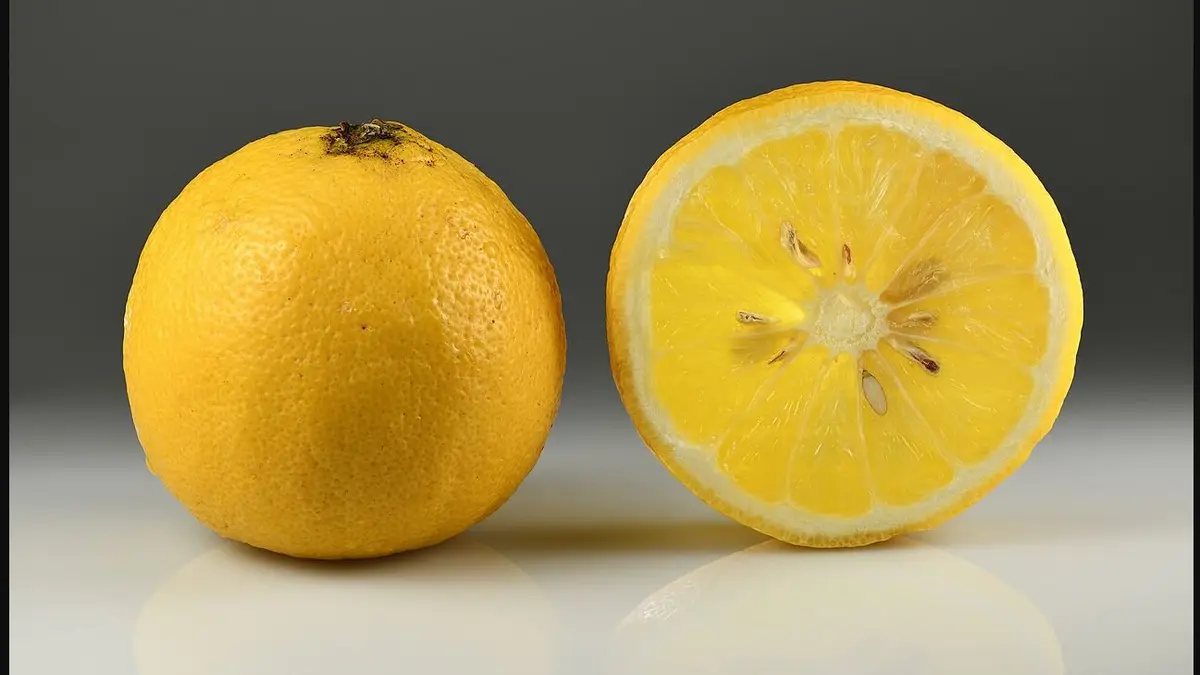

Short answer: bergamot essential oil is normally expressed from the peel of the bergamot orange, commonly labelled Citrus bergamia. Its clearest use is fragrance. Human mood research is limited and setting-specific, while phototoxicity from some peel oils is well documented.
Identity and extraction
Bergamot orange is a citrus fruit associated particularly with southern Italy. Taxonomic labels vary, so a bottle may use Citrus bergamia or a name placing bergamot within Citrus limon. The label should still identify the fruit peel and extraction method.
Most traditional bergamot oil is obtained by mechanically expressing the coloured outer peel. This carries volatile aroma compounds and can also carry heavier furocoumarins from the peel. Steam-distilled or specially treated “bergapten-free” products have a different safety profile and should not be assumed equivalent.
Aroma and chemistry
Bergamot has a fresh citrus aroma with floral and bitter notes. Limonene, linalyl acetate and linalool are commonly prominent, although the balance changes with origin, maturity, processing and storage. A review of bergamot oil research describes considerable chemical and experimental variation, one reason not to transfer a result from an analysed batch to every retail bottle.
Bergamot flavouring in Earl Grey tea does not make a concentrated peel oil a food. A fragrance product, food flavouring and topical cosmetic can have different specifications and directions.
Anxiety and mood
Animal experiments and small human studies have encouraged claims about anxiety, stress and mood. The human evidence does not support treating a diagnosed anxiety disorder with a bottle of bergamot oil.
A systematic review of aromatherapy before surgery found lower preoperative anxiety across 20 randomised trials, with citrus preparations among the oils studied. The trials combined different aromas, routes and clinical settings, so the pooled result cannot establish a bergamot-specific treatment effect.
Negative evidence matters too. The US National Cancer Institute’s aromatherapy evidence summary describes a small placebo-controlled study in children and adolescents receiving stem-cell transplants. Bergamot inhalation did not reduce nausea, anxiety or pain in that setting.
A person may enjoy the smell and find it calming. That experience is compatible with the research uncertainty. It is not evidence that bergamot changes the cause or course of an anxiety disorder.
Phototoxicity
Phototoxicity is the best-established bergamot-specific safety issue. Furocoumarins, particularly bergapten, can react with ultraviolet light after skin exposure. Human skin research identified strong phototoxic activity in bergamot oil, and later testing found that phototoxicity differed between supplier samples according to photoactive compounds.
Published case reports describe blistering reactions after bergamot aromatherapy oil was followed by ultraviolet exposure. Case reports do not give an incidence rate, but they show that the hazard is not merely theoretical.
A product described as bergapten-free, furocoumarin-free or rectified may reduce this particular risk, but the claim should be supported by the supplier’s specification. “Therapeutic grade” does not answer the question. Follow the finished product’s sun-exposure warning and do not apply an uncertain expressed oil before sunlight or a tanning device.
Other safety points
Bergamot oil can irritate skin and oxidised citrus oil may become more sensitising. Keep the bottle tightly closed, cool and away from light. Avoid neat application, damaged skin, eyes and swallowing. Diffuse briefly with ventilation and stop if the vapour causes coughing, wheeze, headache or nausea.
Evidence about eating grapefruit or drinking citrus juice cannot be transferred automatically to bergamot inhalation. Equally, that distinction is not a reason to swallow bergamot oil around medicines. Ask a pharmacist about the specific product and route when a medicine interaction is a concern.
Buying checks
- A botanical name and bergamot peel are stated.
- The label says expressed, distilled or otherwise processed.
- Topical directions address ultraviolet exposure.
- A bergapten-free claim is supported by a specification, not only marketing.
- The supplier provides a batch number and sensible storage advice.
- The product does not promise to treat anxiety, depression or another disease.
My assessment
Bergamot is a distinctive fragrance material with plausible and limited evidence for short-term effects on anxiety in some settings. The research is not strong enough to support broad mental-health claims. By contrast, the phototoxic potential of untreated expressed oil deserves clear, practical attention.
What would stronger evidence look like?
A useful trial would analyse the bergamot batch, specify extraction and furocoumarin content, use a credible scent control and measure a defined outcome over an appropriate period. It would report adverse effects and distinguish immediate preference for the smell from a clinically meaningful change.