.jpg)
HealthWatchlist verdict: a tiny split-face trial found improvements with a cream containing boswellic acids from frankincense resin. The tested cream was not frankincense essential oil, so it does not prove that the oil reduces wrinkles.
Frankincense resin and oil are different
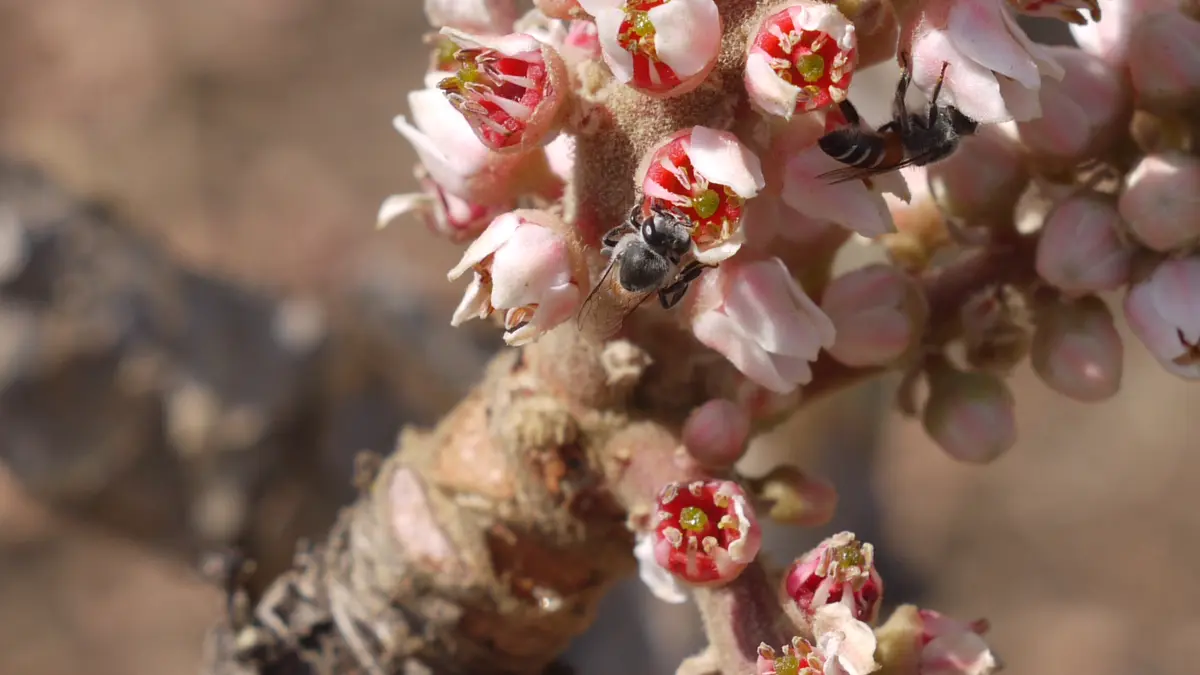
Frankincense is aromatic gum resin from Boswellia trees. Distillation produces a volatile oil, while extraction can produce preparations enriched in heavier resin constituents such as boswellic acids.
This preparation difference is central to the claim. Evidence for a specified boswellic-acid cream cannot be transferred to an ordinary bottle of frankincense essential oil.
What the small trial tested
A randomised, double-blind split-face study enrolled 15 women with photoaged skin. Participants applied base cream with 0.5% boswellic acids to one side and base cream alone to the other for 30 days.
The treated side showed improvements in fine lines, tactile roughness and some instrument readings. No adverse effects were reported during this short study.
A closely matching report describes the same 15-person split-face design and two-month follow-up. It should not be counted automatically as independent replication.
Why this is preliminary
Fifteen participants provide a fragile estimate, and 30 days is short for assessing photoageing. Split-face designs control personal differences but can be affected by application and side-to-side exposure.
The active material was a measured concentration of boswellic acids in cream. A consumer essential oil has different constituents, concentration and delivery, and may add irritation without supplying the tested compounds.
The two PubMed records describe the same distinctive sample size, concentration and split-face method. Treating them as two independent successful trials would exaggerate the amount of evidence.
What direct evidence is missing?
No suitable human trial here tests distilled frankincense essential oil alone against its vehicle for wrinkles. Laboratory antioxidant or fibroblast findings cannot answer that clinical question.
A stronger trial would identify the Boswellia species, chemically analyse the preparation, enrol enough participants and measure wrinkle depth with validated methods over several months.
Protecting skin from photoageing
The American Academy of Dermatology recommends broad-spectrum, water-resistant sunscreen with SPF 30 or higher. Shade and protective clothing also reduce ultraviolet exposure.
Sun protection has a clearer relationship to preventing further photoageing than applying an untested essential oil. A dermatologist can discuss retinoids, procedures and suitable moisturisers where appropriate.
Wrinkle appearance also varies with hydration, lighting and measurement method. A credible trial needs blinded assessment and objective measures, not only participant impressions or short-term skin softness.
Safety
Essential oils can cause irritant and allergic contact dermatitis. Do not apply frankincense oil neat or near the eyes, and stop using any product that causes burning, itching or swelling.
Do not swallow the oil. Check the botanical name and product type, since “frankincense” may describe oil, resin, extract or fragrance.
My assessment
The boswellic-acid cream study is interesting evidence about a resin-derived ingredient, not frankincense essential oil. Marketing that cites it for distilled oil overlooks the preparation mismatch and the trial’s very small size.