
HealthWatchlist verdict: two small experiments found short-term physiological or self-reported changes after ylang-ylang exposure. The results are mixed and do not prove a dependable treatment for stress, anxiety or low mood.
What was actually tested?
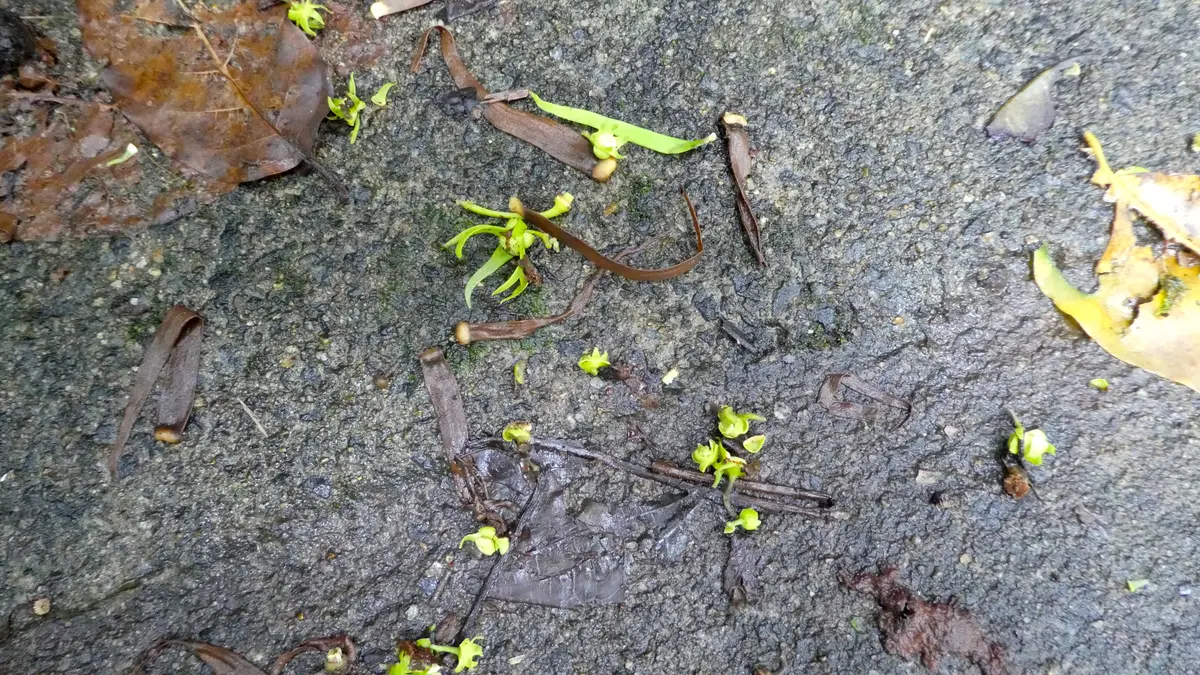
Ylang-ylang essential oil is distilled from flowers of Cananga odorata. This review asks whether exposure produces measurable relaxation in people, not simply whether its scent is enjoyable.
Claims about depression, anxiety disorders or blood pressure require clinical trials designed for those conditions. Brief experiments in healthy volunteers can only provide preliminary evidence.
The skin-exposure experiment
One experiment involved 40 healthy volunteers after ylang-ylang oil was applied to the skin. The researchers reported lower blood pressure, higher skin temperature and greater self-rated calmness and relaxation than control exposure.
The study is relevant because it used the whole oil and measured both physiology and participant ratings. Its small sample and brief observation period make the result exploratory rather than definitive.
The abstract describes “transdermal absorption”, but scent could still influence responses unless inhalation was rigorously prevented. A physiological change also does not establish a clinically useful improvement.
The inhalation experiment
A second experiment exposed 24 healthy volunteers to inhaled ylang-ylang oil or an odourless placebo. Blood pressure and pulse fell, but participants rated themselves more attentive and alert.
The authors described the pattern as “harmonisation” rather than simple sedation. Their analyses also suggested that subjective experience of the odour accounted for much of the observed response.
That matters because scent preference is part of real-world experience. It does not, however, show that the oil has a consistent drug-like effect independent of expectation or liking.
What is still missing?
No large replicated trial here demonstrates improvement in a validated stress measure, daily functioning or diagnosed anxiety. There is also little useful evidence about dose, exposure frequency or durability.
A stronger trial would use a chemically described oil and an active comparison fragrance. It would record scent preference, guessed allocation, adverse effects and outcomes registered before recruitment.
Safety and product checks
Kew recognises Cananga odorata. The botanical name helps distinguish essential oil from a perfume sold only under the ylang-ylang scent name.
Essential oils can irritate skin or cause allergic contact dermatitis. Do not swallow ylang-ylang oil or apply it neat. Diffuse sparingly in a ventilated room and stop if symptoms occur.
Someone with persistent anxiety, depression, faintness or blood-pressure symptoms needs appropriate healthcare. Ylang-ylang should not replace assessment or prescribed treatment.
My assessment
The two human experiments justify further study and a cautious statement about possible immediate effects. They are too small and too short to support claims that ylang-ylang treats stress or anxiety.
References
- Ylang-ylang skin-exposure experiment in healthy volunteers
- Ylang-ylang inhalation experiment in healthy volunteers
- Systematic review and network meta-analysis of essential oils for anxiety
- Systematic review discussing bias and heterogeneity in lavender anxiety research
- Kew search: Cananga odorata
- Clinical review of essential-oil contact dermatitis