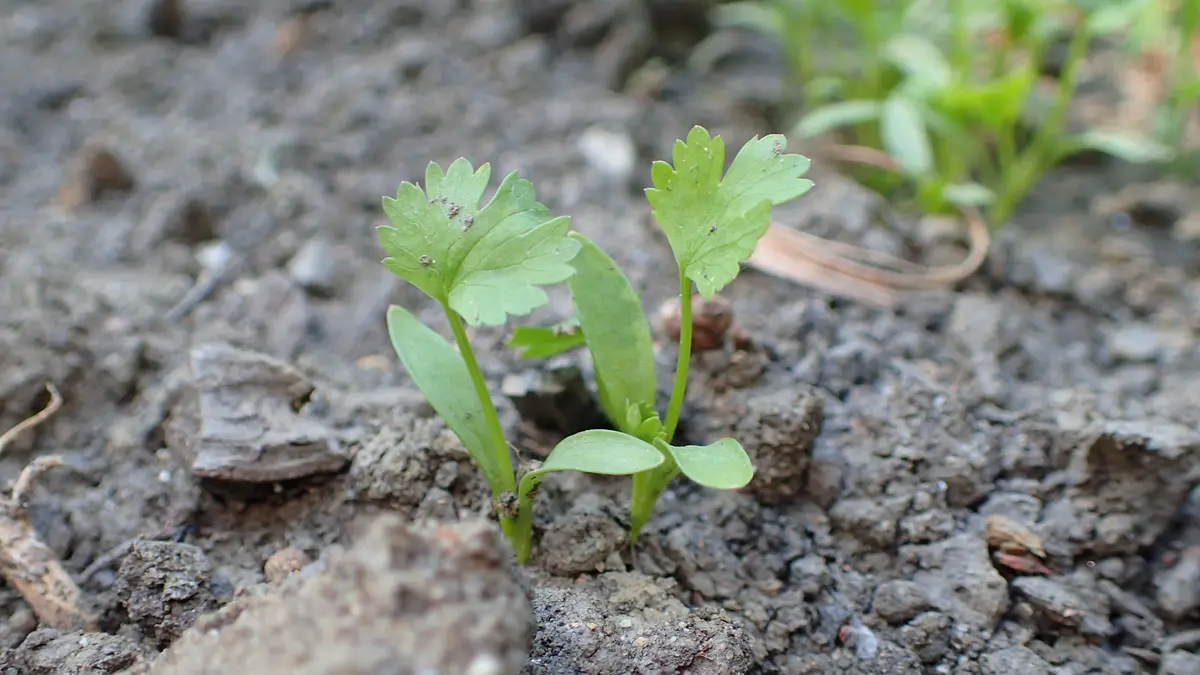

Coriander essential oil comes from Coriandrum sativum, the culinary plant also known as cilantro. The seed-like fruits and green leaves produce chemically different oils, making the plant part used an essential piece of identification.
Botanical identity
Coriandrum sativum is an annual member of the carrot family. In some countries “coriander” names the whole plant; in North American usage, cilantro commonly means the fresh leaves while coriander means the dried fruits sold as a spice.
Origins and cultivation
Kew records the native range from the eastern Mediterranean to western Pakistan. Coriander has travelled widely as a culinary herb and spice and is now cultivated in many regions.
How coriander essential oil is extracted
Steam distillation can be applied to the dried fruits or to the green aerial parts. These should not be treated as interchangeable products: fruit oil is commonly rich in linalool, while leaf oil has a different composition and odour.
Aroma and composition
Oil from the mature fruits is typically sweet, spicy and woody. Leaf oil is greener and more pungent. Precise labelling should identify the botanical name and plant part because “coriander oil” alone can hide an important difference.
Traditional uses
Coriander has a very long history as food, flavouring and a traditional herbal ingredient. This profile records that cultural context without using it as evidence that the concentrated oil treats a modern medical condition.
Coriander claims we have investigated
Claim reviews for this oil are being prepared.
Leave a Reply