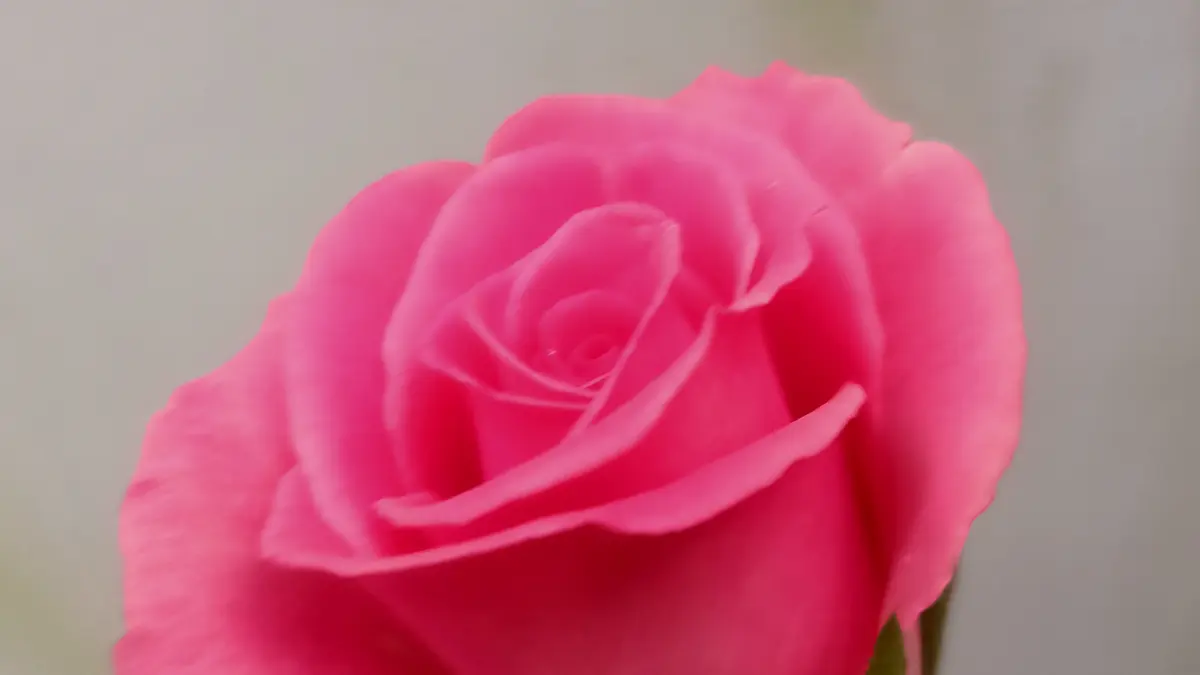
,_more_commonly_known_as_the_Damask_rose,_or_sometimes_as_the_Iranian_Rose,_Bulgarian_rose,_Taif_rose,.jpg)
HealthWatchlist verdict: small human studies suggest rose aroma may improve immediate feelings of comfort or reduce anxiety in stressful settings. They do not establish a reliable general treatment for stress or anxiety.
The claim needs a defined outcome
“Relaxation” may describe liking a fragrance, a short-lived change on a rating scale or relief from clinical anxiety. Those are not interchangeable outcomes.
This review focuses on inhaled Damask rose, usually identified as Rosa damascena. Rose water, absolute, fragrance oil, massage blends and oral rose extract are different preparations.
A very small laboratory experiment
Twenty female students inhaled rose oil, orange oil and unscented air for 90 seconds in random order. Both aromas increased ratings of comfort, relaxation and naturalness and changed a measure of prefrontal oxygenated haemoglobin.
The crossover design let each participant act as her own control. However, 20 young volunteers and a 90-second exposure cannot establish a lasting benefit or show how people with anxiety would respond.
The study also compared recognisable scents with unscented air. Participants could know when they received an aroma, making expectation and personal preference difficult to separate from a pharmacological effect.
Evidence in a painful clinical setting
A randomised trial assigned 132 hospitalised burn patients to rose aroma, Benson relaxation, both interventions or usual care. Pain-related anxiety around dressing changes improved in the active groups.
This was a meaningful clinical situation, but it was not a test of everyday relaxation. Usual care did not provide an equivalent aromatic placebo, and participants knew whether they performed the relaxation technique.
A network meta-analysis found a favourable average result for rose aromatherapy in anxiety trials. The authors pooled varied procedures and settings, so the estimate remains less certain than its precise number may suggest.
Why product identity matters
True rose essential oil is steam-distilled and often called rose otto. Rose absolute is solvent-extracted. A product labelled “rose fragrance” may contain no rose material at all.
Kew records Rosa damascena as a recognised hybrid name. A study cannot validate products whose species or preparation is not disclosed.
Safety and practical meaning
A cautious trial of fragrance for personal comfort is different from treating an anxiety disorder. Keep exposure modest, ventilate the room and stop if the scent causes headache, nausea, wheeze or irritation.
Essential oils can cause irritant or allergic contact dermatitis. Do not apply rose oil neat or swallow it. Keep bottles away from children and pets.
Seek professional help when anxiety persists, causes avoidance or disrupts sleep, work or relationships. A pleasant aroma should not replace treatment with established benefit.
My assessment
Rose aroma has a plausible short-term comfort signal, supported by small experiments and stressful-procedure studies. Weak blinding, subjective outcomes and limited replication mean the evidence remains low certainty.
References
- Rose and orange aroma laboratory experiment
- Rose aroma and Benson relaxation trial in burn patients
- Network meta-analysis of essential oils for anxiety
- Systematic review of lavender illustrates common aromatherapy trial limitations
- Kew search: Rosa damascena
- Clinical review of essential-oil contact dermatitis