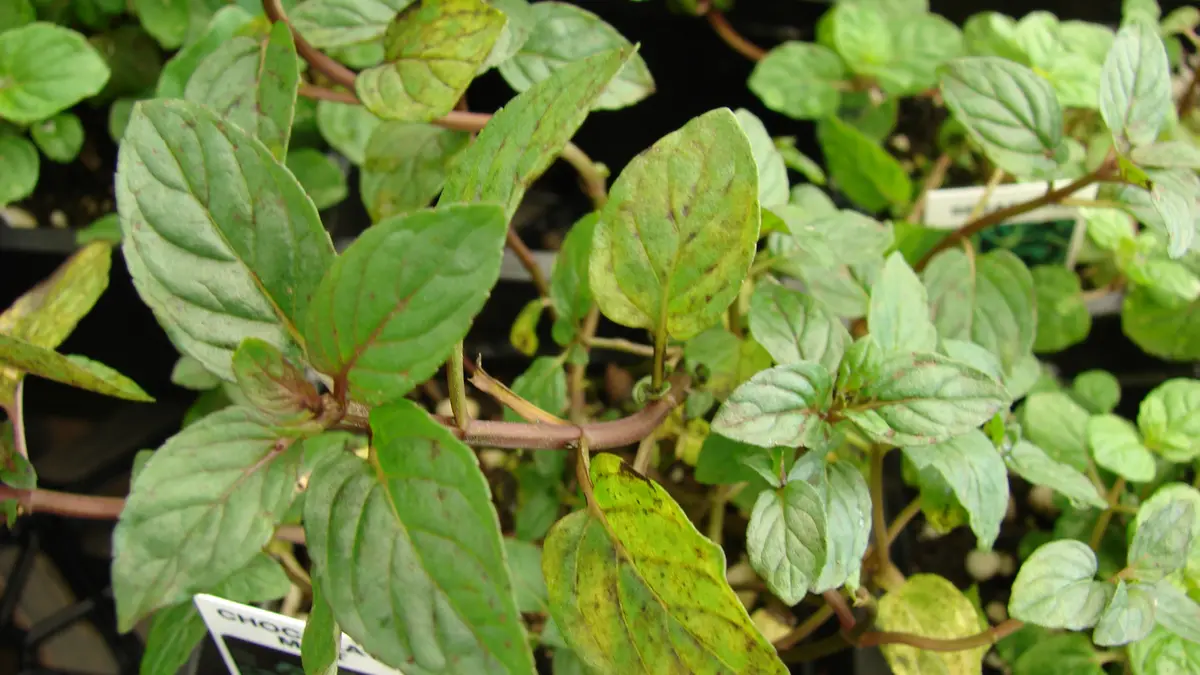

HealthWatchlist verdict: Some controlled trials report short-term anxiety relief with peppermint aroma during medical care. Results from mixed-oil studies are less specific, and a placebo-controlled patch trial found no recovery benefit. This is preliminary comfort evidence, not established treatment for an anxiety disorder.
Relaxation and anxiety treatment are different outcomes
A pleasant smell may help someone feel more comfortable during a difficult experience. That is a worthwhile outcome to investigate. It does not establish sustained improvement in persistent anxiety, sleep or daily functioning.
For peppermint oil for relaxation, the clearest human evidence comes from narrow clinical settings. Whether those findings transfer to ordinary home use remains uncertain.
Trials testing peppermint itself
A randomised study followed 68 patients after lumbar discectomy. The peppermint group reported lower anxiety and pain at later postoperative measurements than a group receiving no aromatherapy intervention.
This is a positive signal, but the comparator did not receive a matching aroma procedure. Attention, expectations and awareness of allocation can influence self-reported symptoms. The trial concerned a few postoperative hours.
A newer acute coronary syndrome trial also reported reduced anxiety and stress. It compared peppermint exposure with saline in a hospital setting. The abstract describes favourable changes, but does not establish improved long-term cardiac outcomes.
Its numerical before-and-after changes are not a personal prediction or a reason to use oil for chest pain. A distinctive smell also makes effective blinding difficult, even when a study is described as double-blind.
A four-group trial enrolled 100 children receiving dental pulp treatment. Peppermint produced a smaller anxiety-score reduction than lavender or chamomile. The control group received no essential oil.
The study used supervised nebuliser delivery. It does not justify putting essential oils in a home nebuliser, particularly for a child. A clinical research protocol and a household diffuser are different exposures.
Mixtures cannot tell us what peppermint contributes
A breast-biopsy trial randomised 135 women to lavender, lavender plus peppermint, or control. Both aroma groups reported benefit, but there was no significant difference between the two active groups.
That result does not demonstrate an added benefit from peppermint. It also does not prove that peppermint is inactive: the study was not a comparison of peppermint alone against a matched placebo.
A placebo-controlled study tested a lavender and peppermint patch during port placement. Among 70 randomised patients, it found no significant reduction in time to discharge readiness or the reported medication and recovery outcomes.
This negative result deserves a place alongside the positive studies. However, discharge readiness is not the same outcome as an anxiety questionnaire, so it should not be described as disproving every relaxation effect.
| Finding | What it supports |
|---|---|
| Lower short-term anxiety in some peppermint trials | A preliminary, setting-specific comfort signal. |
| Lavender and peppermint blend performs like lavender | No demonstrated extra contribution from peppermint. |
| No faster discharge with an aroma patch | No established recovery advantage in that trial. |
Use the right evidence for the right preparation
NCCIH summarises peppermint research and safety. Evidence for enteric-coated peppermint medicines in digestive conditions does not prove an inhaled relaxation effect. Route, formulation and outcome all need to match the claim.
Do not swallow aromatherapy oil or place it close to an infant’s face. Stop exposure if it causes coughing, wheezing, headache or discomfort. Ask the treating team before using scents in shared clinical spaces.
Support that does not depend on a scent
NHS breathing exercises offer a practical way to manage stress. A calm environment and communication with a clinical team can also help someone prepare for a procedure. Aroma should remain optional.
Persistent anxiety affecting daily life deserves assessment and established support. Psychological therapies and, where appropriate, medicines have a different evidence base from brief aromatherapy experiments.
Evidence score
John’s Evidence Score: 3/10 for short-term relaxation or procedural anxiety relief with peppermint inhalation. This editorial judgement reflects encouraging findings with substantial design and applicability limits.
It is not a score for treating generalised anxiety disorder or improving heart disease. Better trials need credible comparators, clearer reporting and outcomes that matter beyond the immediate session.
How this review was researched
Research checked on 14 September 2026. We searched PubMed for the named oils or preparations and the condition, reviewed the retrieved study abstracts and relevant reviews, and checked the official guidance linked below. This is an editorial review, not an exhaustive systematic review. We distinguish human treatment outcomes from laboratory findings, and identify where a study tested a mixture or a different preparation.
Related reading
- Peppermint oil profile
- Relaxation evidence overview
- Anxiety evidence overview
- Frankincense relaxation research
References
- Effects of inhalation of peppermint oil after lumbar discectomy surgery on pain and anxiety levels of patients: A randomized controlled study.
- The Impact of Peppermint Oil Aromatherapy on Hemodynamic Parameters, Anxiety, and Stress in Patients With Acute Coronary Syndrome: A Randomized Clinical Trial.
- The effects of lavender, chamomile and peppermint inhalation aromatherapy on dental anxiety in children: A randomized controlled trial.
- The Effect of Aromatherapy on Pain and Anxiety Levels Before Breast Biopsy: A Randomized Controlled Trial.
- Use of a Combination Lavender/Peppermint Aromatherapy Patch During Port Catheter Placement Under Monitored Anesthesia Care Does Not Reduce Time to Discharge Readiness: A Randomized Controlled Trial.
- NCCIH: Peppermint oil
- NHS: Breathing exercises for stress
- NHS: Generalised anxiety disorder