
Bottom line: Essential oils have not been shown to heal plantar fasciitis. A cooling or fragranced massage product may briefly change discomfort, but stretching, load management and footwear address the problem more directly.
Seek prompt assessment for severe pain after injury, inability to bear weight, marked swelling, a hot red foot, fever, numbness, weakness or a wound, especially if you have diabetes.
What plantar fasciitis feels like
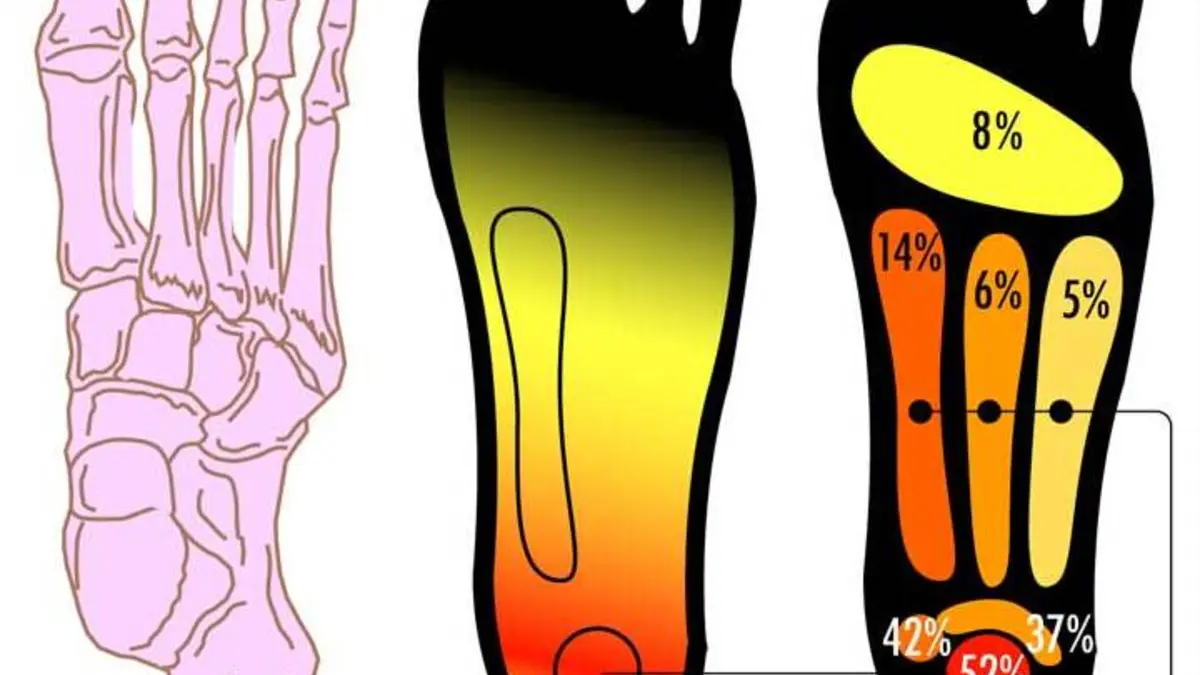
The plantar fascia is a strong band of tissue running from the heel towards the toes. Plantar fasciitis commonly causes pain under the heel or along the arch.
Pain is often worst during the first steps after sleep or rest, then eases as the foot warms up. It may return after long periods of standing, walking or running.
The NHS describes rest from aggravating activity, supportive shoes, insoles and gentle stretching as common self-care measures. Symptoms can take months to settle.
What the oil evidence can tell us
Peppermint, lavender, eucalyptus and frankincense oils are frequently suggested online. The available musculoskeletal review does not identify a good controlled trial showing that any of them heals plantar fascia or improves long-term function.
Menthol can activate cold-sensitive receptors and create a cooling sensation. That may temporarily alter pain perception, but it does not show that peppermint oil repairs the fascia.
A review of topical essential oils for musculoskeletal problems found limited and varied evidence. Different oils, mixed products and conditions make the findings difficult to apply to plantar fasciitis.
A broader aromatherapy pain review also reported possible benefits across heterogeneous trials. It did not establish a plantar-fasciitis treatment or demonstrate tissue healing.
Foot massage may feel pleasant and can briefly reduce tension. If massage and oil are used together, any change cannot automatically be credited to the oil.
What better evidence supports
A best-practice guide for plantar heel pain supported education, plantar-fascia stretching and taping as core care. Shockwave therapy and orthoses were considered for selected people who did not improve.
The 2023 clinical practice guideline recommends plantar-fascia and calf stretching for short-term and long-term pain reduction. It also supports resistance exercise for foot and ankle muscles.
These approaches require sensible progression. Completely avoiding movement can reduce capacity, while repeatedly pushing through sharp pain can keep aggravating the area.
A simple plan may start with shorter periods of the aggravating activity, then build gradually as pain and next-day response allow.
Footwear should be comfortable, supportive and appropriate for the activity. Very worn shoes, a sudden change to unsupportive footwear or a rapid increase in running or standing can contribute.
Taping or an insole may reduce symptoms for some people. They are usually additions to education and exercise, not proof that one foot shape or shoe caused the problem.
Heel spurs and plantar pain
A heel spur may appear on an X-ray, but many people have spurs without pain. The spur does not necessarily need removal, and an essential oil cannot dissolve it.
Typical plantar fasciitis is often diagnosed from the history and examination. Imaging may be considered when symptoms are unusual, follow significant trauma or fail to improve as expected.
Using a topical product cautiously
If you want fragrance during a gentle foot massage, use a correctly diluted cosmetic product on intact skin. Stop if it stings, burns, itches or causes redness.
Do not massage an acutely injured, very swollen or hot foot. Do not apply essential oils over cracks, blisters, ulcers or infected skin.
People with diabetes or reduced foot sensation should be especially cautious. Diabetes UK advises daily foot checks and prompt help for skin breaks, colour changes, swelling or discharge.
Reduced sensation can hide irritation or excess pressure. A new foot problem in diabetes should not be covered with oil while waiting to see what happens.
Dermatitis is the most frequently reported aromatherapy adverse effect in one systematic review. Avoid neat oils and heat pads over a fragranced product.
When to see a professional
See a GP, physiotherapist or podiatry professional if pain is severe, keeps returning, limits normal walking or has not improved after a few weeks of sensible self-care.
Assessment can distinguish plantar fasciitis from stress fracture, nerve irritation, inflammatory arthritis, tendon problems and other causes of heel pain.
Tell the assessor where pain begins, what the first steps feel like, how activity changes it and whether there is tingling or numbness.
My verdict
Essential oils are not established treatments for plantar fasciitis. Any short-lived comfort from scent, cooling or gentle massage should not be confused with healing the fascia.
Use gradual load management, stretching, strengthening and suitable footwear. Seek assessment when symptoms are severe, atypical or persistent, and act promptly on wounds or inflammation in a diabetic foot.
References
- NHS: Plantar fasciitis
- Morrissey and colleagues: Best practice guide for plantar heel pain
- JOSPT: Heel Pain, Plantar Fasciitis 2023 clinical practice guideline
- Topical essential oils for musculoskeletal disorders review
- Lakhan and colleagues: Aromatherapy for pain systematic review
- Posadzki and colleagues: Adverse effects of aromatherapy
- Diabetes UK: Taking care of your feet
- NHS: Foot pain
- NCCIH: Aromatherapy