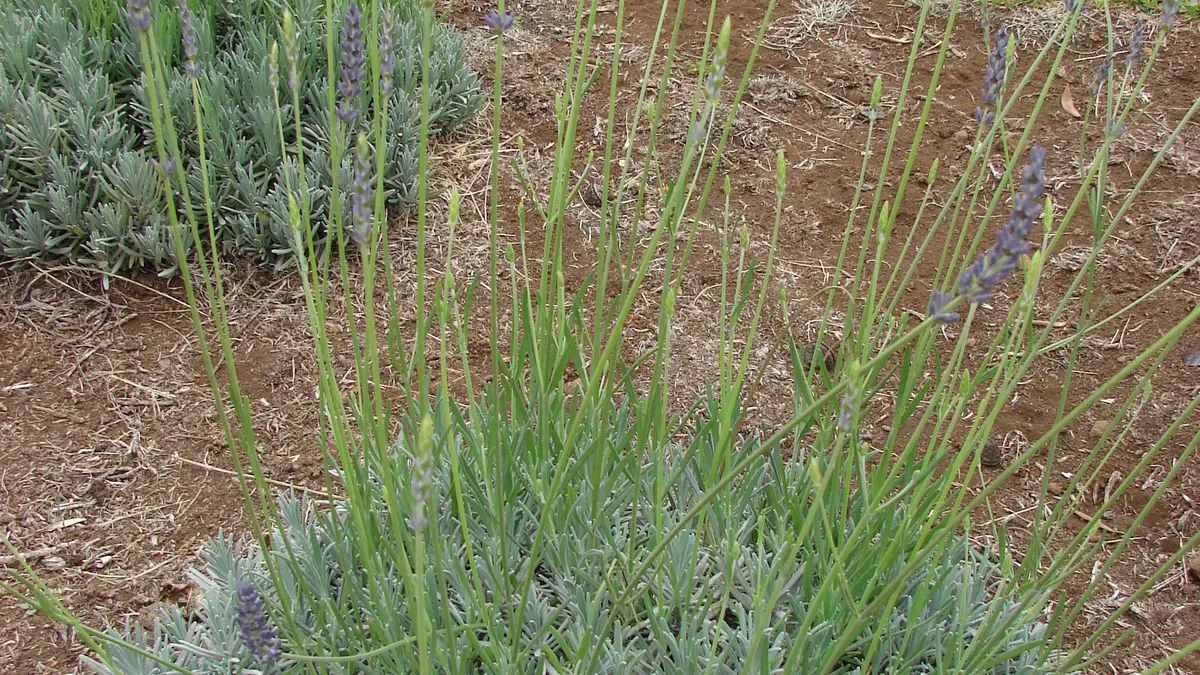

Lavender essential oil is the volatile oil distilled from aromatic lavender flowers. This profile covers the plant, how the oil is made and the history of its use; HealthWatchlist assesses health claims separately.
Botanical identity
The name “lavender oil” can describe oils from several plants in the Lavandula genus. English or true lavender is Lavandula angustifolia; lavandin is commonly produced from the hybrid Lavandula × intermedia. Species, growing conditions and processing can change an oil’s composition and aroma, so the label matters.
Where lavender comes from
Lavender is associated with the Mediterranean region and has become a familiar cultivated plant far beyond its native range. It is valued both as an ornamental shrub and as a source of fragrance.
How lavender essential oil is extracted
Commercial lavender oil is normally obtained by steam distillation of flowering material. Steam carries volatile compounds away from the plant; cooling then separates the aromatic oil from the water-based distillate. The oil is highly concentrated and is not equivalent to the whole flower or to lavender tea.
Aroma and composition
Lavender oil is usually described as floral, herbaceous and softly sweet. Linalool and linalyl acetate are often prominent constituents, although their proportions vary with species, cultivar, environment and production.
Traditional uses
Lavender has a long cultural history in perfumery, bathing, scented household preparations and herbal traditions. Modern marketing often extends those traditions into medical claims. A historical use tells us what people did; it does not by itself show that the practice produces a clinical benefit.
Leave a Reply