
Bottom line: I found no convincing human evidence that an essential oil reduces tinnitus. A pleasant scent may support relaxation, but that is different from changing the sound or its cause.
This guide separates tinnitus loudness, tinnitus-related distress, sleep and general relaxation. Studies of one outcome cannot answer all four questions.
What tinnitus means
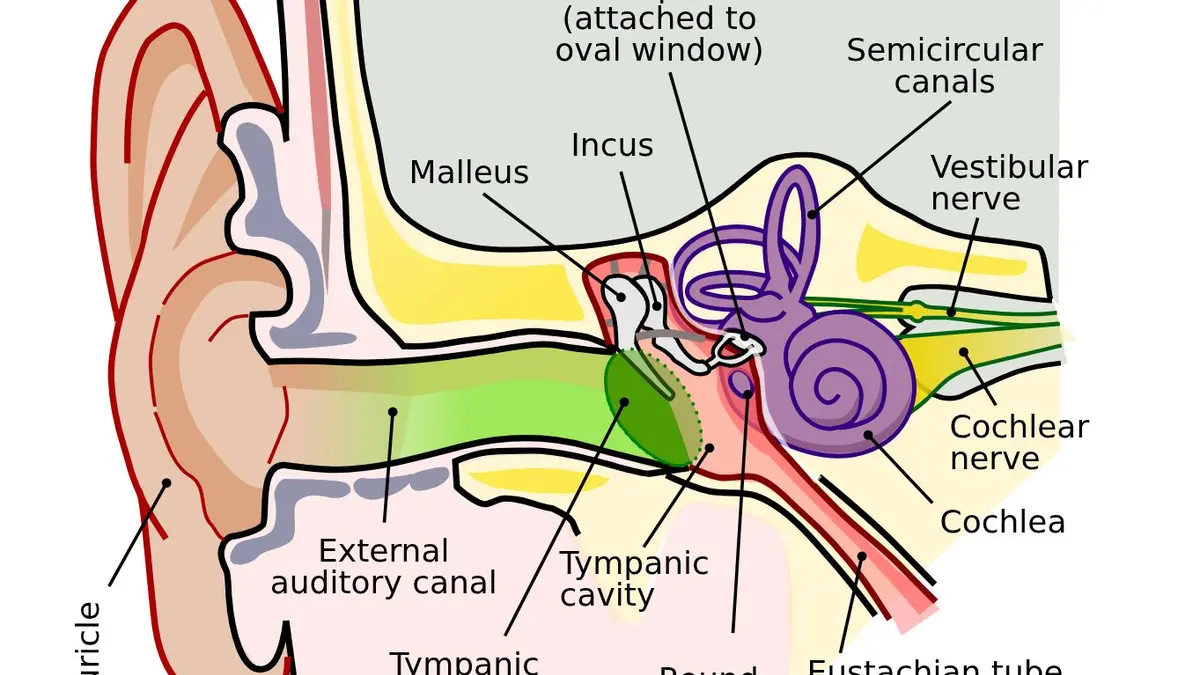
Tinnitus is hearing sound without an outside source. It may be ringing, buzzing, humming, hissing, whooshing or another noise. The NHS explains that tinnitus may accompany hearing loss, ear conditions, medicines and other health problems.
A cause is not always found. Assessment can still identify treatable factors, hearing loss or warning signs that change what should happen next.
Which oils are claimed to help?
Juniper berry, helichrysum, petitgrain, patchouli, lavender, cypress and basil have appeared in consumer remedy lists. Proposed explanations include improved circulation, reduced inflammation, relaxation and treatment of infection.
I found no credible controlled human trial showing that any named oil reduces tinnitus loudness, severity or distress. Tinnitus UK reaches the same cautious conclusion and notes the need for proper randomised trials.
Mechanisms are often asserted rather than demonstrated. A compound affecting cells in a dish does not show that inhaling its oil changes auditory processing in a person.
Relaxation is not the same as tinnitus treatment
Stress and poor sleep can make tinnitus harder to tolerate. A familiar scent may make a wind-down routine more pleasant. That personal response does not establish a reduction in the tinnitus signal.
This distinction is measurable. Tinnitus trials may assess loudness, distress, quality of life, sleep or anxiety. Improvement in one measure should not be reported as improvement in all of them.
What treatments have better evidence?
NICE recommends a structured assessment, with attention to hearing, the effect on daily life and features needing referral. Management depends on the person rather than a single universal cure.
A Cochrane review found that cognitive behavioural therapy may reduce tinnitus-related distress. It did not show that CBT removes the sound, and the evidence was more certain for some outcomes than others.
A network meta-analysis also found benefits from psychological interventions. These approaches aim to reduce the burden of tinnitus, not to claim that it is imaginary.
Sound-based approaches have a less certain evidence base. A Cochrane review of sound therapy found insufficient evidence to favour one device-based approach over another.
Hearing aids may still be appropriate when hearing loss is present. NICE links amplification choices to the person’s hearing needs, rather than recommending them to everyone with tinnitus.
Why hearing assessment matters
NHS hearing tests assess different parts of hearing function. They can help identify loss that a person has not noticed and inform treatment choices.
The World Health Organization lists noise exposure, ageing, ear disease and some medicines among causes of hearing loss. Protecting hearing is more important than adding a fragrance.
Do not put essential oil in the ear
Essential oil should not be dropped into the ear canal. Concentrated oils can irritate skin, and infection or a perforated eardrum may not be obvious without examination.
Applying oil around the ear also lacks evidence for tinnitus. It cannot remove earwax, reverse hearing loss or correct a medicine-related cause.
When to seek help
See a GP when tinnitus is regular, worsening or affecting sleep, concentration or mood. Ask for an urgent appointment when it beats in time with your pulse.
Go to A&E or call 999 when tinnitus follows a head injury. Emergency help is also needed with sudden hearing loss, facial weakness or a spinning sensation.
The NHS treats sudden hearing loss as urgent. An essential-oil experiment should never delay that assessment.
My verdict
The evidence does not support any essential oil as a tinnitus treatment. An aroma can be described as a personal comfort measure if it is pleasant and does not cause symptoms.
The better-supported path is assessment, hearing care where needed and help with the effects of tinnitus. Claims should state whether they concern loudness, distress, sleep or relaxation.
References
- NHS: Tinnitus
- NICE guideline NG155: Tinnitus assessment and management
- NICE: Tinnitus recommendations
- Fuller and colleagues: Cognitive behavioural therapy for tinnitus
- Landi and colleagues: Psychological interventions network meta-analysis
- Sereda and colleagues: Sound therapy for tinnitus
- NICE evidence review: Sound therapy and amplification
- Tinnitus UK: Essential oils
- NHS: Hearing tests
- NHS: Hearing loss
- World Health Organization: Deafness and hearing loss