
There is no independent league table that proves one essential-oil brand is universally “best”. This hub explains the evidence I use to assess suppliers and collects HealthWatchlist’s brand and buying guides in one place.
What a responsible supplier should tell you
An essential-oil company cannot prove quality by using words such as “pure”, “therapeutic grade” or “premium”. Those phrases do not identify the plant, show what is in a particular batch or establish that a health claim is true.
I look for information that can be checked:
- the full botanical name and plant part;
- the extraction method and country or region of origin;
- a batch or lot number that links the bottle to a current analytical report;
- a complete ingredient list for blends and pre-diluted products;
- clear storage, skin, ingestion, child and pet warnings;
- contact details and a realistic returns process;
- claims that distinguish fragrance, traditional use, laboratory findings and human clinical evidence.
What GC-MS can and cannot prove
Gas chromatography-mass spectrometry can separate many volatile constituents and help check whether a sample broadly fits the claimed oil. A batch report is useful when it names the laboratory or method, identifies the batch and gives enough detail to interpret the result.
It does not prove that a plant was grown ethically, that every possible contaminant was tested, that the oil is safe for every route or that it treats disease. A generic “typical analysis” reused for years is not evidence about the bottle in front of you.
How the reviews work
HealthWatchlist reviews public information: labels, product pages, batch reports, safety instructions, published policies and the wording of health claims. A company can score well for transparency without its oil becoming a medical treatment. Conversely, attractive packaging and extensive wellness copy cannot compensate for unclear identity or reckless instructions.
Prices, ranges and policies change, so each company review should be read with its stated checking date. I link to the evidence used so readers can see whether a disclosure still exists. No review is a substitute for checking the current label of the exact product.
Current supplier and buying guides

25 Essential-Oil Scent Ideas for Hand Soap: Safety First
Twenty-five restrained scent directions, plus the formulation, preservation and cosmetic-safety limits that a drop recipe misses.
Read the guide
ArtNaturals Essential Oils Review: Labels, Testing and Claims
An independent review of what ArtNaturals currently discloses about identity, testing, labels, safety and essential-oil claims.
Read the guide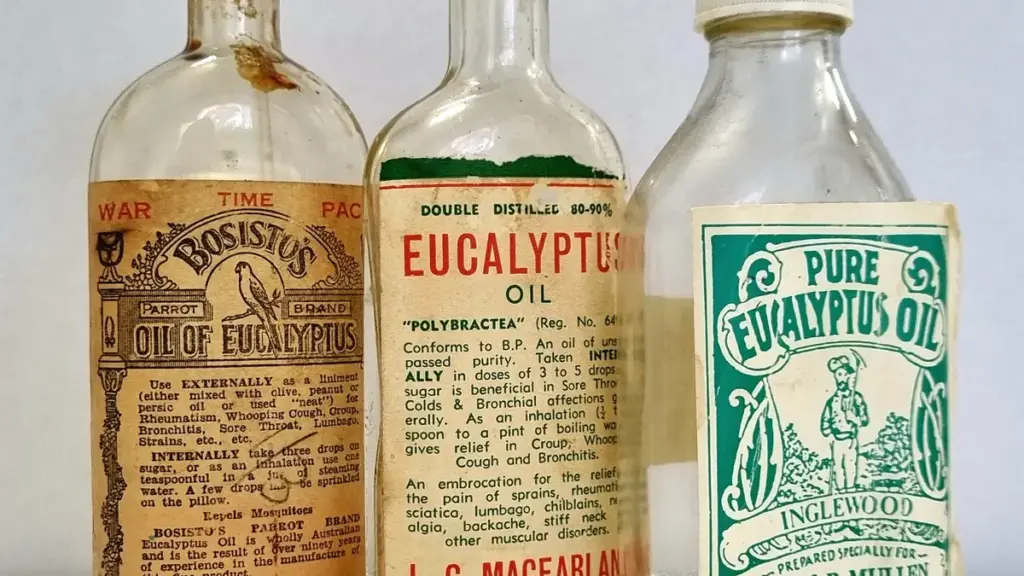
Best Essential Oil Brands: How to Compare Suppliers
A practical framework for comparing essential-oil suppliers by identity, batch traceability, testing, labels and responsible claims.
Read the guide
Best Essential Oil Diffusers for Large Rooms
How to compare output, timers, tank access and realistic coverage claims when choosing a diffuser for a larger room.
Read the guide
Best Essential Oil Diffusers: How to Choose the Right Type
A practical comparison of ultrasonic, nebulising, heat and passive diffusers, with a buying checklist and realistic safety limits.
Read the guide
Can You Add Essential Oils to a Burning Candle?
Why essential oil must never be added to a lit candle or hot melt pool, with safer guidance for candle making and room scent.
Read the guide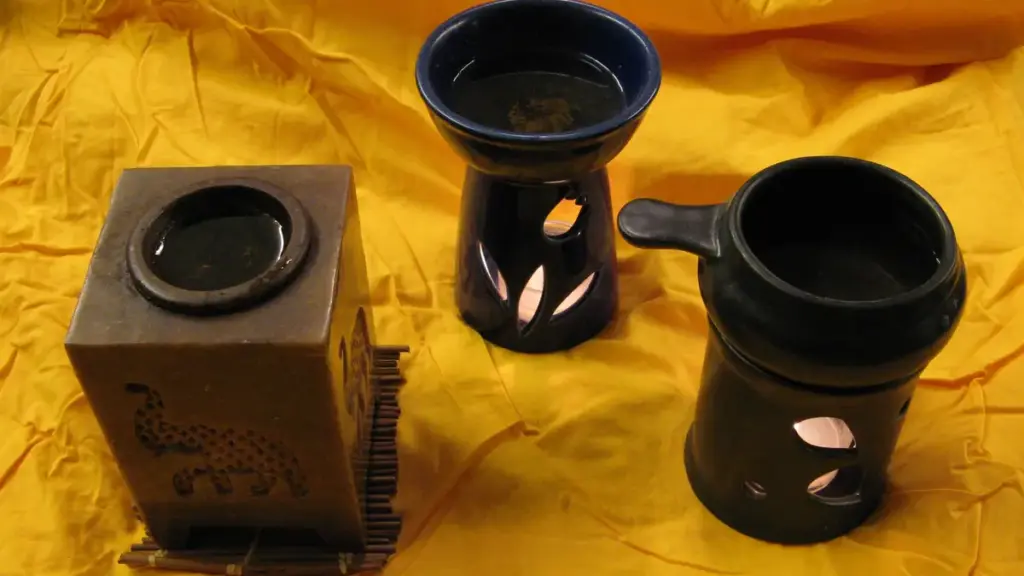
Can You Put Essential Oils in a Wax Warmer?
How wax warmers, oil burners and ultrasonic diffusers differ, and why the appliance instructions determine what belongs in the dish.
Read the guide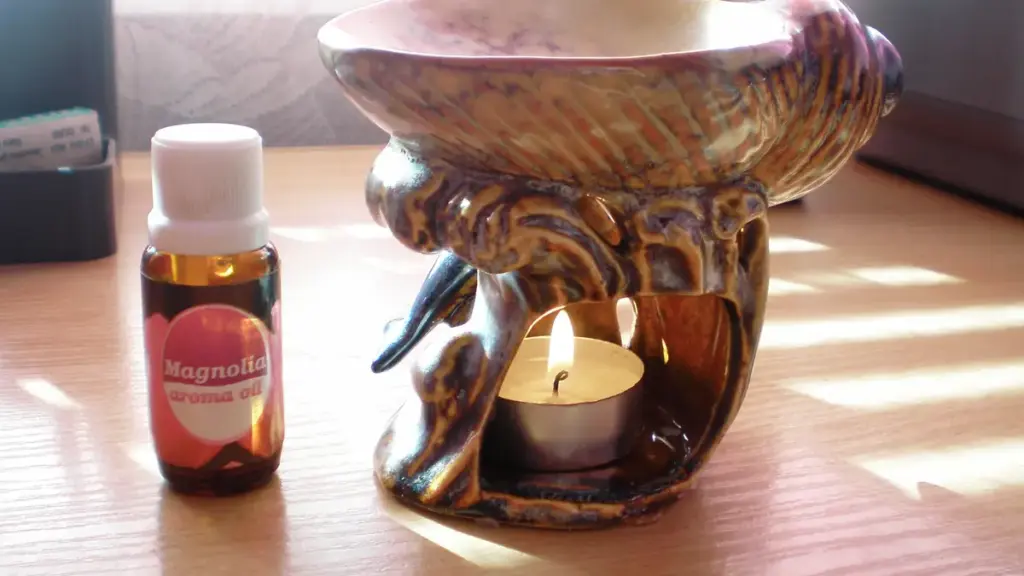
Dangers of Essential Oil Diffusers: What the Evidence Says
A sourced guide to airborne exposure, irritation, poisoning, spills, water hygiene, fire risks and safer household diffuser use.
Read the guide
Diffuser vs Humidifier: Which Should You Buy?
A practical comparison of humidifiers and essential-oil diffusers, including purpose, output, maintenance, air quality and realistic health claims.
Read the guide
Do Essential Oils Work? A Claim-by-Claim Answer
Why the answer depends on the oil, preparation, route and outcome, with human evidence separated from laboratory results and tradition.
Read the guide
Do Essential-Oil Diffusers Humidify a Room?
Why an ultrasonic diffuser releases some water but rarely provides measured, controlled whole-room humidification.
Read the guide
doTERRA Blend Names: A Label-Led Guide
How to identify doTERRA blends by current UK labels, ingredients, format and intended use rather than memorising an old list.
Read the guide
doTERRA Petal Diffuser Review: Specifications, Use and Limits
An independent, specification-led review of the doTERRA Petal diffuser, with practical checks and realistic health and air-quality limits.
Read the guide
Edens Garden Essential Oils Review: Testing, Labels and Claims
An independent review of Edens Garden’s public batch reports, product information, safety material and health claims.
Read the guide
Essential Oil Diffuser Benefits: What Does the Evidence Show?
HealthWatchlist verdict: An essential oil diffuser adds fragrance to a room. Some aroma studies report better short-term relaxation or perceived sleep quality, but they do not establish every…
Read the guide
Essential Oils and Cats: Toxicity, Diffusers and Safer Decisions
How cats can absorb essential oils, why active diffusers add exposure routes and what to do after a suspected poisoning.
Read the guide
Essential Oils for Ants: Do They Work?
Laboratory research suggests that some oils can deter ants briefly, but household control still depends on sanitation, exclusion and correctly used baits.
Read the guide
How Do Essential Oil Diffusers Work?
What ultrasonic, nebulising, heat and passive diffusers put into the air, and why a diffuser is not the same as a humidifier.
Read the guide
How to Make an Essential-Oil Room Spray Safely
Why essential oil and water are not a stable room spray, and how a documented pre-formulated base reduces avoidable preservation and exposure risks.
Read the guide
How to Use a Reed Diffuser Safely
Three practical steps covering placement, reed setup, spills, exposure, refills and the safety of children and pets.
Read the guide
How to Use an Essential Oil Diffuser Safely
A practical guide to choosing a location, following device instructions, limiting exposure, cleaning the reservoir and recognising when to stop.
Read the guide
How to Use Essential Oils: A Practical Safety Guide
How to approach diffuser, skin and household use without confusing fragrance, concentrated oils and regulated treatments.
Read the guide
List of Essential Oils: An Alphabetical Guide
An alphabetical guide to common essential oils, botanical identities and the distinctions that matter when reading a label.
Read the guide
Plant Guru Essential Oils Review: Testing, Labels and Claims
An independent review of Plant Guru’s published testing, label information, safety guidance and health claims.
Read the guide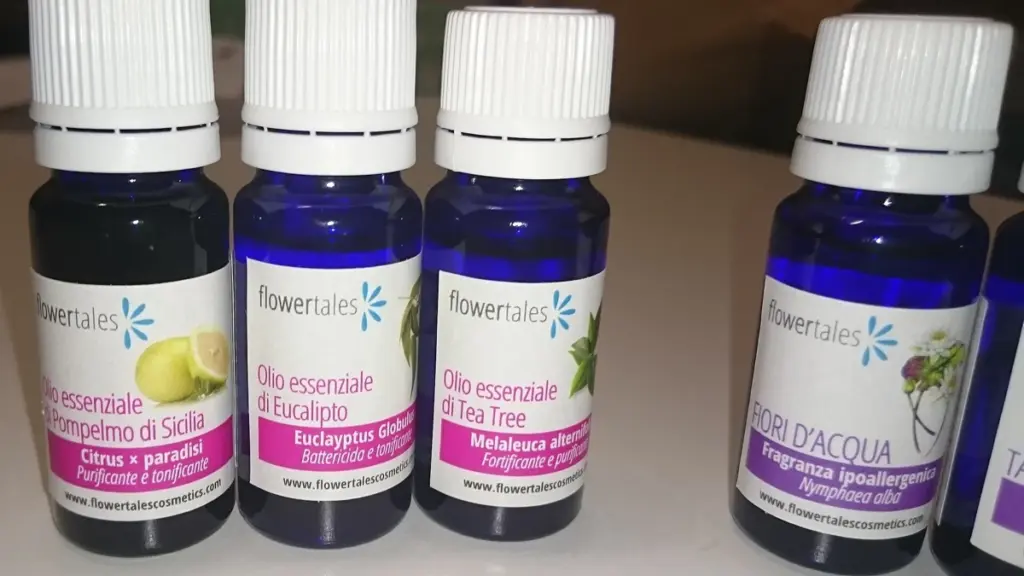
Reputable Essential Oil Companies: What to Look For
How to judge an essential-oil supplier by identity, batch information, testing and responsible claims rather than marketing.
Read the guide
What Is an Essential Oil Diffuser?
How ultrasonic, nebulising, passive and heat diffusers work, what they release and why a diffuser is neither a humidifier nor an air purifier.
Read the guide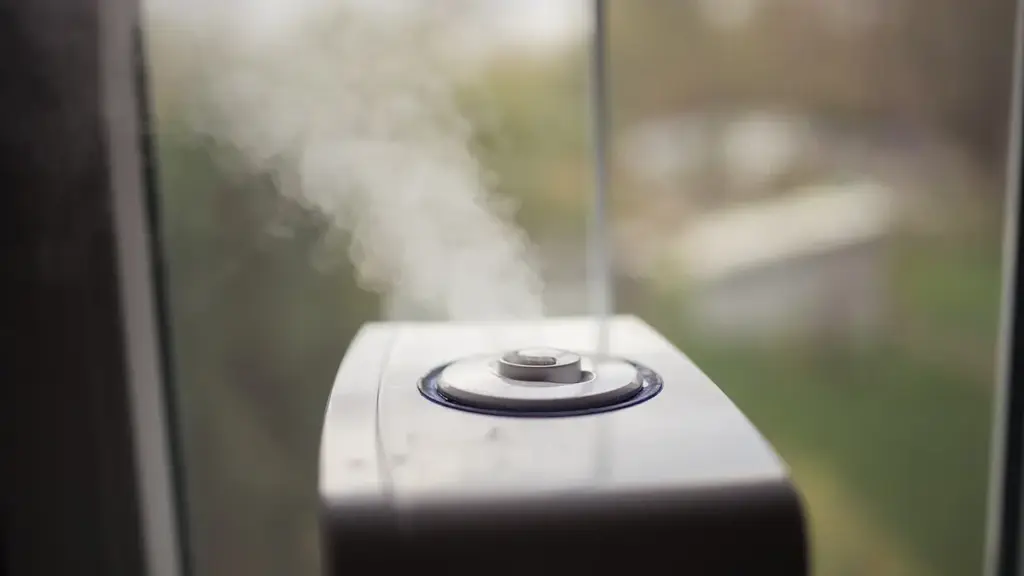

Why Is My Essential-Oil Diffuser Making a Loud Noise?
Three common causes of diffuser noise, safe cleaning and placement checks, and the warning signs that mean the unit should be unplugged.
Read the guideBefore choosing a brand
Start with the product you actually need. A supplier may be transparent about one botanical oil and vague about another. Compare like with like: the same species, plant part, extraction and bottle size. Be cautious when unusually low prices are paired with scarce origin information, or when an expensive product relies mainly on membership language and lifestyle testimonials.
A credible company should also make it easy to avoid inappropriate use. Instructions to swallow ordinary retail essential oils, apply them neat or replace prescribed care are a serious warning sign. The US National Center for Complementary and Integrative Health’s aromatherapy overview notes that safety depends on the product and route and that research is limited for many claimed uses.
My bottom line
The “best” brand is the one that accurately identifies the product, provides current batch information, communicates limitations and suits the intended non-medical use. This hub does not award a permanent winner. It gives you a repeatable way to inspect any supplier, including companies not yet reviewed here.