Category: Conditions

  • Essential Oils for Poison Ivy: Rash Care and Irritation Risks

    Essential Oils for Poison Ivy: Rash Care and Irritation Risks

    Bottom line: Essential oils are not a proven treatment for poison ivy rash and can add irritation or allergy to already inflamed skin. The priority is removing plant resin from skin, clothing and equipment, then treating the contact dermatitis safely.

    Do not put neat oil on a blistering rash, cover it with an oil-soaked dressing or use an essential oil to delay medical care. Get urgent help for breathing difficulty, facial swelling or a widespread severe reaction.

    What poison ivy does

    Poison ivy, poison oak and poison sumac contain urushiol, an oily plant resin that can cause allergic contact dermatitis. The plants are mainly a North American concern, but travellers can encounter them and similar plant reactions occur elsewhere.

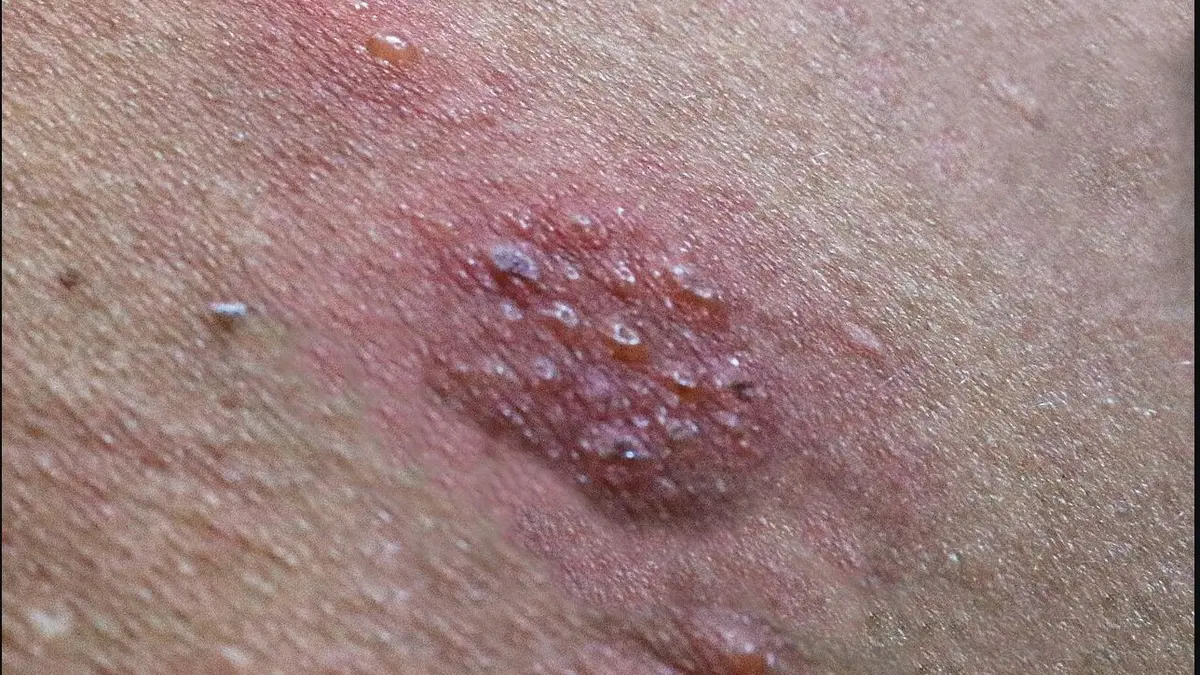
    The rash can be itchy, red, swollen or blistered. It is not spread by the blister fluid. Fresh resin on clothing, tools, shoes, pets or skin can cause further exposure, however, so washing and cleaning matter.

    NHS guidance explains that contact dermatitis occurs when an irritant or allergen triggers itchy, blistered, dry or cracked skin. Poison ivy is a particular plant allergen, but the general safety principle is the same: stop adding irritants while the skin recovers.

    Do essential oils treat the rash?

    I found no convincing human clinical evidence that lavender, tea tree, peppermint or another essential oil shortens poison-ivy dermatitis or prevents its complications. Laboratory antimicrobial or anti-inflammatory findings are not evidence that an oil treats an allergic rash on a person.

    Some oils contain chemicals that irritate skin or cause allergic contact dermatitis themselves. A second reaction can increase itching, blur the appearance of the original rash and make it harder to tell whether the condition is improving. Citrus oils can also cause photosensitivity.

    Even a diluted product is not automatically safe on broken, blistered or weeping skin. Read the HealthWatchlist safety guide before using any aromatic product, and do not mix oils with steroid creams or other medicines unless a clinician or pharmacist tells you to.

    What to do after exposure

    Wash exposed skin promptly with soap and water, clean under fingernails and launder clothing that may carry resin. Wash pets or equipment carefully if they may have brushed against the plant. Avoid burning the plant because smoke can expose the eyes and airways.

    Once the rash has appeared, cool compresses, moisturising treatments and advice from a pharmacist may help. The American Academy of Dermatology describes practical poison-ivy treatment and warning signs. A pharmacist or GP can decide whether a topical corticosteroid or another treatment is appropriate, especially when the rash covers a large area or affects the face, hands or genitals.

    Do not scratch, cut blisters or use household solvents on the skin. Those actions can cause infection or a chemical injury without removing the immune reaction already under way.

    When to get help

    Speak to a pharmacist for a troublesome rash. See a GP if symptoms are persistent, recurrent or severe, or if the cause is uncertain. A rash that looks like poison ivy may instead be eczema, infection, shingles, a medicine reaction or another condition.

    Call 999 for difficulty breathing, throat tightness, swelling of the lips or tongue, faintness or a rapidly worsening severe allergic reaction. Seek prompt advice if the eyes, mouth or genitals are affected, or if the skin becomes increasingly painful, hot or oozy.

    Our related rashes review explains why the cause of a rash matters more than choosing an attractive-sounding oil. The hives review covers a different immune reaction and should not be used to self-diagnose poison ivy.

    My verdict

    Essential oils score 0/10 for treating poison-ivy rash. They may smell pleasant in a room, but they have no established role in removing urushiol or calming the underlying allergic dermatitis.

    Wash the exposure, protect the skin, use appropriate pharmacist or clinical care and seek urgent help for airway or facial symptoms. A concentrated plant extract is a poor substitute for that sequence.

    References

    1. NHS: Contact dermatitis
    2. US CDC/NIOSH: Poisonous plants
    3. American Academy of Dermatology: Treating poison ivy rash
    4. Posadzki and colleagues: Adverse effects of aromatherapy
    5. de Groot and Schmidt: Essential oils and contact allergy
    6. NCCIH: Aromatherapy
    7. NHS: Contact dermatitis treatment
    8. HealthWatchlist: Essential oils for rashes
    9. HealthWatchlist: Essential oils for hives
    10. HealthWatchlist: Essential-oil safety guide
  • Essential Oils for ADHD: Evidence and Safer Support

    Essential Oils for ADHD: Evidence and Safer Support

    Bottom line: There is no credible evidence that essential oils treat the core symptoms of ADHD or replace assessment, educational support, talking therapies or prescribed medicine. A familiar scent may feel calming, but that is a much narrower claim.

    Do not give a child essential oil by mouth, put neat oil on their skin or stop ADHD medicine because of a social-media recommendation. Keep bottles and diffusers away from children and pets.

    What ADHD involves

    The NHS describes ADHD as a condition involving patterns of inattention, hyperactivity and impulsivity. Symptoms usually begin before age 12, but their effects can change across childhood, adolescence and adulthood.

    Being distracted, energetic or restless occasionally does not establish ADHD. Assessment considers how symptoms affect daily life and whether another explanation, such as anxiety, sleep difficulty, autism, depression, a learning difficulty or stress, may be involved.

    A bottle labelled “focus”, “calm” or “brain power” cannot diagnose ADHD. Nor can a temporary change in behaviour after a pleasant smell show that an oil has changed the underlying neurodevelopmental condition.

    What does the essential-oil evidence show?

    I found no reliable clinical evidence that a named essential oil improves validated core ADHD outcomes such as sustained attention, impulsivity, hyperactivity, executive functioning or school and work performance. Research about relaxation, sleep or general mood measures is indirect.

    Small studies of scents can be difficult to interpret. Participants know whether they smell something, expectations can influence ratings and a calm setting may be part of the intervention. A change in a short attention task is not the same as a durable improvement in everyday functioning.

    Evidence about vetiver, lavender or another individual oil must remain tied to the exact product, route and outcome studied. It cannot be combined into a general claim that essential oils treat ADHD. HealthWatchlist’s scoring method treats indirect and laboratory findings as weaker than well-designed human outcome research.

    What established ADHD support looks like

    NICE guidance covers diagnosis and management of ADHD. The appropriate plan depends on age, symptoms, impairment, preferences and coexisting conditions. It may include environmental adjustments, psychological support, parent or carer guidance and medicine started and monitored by an ADHD specialist.

    The NHS suggests practical support such as regular sleep, enjoyable physical activity, a balanced diet, breaking tasks into shorter sections, clear instructions and help from school staff. These steps do not need an essential-oil product to be useful.

    Adults who think ADHD may be affecting work, relationships or safety can speak to a GP about assessment. The NHS has a separate adult ADHD pathway. A child or young person may need support from a teacher or SENCO as well as a referral. Long waiting times are frustrating, but an untested oil is not a safe replacement pathway.

    Safety around children and prescribed treatment

    Essential oils are concentrated chemicals. Swallowing them can cause poisoning, and skin exposure can cause irritation or allergic contact dermatitis. Diffusers release volatile compounds into the air and may provoke coughing, headache or breathing problems.

    Do not use an oil on a child’s face, near the nose or mouth, in a bath without appropriate advice or as a substitute for prescribed treatment. If a child swallows oil or develops breathing difficulty, seek urgent medical advice and take the bottle or label with you.

    There is not enough evidence to assume that an oil is safe alongside every ADHD medicine. The American Academy of Pediatrics guideline emphasises monitored, multimodal care rather than untested products. Tell a pharmacist or prescriber about supplements, blends and regular aromatherapy. The precautions in our safety guide apply even when the marketing language sounds gentle.

    When to seek help

    Ask a GP, teacher or SENCO about assessment when attention, impulsivity or activity levels are persistently affecting learning, relationships, work, sleep or safety. Seek immediate help if someone is at risk of self-harm, severe distress or an acute medication reaction.

    Do not delay an assessment because a child appears calmer while a diffuser is running. The useful question is whether support improves functioning over time and in more than one setting.

    My verdict

    Essential oils score 0/10 for treating ADHD. A scent may be a personal comfort or part of a bedtime routine, but current evidence does not support it as an ADHD treatment.

    Use the NHS and NICE pathways for assessment and management. If you keep an oil at home, treat it as a concentrated fragrance product and store it accordingly.

    References

    1. NHS: ADHD in children and young people
    2. NHS: ADHD in adults
    3. NICE NG87: Attention deficit hyperactivity disorder
    4. Wolraich and colleagues: Clinical practice guideline for ADHD
    5. US CDC: About ADHD
    6. NCCIH: Aromatherapy
    7. Posadzki and colleagues: Adverse effects of aromatherapy
    8. de Groot and Schmidt: Essential oils and contact allergy
    9. NHS: Contact dermatitis
    10. HealthWatchlist: Vetiver essential oil profile
    11. HealthWatchlist: Essential oils and anxiety
    12. HealthWatchlist: Essential-oil safety guide
  • Essential Oils for Fertility: Evidence, Pregnancy and Safety

    Essential Oils for Fertility: Evidence, Pregnancy and Safety

    Bottom line: Essential oils have not been shown to increase the chance of conception, improve egg or sperm quality, open blocked tubes or treat infertility. A pleasant scent may feel relaxing, but that is not the same as improving fertility.

    Do not swallow essential oils, put them in the vagina, douche with them or use them instead of fertility assessment. If you are pregnant or might be pregnant, ask a midwife, GP or pharmacist before using an essential-oil product.

    What people mean by “fertility”

    Fertility is not one single outcome. Conception can be affected by ovulation, age, semen quality, fallopian tubes, the womb, endometriosis, infections and other factors. Some couples are given a clear explanation, while others are not.

    The NHS says that more than eight in ten couples where the woman is under 40 conceive within a year of regular unprotected sex. It recommends speaking to a GP after a year of trying, or sooner when the woman is 36 or over or there is already a reason to suspect a fertility problem.

    A product described as “balancing hormones”, “supporting the uterus” or “cleansing the reproductive system” is making a medical claim. The label does not establish that the product affects ovulation, sperm, implantation or live birth.

    What does the essential-oil evidence show?

    Research on aromatherapy during fertility treatment sometimes measures anxiety, sleep or perceived comfort. Those outcomes may matter to someone going through investigations or IVF, but they do not show that an oil improves ovarian response, fertilisation, embryo implantation or the chance of a baby.

    I found no reliable clinical evidence that inhaled, topical or oral essential oil increases natural conception or improves an established cause of infertility. Research on a food, herbal extract, isolated molecule or mixed complementary programme cannot automatically be transferred to a bottle of essential oil.

    The distinction matters because fertility treatment has a defined endpoint. A lower anxiety score after a massage is not evidence that an oil has changed reproductive biology. Our anxiety evidence guide explains why short-term comfort findings should not be turned into treatment claims.

    What evidence-based fertility care involves

    NICE fertility guidance recommends assessing both partners and matching treatment to the likely cause. Depending on the findings, care may include advice about timing, tests, treatment for ovulation problems, surgery, intrauterine insemination or IVF.

    The NHS notes that fertility problems can affect either partner. Smoking, alcohol, weight, sexually transmitted infections and some environmental exposures can also matter. These are reasons for a proper conversation with a clinician, not for buying a stronger blend.

    Be cautious with fertility lubricants and oils. A product that is safe on external skin is not automatically suitable inside the vagina or around sperm. Use a product intended for that purpose and ask a fertility team if you are unsure.

    Trying to conceive, pregnancy and safety

    Once conception is possible, the safety question changes. NHS pregnancy advice recommends checking medicines and complementary products with a clinician or pharmacist. Pregnancy data for many essential oils are limited, concentrations vary and swallowing a concentrated oil can poison an adult or child. Some products also contain several ingredients, making exposure difficult to judge.

    Do not use essential oil as a vaginal wash, pessary, douche or homemade lubricant. These routes can irritate tissue and disturb the normal vaginal environment. They may also delay assessment of thrush, bacterial vaginosis or a sexually transmitted infection.

    If you use a diffuser because you enjoy the smell, keep it optional and stop if it causes headache, nausea, coughing or breathing discomfort. NCCIH also advises treating aromatherapy as complementary care and considering possible adverse effects. Read the HealthWatchlist safety guide and discuss regular use with a clinician during fertility treatment or pregnancy.

    When to ask for help

    Speak to a GP after a year of trying, or sooner if you are 36 or over, have irregular or absent periods, severe period pain, previous pelvic infection, repeated miscarriage, cancer treatment, testicular problems or another known risk.

    Do not let a fertility product postpone an appointment. Earlier assessment can identify treatable causes and may prevent months of spending on supplements or oils that have not been tested for the outcome you want.

    My verdict

    Essential oils score 0/10 for the claim that they improve fertility or increase the chance of conception. There may be a comfort role for a familiar scent, but no established fertility treatment role.

    Use the NHS and a licensed fertility service for diagnosis and treatment. Keep aromatherapy, if you choose it at all, separate from the medical question of whether conception is occurring.

    References

    1. NHS: Infertility
    2. NHS: Trying for a baby
    3. NICE CG156: Fertility problems
    4. Human Fertilisation and Embryology Authority
    5. NHS: Medicines in pregnancy
    6. NCCIH: Aromatherapy
    7. Posadzki and colleagues: Adverse effects of aromatherapy
    8. de Groot and Schmidt: Essential oils and contact allergy
    9. NHS: Contact dermatitis
    10. HealthWatchlist: Essential oils and anxiety
    11. HealthWatchlist: Essential oils and sleep
    12. HealthWatchlist: Essential-oil safety guide
  • Essential Oils for Adrenal Fatigue: What the Evidence Says

    Essential Oils for Adrenal Fatigue: What the Evidence Says

    Bottom line: “Adrenal fatigue” is not a validated medical diagnosis, and there is no scientific proof that everyday stress makes the adrenal glands run out of cortisol. Essential oils cannot restore adrenal hormones or treat adrenal insufficiency.

    Do not use an essential-oil blend, supplement or saliva test as a substitute for medical assessment. Severe vomiting, dehydration, confusion, fainting or extreme weakness can be an emergency.

    Why the term is misleading

    The phrase “adrenal fatigue” is often used for tiredness, poor sleep, low mood, difficulty concentrating or cravings. Those symptoms are real, but they are non-specific. They can occur with sleep problems, depression, anaemia, thyroid disease, diabetes, medication effects, infection and many other conditions.

    The Endocrine Society says there is no scientific proof that adrenal fatigue is a true medical condition. It also warns that accepting the label can mean that the real cause of symptoms is missed or treated late.

    That conclusion does not mean that adrenal disease is imaginary. Addison’s disease and other forms of adrenal insufficiency are real conditions in which the body does not make enough important hormones. NICE clinical knowledge guidance treats them as conditions requiring proper testing and treatment.

    What does aromatherapy research actually measure?

    Aromatherapy studies sometimes measure fatigue, stress or perceived wellbeing. A 2022 meta-analysis included 19 trials in adults with chronic disease and reported a possible improvement in fatigue, but it also reported very high statistical heterogeneity. The studies used different oils, routes, populations and fatigue measures.

    That review did not test whether essential oils repair adrenal glands, raise cortisol appropriately or treat adrenal insufficiency. A lower fatigue score after a relaxing intervention cannot validate “adrenal fatigue” or identify the reason someone is exhausted.

    A scent may be part of a calming routine. That is a different claim from changing hormone production. Our sleep guide and anxiety guide explain why short-term comfort evidence needs to stay within its measured outcome.

    Recognising real adrenal insufficiency

    NHS information on Addison’s disease includes fatigue, weight loss, abdominal symptoms, dizziness on standing, muscle weakness, increased thirst and darker areas of skin. These symptoms overlap with many common problems, so they cannot diagnose Addison’s disease by themselves.

    A GP may arrange blood tests and refer someone to an endocrinologist. Specialist testing can include cortisol measurements and a Synacthen stimulation test. If adrenal insufficiency is confirmed, treatment uses prescribed steroid replacement. Essential oils have no role in replacing cortisol or aldosterone.

    People already taking steroid replacement must not stop or change it because a seller promises to “support the adrenals”. Missing treatment can be dangerous, especially during illness, injury or surgery.

    Why “adrenal support” products are risky

    Supplements marketed for adrenal fatigue can contain several herbs, stimulants or glandular ingredients. Their dose and purity may vary, and they can interact with prescribed medicines. A natural label does not make an untested hormone claim safe.

    NCCIH notes that aromatherapy is complementary care and that adverse effects are possible. Essential oils can irritate skin and airways, cause allergic reactions and poison someone if swallowed. Diffusers can also worsen symptoms for people with asthma or scent sensitivity. See the HealthWatchlist safety guide before using any product.

    When to seek urgent help

    Arrange a GP appointment for persistent or unexplained exhaustion, weight loss, recurrent dizziness or darkening skin. Do not wait for a home “adrenal panel” if you feel seriously unwell.

    The NHS describes adrenal crisis as a medical emergency. Call 999 if someone with known or suspected adrenal insufficiency becomes severely dizzy or confused, faints, has severe abdominal or side pain, repeated vomiting or diarrhoea, profound weakness or loss of consciousness.

    My verdict

    Essential oils score 0/10 for treating “adrenal fatigue” or adrenal insufficiency. Aromatherapy may be a personal relaxation choice, but it cannot diagnose a hormone disorder or replace steroid treatment.

    If fatigue is persistent, the useful next step is a medical assessment that looks for a real, treatable cause. A reassuring aroma is not a hormone test.

    References

    1. Endocrine Society: Adrenal fatigue
    2. NHS: Addison’s disease
    3. NICE CKS: Adrenal insufficiency
    4. Wang and colleagues: Aromatherapy for fatigue in adults, meta-analysis
    5. NCCIH: Aromatherapy
    6. Posadzki and colleagues: Adverse effects of aromatherapy
    7. de Groot and Schmidt: Essential oils and contact allergy
    8. NHS: Contact dermatitis
    9. HealthWatchlist: Essential oils and sleep
    10. HealthWatchlist: Essential oils and anxiety
    11. HealthWatchlist: Essential-oil safety guide
  • Essential Oils for Warts: Evidence and Safer Treatment

    Essential Oils for Warts: Evidence and Safer Treatment

    Bottom line: There is no good clinical evidence that an essential oil removes ordinary skin warts or verrucas. Warts often disappear without treatment, while pharmacy treatments such as salicylic acid have a modest evidence base.

    Do not put neat essential oil on a wart, burn it, cut it out or use a home mixture on the face or genitals. A changing, bleeding, unusually painful or uncertain growth needs proper assessment.

    What a wart is

    The NHS describes warts and verrucas as common small lumps caused by a virus. They most often affect the hands, fingers, knees or feet. A verruca is a wart on the sole, where pressure can make it painful.

    Many warts clear by themselves, but this can take months or years. That natural history makes personal stories difficult to interpret. If a wart disappears after someone starts using an oil, the timing does not show that the oil caused the clearance.

    Genital warts are a different clinical problem. The NHS advises sexual-health assessment rather than an essential oil or an over-the-counter wart product.

    What does the essential-oil evidence show?

    Tea tree, oregano, thuja and other oils are sometimes promoted for warts. I found no convincing randomised human trial showing that a named essential oil reliably clears common warts or verrucas. Laboratory antiviral activity, a case report or a traditional-use claim cannot establish a safe treatment for a person.

    The Cochrane review of topical treatments for non-genital skin warts included 85 trials involving 8,815 participants. It found a definite but modest benefit for salicylic acid. It did not establish essential oils as an effective treatment, and many of the included studies had design limitations.

    The review found that cryotherapy was more painful and was not consistently better than salicylic acid. More aggressive freezing may improve clearance while increasing pain, blistering and scarring. Those findings concern clinical wart treatments, not a reason to improvise a stronger oil application.

    Evidence about tea tree oil’s identity and safety should also be kept separate from evidence about a particular wart outcome. An oil can have antimicrobial or irritating properties in a laboratory without removing a wart in real skin.

    What usually makes sense instead?

    If a wart is not troublesome, waiting is reasonable. If it is painful, keeps returning or is embarrassing, a pharmacist can discuss a licensed treatment. NHS advice notes that pharmacy creams, plasters and sprays may take up to three months and can irritate the skin.

    Salicylic-acid products must be used exactly as their label says. Do not apply them to the face, and ask a pharmacist or clinician before treating a child, a person with reduced sensation, poor circulation, diabetes or a weakened immune system.

    A GP may offer freezing or refer a persistent, large or painful lesion to a dermatologist or podiatrist. The correct diagnosis matters because not every rough or dark growth is a wart.

    Why applying an essential oil can backfire

    Essential oils are concentrated mixtures. NCCIH says evidence for tea tree oil in skin conditions remains limited and warns against swallowing it. Neat application can cause irritation or allergic contact dermatitis, and an inflamed patch can make the original lesion harder to recognise. Some oils also cause photosensitivity or chemical burns.

    Do not seal an oil under a plaster, apply it to broken skin or combine several oils with acids, alkalis or freezing products. Swallowing oil is unsafe and cannot treat a skin infection from inside the body. The general precautions in HealthWatchlist’s essential-oil safety guide apply here.

    When to seek assessment

    The NHS advises seeing a GP if you are worried about a growth, if it keeps coming back, or if it is large, painful, bleeding or changing. Assessment is also important for a wart on the face or genitals.

    Do not keep treating a lesion at home because an oil seller calls it a wart. A diagnosis is particularly important if you have many lesions, take immune-suppressing medicine or have a condition that affects healing.

    My verdict

    Essential oils score 1/10 for the precise claim that they treat ordinary warts or verrucas. The score reflects the absence of convincing clinical evidence, not proof that every oil has no biological activity.

    For a bothersome wart, use a recognised pharmacy or clinical option and allow time for it to work. Treat an essential oil as a fragrance product, not as a wart medicine.

    References

    1. NHS: Warts and verrucas
    2. NHS: Genital warts
    3. Cochrane: Topical treatments for skin warts
    4. American Academy of Dermatology: Warts: diagnosis and treatment
    5. NHS: Contact dermatitis
    6. NCCIH: Tea tree oil
    7. Kairey and colleagues: Tea tree oil systematic review
    8. Posadzki and colleagues: Adverse effects of aromatherapy
    9. de Groot and Schmidt: Essential oils and contact allergy
    10. HealthWatchlist: Tea tree essential oil profile
    11. HealthWatchlist: Essential-oil safety guide
  • Essential Oils for UTI: Laboratory Evidence and Safer Care

    Essential Oils for UTI: Laboratory Evidence and Safer Care

    Bottom line: Essential oils do not have good human evidence as treatments for urinary tract infection. Laboratory activity against bacteria does not make an oil safe to swallow, insert or apply around the urethra.

    Seek urgent advice for UTI symptoms with fever, shivering, back pain, blood in the urine, pregnancy, diabetes or a weakened immune system. Confusion, drowsiness or difficulty speaking needs 999 or A&E.

    A UTI is not an infection an oil can reach from the skin

    UTIs can affect the urethra, bladder or kidneys. Most are caused by bacteria entering the urinary tract, commonly from the bowel.

    Burning, urgency and frequent urination can also occur with vaginal irritation, sexually transmitted infection or other bladder problems. That overlap is another reason a scented or irritating product can confuse the situation.

    Rubbing diluted oil on the lower abdomen cannot deliver a reliable antibacterial concentration inside the bladder. Applying it near the urethra may irritate delicate tissue and make burning feel worse.

    Swallowing oil is not a solution. Concentrated tea tree, eucalyptus, oregano and other oils can be toxic, and their doses are not established UTI treatments.

    Why laboratory results sound more useful than they are

    Researchers can expose bacteria to oregano, thyme, cinnamon, clove, tea tree or isolated constituents in a laboratory. Some oils inhibit organisms, including strains of Escherichia coli.

    A laboratory result does not show that the substance reaches the bladder at an effective concentration after normal use. It also does not establish dosing, interactions, tissue safety or clinical cure.

    A review of essential oils against antibiotic-resistant hospital bacteria describes mainly laboratory evidence. It calls these substances research leads, not replacements for prescribed antimicrobials.

    Even an oil that inhibits one bacterial strain may not work against the organism causing a particular person’s symptoms. Resistance, contamination and non-infectious causes also complicate the picture.

    Antimicrobial resistance makes careful antibiotic use important, but it does not make an untested oil an effective alternative. A treatment must reach the infection, improve symptoms and clear bacteria without unacceptable harm.

    What human evidence is missing

    Reliable treatment evidence would need properly diagnosed participants, a standardised product, a comparison group, microbiological outcomes and careful recording of adverse effects.

    The familiar online lists do not provide that evidence. They often move from an in-vitro result to a recipe without showing that the recipe cures infection in people.

    A broad systematic review of randomised tea-tree-oil trials found research in several clinical fields. It did not establish tea tree oil as a UTI treatment.

    What NHS care involves

    The NHS advises that some UTIs need antibiotics, while some can initially be managed with self-care or a delayed prescription. The decision depends on symptoms and individual risk.

    A pharmacist can assess many non-pregnant women aged 16 to 64. Men, children, pregnant people, adults aged 65 or over and people with diabetes or catheters need the route advised by the NHS.

    Rest, adequate fluid and paracetamol may help symptoms when appropriate. These measures do not prove that an infection has cleared, and worsening symptoms need reassessment.

    Take prescribed antibiotics exactly as directed and seek advice about missed doses or side effects. Do not save tablets for a later episode or share them with someone whose symptoms look similar.

    NICE guidance supports targeted antibiotic prescribing for lower UTI. NICE guidance for acute pyelonephritis covers the more serious kidney-infection pathway. The aim is to treat people who need antibiotics while avoiding unnecessary use.

    Prevention claims are a separate question

    Treatment of an active UTI and prevention of recurrent infections are different questions. Evidence discussed for cranberry, vaginal oestrogen or other preventive measures cannot be transferred to essential oils.

    Avoid fragranced intimate washes and essential oils around the genitals. Keeping the area clean with water is enough, and scented products can create irritation that resembles infection symptoms.

    Dark or strong-smelling urine alone may reflect too little fluid rather than infection. When it occurs with pain, urgency, fever or other symptoms, use the appropriate NHS assessment route instead of relying on smell.

    When not to wait

    Ask for urgent GP or NHS 111 help for a very high or low temperature, shivering, pain under the ribs, blood in urine or symptoms that worsen quickly.

    Urgent advice also applies during pregnancy, with diabetes, with a catheter or weakened immunity, and when symptoms fail to improve within 48 hours of starting treatment. The European Association of Urology guideline likewise separates uncomplicated bladder symptoms from systemic infection and risk factors.

    My verdict

    Essential oils can look impressive in antimicrobial laboratory studies. No good evidence shows that home aromatherapy preparations safely cure infection in the human urinary tract.

    Use the NHS assessment route that fits your circumstances. Do not swallow essential oil or apply it to genital tissue in an attempt to treat a UTI.

    References

    1. NHS: Urinary tract infections
    2. NICE NG109: Lower UTI antimicrobial prescribing
    3. NICE NG111: Acute pyelonephritis
    4. European Association of Urology: Urological infections guideline
    5. Iseppi and colleagues: Essential oils and antibiotic-resistant bacteria
    6. Kairey and colleagues: Tea tree oil systematic review
    7. NCCIH: Tea tree oil
    8. NCCIH: Aromatherapy
    9. Posadzki and colleagues: Adverse effects of aromatherapy
    10. ANSES: Vigilance concerning essential-oil sprays and diffusers
    11. HealthWatchlist: Essential-oil safety guide
  • Essential Oils for Gum Disease: What Mouthwash Evidence Means

    Essential Oils for Gum Disease: What Mouthwash Evidence Means

    Bottom line: Some formulated mouthwashes containing essential-oil ingredients can reduce plaque and gingivitis when added to brushing and interdental cleaning. That does not make bottled essential oils a treatment for gum disease.

    See a dentist for bleeding, painful or swollen gums. Seek an urgent dental appointment for very sore swelling, loose teeth, mouth ulcers, red patches or a lump.

    “Essential oils” can mean very different products

    A tested mouthwash is a finished formulation with controlled concentrations, solvents, flavouring and directions. A bottle of tea tree, clove or peppermint oil is a concentrated raw ingredient.

    Evidence for one commercial-style formulation cannot be transferred to homemade drops in water. Essential oils do not dissolve evenly in water, so the mouth can receive concentrated droplets.

    Oil pulling is different again. It normally uses a culinary carrier oil rather than a distilled essential oil. Research on oil pulling cannot prove that an essential oil treats gingivitis or periodontitis.

    What the mouthwash evidence shows

    Longer-term trials of formulated mouthrinses containing ingredients such as eucalyptol, menthol, methyl salicylate and thymol have reported less plaque and gingivitis when used alongside mechanical cleaning.

    The important phrase is “alongside mechanical cleaning”. Mouthwash does not remove hardened tartar, clean below deep gum pockets or reverse loss of supporting bone.

    Tea tree oil has also been tested. A 2024 systematic review included 11 randomised studies. Tea tree mouthwash did not produce a statistically significant plaque improvement over placebo, while selected subgingival applications showed possible adjunctive benefits.

    The reviewers concluded that strong evidence was lacking. The studies were small and varied in concentration, delivery and outcome measurement.

    A wider tea-tree-oil review also described modest evidence for plaque accumulation. It did not support pouring or rubbing neat tea tree oil onto gums.

    What actually treats gum disease

    The NHS describes gum disease as inflammation caused by plaque build-up. WHO oral-health guidance likewise emphasises prevention, fluoride toothpaste and access to professional care. Early care centres on effective brushing, daily cleaning between teeth, stopping smoking and professional cleaning where needed.

    Early gum inflammation is often called gingivitis. Periodontitis is deeper disease that damages the tissues and bone supporting teeth. A mouth that bleeds less is welcome, but it does not prove that deeper damage has stopped.

    More serious disease may require deep cleaning under the gums, antibiotics in selected cases, surgery or removal of teeth. A dentist needs to assess how far the disease has progressed.

    Bleeding may improve when plaque control improves, but reduced bleeding does not by itself show that deeper periodontitis has resolved. Gum pockets, attachment and bone need proper assessment.

    Clove, peppermint and tea tree claims

    Clove oil’s traditional role in temporary toothache does not make it a gum-disease cure. Eugenol can irritate or damage oral tissue when concentrated, and pain relief can delay treatment of decay or an abscess.

    Peppermint can make the mouth feel fresh. Freshness is not evidence that plaque below the gumline has been removed or that infection has been treated.

    A painful tooth, facial swelling, a bad taste and fever can point to a dental abscess rather than simple gingivitis. Masking the taste or pain with clove or peppermint does not drain or treat an abscess.

    NCCIH says the effectiveness of low-concentration tea tree mouthrinses for gingivitis, plaque and bad breath remains uncertain. It also warns that tea tree oil must not be swallowed.

    Safer practical choices

    Brush twice daily with fluoride toothpaste and clean between teeth each day. Spit after brushing rather than rinsing away the fluoride immediately.

    If a dentist recommends mouthwash, use a regulated finished product exactly as labelled and at the advised time. Cochrane evidence for chlorhexidine mouthrinse also treats rinsing as an adjunct to brushing, not a replacement. The NHS advises not using mouthwash straight after brushing.

    Some mouthwashes contain alcohol and some do not. Suitability can depend on dry mouth, age, oral sensitivity and the reason for use, so a pharmacist or dentist can help select an appropriate product.

    A mouthwash should not become a substitute for technique. A small-headed toothbrush, fluoride toothpaste and correctly sized interdental brushes or floss reach the plaque that rinsing alone leaves behind.

    Do not put neat essential oil on gums, add it casually to a water rinse or swallow it. Stop any product that causes burning, swelling, peeling or a new rash.

    My verdict

    There is useful evidence for some properly formulated essential-oil mouthwashes as an addition to oral hygiene. The evidence is product-specific and does not validate home mixing.

    Gum disease still needs plaque removal and dental assessment. Treat mouthwash as a possible supporting tool, not a substitute for brushing, interdental cleaning or professional care.

    References

    1. NHS: Gum disease
    2. WHO: Oral health
    3. Cochrane: Chlorhexidine mouthrinse plus toothbrushing for gingivitis
    4. Zhang and colleagues: Tea tree oil in periodontal care
    5. Kairey and colleagues: Tea tree oil systematic review
    6. NCCIH: Tea tree oil
    7. NCCIH: Aromatherapy
    8. Posadzki and colleagues: Adverse effects of aromatherapy
    9. de Groot and Schmidt: Essential oils and contact allergy
    10. NHS: Contact dermatitis
    11. HealthWatchlist: Essential-oil safety guide
  • Essential Oils for Vaginal Thrush: Laboratory Evidence and Safety

    Essential Oils for Vaginal Thrush: Laboratory Evidence and Safety

    Bottom line: Tea tree and other essential oils can inhibit Candida in laboratory dishes. There is no good clinical evidence that inserting essential oil treats vaginal thrush safely or reliably.

    Do not douche with essential oil or insert a homemade oil pessary. First-time, recurrent, persistent or pregnancy-associated symptoms need advice because itching and discharge have several possible causes.

    Why diagnosis matters

    Vaginal thrush is caused by overgrowth of Candida yeast. Typical symptoms include itching, irritation, soreness and a white discharge that does not usually smell.

    Those symptoms can overlap with bacterial vaginosis, sexually transmitted infections, dermatitis and other conditions. Treating the wrong cause can prolong discomfort and obscure useful signs.

    A strong or fishy smell, coloured discharge, pelvic pain, bleeding or sores are not typical features to assume are simple thrush. They are reasons to seek an appropriate assessment.

    The NHS advises clinical assessment for a first episode, repeated episodes, failed treatment, pregnancy, breastfeeding or a weakened immune system. CDC guidance also separates uncomplicated candidiasis from recurrent or complicated infection.

    What tea tree research actually shows

    Tea tree oil and terpinen-4-ol can damage Candida cells under laboratory conditions. A dish or test tube gives the organisms direct, controlled exposure that cannot establish a safe dose for vaginal tissue.

    A systematic review of randomised tea-tree-oil trials found one recent vaginitis study but excluded it because of its design. The review did not establish tea tree oil as a treatment for vaginal candidiasis.

    Laboratory susceptibility also cannot answer whether an oil works better than an antifungal, how often it should be used or how much irritation it causes. Those are clinical questions requiring suitable human trials.

    Other oils, including oregano, thyme, cinnamon and lemongrass, show antifungal activity in laboratory research. Some are particularly irritating. Their activity against cultured yeast is not a reason to apply them to genital tissue.

    Why homemade preparations are risky

    Essential oils do not mix uniformly with water. A bath or douche that looks diluted may still deliver concentrated droplets to sensitive tissue.

    Carrier oil does not turn an untested mixture into a vaginal medicine. It may affect condoms or diaphragms, alter how a product spreads and make the actual dose uncertain.

    There is also an important difference between vulval skin and the inside of the vagina. Neither should be exposed to a concentrated homemade mixture, and a product intended for external skin should not be inserted.

    Burning after application could be chemical irritation rather than proof that the product is “working”. Irritation can worsen itching, soreness and inflammation.

    Tea tree oil is poisonous if swallowed. It can also cause contact dermatitis. The risk rises when oil is concentrated, oxidised or used on already inflamed tissue.

    What established treatment looks like

    The NHS recommends antifungal medicine for confirmed thrush. A Cochrane review compares oral and intravaginal antifungals for uncomplicated infection. Depending on the situation, treatment may be a cream, a vaginal pessary or an oral tablet.

    A pharmacist can advise someone who has previously had thrush diagnosed and recognises the symptoms. Repeated self-treatment without review is not sensible when symptoms keep returning.

    Use the chosen antifungal exactly as directed and check its leaflet. Some creams and pessaries can damage latex condoms and diaphragms, so the product instructions may recommend alternative precautions for a period.

    Wash with water and an unperfumed emollient instead of soap, dry the area gently and avoid douches, deodorants and fragranced washes. These steps reduce irritation but do not replace antifungal treatment.

    Diabetes, antibiotics, pregnancy and immune suppression can increase susceptibility. Recurrent episodes may need confirmation of the organism and a longer, individual treatment plan.

    Thrush is not classed as a sexually transmitted infection, although sex can trigger symptoms and occasionally pass it on. Partners do not normally need treatment unless they also have symptoms.

    When to seek advice

    See a GP or sexual-health service if this is the first episode, symptoms differ from previous thrush or treatment has not worked. Also seek advice for more than four episodes in 12 months.

    Pregnant or breastfeeding people, those under 16 or over 60 and anyone with diabetes or weakened immunity should follow NHS advice on assessment rather than experimenting with oils.

    My verdict

    Tea tree oil has genuine antifungal activity in the laboratory. The missing bridge is trustworthy evidence that a defined vaginal product is both effective and acceptably safe in people.

    Use a properly diagnosed, evidence-based antifungal treatment. Keep concentrated essential oils and homemade douches away from vaginal and vulval tissue.

    References

    1. NHS: Thrush in men and women
    2. CDC: Vulvovaginal candidiasis treatment guidelines
    3. Cochrane: Oral versus intravaginal antifungal treatments
    4. Kairey and colleagues: Tea tree oil systematic review
    5. Carson and colleagues: Tea tree oil antimicrobial review
    6. NCCIH: Tea tree oil
    7. NCCIH: Aromatherapy
    8. Posadzki and colleagues: Adverse effects of aromatherapy
    9. de Groot and Schmidt: Essential oils and contact allergy
    10. NHS: Contact dermatitis
    11. HealthWatchlist: Essential-oil safety guide
  • Essential Oils for Burns: First Aid, Evidence and Safety

    Essential Oils for Burns: First Aid, Evidence and Safety

    Bottom line: Do not put essential oil on a fresh burn. Cool running water for 20 minutes is the useful first step. Current research does not justify replacing standard burn care with lavender, tea tree or any other oil.

    Call 999 or go to A&E for a very large or deep burn, or one caused by chemicals or electricity. Burns to the face, genitals or bottom also need emergency assessment.

    What to do first

    The NHS says to cool a burn or scald under cool running water for 20 minutes. British Red Cross first-aid guidance gives the same priority. Start as soon as possible and within three hours of the injury.

    Remove nearby clothing and jewellery unless it is stuck. After cooling, lay cling film over the area without wrapping it tightly. Do not burst blisters.

    Keep the rest of the person warm, but do not cover the burned area while it is being cooled. Do not use ice or iced water, which can further damage tissue.

    The NHS specifically says not to put creams, oils or butter on a burn. An oily layer can complicate assessment and may trap heat if it is applied before adequate cooling.

    Why lavender is often recommended online

    The lavender-and-burn story is repeated so often that it can sound like established first aid. Tradition, animal experiments and research on other wound types are often blended together. NCCIH notes that evidence for lavender varies by preparation and use.

    A 2020 review found laboratory, animal and human research suggesting possible effects on wound healing. The human studies covered varied wounds and formulations, and the authors called for standardised products and better trials.

    Healing of an episiotomy, skin tear or surgical wound does not establish safe treatment for a new thermal burn. Burn depth, infection risk, fluid loss and scarring create different clinical questions.

    Promising wound-healing signals therefore do not change immediate first aid. Cooling has a clear purpose and must not be delayed while someone looks for a bottle of oil.

    What about tea tree oil?

    Tea tree oil has antimicrobial activity in laboratory systems. That does not show that it prevents infection or improves healing when applied to burned human skin.

    A 2023 systematic review examined 46 reports of randomised tea-tree-oil trials. It found no trial for minor wounds, despite the oil’s traditional reputation, and described the overall research quality as poor to modest.

    Damaged skin is also more vulnerable to irritation. Tea tree, lavender and other fragrance ingredients can cause irritant or allergic contact dermatitis, adding inflammation to an injury that is already painful.

    Different burns need different decisions

    Small superficial burns often heal at home after correct first aid. Deeper burns may need specialist cleaning, dressings, pain relief, fluids or surgery.

    Chemical burns require immediate decontamination and urgent advice. Electrical burns may cause serious damage beneath skin that looks relatively normal. Sunburn is another category and is managed differently.

    Age, burn size, body area and medical conditions influence risk. A small burn may still deserve advice when it affects a baby, an older person or someone whose healing or sensation is impaired.

    Pain alone does not reveal depth. A deep burn can look white, waxy or charred and may be less painful because nerves have been damaged. That appearance needs urgent assessment.

    Care while a minor burn heals

    Follow the covering and pain-relief advice given by a pharmacist, NHS 111 or a clinician. Keep the wound clean and do not apply a homemade essential-oil mixture to broken skin or a blister.

    The NHS notes that an emollient ointment may help itching and dryness as the area heals. Ask a pharmacist which product suits the stage of healing. This is not an instruction to apply fragrant oil to a fresh burn.

    Seek advice if pain, redness or swelling is worsening, the wound smells unpleasant, pus develops, fever appears or healing is not progressing as expected.

    If a product has already been applied, tell the clinician what it was and when it was used. Do not scrub injured skin to remove it after the burn has been cooled.

    My verdict

    Lavender research raises a legitimate question about wound healing, but it does not establish essential oil as burn first aid or routine burn treatment. Tea tree oil has an equally weak clinical case for this use.

    Cool the burn for 20 minutes and use appropriate covering and assessment. On a fresh burn, the safest place for the essential-oil bottle is away from the skin.

    References

    1. NHS: Burns and scalds
    2. British Red Cross: Burns first aid
    3. Samuelson and colleagues: Lavender essential oil and wound healing
    4. Kairey and colleagues: Tea tree oil systematic review
    5. NCCIH: Lavender
    6. NCCIH: Tea tree oil
    7. NCCIH: Aromatherapy
    8. Posadzki and colleagues: Adverse effects of aromatherapy
    9. de Groot and Schmidt: Essential oils and contact allergy
    10. NHS: Contact dermatitis
    11. HealthWatchlist: Essential-oil safety guide
  • Essential Oils for High Blood Pressure: Evidence and Treatment Limits

    Essential Oils for High Blood Pressure: Evidence and Treatment Limits

    Bottom line: Aromatherapy may produce a small, short-lived change in blood pressure in some studies. It has not been shown to control hypertension or prevent heart attacks, strokes, kidney disease or dementia.

    Do not stop or reduce prescribed blood-pressure medicine because of an essential-oil claim. Call 999 for persistent chest pain, severe breathing difficulty or signs of a stroke.

    Why a relaxed reading is not the same as treated hypertension

    Blood pressure changes from minute to minute. Rest, posture, conversation, pain, anxiety, caffeine and the measuring method can all affect a reading.

    A calming scent might help someone settle before a measurement. That would not show that the oil has changed the underlying condition or reduced long-term cardiovascular risk.

    The NHS explains that high blood pressure usually causes no symptoms. Diagnosis therefore depends on properly taken readings, often repeated at home or over 24 hours.

    A clinic reading can be higher because someone feels anxious, while some people have normal clinic readings but higher pressure elsewhere. Repeated home or ambulatory measurements help clinicians recognise these patterns.

    One unusually high or low number is therefore not a sound test of an aromatherapy session. The useful question is whether a reliable series of readings changes enough to improve long-term risk.

    What the aromatherapy research found

    A systematic review found one randomised trial and four non-randomised controlled studies. The results favoured aromatherapy, but the reviewers judged the evidence unconvincing because the studies were weak and prone to bias.

    A broader overview of ten aromatherapy reviews reached a similar conclusion. Evidence was not convincing for hypertension or any of the other conditions assessed.

    A later meta-analysis pooled 11 small trials and reported average immediate reductions of about 4.7 mmHg systolic and 2.4 mmHg diastolic. The authors considered the result positive, but the analysis did not establish lasting control or fewer cardiovascular events.

    Many trials combine scent with rest, massage or slow breathing. These ingredients can affect stress and the measurement itself. Short follow-up, difficult scent blinding and varied oil mixtures make the independent effect of an oil hard to judge.

    Which oils are usually mentioned?

    Lavender, bergamot, ylang-ylang, rose and blends appear frequently in small studies. No individual essential oil has the evidence needed to act as a hypertension medicine.

    Animal experiments and isolated-vessel studies may suggest that a fragrance chemical affects nerves or smooth muscle. They do not tell us whether normal inhalation safely lowers a person’s blood pressure over months or years.

    Product chemistry also varies by species, growing conditions, storage and formulation. A result from one controlled mixture cannot be transferred to every bottle carrying the same common name.

    What effective blood-pressure care involves

    NICE guidance covers accurate diagnosis, cardiovascular-risk assessment, lifestyle measures, treatment targets and medicines. The World Health Organization hypertension guideline likewise treats reliable measurement and proven medicines as the foundation of risk reduction. The plan depends on the readings, age, other conditions and overall risk.

    The NHS recommends a balanced diet, less salt, regular activity, weight loss where appropriate, not smoking and keeping alcohol within recommended limits. Medication is often needed when pressure is very high or cardiovascular risk is raised.

    Home monitoring can be useful, but technique matters. Sit quietly, support the arm, use a validated upper-arm monitor and follow the schedule agreed with a clinician. Do not repeatedly test until a preferred number appears.

    Safety and medicine concerns

    NCCIH describes aromatherapy as complementary care rather than a treatment for hypertension. Essential oils can irritate skin and airways. Swallowing them can cause poisoning. Diffusers may trigger headache, nausea or breathing symptoms in sensitive people.

    A scent can also become a distraction from the important question: are readings consistently controlled? Tell a pharmacist or clinician about complementary products, especially if dizziness or faintness develops.

    Do not assume that “natural” means free from interactions. Products sold as essential oils vary, and swallowing concentrated oil is particularly unsafe. A clinician can review dizziness without guessing whether it comes from treatment, dehydration or another cause.

    Someone who enjoys a familiar scent while resting may continue to regard it as an optional comfort measure. It should not determine medicine doses or delay assessment of repeated high readings.

    When to seek help

    Arrange a blood-pressure check if you may be at risk or have not been checked within the interval advised for you. Seek NHS 111 advice for repeated headaches, blurred vision or intermittent chest pain.

    Call 999 for chest pressure that does not go away, pain spreading to an arm, jaw, back or stomach, or chest pain with sweating, sickness, light-headedness or breathlessness.

    My verdict

    The research leaves open the possibility of a modest short-term relaxation effect. It does not show that essential oils control hypertension or protect organs from sustained high blood pressure.

    Use reliable measurements, established lifestyle measures and prescribed treatment. If aromatherapy feels pleasant, keep its role honest: comfort alongside care, not treatment instead of care.

    References

    1. NHS: High blood pressure
    2. NICE NG136: Hypertension in adults
    3. WHO: Guideline for the pharmacological treatment of hypertension in adults
    4. Hur and colleagues: Aromatherapy for treatment of hypertension
    5. Lee and colleagues: Aromatherapy for health care
    6. Lee and colleagues: Meta-analysis of aromatherapy and blood pressure
    7. NCCIH: Aromatherapy
    8. Posadzki and colleagues: Adverse effects of aromatherapy
    9. de Groot and Schmidt: Essential oils and contact allergy
    10. NHS: Contact dermatitis
    11. HealthWatchlist: Essential-oil safety guide