Bottom line: Essential oils have not been shown to treat the causes of an ordinary cough, shorten a serious infection or open narrowed airways. A scent may feel soothing, but coughs need to be judged by duration, breathing, chest symptoms and the likely cause.
Seek urgent help for difficulty breathing, chest pain, coughing blood, a cough that rapidly worsens or feeling very unwell. Contact a GP if a cough lasts more than three weeks or comes with unexplained weight loss or a weakened immune system.
A cough is a symptom
NHS guidance says most coughs clear within three to four weeks. Colds and flu are common causes, but reflux, allergies, smoking, asthma, bronchitis and mucus dripping from the nose can also cause cough. An essential-oil label cannot identify which one is present.
NICE guidance on acute cough distinguishes self-limiting infections from people who need assessment. Antibiotics are not routine for uncomplicated cough, but that does not mean a diffuser or swallowed oil is a substitute for examination when symptoms are severe or persistent.
What oil claims actually test
Laboratory studies of eucalyptus, peppermint, thyme or other oils may measure antimicrobial activity or airway sensations. These findings do not prove that inhaling a household diffuser changes infection, mucus clearance or lung function in a person with cough.
A medicated vapour rub is a formulated product with a defined dose and route. A trial of a camphorated vapour rub in children cannot be treated as evidence for neat essential oil, a homemade chest rub or an oil dropped into hot water. Concentrated oils can irritate airways and can poison children if swallowed.
The NHS advises rest and fluids. Hot lemon and honey may soothe a cough in adults and children over one year, although the evidence is limited. A pharmacist can advise about cough sweets or medicines, including age restrictions and interactions.
Do not give honey to a baby under one year. Do not use strong vapours around a baby, a person with asthma or someone who is already wheezy. Never swallow eucalyptus, camphor, peppermint or another essential oil, and do not put drops into a nebuliser or humidifier unless the device and clinician specifically support it.
When a cough needs a different pathway
Breathlessness, chest pain, fever, a blue colour, confusion or coughing blood needs urgent assessment. A recurrent night cough may reflect asthma or reflux. A cough after choking, a cough in an immunocompromised person or a cough with weight loss should not be masked with fragrance.
If you enjoy a scent, ventilate the room and stop if it causes cough, headache, nausea or eye irritation. The HealthWatchlist safety guide and peppermint profile explain why route and concentration matter.
My verdict
Essential oils score 1/10 for cough treatment. A pleasant vapour may alter comfort, but it has not been shown to treat infection, asthma, reflux or another cause of cough.
Follow NHS self-care for a short, mild cough, ask a pharmacist when appropriate and seek assessment for red flags or persistence. Keep concentrated oils out of drinks, nebulisers and children’s reach.
Editor:John Hamlen. This article has not been independently reviewed by a clinician.
Reference correction, 12 September 2026: Changes in this check: Replace unrelated PubMed record with verified intended paper. This was a targeted correction, not a comprehensive new review of every claim in this article.
Targeted evidence update: 13 September 2026. This section reviews the specified claim; it does not represent a new review of every statement on this page.
Small trials of massage preparations and blended ointments report some pain benefits, but results are mixed and do not establish an individual essential oil as a dependable TMD treatment. They do not show repair of the jaw joint or correction of the bite. Start with diagnosis-specific care.
Seek urgent help if you cannot open your mouth, eat or drink, or if jaw or temple pain comes with vision changes, a new severe headache, fever or facial swelling. Those symptoms need assessment, not a stronger-smelling oil.
TMJ pain has several possible causes
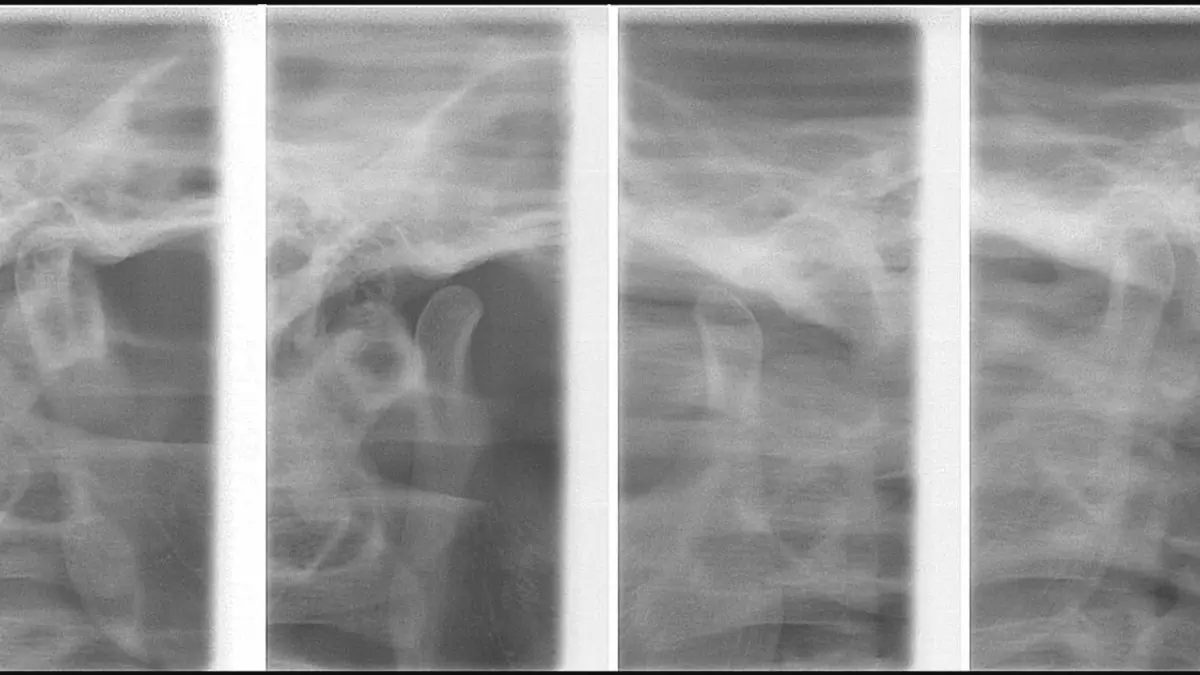
The NHS describes TMD symptoms such as jaw, ear or temple pain, clicking, limited opening and locking. Teeth grinding, clenching, stress, injury and joint wear can all contribute. A click by itself does not prove that the joint is damaged.
The US National Institute of Dental and Craniofacial Research separates disorders of the joint, chewing muscles and headache-like pain. That distinction matters because an essential oil cannot diagnose whether pain comes from muscle tension, arthritis, dental disease, nerve pain or another problem.
Camphor, eucalyptus and peppermint: interpreting blended-ointment trials
There are human studies of Ping On, a blended topical ointment. They should be considered, but cannot establish the effect of any one oil.
A 55-person, four-week trial reported pain improvement against petroleum jelly. Its improvement in comfortable mouth opening was not clinically significant (Li, Wong and Rabie, 2009).
A later eight-week trial involved 30 women with temporalis pain and headaches attributed to temporomandibular disorders. Pain ratings improved in every group, with no significant difference between treatments. Some pressure-test outcomes favoured the formulation. The comparators were coloured Vaseline and Vaseline with menthol; menthol is itself an active sensory ingredient (Frugone-Zambra and colleagues, 2018). These mixed results and small samples limit confidence. They do not show that an individual oil treats jaw-joint dysfunction.
Camphor oil for TMJ pain
Camphor was one ingredient in the blended ointment discussed below. There was no camphor-only treatment arm, so the findings cannot identify camphor’s contribution. Counterirritant sensations are not evidence of correction of the jaw joint. These studies do not justify applying neat camphor oil near the mouth or making a home version of the ointment.
Eucalyptus was included in the same multi-ingredient ointment, alongside other aromatic ingredients and a base. Neither trial compared eucalyptus alone with an otherwise identical placebo. There is therefore no separable eucalyptus result to support a TMJ claim. An inhaled scent also uses a different route from the studied topical product.
The ointment contained both peppermint oil and menthol. One comparison group in the later trial also received menthol, so calling every comparator inert would be misleading. Cooling or altered pressure sensitivity does not demonstrate that peppermint oil corrects joint dysfunction. The available comparisons cannot establish peppermint’s individual benefit.
Do not recreate the trial ointment or put essential oils inside the mouth, on broken skin or close to the eyes. A multi-ingredient trial is not a home-use recipe. NHS TMD guidance describes measures such as softer foods and avoiding chewing gum. Seek urgent advice if jaw symptoms prevent eating or drinking.
Search limitations: We checked web-indexed primary studies and authoritative guidance on 14 September 2026. This was a targeted review, not an exhaustive systematic search. Some older full texts were inaccessible. We distinguish abstract-level findings and do not treat failure to locate a trial as proof that no study exists.
Massage and aromatherapy studies often measure short-term pain or anxiety after a session. Touch, warmth, attention, rest and expectation can all contribute. A small change during a relaxed session does not show that lavender, peppermint or clove repairs the temporomandibular joint.
A systematic review of aromatherapy for pain describes heterogeneous studies with variable oils, routes and outcomes. It cannot establish a TMD-specific treatment. Evidence about dental clove preparations also concerns a defined product or temporary numbing, not neat clove oil rubbed into the jaw.
NCCIH describes aromatherapy as complementary. It does not list essential oil as a proven treatment for TMD. A scent can be an optional relaxation cue, but the claim must stay smaller than “realigns the jaw” or “dissolves inflammation”.
Individual oils for jaw pain: do the studies address TMD?
A study of anxiety or pain elsewhere in the body cannot establish a treatment for temporomandibular disorders. These comparisons identify what was actually tested and which questions remain unanswered.
Chamomile and jaw pain
A 2025 trial randomised 100 children undergoing dental pulp treatment to chamomile, lavender, peppermint or no-oil aromatherapy. Chamomile and lavender reduced anxiety scores more than the control, while oxygen saturation changes did not differ significantly (dental-anxiety trial). It measured anxiety during dental treatment, not jaw pain, chewing function or bruxism. Despite steps to conceal allocation, recognisable scents can complicate blinding.
A separate trial in 72 people with diabetic neuropathy reported improved neuropathy measures with topical chamomile oil added to continuing gabapentin (neuropathy trial). The abstract does not establish that an aromatherapy bottle matches the tested preparation. Nerve symptoms associated with diabetes are also a different problem from a temporomandibular disorder.
These studies support further research in their own settings. We did not locate a controlled trial establishing chamomile essential oil alone for TMD pain or improved jaw movement. Feeling less anxious at a dental visit is not proof that the jaw disorder has been treated.
A small menstrual-pain trial tested a cream blending clary sage, lavender and marjoram, with abdominal massage, against a fragranced cream. Forty-eight women participated. Pain scores improved in both groups, and pain duration shortened in the essential-oil group (Ou and colleagues). Neither the mixture nor the massage allows clary sage’s individual contribution to be identified.
A 2025 study in 72 people with diabetic foot ulcers compared inhaled clary sage, isolated linalyl acetate and almond oil. Some short-term psychological outcomes favoured different treatments in different depression-severity groups (randomised study). Its small subgroups, baseline differences and short observation period limit generalisation.
Neither study measured TMD, nocturnal grinding or jaw opening. An effect on a stress score does not establish that an oil relaxes the chewing muscles or treats a joint disorder. We did not locate a controlled clary-sage-only TMD trial.
A 2025 paper explicitly mentions myogenous TMD in its title, but it describes preclinical development of a gel. The formulation combined Boswellia serrata resin-derived silver nanoparticles with thymol, menthol and camphor (Suresh and colleagues). It was not frankincense essential oil alone.
The published abstract reports laboratory anti-inflammatory and antimicrobial activity, cell-viability testing and reduced pain-related behaviour in zebrafish. It does not report a controlled trial in people with TMD, and calls for further orofacial-pain models. Cell compatibility cannot establish long-term facial-skin safety or a clinical pain benefit.
This is a potential research direction, not proof that frankincense oil treats a painful jaw. Resin preparations, nanoparticles and distilled oil are different materials. We did not locate a controlled clinical trial establishing frankincense essential oil alone for TMD. Do not make or apply a home version of the experimental gel.
A randomised aromatherapy study included 361 people undergoing colonoscopy. Participants received grapefruit, lavender, Osmanthus fragrans, oil-free vapour or no inhalation (colonoscopy study). In participants reporting strong anxiety, abdominal discomfort was lower in the grapefruit and Osmanthus groups.
The abstract identifies an overall significant anxiety reduction for Osmanthus, not grapefruit. Its broad conclusion should not be read as proof that grapefruit consistently reduces anxiety in every patient. The grapefruit finding concerned discomfort in an anxious subgroup.
Colonoscopy discomfort is not TMD pain, and this trial did not measure chewing muscles, jaw movement or teeth grinding. We did not locate a controlled grapefruit-essential-oil TMD trial. A preferred scent may form part of someone’s relaxation routine, but the evidence does not establish a jaw-specific treatment.
A pilot study in 30 men with chronic prostatitis or pelvic-pain symptoms reported improvement after a month using a multi-ingredient suppository containing helichrysum and several other substances (2019 pilot study). There was no randomised comparison group, so the study cannot separate treatment effects from natural change or expectation, or identify helichrysum’s contribution.
Another experiment found improved healing with Helichrysum italicum oil formulations applied to skin wounds in diabetic rats (Andjić and colleagues). Skin-wound closure in an animal does not establish repair of a human jaw joint or relief of painful chewing muscles.
Neither study supports transferring the product, route or result to TMD. We did not locate a controlled human trial establishing helichrysum essential oil alone for jaw pain. Claims that it heals or regenerates the joint go beyond the available evidence.
NIDCR guidance favours conservative care and reducing habits such as clenching and gum chewing. It distinguishes joint disorders from chewing-muscle problems. NHS guidance advises urgent help if jaw symptoms prevent eating or drinking. Do not put essential oils inside the mouth or use a topical product to delay assessment of a locked or increasingly painful jaw.
Search limitations: Targeted Europe PMC and web searches using common and botanical names with sinusitis, rhinosinusitis, temporomandibular disorders, bruxism and pain, followed by citation checks, completed 15 September 2026. This is not an exhaustive systematic review. Full reports were checked for the mixed throat spray, children’s dental-anxiety trial and clary-sage psychological study. Other studies were appraised from indexed or publisher abstracts, limiting assessment of methods, safety and bias. The published Boswellia paper supersedes its earlier preprint. Failure to locate a trial does not establish that none exists.
Marjoram, sandalwood, tea tree and Valor for jaw pain
These comparisons distinguish stress markers, gum health and procedural anxiety from pain and function in temporomandibular disorders. Marjoram has small studies in people with bruxism, but their findings need particularly careful interpretation.
Marjoram and jaw pain
Two studies did enrol people with bruxism, so it would be misleading to say that marjoram has never been studied in this group. Both combined inhaled Origanum majorana oil with 21 sessions of NeurOptimal neurofeedback. The main oil-exposed groups contained only 12 people.
The 2019 study reported a decrease in the salivary enzyme myeloperoxidase after the first session. However, its discussion describes no overall enzyme effect after the complete course, and its conclusion acknowledges that perceived-stress scores did not differ between the trained groups with and without marjoram after 21 sessions. That limits its otherwise positive wording.
The 2024 report found cortisol changes during the combined programme and suggested an additional effect from the fragrance. These small, single-centre studies do not clearly describe random allocation or convincing scent blinding. Repeated saliva samples do not turn 12 participants into a large clinical trial. Their measured stress markers do not demonstrate fewer grinding episodes, less tooth damage or better jaw function.
A separate registered trial plans to compare a lavender, marjoram and vetiver blend with carrier oil, using massage and inhalation. Its record lists 64 planned participants, no masking and no posted results; it was active but not recruiting when checked on 15 September 2026. It may address symptoms and jaw-muscle measurements, but registration is not evidence of benefit and the blend cannot isolate marjoram.
Bruxism and TMD overlap in some people but are not interchangeable diagnoses. These findings warrant research, not a recommendation to treat a painful or locked jaw with marjoram or reproduce the experimental nasal-filter technique.
A 2006 palliative-care pilot compared sandalwood massage, carrier-oil massage and sandalwood delivered by an aroma device in 34 participants. The author described encouraging impressions but said the data were insufficient for coherent statistical conclusions; attrition was 25%. It cannot establish a reliable anxiety benefit, much less treatment of TMD.
A 2017 trial in 87 women undergoing breast biopsy found a greater reduction in self-reported anxiety with a lavender–sandalwood aroma tab than placebo. Anxiety also eased in all groups after the procedure. The positive result concerns a blend, a short clinical encounter and anxiety, not sandalwood alone, jaw pain or chewing-muscle activity.
We did not locate a controlled sandalwood-only TMD trial. Relaxation may be welcome when someone is uncomfortable, but these studies do not show that sandalwood stops grinding, improves mouth opening or treats a joint disorder.
Dental research does not automatically concern the jaw joint. A randomised study in 49 adults with gingivitis compared a prepared tea tree gel with chlorhexidine and placebo gels over eight weeks. Some gum-inflammation and bleeding scores improved in the tea tree group, but plaque scores did not improve and tended to rise later in the study.
These were gum-health outcomes. The study did not measure TMD pain, joint movement or teeth grinding. No adverse reactions were reported in this small trial, which does not establish that a retail essential oil is safe to put inside the mouth.
We did not locate a controlled tea-tree-oil TMD trial. NCCIH describes oral-care evidence as uncertain and warns that tea tree oil must not be swallowed. Do not apply bottled oil to gums or teeth to treat jaw pain; a dental assessment can distinguish gum or tooth disease from a jaw-muscle or joint problem.
Valor is a branded mixture, so the exact product matters. The European manufacturer page checked for this review lists black spruce, camphor wood, blue tansy, frankincense and geranium oils in a triglyceride base. Formulations described elsewhere may differ; evidence would need to match the product actually tested.
Targeted searches for Valor, Young Living, bruxism and temporomandibular disorders did not locate a controlled clinical trial establishing that this blend relieves TMD. The manufacturer’s descriptions of massage, confidence or an uplifting fragrance are not clinical jaw-outcome data. A study of another ointment or one ingredient cannot establish the effect of Valor as a whole.
In particular, claims about balancing the body or correcting jaw alignment need direct evidence of meaningful changes in pain and function. NIDCR favours conservative care and cautions about treatments that permanently alter the teeth, bite or jaw. An oil’s scent does not demonstrate a correction to jaw position. Do not use this blend inside the mouth or let a product claim delay assessment.
NIDCR guidance favours conservative care and reducing habits such as clenching and gum chewing. NHS guidance advises urgent help for difficulty opening the mouth, locking or inability to eat or drink. Essential oils should not be used inside the mouth or to delay assessment of jaw pain.
Search limitations: Targeted Europe PMC and web searches used common and botanical names with temporomandibular disorders, bruxism, tinnitus, hearing and related clinical outcomes, followed by citation checks, completed 15 September 2026. This is not an exhaustive systematic review. The two marjoram neurofeedback reports were read in full; other primary studies were appraised from indexed abstracts. The tinnitus pilot could only be checked through publisher-indexed excerpts and its bibliographic record, so its methods, exact oils and effect sizes remain unverified here. A trial registration was checked separately from published results. Failure to locate a trial does not establish that none exists.
What the NHS recommends first
The NHS suggests soft food, avoiding gum and nail biting, keeping the teeth apart when not eating, and using a wrapped ice or heat pack. Gentle massage of painful jaw muscles may help. A pharmacist can discuss paracetamol or ibuprofen if those medicines are suitable for you.
A dentist can assess tooth grinding, bite problems and dental causes. A physiotherapist may advise on jaw exercises and massage. A psychologist or pain specialist may help when stress, sleep or persistent pain is maintaining symptoms. Invasive treatment should not be chosen because an oil has failed.
Why neat oils can make the situation worse
Clove, peppermint and cinnamon oils can irritate the lips and facial skin. An oil applied inside the mouth can burn the lining, and a drop swallowed by a child can cause poisoning. NHS contact-dermatitis information explains why redness or itching after application is not a sign of healing.
Do not put oil into the ear, hold it against a painful tooth, inject it near the joint or combine it with a prescribed gel without checking with a dentist or pharmacist. Read our clove profile and safety guide for route-specific precautions.
Place the lavender trial within wider TMD care
Evidence update: 13 September 2026.
The lavender study included an almond-oil massage comparison, but the abstract does not provide all pairwise effect estimates. A guideline for chronic TMD pain supports supervised exercise, mobilisation and other established approaches. The oil finding should be considered preliminary within a diagnosis-specific care plan.
My verdict
The small massage and blended-ointment trials deserve consideration, including their negative and uncertain findings. They do not establish that an ordinary essential oil repairs the joint, fixes the bite or prevents chronic pain.
Use the NHS self-care measures, arrange dental or medical assessment when symptoms persist, and treat any scent as optional. Do not let a topical oil delay care for a locked jaw, facial swelling or a new neurological symptom.
Editorial responsibility and correction note
Editor:John Hamlen. This article has not been independently reviewed by a clinician.
Reference correction, 12 September 2026: Changes in this check: Replace unrelated PubMed record with verified intended paper. This was a targeted correction, not a comprehensive new review of every claim in this article.
Bottom line: Essential oils have not been shown to slow arthritis, repair cartilage, lower autoimmune activity or replace disease-modifying treatment. Massage with a diluted, known product may feel comforting for a short time, but the oil should not be presented as treatment for arthritis itself.
Seek prompt medical advice for a hot, swollen joint with fever, sudden severe pain, a new injury or loss of function. A painful joint can have causes that need examination, blood tests or imaging.
Arthritis is not one condition
The NHS uses arthritis to describe several conditions, including osteoarthritis, rheumatoid arthritis and gout. Their causes and treatments differ. A general claim that an oil is “anti-inflammatory” cannot identify which process is affecting a joint.
Osteoarthritis involves joint tissues and pain with activity. Rheumatoid arthritis is an inflammatory autoimmune disease that can damage joints without effective treatment. Gout is driven by urate crystals. Treating all three as the same problem risks delayed diagnosis and avoidable harm.
What the essential-oil evidence shows
Some oils and isolated molecules show antioxidant or anti-inflammatory activity in cells or animals. That does not demonstrate a clinically useful concentration in a human joint. A massage blend also combines touch, warmth, movement and expectation, so any short-term comfort cannot be assigned to the oil alone.
A review of aromatherapy for pain found varied methods and outcomes rather than a dependable disease-modifying effect. There is no good evidence that rubbing lavender, ginger, peppermint or frankincense oil lowers inflammatory markers enough to replace arthritis medicine.
Evidence about culinary ginger, turmeric supplements or a manufactured cream is not evidence for a distilled essential oil. The formulation, dose, route and outcome must match the claim. A cooling or warming sensation is not proof that cartilage, synovium or urate crystals have changed.
What established care looks like
NICE guidance for osteoarthritis emphasises tailored exercise, weight management where appropriate, information and suitable pain relief. NICE guidance for rheumatoid arthritis includes early specialist assessment and disease-modifying antirheumatic drugs. Those treatments protect function in a way an oil has not been shown to do.
NCCIH describes aromatherapy as complementary. Keep it separate from prescribed care, use ventilation and stop if it worsens asthma, nausea or headache. Do not apply neat oil to a hot, broken or swollen joint, cover it tightly, or swallow it to “flush inflammation”.
Essential oils can irritate or sensitise skin. NHS contact-dermatitis guidance explains why a rash after massage needs the product stopped. Our ginger profile separates culinary evidence from distilled oil, and the safety guide covers pregnancy, children, pets and medicine questions.
My verdict
Essential oils score 1/10 for arthritis treatment. Massage or a pleasant smell may support comfort, but no reliable evidence shows that essential oils alter osteoarthritis, rheumatoid arthritis or gout.
Get the type of arthritis identified, follow the relevant guideline pathway and use an oil only as an optional comfort measure that cannot delay assessment or proven treatment.
Editor:John Hamlen. This article has not been independently reviewed by a clinician.
Reference correction, 12 September 2026: Changes in this check: Replace unrelated PubMed record with verified intended paper. This was a targeted correction, not a comprehensive new review of every claim in this article.
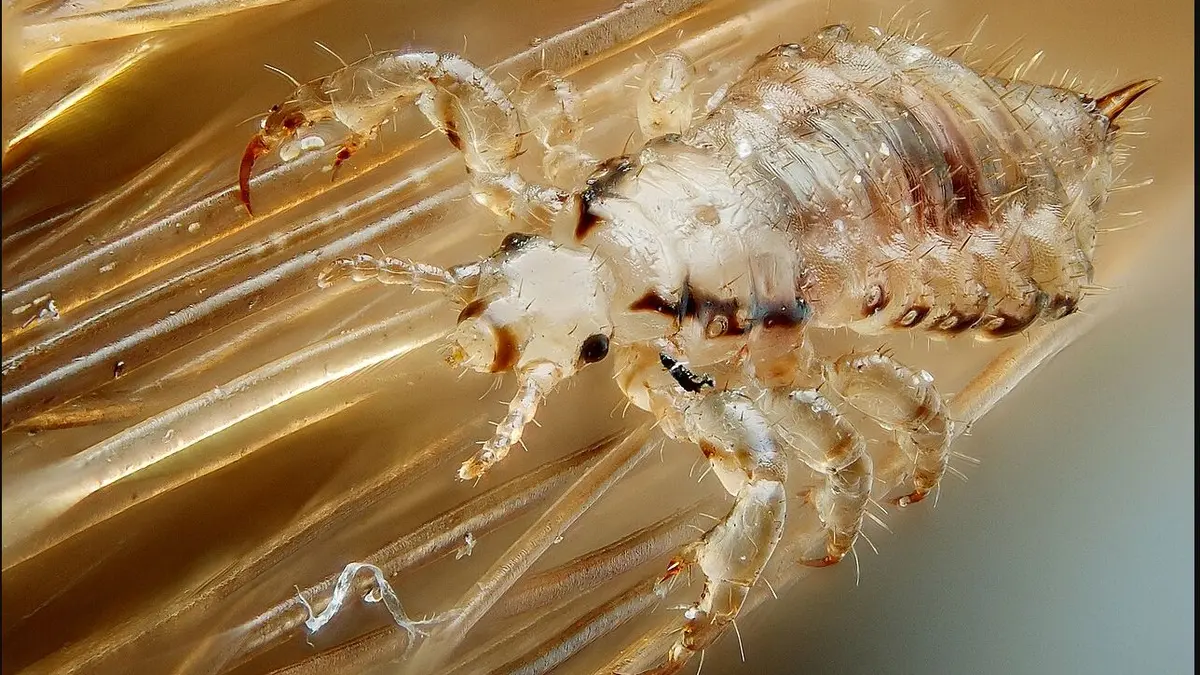
Bottom line: Essential oils are not a dependable head-lice treatment. The NHS specifically says plant-oil remedies such as tea tree, eucalyptus and lavender are not recommended. Wet combing or a licensed pharmacy treatment has a clearer evidence base.
Head lice are usually a nuisance rather than a medical emergency. Ask a pharmacist or GP for help if the scalp is badly inflamed, infected, or if repeated treatment has not worked. Do not put concentrated oil on a child’s scalp or near the eyes.
Head lice spread mainly through head-to-head contact. They are not a sign of dirty hair, and a child does not need to be kept off school once treatment has started. Checking close contacts and treating people with live lice on the same day is more useful than spraying a room or adding oil to shampoo.
What oil studies actually tested
Laboratory studies have exposed lice or eggs to concentrated tea-tree constituents, nerolidol or other plant chemicals. One laboratory study of tea tree oil and nerolidol does not show that a bottle used at home clears an infestation safely.
A clinical trial of a formulated tea-tree-and-lavender product tested a defined gel, concentration and treatment schedule. That trial cannot be transferred to neat oil, a diffuser or a homemade rinse. Product formulation matters because the dose reaching the scalp and the exposure of children are different.
The Cochrane review of head-lice interventions found limitations in the available trials. Small studies and different products make it difficult to compare botanical products with wet combing or licensed medicines. A temporary fall in moving lice is not the same as clearing eggs and preventing reinfestation.
What works more reliably
The NHS recommends wet combing on days 1, 5, 9 and 13, with a final check on day 17. If that is unsuitable or has not worked, a pharmacist can advise on a medicated lotion or spray. CDC information also describes over-the-counter and prescription treatments.
Follow the product leaflet exactly. Some treatments need a second application after a week. Do not use more product, combine treatments or apply it more often in the hope of overcoming resistance. Ask before treating babies, young children, pregnancy or a person with a scalp condition.
Never put neat oil in the ears, eyes or mouth, cover the scalp with an oil-soaked cap, or use a diffuser as a way to treat lice. A strong smell may make the room unpleasant without reaching lice at a proven dose. Stop any product that causes burning, swelling, wheeze or vomiting.
NHS contact-dermatitis guidance explains why a new itchy rash after oil application may be an irritant or allergy rather than evidence that lice are dying. Our safety guide covers dilution, children, pets and accidental ingestion.
My verdict
Essential oils score 1/10 for head-lice treatment. There are laboratory signals and a formulated-product trial, but not enough reliable evidence to recommend ordinary essential oil over wet combing or licensed pharmacy treatment.
Confirm live lice, use the NHS combing schedule or pharmacist advice, and repeat treatment when the leaflet says to. Keep concentrated oils away from children’s scalps and never use them to delay a safer, tested option.
Bottom line: Essential oils are not a proven treatment for poison ivy rash and can add irritation or allergy to already inflamed skin. The priority is removing plant resin from skin, clothing and equipment, then treating the contact dermatitis safely.
Do not put neat oil on a blistering rash, cover it with an oil-soaked dressing or use an essential oil to delay medical care. Get urgent help for breathing difficulty, facial swelling or a widespread severe reaction.
What poison ivy does
Poison ivy, poison oak and poison sumac contain urushiol, an oily plant resin that can cause allergic contact dermatitis. The plants are mainly a North American concern, but travellers can encounter them and similar plant reactions occur elsewhere.
The rash can be itchy, red, swollen or blistered. It is not spread by the blister fluid. Fresh resin on clothing, tools, shoes, pets or skin can cause further exposure, however, so washing and cleaning matter.
I found no convincing human clinical evidence that lavender, tea tree, peppermint or another essential oil shortens poison-ivy dermatitis or prevents its complications. Laboratory antimicrobial or anti-inflammatory findings are not evidence that an oil treats an allergic rash on a person.
Some oils contain chemicals that irritate skin or cause allergic contact dermatitis themselves. A second reaction can increase itching, blur the appearance of the original rash and make it harder to tell whether the condition is improving. Citrus oils can also cause photosensitivity.
Even a diluted product is not automatically safe on broken, blistered or weeping skin. Read the HealthWatchlist safety guide before using any aromatic product, and do not mix oils with steroid creams or other medicines unless a clinician or pharmacist tells you to.
What to do after exposure
Wash exposed skin promptly with soap and water, clean under fingernails and launder clothing that may carry resin. Wash pets or equipment carefully if they may have brushed against the plant. Avoid burning the plant because smoke can expose the eyes and airways.
Once the rash has appeared, cool compresses, moisturising treatments and advice from a pharmacist may help. The American Academy of Dermatology describes practical poison-ivy treatment and warning signs. A pharmacist or GP can decide whether a topical corticosteroid or another treatment is appropriate, especially when the rash covers a large area or affects the face, hands or genitals.
Do not scratch, cut blisters or use household solvents on the skin. Those actions can cause infection or a chemical injury without removing the immune reaction already under way.
When to get help
Speak to a pharmacist for a troublesome rash. See a GP if symptoms are persistent, recurrent or severe, or if the cause is uncertain. A rash that looks like poison ivy may instead be eczema, infection, shingles, a medicine reaction or another condition.
Call 999 for difficulty breathing, throat tightness, swelling of the lips or tongue, faintness or a rapidly worsening severe allergic reaction. Seek prompt advice if the eyes, mouth or genitals are affected, or if the skin becomes increasingly painful, hot or oozy.
Our related rashes review explains why the cause of a rash matters more than choosing an attractive-sounding oil. The hives review covers a different immune reaction and should not be used to self-diagnose poison ivy.
My verdict
Essential oils score 0/10 for treating poison-ivy rash. They may smell pleasant in a room, but they have no established role in removing urushiol or calming the underlying allergic dermatitis.
Wash the exposure, protect the skin, use appropriate pharmacist or clinical care and seek urgent help for airway or facial symptoms. A concentrated plant extract is a poor substitute for that sequence.
Bottom line: There is no credible evidence that essential oils treat the core symptoms of ADHD or replace assessment, educational support, talking therapies or prescribed medicine. A familiar scent may feel calming, but that is a much narrower claim.
Do not give a child essential oil by mouth, put neat oil on their skin or stop ADHD medicine because of a social-media recommendation. Keep bottles and diffusers away from children and pets.
Being distracted, energetic or restless occasionally does not establish ADHD. Assessment considers how symptoms affect daily life and whether another explanation, such as anxiety, sleep difficulty, autism, depression, a learning difficulty or stress, may be involved.
A bottle labelled “focus”, “calm” or “brain power” cannot diagnose ADHD. Nor can a temporary change in behaviour after a pleasant smell show that an oil has changed the underlying neurodevelopmental condition.
What does the essential-oil evidence show?
I found no reliable clinical evidence that a named essential oil improves validated core ADHD outcomes such as sustained attention, impulsivity, hyperactivity, executive functioning or school and work performance. Research about relaxation, sleep or general mood measures is indirect.
Small studies of scents can be difficult to interpret. Participants know whether they smell something, expectations can influence ratings and a calm setting may be part of the intervention. A change in a short attention task is not the same as a durable improvement in everyday functioning.
Evidence about vetiver, lavender or another individual oil must remain tied to the exact product, route and outcome studied. It cannot be combined into a general claim that essential oils treat ADHD. HealthWatchlist’s scoring method treats indirect and laboratory findings as weaker than well-designed human outcome research.
What established ADHD support looks like
NICE guidance covers diagnosis and management of ADHD. The appropriate plan depends on age, symptoms, impairment, preferences and coexisting conditions. It may include environmental adjustments, psychological support, parent or carer guidance and medicine started and monitored by an ADHD specialist.
The NHS suggests practical support such as regular sleep, enjoyable physical activity, a balanced diet, breaking tasks into shorter sections, clear instructions and help from school staff. These steps do not need an essential-oil product to be useful.
Adults who think ADHD may be affecting work, relationships or safety can speak to a GP about assessment. The NHS has a separate adult ADHD pathway. A child or young person may need support from a teacher or SENCO as well as a referral. Long waiting times are frustrating, but an untested oil is not a safe replacement pathway.
Safety around children and prescribed treatment
Essential oils are concentrated chemicals. Swallowing them can cause poisoning, and skin exposure can cause irritation or allergic contact dermatitis. Diffusers release volatile compounds into the air and may provoke coughing, headache or breathing problems.
Do not use an oil on a child’s face, near the nose or mouth, in a bath without appropriate advice or as a substitute for prescribed treatment. If a child swallows oil or develops breathing difficulty, seek urgent medical advice and take the bottle or label with you.
There is not enough evidence to assume that an oil is safe alongside every ADHD medicine. The American Academy of Pediatrics guideline emphasises monitored, multimodal care rather than untested products. Tell a pharmacist or prescriber about supplements, blends and regular aromatherapy. The precautions in our safety guide apply even when the marketing language sounds gentle.
When to seek help
Ask a GP, teacher or SENCO about assessment when attention, impulsivity or activity levels are persistently affecting learning, relationships, work, sleep or safety. Seek immediate help if someone is at risk of self-harm, severe distress or an acute medication reaction.
Do not delay an assessment because a child appears calmer while a diffuser is running. The useful question is whether support improves functioning over time and in more than one setting.
My verdict
Essential oils score 0/10 for treating ADHD. A scent may be a personal comfort or part of a bedtime routine, but current evidence does not support it as an ADHD treatment.
Use the NHS and NICE pathways for assessment and management. If you keep an oil at home, treat it as a concentrated fragrance product and store it accordingly.
Editor:John Hamlen. This article has not been independently reviewed by a clinician.
Reference correction, 12 September 2026: Changes in this check: Replace unrelated PubMed record with verified intended paper. This was a targeted correction, not a comprehensive new review of every claim in this article.
Short memory experiments do not establish treatment for ADHD or dementia
Evidence update: 14 September 2026.
A healthy-volunteer aroma study found different effects on memory quality and speed. A haemodialysis trial did not show significant between-group memory differences. Neither study establishes an ADHD or dementia treatment.
Bottom line: Essential oils have not been shown to increase the chance of conception, improve egg or sperm quality, open blocked tubes or treat infertility. A pleasant scent may feel relaxing, but that is not the same as improving fertility.
Do not swallow essential oils, put them in the vagina, douche with them or use them instead of fertility assessment. If you are pregnant or might be pregnant, ask a midwife, GP or pharmacist before using an essential-oil product.
What people mean by “fertility”
Fertility is not one single outcome. Conception can be affected by ovulation, age, semen quality, fallopian tubes, the womb, endometriosis, infections and other factors. Some couples are given a clear explanation, while others are not.
A product described as “balancing hormones”, “supporting the uterus” or “cleansing the reproductive system” is making a medical claim. The label does not establish that the product affects ovulation, sperm, implantation or live birth.
What does the essential-oil evidence show?
Research on aromatherapy during fertility treatment sometimes measures anxiety, sleep or perceived comfort. Those outcomes may matter to someone going through investigations or IVF, but they do not show that an oil improves ovarian response, fertilisation, embryo implantation or the chance of a baby.
I found no reliable clinical evidence that inhaled, topical or oral essential oil increases natural conception or improves an established cause of infertility. Research on a food, herbal extract, isolated molecule or mixed complementary programme cannot automatically be transferred to a bottle of essential oil.
The distinction matters because fertility treatment has a defined endpoint. A lower anxiety score after a massage is not evidence that an oil has changed reproductive biology. Our anxiety evidence guide explains why short-term comfort findings should not be turned into treatment claims.
What evidence-based fertility care involves
NICE fertility guidance recommends assessing both partners and matching treatment to the likely cause. Depending on the findings, care may include advice about timing, tests, treatment for ovulation problems, surgery, intrauterine insemination or IVF.
The NHS notes that fertility problems can affect either partner. Smoking, alcohol, weight, sexually transmitted infections and some environmental exposures can also matter. These are reasons for a proper conversation with a clinician, not for buying a stronger blend.
Be cautious with fertility lubricants and oils. A product that is safe on external skin is not automatically suitable inside the vagina or around sperm. Use a product intended for that purpose and ask a fertility team if you are unsure.
Do not use essential oil as a vaginal wash, pessary, douche or homemade lubricant. These routes can irritate tissue and disturb the normal vaginal environment. They may also delay assessment of thrush, bacterial vaginosis or a sexually transmitted infection.
Speak to a GP after a year of trying, or sooner if you are 36 or over, have irregular or absent periods, severe period pain, previous pelvic infection, repeated miscarriage, cancer treatment, testicular problems or another known risk.
Do not let a fertility product postpone an appointment. Earlier assessment can identify treatable causes and may prevent months of spending on supplements or oils that have not been tested for the outcome you want.
My verdict
Essential oils score 0/10 for the claim that they improve fertility or increase the chance of conception. There may be a comfort role for a familiar scent, but no established fertility treatment role.
Use the NHS and a licensed fertility service for diagnosis and treatment. Keep aromatherapy, if you choose it at all, separate from the medical question of whether conception is occurring.
Bottom line: “Adrenal fatigue” is not a validated medical diagnosis, and there is no scientific proof that everyday stress makes the adrenal glands run out of cortisol. Essential oils cannot restore adrenal hormones or treat adrenal insufficiency.
Do not use an essential-oil blend, supplement or saliva test as a substitute for medical assessment. Severe vomiting, dehydration, confusion, fainting or extreme weakness can be an emergency.
Why the term is misleading
The phrase “adrenal fatigue” is often used for tiredness, poor sleep, low mood, difficulty concentrating or cravings. Those symptoms are real, but they are non-specific. They can occur with sleep problems, depression, anaemia, thyroid disease, diabetes, medication effects, infection and many other conditions.
That conclusion does not mean that adrenal disease is imaginary. Addison’s disease and other forms of adrenal insufficiency are real conditions in which the body does not make enough important hormones. NICE clinical knowledge guidance treats them as conditions requiring proper testing and treatment.
What does aromatherapy research actually measure?
Aromatherapy studies sometimes measure fatigue, stress or perceived wellbeing. A 2022 meta-analysis included 19 trials in adults with chronic disease and reported a possible improvement in fatigue, but it also reported very high statistical heterogeneity. The studies used different oils, routes, populations and fatigue measures.
A scent may be part of a calming routine. That is a different claim from changing hormone production. Our sleep guide and anxiety guide explain why short-term comfort evidence needs to stay within its measured outcome.
A GP may arrange blood tests and refer someone to an endocrinologist. Specialist testing can include cortisol measurements and a Synacthen stimulation test. If adrenal insufficiency is confirmed, treatment uses prescribed steroid replacement. Essential oils have no role in replacing cortisol or aldosterone.
People already taking steroid replacement must not stop or change it because a seller promises to “support the adrenals”. Missing treatment can be dangerous, especially during illness, injury or surgery.
Why “adrenal support” products are risky
Supplements marketed for adrenal fatigue can contain several herbs, stimulants or glandular ingredients. Their dose and purity may vary, and they can interact with prescribed medicines. A natural label does not make an untested hormone claim safe.
Arrange a GP appointment for persistent or unexplained exhaustion, weight loss, recurrent dizziness or darkening skin. Do not wait for a home “adrenal panel” if you feel seriously unwell.
The NHS describes adrenal crisis as a medical emergency. Call 999 if someone with known or suspected adrenal insufficiency becomes severely dizzy or confused, faints, has severe abdominal or side pain, repeated vomiting or diarrhoea, profound weakness or loss of consciousness.
My verdict
Essential oils score 0/10 for treating “adrenal fatigue” or adrenal insufficiency. Aromatherapy may be a personal relaxation choice, but it cannot diagnose a hormone disorder or replace steroid treatment.
If fatigue is persistent, the useful next step is a medical assessment that looks for a real, treatable cause. A reassuring aroma is not a hormone test.
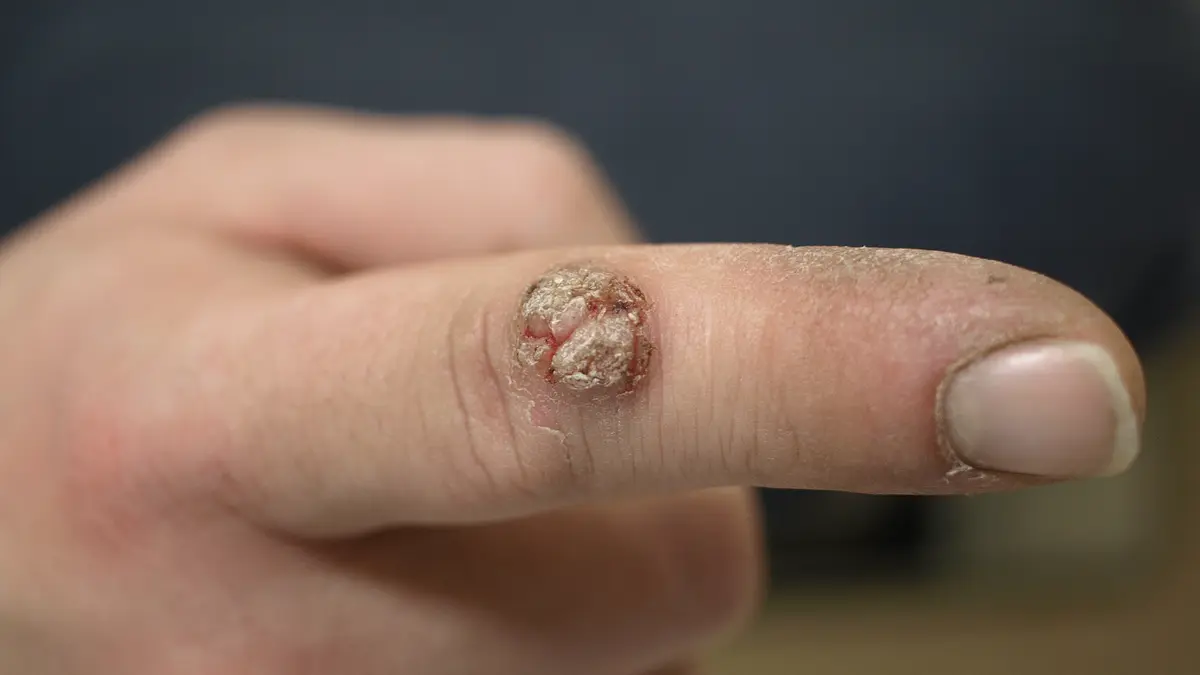
Bottom line: There is no good clinical evidence that an essential oil removes ordinary skin warts or verrucas. Warts often disappear without treatment, while pharmacy treatments such as salicylic acid have a modest evidence base.
Do not put neat essential oil on a wart, burn it, cut it out or use a home mixture on the face or genitals. A changing, bleeding, unusually painful or uncertain growth needs proper assessment.
Many warts clear by themselves, but this can take months or years. That natural history makes personal stories difficult to interpret. If a wart disappears after someone starts using an oil, the timing does not show that the oil caused the clearance.
Tea tree, oregano, thuja and other oils are sometimes promoted for warts. I found no convincing randomised human trial showing that a named essential oil reliably clears common warts or verrucas. Laboratory antiviral activity, a case report or a traditional-use claim cannot establish a safe treatment for a person.
The review found that cryotherapy was more painful and was not consistently better than salicylic acid. More aggressive freezing may improve clearance while increasing pain, blistering and scarring. Those findings concern clinical wart treatments, not a reason to improvise a stronger oil application.
Evidence about tea tree oil’s identity and safety should also be kept separate from evidence about a particular wart outcome. An oil can have antimicrobial or irritating properties in a laboratory without removing a wart in real skin.
What usually makes sense instead?
If a wart is not troublesome, waiting is reasonable. If it is painful, keeps returning or is embarrassing, a pharmacist can discuss a licensed treatment. NHS advice notes that pharmacy creams, plasters and sprays may take up to three months and can irritate the skin.
Salicylic-acid products must be used exactly as their label says. Do not apply them to the face, and ask a pharmacist or clinician before treating a child, a person with reduced sensation, poor circulation, diabetes or a weakened immune system.
A GP may offer freezing or refer a persistent, large or painful lesion to a dermatologist or podiatrist. The correct diagnosis matters because not every rough or dark growth is a wart.
Do not seal an oil under a plaster, apply it to broken skin or combine several oils with acids, alkalis or freezing products. Swallowing oil is unsafe and cannot treat a skin infection from inside the body. The general precautions in HealthWatchlist’s essential-oil safety guide apply here.
Do not keep treating a lesion at home because an oil seller calls it a wart. A diagnosis is particularly important if you have many lesions, take immune-suppressing medicine or have a condition that affects healing.
My verdict
Essential oils score 1/10 for the precise claim that they treat ordinary warts or verrucas. The score reflects the absence of convincing clinical evidence, not proof that every oil has no biological activity.
For a bothersome wart, use a recognised pharmacy or clinical option and allow time for it to work. Treat an essential oil as a fragrance product, not as a wart medicine.
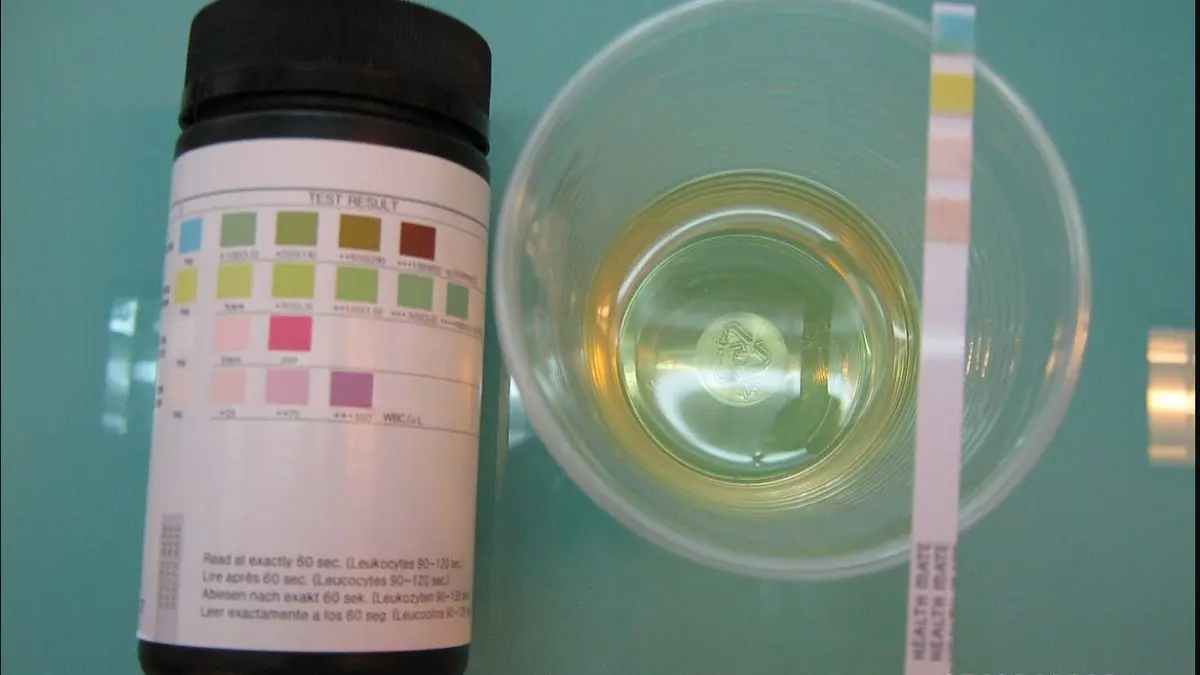
Bottom line: Essential oils do not have good human evidence as treatments for urinary tract infection. Laboratory activity against bacteria does not make an oil safe to swallow, insert or apply around the urethra.
Seek urgent advice for UTI symptoms with fever, shivering, back pain, blood in the urine, pregnancy, diabetes or a weakened immune system. Confusion, drowsiness or difficulty speaking needs 999 or A&E.
A UTI is not an infection an oil can reach from the skin
UTIs can affect the urethra, bladder or kidneys. Most are caused by bacteria entering the urinary tract, commonly from the bowel.
Burning, urgency and frequent urination can also occur with vaginal irritation, sexually transmitted infection or other bladder problems. That overlap is another reason a scented or irritating product can confuse the situation.
Rubbing diluted oil on the lower abdomen cannot deliver a reliable antibacterial concentration inside the bladder. Applying it near the urethra may irritate delicate tissue and make burning feel worse.
Swallowing oil is not a solution. Concentrated tea tree, eucalyptus, oregano and other oils can be toxic, and their doses are not established UTI treatments.
Why laboratory results sound more useful than they are
Researchers can expose bacteria to oregano, thyme, cinnamon, clove, tea tree or isolated constituents in a laboratory. Some oils inhibit organisms, including strains of Escherichia coli.
A laboratory result does not show that the substance reaches the bladder at an effective concentration after normal use. It also does not establish dosing, interactions, tissue safety or clinical cure.
Even an oil that inhibits one bacterial strain may not work against the organism causing a particular person’s symptoms. Resistance, contamination and non-infectious causes also complicate the picture.
Antimicrobial resistance makes careful antibiotic use important, but it does not make an untested oil an effective alternative. A treatment must reach the infection, improve symptoms and clear bacteria without unacceptable harm.
Oregano and tea tree for UTI: research models versus patient treatment
Studies using similar plant names can test very different products. A formulated cream, isolated constituent, herbal infusion and distilled oil need separate judgements. The comparisons below distinguish patient outcomes from laboratory findings.
Oregano oil for UTI
Oregano has promising laboratory activity against some urinary bacteria. In a 2017 screen of 79 oils, oregano and red thyme reduced biofilm formation and several virulence-related behaviours in uropathogenic E. coli (Lee and colleagues). Preventing a laboratory biofilm is not the same outcome as curing an established bladder infection.
A 2019 study examined stationary-phase E. coli, a laboratory model enriched in slow-growing bacteria. Oregano was active and helped some antibiotic combinations, but the effect was not universal. The authors found no apparent enhancement with fosfomycin, meropenem or cefdinir (Xiao and colleagues). This does not provide a clinical combination regimen.
A 2026 paper with “treatment of bacteria-induced cystitis” in its title modelled possible molecular targets and pathways. It was computational research, not a trial in patients (molecular-mechanism study). Neither this modelling nor direct bacterial exposure establishes a safe dose that reaches the human bladder. We did not locate a controlled human trial showing that oregano oil cures a UTI.
A 2020 experiment tested oils against urinary bacteria in artificial urine. Tea tree and thyme were active, including against antibiotic-resistant strains. Combinations increased activity of fosfomycin and pivmecillinam against E. coli, but not nitrofurantoin (Loose and colleagues). These were laboratory comparisons, not patients receiving treatment.
A 2026 study used four E. coli isolates obtained from patients and a Foley-catheter laboratory model. Tea tree reduced attachment and biofilm formation, while expression of a biofilm-associated gene increased. It also measured effects on cultured cells (isolate and catheter-model study). Taking samples from patients does not turn those experiments into a treatment trial.
The findings cannot establish safe bladder exposure, clinical cure or home catheter care. Do not put tea tree oil into a catheter or use it around the urethra. NCCIH warns against swallowing tea tree oil and notes that topical use can cause irritation. The NHS care pathway below remains the appropriate next step for suspected UTI.
A substance must reach the infection at an effective, tolerable exposure before laboratory activity can translate into treatment. We did not identify a controlled patient trial establishing either oil as a UTI cure in this targeted search.
NHS guidance advises urgent help for suspected UTI with diabetes, pregnancy, fever or shivering, back pain under the ribs, blood in the urine, or rapid deterioration. Confusion, drowsiness or difficulty speaking needs 999 or A&E. Do not delay assessment to try an oil.
Search limitations: This targeted review was completed on 14 September 2026. We searched web-indexed primary literature and Europe PMC, then followed relevant citations. It is not an exhaustive systematic review. Some papers were available only as abstracts, and unpublished studies were not systematically searched. Failure to locate a patient trial is not proof that none exists.
Seven more oils for UTI: checking the preparation and outcome
Antibacterial experiments, traditional medicinal use and studies of other urinary symptoms answer different questions. These comparisons explain what the individual sources can support.
Bergamot oil for UTI
Bergamot has laboratory antimicrobial research, but the phrase “clinical isolates” can be misleading. In a 2022 study, researchers exposed bacteria and fungi obtained from clinical specimens to a distilled bergamot extract. They measured microbial survival over time and examined structural damage with microscopy (Quirino and colleagues). The patients themselves were not treated.
The study supports investigating that preparation. It does not establish symptom relief, clearance of bacteria from urine or prevention of recurrent infection in people. A distilled extract also cannot automatically represent every expressed peel oil sold for fragrance.
We did not locate a controlled patient trial establishing bergamot oil as a UTI treatment. Its laboratory activity should not be converted into instructions to swallow it or apply it to the urethra. Product processing and route matter, and the linked profile explains the separate skin and sunlight risks.
A 2019 screen tested 140 essential oils against stationary-phase uropathogenic E. coli, a laboratory population containing slow-growing bacteria. One product labelled Syzygium aromaticum, the clove species, was among the stronger hits, while a product labelled clove bud required a higher concentration for activity (Xiao and colleagues). Product-specific results should not be treated as a guarantee for every clove bottle.
The experiment is relevant to research on persistent bacteria, but it did not measure clinical cure or recurrent UTI in patients. Exposure of bacteria in a laboratory vessel does not establish whether an effective and tolerable concentration can reach a person’s bladder.
Other urinary-bacteria studies tested ethanolic clove extracts: a 2020 study used 221 isolates, and a 2021 comparison found that an extract outperformed commercial oil at matched eugenol content (2020 isolate study; 2021 extract–oil comparison). These were not patient treatment trials.
A 2025 experiment found activity from a thyme–clove commercial blend against one urinary Klebsiella isolate, but could not isolate clove’s contribution (single-isolate report). A 2026 study found that combining an ethanolic clove extract with ciprofloxacin was antagonistic in its laboratory assay (Mukti and colleagues). That finding concerns a particular extract and assay, not a demonstrated clinical interaction; it cautions against assuming that an herbal product always helps an antibiotic.
The same paper’s antibiotic-combination experiments concerned oregano. They should not be attributed to clove or used to suggest adding clove oil to a prescribed antibiotic. We did not locate a controlled patient trial establishing clove oil as a UTI treatment.
A 2014 study compared Mediterranean cypress essential oil with a methanol extract of the same plant. The oil showed moderate antibacterial activity, while the extract generally had stronger activity. The oil did not show anti-Candida activity in that experiment (Selim and colleagues). A solvent extract is not interchangeable with distilled essential oil.
The researchers also investigated biofilms, including material on an intravenous infusion tube. Those were laboratory experiments, not a trial of treating bladder infection or a urinary catheter in patients. A result on one artificial surface cannot establish safety or efficacy inside the urinary tract.
These findings provide a reason for further product research, not an established cypress UTI remedy. We did not locate a controlled patient trial showing clinical cure with cypress essential oil. Do not put oils into a catheter or use the laboratory concentrations as home-treatment instructions.
There is also directly relevant negative laboratory evidence. A 2025 report tested frankincense oil, labelled Boswellia carteri, against a Klebsiella pneumoniae strain isolated from one patient’s urine. Frankincense showed no measurable inhibitory activity, although several other oils did (Mihu and colleagues). One isolate cannot represent every infection, but this result does not support a broad antibacterial claim. Despite “case report” in its title, the oil comparison took place outside the patient.
Some human Boswellia research concerns urinary symptoms, but that does not necessarily mean urinary infection. A prospective study enrolled 509 men with lower urinary tract symptoms related to benign prostatic obstruction. It compared prescribed Serenoa repens extract alone with the addition of suppositories containing propolis polyphenols and Boswellia serrata extract. Six-month data were available for 371 participants (clinical report on prostate-related urinary symptoms).
The authors reported symptom improvements, but this was a combined treatment for a different problem. The abstract does not describe random allocation, and the loss of follow-up limits confidence. It cannot isolate Boswellia’s contribution or establish clearance of bacterial infection.
Boswellia extract in a suppository is also different from frankincense essential oil. We did not locate a controlled patient trial establishing frankincense oil as a UTI treatment. Persistent urinary symptoms deserve assessment rather than assuming that an anti-inflammatory or prostate study provides an infection remedy.
Juniper differs from oils with only a laboratory rationale. The EMA monograph recognises a traditional medicinal use of defined juniper oil preparations to increase urine flow as an adjunct for minor urinary complaints. This indication rests on longstanding use, rather than established clinical efficacy (EMA monograph). Increasing urine volume is not the same as demonstrating that an infection has cleared.
The EMA’s 2020 review found no new clinical information requiring a change to that monograph (assessment addendum). That review covered earlier evidence; it is not proof that no later research exists. Our targeted search did not locate a controlled patient trial establishing UTI cure with juniper essential oil.
The monograph excludes use in severe kidney disease and when fluid intake must be restricted, and does not recommend use during pregnancy or breastfeeding. It calls for professional assessment if fever, painful urination or blood in the urine occurs. Its medicinal-product directions should not be translated into swallowing a retail aromatherapy oil.
A 2020 study tested cajeput, lemongrass, tea tree and thyme oils against seven urinary bacterial species in artificial urine. All four had bactericidal activity, but tea tree and thyme were more effective than lemongrass and cajeput. Antibiotic-resistant strains showed similar susceptibility to antibiotic-sensitive strains under the experimental conditions (Loose and colleagues).
This is a useful laboratory result, not evidence that lemongrass cures resistant infection in people. Artificial urine cannot reproduce every feature of the bladder, drug metabolism, tissue exposure or irritation. The study did not establish an oral or topical treatment route.
The reported oil-combination and antibiotic-synergy experiments used tea tree and thyme. Those results should not be transferred to lemongrass. We did not locate a controlled patient trial showing that lemongrass essential oil improves UTI symptoms, clears urine cultures or prevents recurrence. Follow the appropriate care pathway rather than adapting the laboratory preparation.
A 2024 study investigated Santalum album essential oil as a food-preservation ingredient. It found antimicrobial activity in laboratory tests and examined Salmonella biofilms. Further experiments included vacuum-packed carrot slices, where the oil showed anti-Salmonella activity (Verešová and colleagues).
These findings are relevant to developing food-preservation systems. They do not show that sandalwood treats a bladder infection. Food surfaces, laboratory biofilms and the human urinary tract are different environments, with different exposure and safety requirements.
Even when a study includes a bacterial species that can cause human disease, its setting and outcomes still matter. We did not locate a controlled patient trial establishing UTI cure or recurrence prevention with sandalwood essential oil. Antimicrobial activity in food research cannot supply a safe dose to swallow, apply to genital tissue or put into a catheter.
None of these comparisons establishes a home essential-oil treatment for an active UTI. Do not swallow aromatherapy oils, apply them to the urethra or put them into catheters. Suspected infection needs an appropriate assessment; a laboratory result does not justify delaying care.
NHS guidance advises urgent help for suspected UTI during pregnancy, with diabetes, a catheter, fever or shivering, back pain under the ribs, blood in the urine, or rapid worsening. Confusion, drowsiness or difficulty speaking needs 999 or A&E. A pharmacist can advise eligible women with uncomplicated symptoms; antibiotics are sometimes, but not always, needed.
Search limitations: Targeted web and Europe PMC searches with citation follow-up on 14 September 2026; not an exhaustive systematic review or unpublished-trial search. Some findings use indexed abstracts. Full texts were retrieved for bergamot, cypress, lemongrass and sandalwood, and the EMA monograph and addendum were read. Retrieval failures limited some follow-up searches; no unlocated trial is assumed not to exist.
What human evidence is missing
Reliable treatment evidence would need properly diagnosed participants, a standardised product, a comparison group, microbiological outcomes and careful recording of adverse effects.
The familiar online lists do not provide that evidence. They often move from an in-vitro result to a recipe without showing that the recipe cures infection in people.
A pharmacist can assess many non-pregnant women aged 16 to 64. Men, children, pregnant people, adults aged 65 or over and people with diabetes or catheters need the route advised by the NHS.
Rest, adequate fluid and paracetamol may help symptoms when appropriate. These measures do not prove that an infection has cleared, and worsening symptoms need reassessment.
Take prescribed antibiotics exactly as directed and seek advice about missed doses or side effects. Do not save tablets for a later episode or share them with someone whose symptoms look similar.
Treatment of an active UTI and prevention of recurrent infections are different questions. Evidence discussed for cranberry, vaginal oestrogen or other preventive measures cannot be transferred to essential oils.
Avoid fragranced intimate washes and essential oils around the genitals. Keeping the area clean with water is enough, and scented products can create irritation that resembles infection symptoms.
Dark or strong-smelling urine alone may reflect too little fluid rather than infection. When it occurs with pain, urgency, fever or other symptoms, use the appropriate NHS assessment route instead of relying on smell.
When not to wait
Ask for urgent GP or NHS 111 help for a very high or low temperature, shivering, pain under the ribs, blood in urine or symptoms that worsen quickly.
Urgent advice also applies during pregnancy, with diabetes, with a catheter or weakened immunity, and when symptoms fail to improve within 48 hours of starting treatment. The European Association of Urology guideline likewise separates uncomplicated bladder symptoms from systemic infection and risk factors.
My verdict
Essential oils can look impressive in antimicrobial laboratory studies. No good evidence shows that home aromatherapy preparations safely cure infection in the human urinary tract.
Use the NHS assessment route that fits your circumstances. Do not swallow essential oil or apply it to genital tissue in an attempt to treat a UTI.