
This is the main index for HealthWatchlist’s practical essential-oil guides. It covers diffusers, product labels, suppliers and safer use. Questions about treating a symptom or condition belong in the Evidence Matrix and Conditions section.
Choose the right kind of guide
Using and cleaning diffusers
Diffuser guides explain what ultrasonic, nebulising, passive and heat devices do, how their output differs and what maintenance is required. A diffuser releases fragrance compounds into indoor air; it is not automatically a humidifier, purifier or disinfectant. Start with the device instructions and use the least output that provides the scent you want.
Comparing products
Buying guides focus on verifiable features: tank access, timers, shut-off, electrical information, replacement parts, botanical identity, ingredients and batch traceability. They do not turn unsupported wellness promises into ranking points.
Reading health claims
When a product claim names sleep, anxiety, infection, pain or another health outcome, use the Evidence Matrix or the relevant condition guide. Research on a plant, food, isolated constituent or laboratory culture cannot automatically prove that a retail essential oil works when inhaled or applied.
All practical guides

25 Essential-Oil Scent Ideas for Hand Soap: Safety First
Twenty-five restrained scent directions, plus the formulation, preservation and cosmetic-safety limits that a drop recipe misses.
Read the guide
ArtNaturals Essential Oils Review: Labels, Testing and Claims
An independent review of what ArtNaturals currently discloses about identity, testing, labels, safety and essential-oil claims.
Read the guide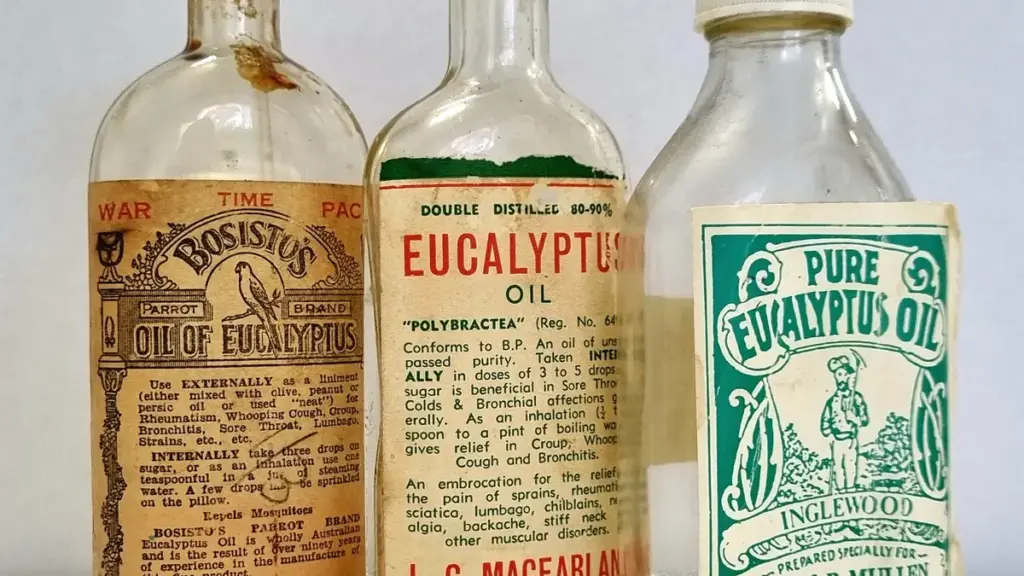
Best Essential Oil Brands: How to Compare Suppliers
A practical framework for comparing essential-oil suppliers by identity, batch traceability, testing, labels and responsible claims.
Read the guide
Best Essential Oil Diffusers for Large Rooms
How to compare output, timers, tank access and realistic coverage claims when choosing a diffuser for a larger room.
Read the guide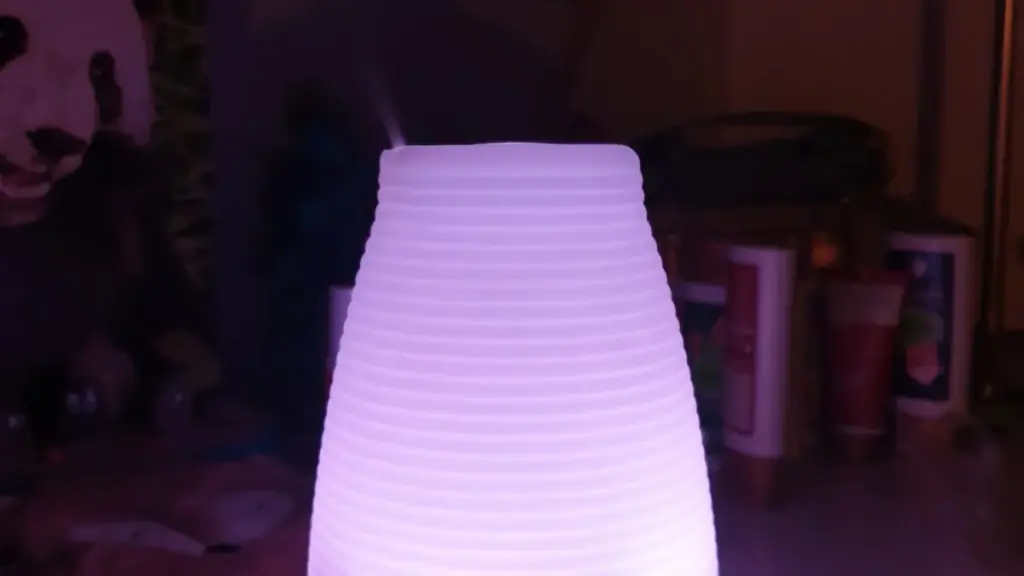
Best Essential Oil Diffusers: How to Choose the Right Type
A practical comparison of ultrasonic, nebulising, heat and passive diffusers, with a buying checklist and realistic safety limits.
Read the guide
Can You Add Essential Oils to a Burning Candle?
Why essential oil must never be added to a lit candle or hot melt pool, with safer guidance for candle making and room scent.
Read the guide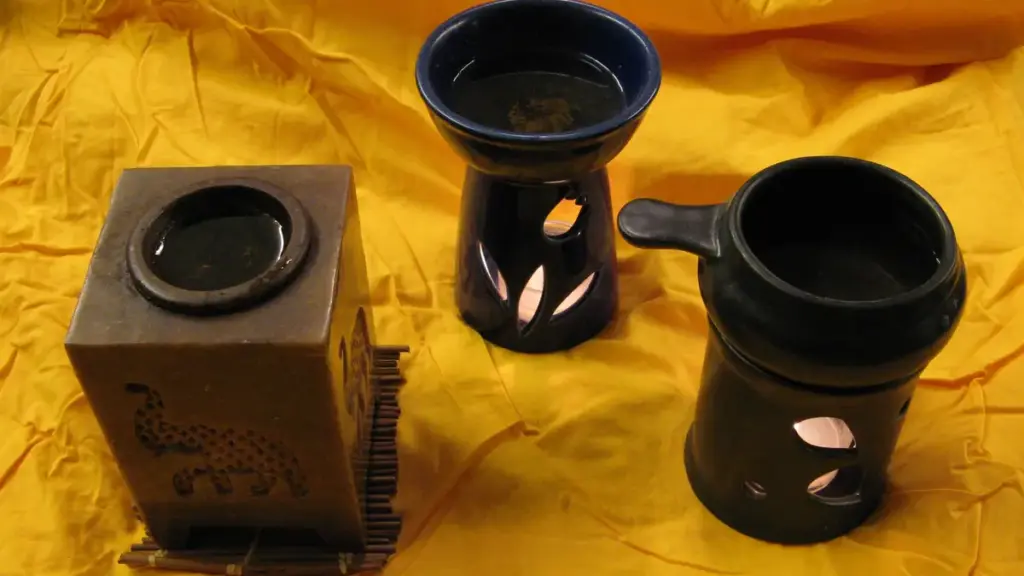
Can You Put Essential Oils in a Wax Warmer?
How wax warmers, oil burners and ultrasonic diffusers differ, and why the appliance instructions determine what belongs in the dish.
Read the guide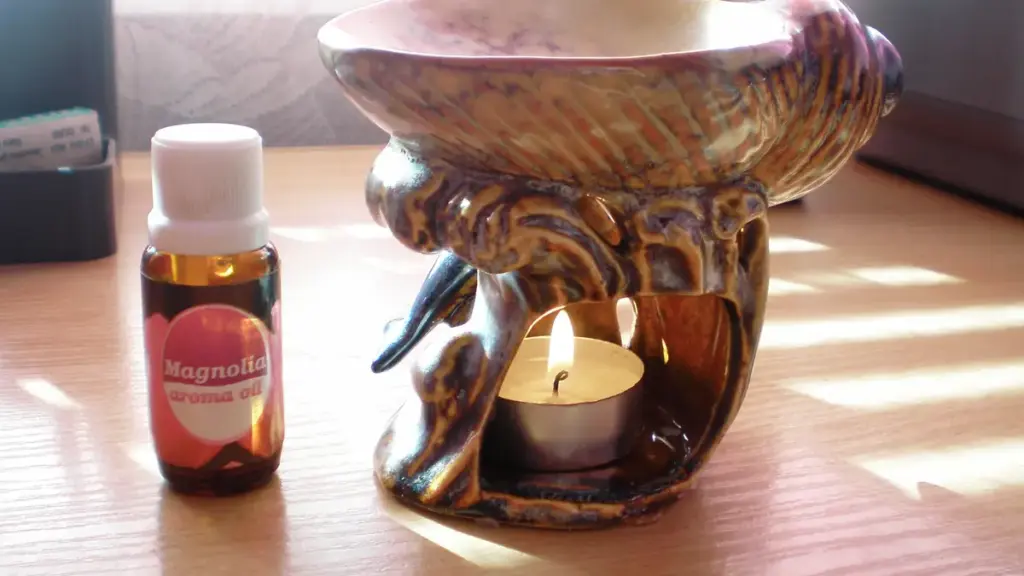
Dangers of Essential Oil Diffusers: What the Evidence Says
A sourced guide to airborne exposure, irritation, poisoning, spills, water hygiene, fire risks and safer household diffuser use.
Read the guide
Diffuser vs Humidifier: Which Should You Buy?
A practical comparison of humidifiers and essential-oil diffusers, including purpose, output, maintenance, air quality and realistic health claims.
Read the guide
Do Essential Oils Work? A Claim-by-Claim Answer
Why the answer depends on the oil, preparation, route and outcome, with human evidence separated from laboratory results and tradition.
Read the guide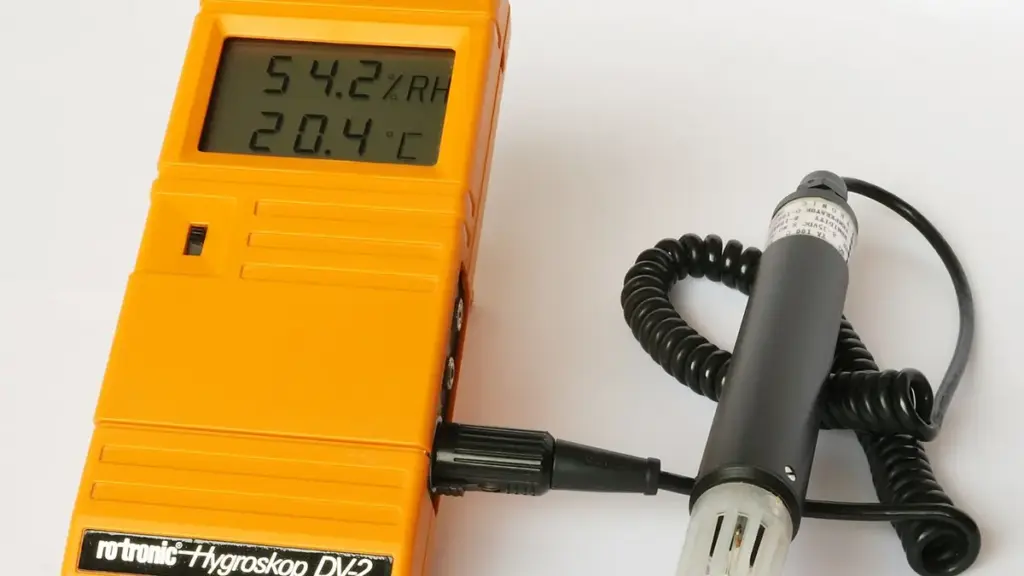
Do Essential-Oil Diffusers Humidify a Room?
Why an ultrasonic diffuser releases some water but rarely provides measured, controlled whole-room humidification.
Read the guide
doTERRA Blend Names: A Label-Led Guide
How to identify doTERRA blends by current UK labels, ingredients, format and intended use rather than memorising an old list.
Read the guide
doTERRA Petal Diffuser Review: Specifications, Use and Limits
An independent, specification-led review of the doTERRA Petal diffuser, with practical checks and realistic health and air-quality limits.
Read the guide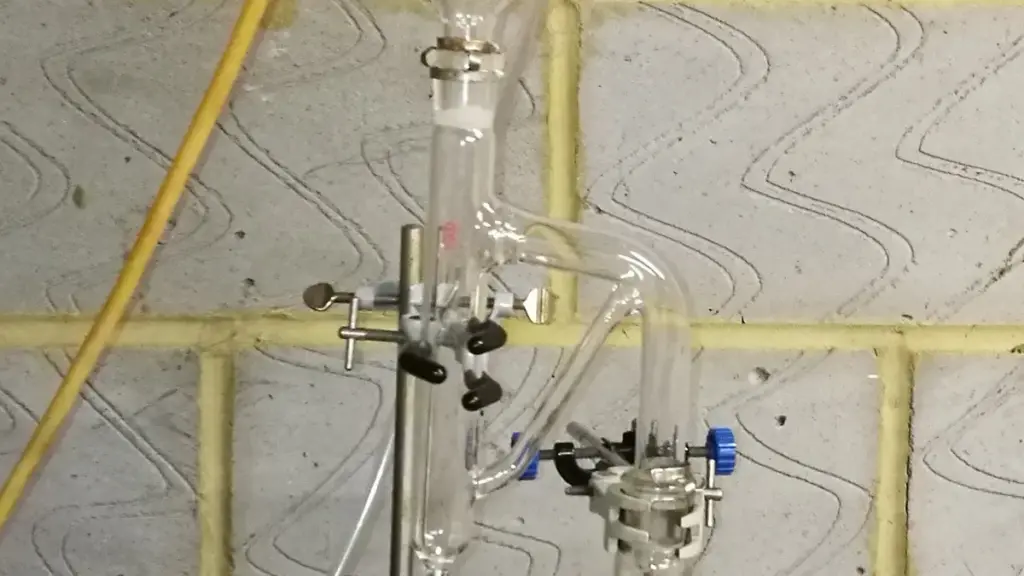
Edens Garden Essential Oils Review: Testing, Labels and Claims
An independent review of Edens Garden’s public batch reports, product information, safety material and health claims.
Read the guide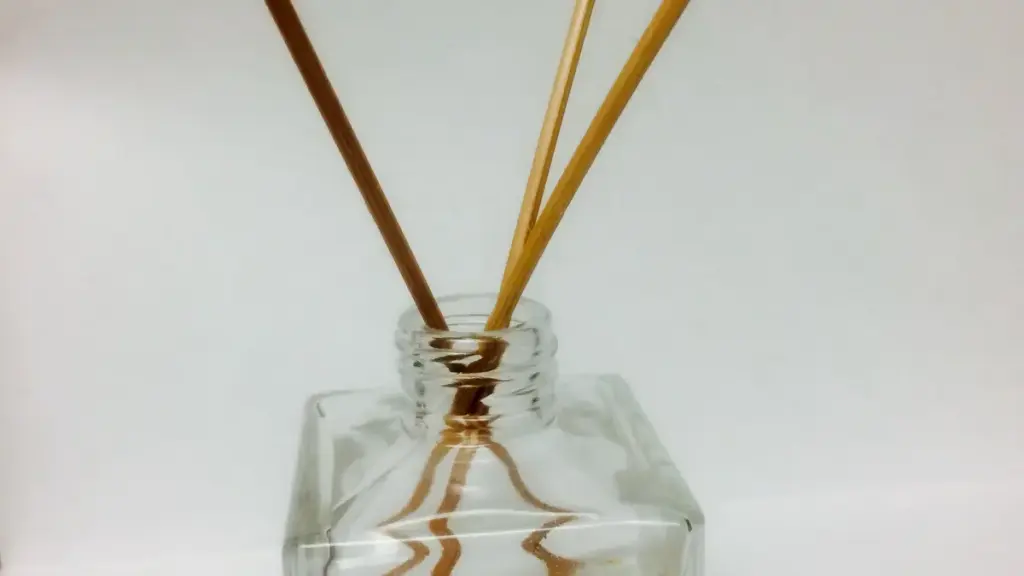
Essential Oil Diffuser Benefits: What Does the Evidence Show?
HealthWatchlist verdict: An essential oil diffuser adds fragrance to a room. Some aroma studies report better short-term relaxation or perceived sleep quality, but they do not establish every…
Read the guide
Essential Oils and Cats: Toxicity, Diffusers and Safer Decisions
How cats can absorb essential oils, why active diffusers add exposure routes and what to do after a suspected poisoning.
Read the guide
Essential Oils for Ants: Do They Work?
Laboratory research suggests that some oils can deter ants briefly, but household control still depends on sanitation, exclusion and correctly used baits.
Read the guide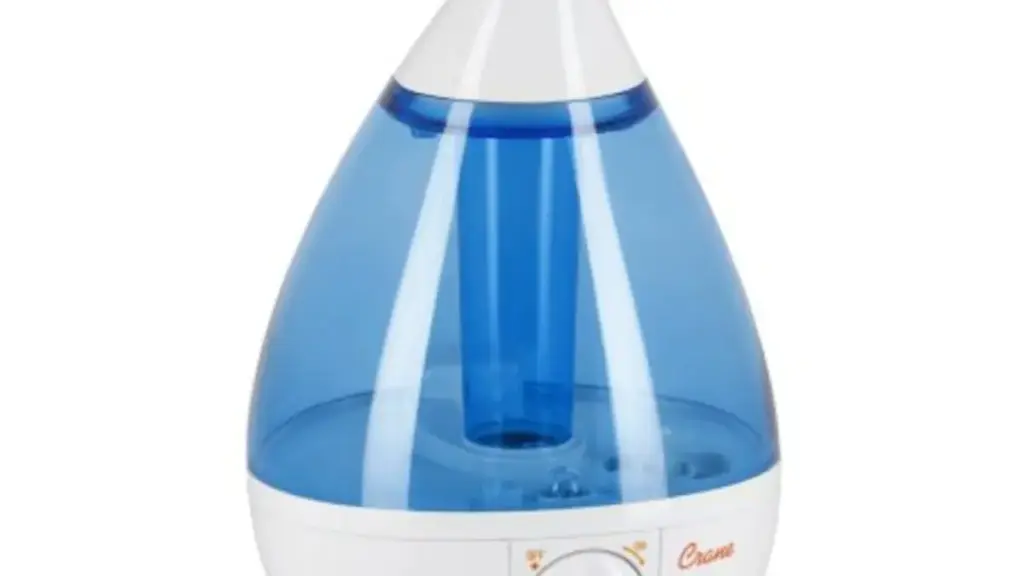
How Do Essential Oil Diffusers Work?
What ultrasonic, nebulising, heat and passive diffusers put into the air, and why a diffuser is not the same as a humidifier.
Read the guide
How to Make an Essential-Oil Room Spray Safely
Why essential oil and water are not a stable room spray, and how a documented pre-formulated base reduces avoidable preservation and exposure risks.
Read the guide
How to Use a Reed Diffuser Safely
Three practical steps covering placement, reed setup, spills, exposure, refills and the safety of children and pets.
Read the guide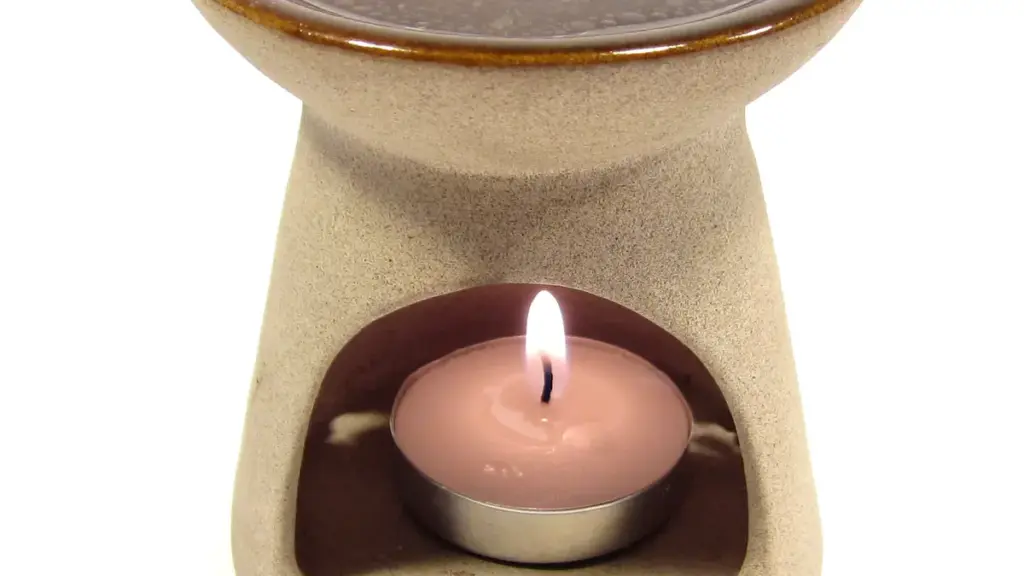
How to Use an Essential Oil Diffuser Safely
A practical guide to choosing a location, following device instructions, limiting exposure, cleaning the reservoir and recognising when to stop.
Read the guide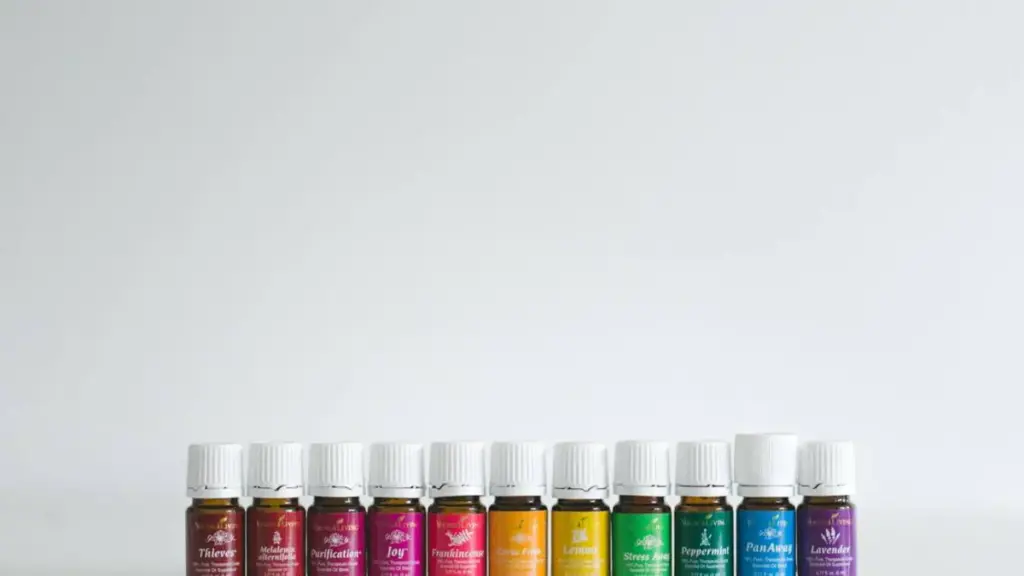
How to Use Essential Oils: A Practical Safety Guide
How to approach diffuser, skin and household use without confusing fragrance, concentrated oils and regulated treatments.
Read the guide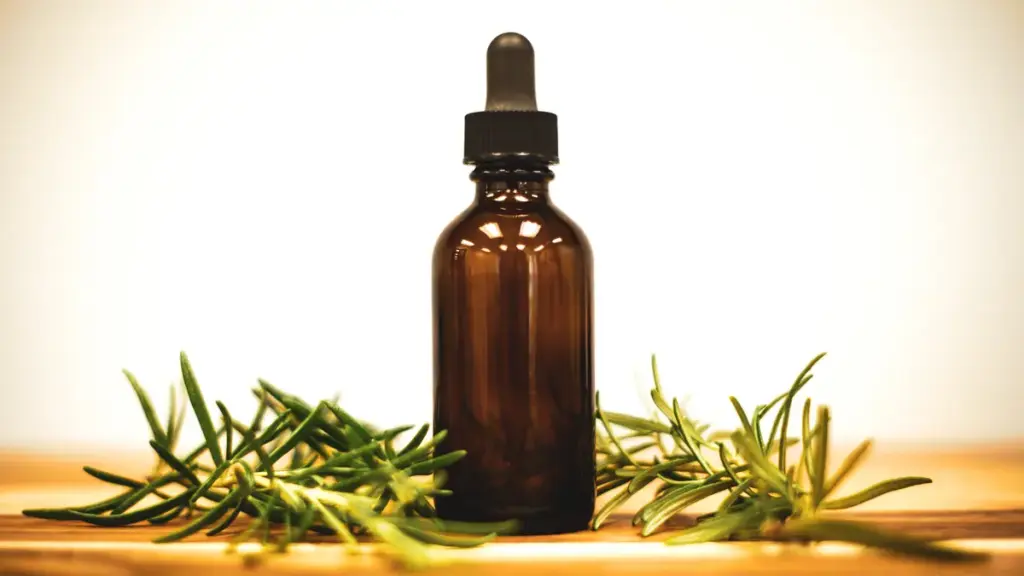
List of Essential Oils: An Alphabetical Guide
An alphabetical guide to common essential oils, botanical identities and the distinctions that matter when reading a label.
Read the guide
Plant Guru Essential Oils Review: Testing, Labels and Claims
An independent review of Plant Guru’s published testing, label information, safety guidance and health claims.
Read the guide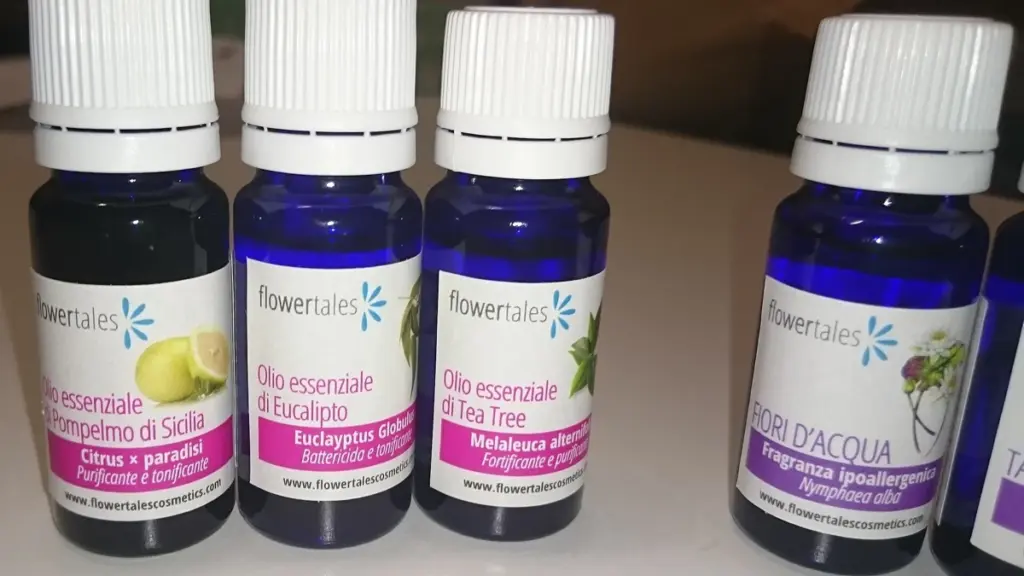
Reputable Essential Oil Companies: What to Look For
How to judge an essential-oil supplier by identity, batch information, testing and responsible claims rather than marketing.
Read the guide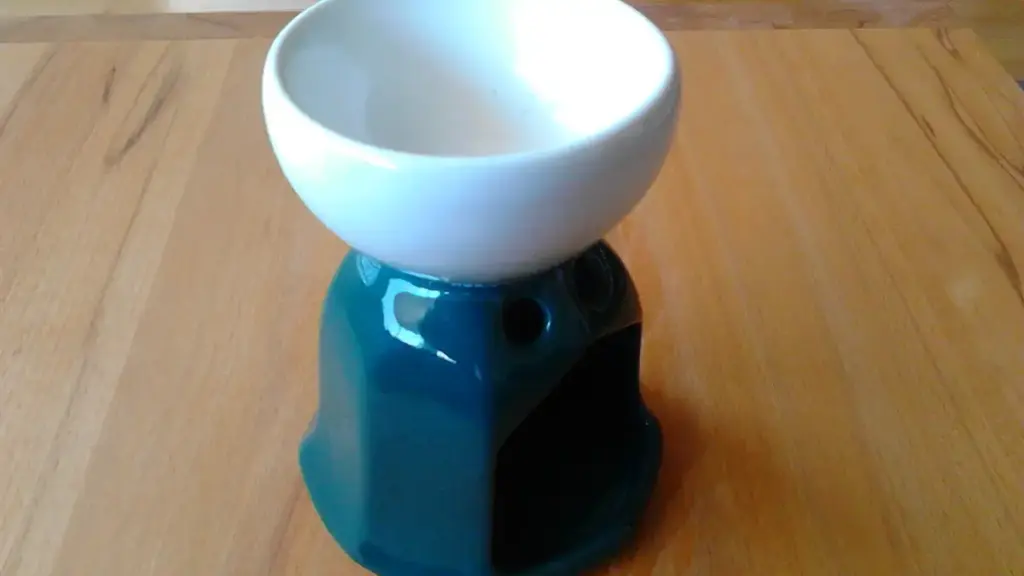
What Is an Essential Oil Diffuser?
How ultrasonic, nebulising, passive and heat diffusers work, what they release and why a diffuser is neither a humidifier nor an air purifier.
Read the guide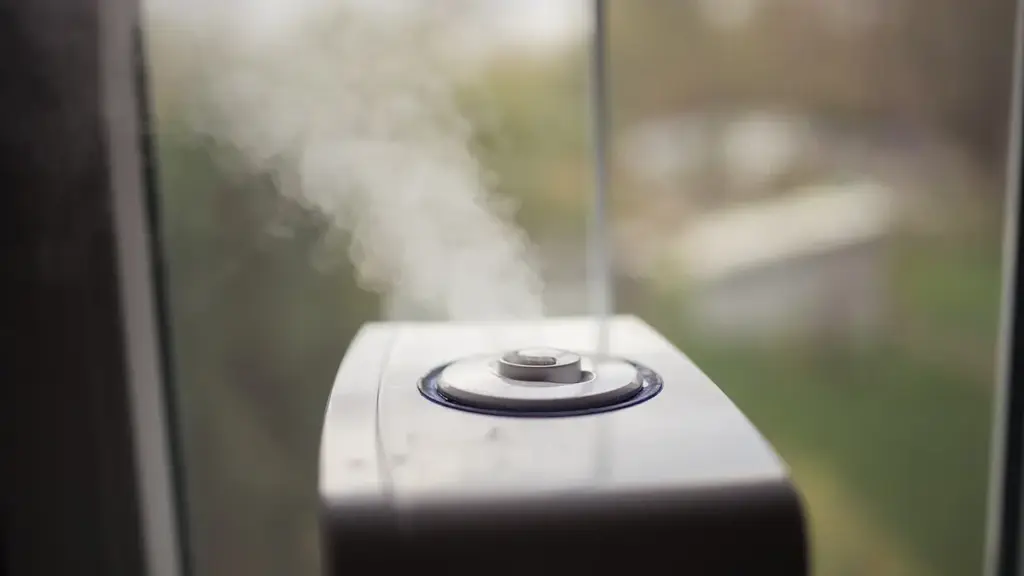
.jpg)
Why Is My Essential-Oil Diffuser Making a Loud Noise?
Three common causes of diffuser noise, safe cleaning and placement checks, and the warning signs that mean the unit should be unplugged.
Read the guideHow sources are handled
Statements about studies link to the supporting paper where they appear. I prefer systematic reviews, clinical guidance, trial registrations, full research papers and authoritative public-health material. A reference list is not a substitute for making clear what each source actually tested.
Product specifications and company policies can change. Guides that discuss a named product record the public information available when checked, and readers should confirm the current label before buying. Manufacturer material can establish what a company says; it cannot independently prove a medical benefit.
Four rules that apply across the guides
- Identify the product. Botanical name, plant part, extraction and dilution determine what is in the bottle.
- Match the evidence. The preparation, route and outcome in a source must match the claim being made.
- Use less exposure, not more. Stronger scent is not evidence of greater benefit.
- Do not replace care. A practical guide cannot diagnose a symptom or make an essential oil a substitute for medical or veterinary treatment.
Where to go next
Browse Oils when you need help identifying one oil or blend. Browse Conditions when the question starts with a symptom or diagnosis. Use the Evidence Method to understand findings, evidence strength and safety, including the limits of small, unblinded or indirect studies.