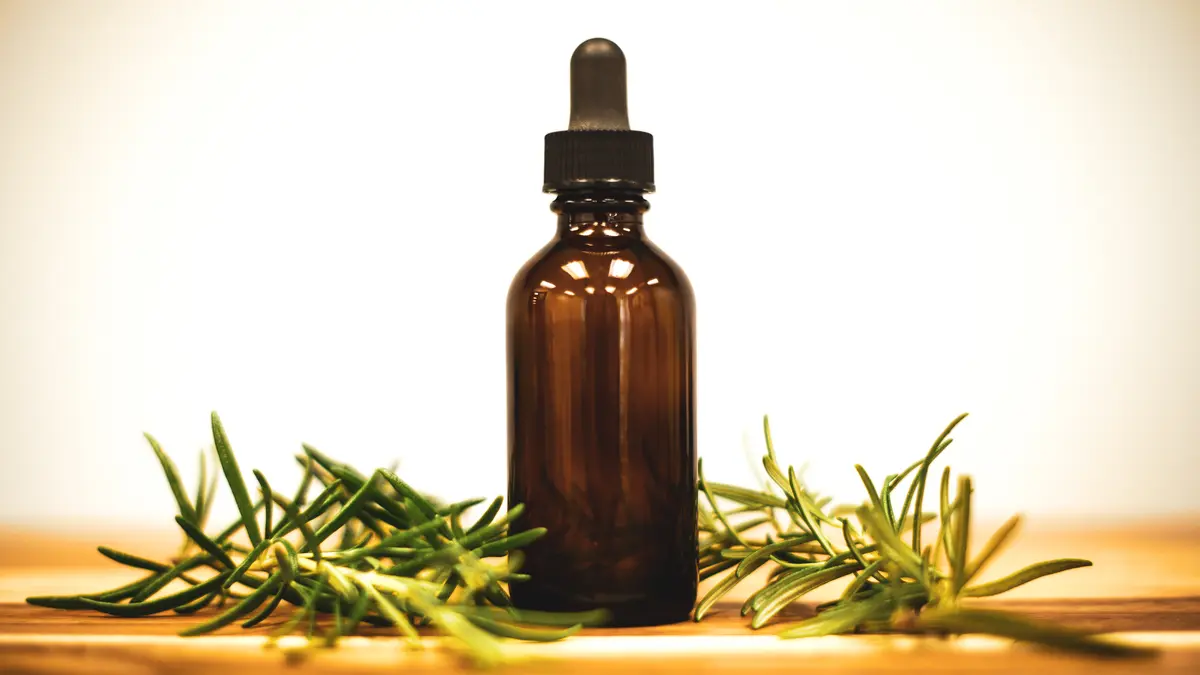

This alphabetical list names common essential oils and the botanical identities usually associated with them. Always check the bottle because common names can cover several species.
How to use this list
A botanical name is more precise than a marketing name, but it is only the start. Plant part, extraction method, origin and batch also affect what is in the bottle.
Links below lead to HealthWatchlist profiles where one is available. An unlinked name is not a health recommendation or an evidence score.
A to C
- Atlas cedarwood: Cedrus atlantica. See the cedarwood profile.
- Basil: often Ocimum basilicum.
- Bergamot: Citrus bergamia, usually expressed from the peel.
- Black pepper: Piper nigrum.
- Roman chamomile: Chamaemelum nobile. Compare it with German chamomile in the chamomile profile.
- Cedarwood: a shared name for several species. See the cedarwood profile.
- Cinnamon bark or leaf: often Cinnamomum verum, with the plant part stated.
- Clary sage: Salvia sclarea.
- Clove: Syzygium aromaticum, commonly bud or leaf oil.
- Coriander: Coriandrum sativum. Fruit and leaf oils differ. See the coriander profile.
E to L
- Eucalyptus: may mean Eucalyptus globulus, E. radiata or another species.
- Fennel: Foeniculum vulgare. Sweet and bitter fennel need distinction. See the fennel profile.
- Frankincense: oils come from several Boswellia species.
- Geranium: often Pelargonium graveolens or a named hybrid.
- German chamomile: Matricaria chamomilla. See the chamomile profile.
- Ginger: Zingiber officinale. See the ginger profile.
- Grapefruit: Citrus paradisi, commonly expressed from the peel.
- Helichrysum: often Helichrysum italicum. See the helichrysum profile.
- Lavender: may mean Lavandula angustifolia, lavandin or another species. See the lavender profile.
- Lemon: Citrus limon, usually expressed from the peel.
- Lemongrass: commonly Cymbopogon citratus or C. flexuosus.
M to R
- Myrrh: usually Commiphora myrrha resin oil.
- Neroli: distilled from the flowers of Citrus aurantium.
- Patchouli: Pogostemon cablin.
- Peppermint: Mentha × piperita. See the peppermint profile.
- Rose: often Rosa damascena, sold as an oil, absolute or diluted product.
- Rosemary: Salvia rosmarinus, formerly widely labelled Rosmarinus officinalis.
- Rosewood: usually Aniba rosaeodora. Traceability is important. See the rosewood profile.
S to Y
- Sandalwood: may refer to Santalum album, S. spicatum or another species.
- Tea tree: Melaleuca alternifolia. See the tea-tree profile.
- Thyme: often Thymus vulgaris, with chemically different types sold.
- Vanilla: usually an extract, oleoresin or fragrance rather than a standard distilled oil. See the vanilla profile.
- Vetiver: Chrysopogon zizanioides, usually root oil.
- Yarrow: Achillea millefolium. See the yarrow profile.
- Ylang-ylang: Cananga odorata, sold in different distillation fractions.
Names that need extra care
“Amber essential oil” does not identify one botanical product. Read the amber profile before assuming that a fragrance or infusion is a distilled oil.
“Coconut essential oil” also needs checking. Most coconut oils are fixed carrier oils, not volatile essential oils. See the coconut oil profile.
Safety
Being on this list does not make an oil safe to swallow, apply neat or use around children and animals. Read the essential-oil safety guide for practical precautions.
Botanical reference
Kew’s Plants of the World Online can help check accepted plant names, synonyms and distributions.
What belongs on an accurate label?
A common name is a starting point, not a complete identity. “Cedarwood”, “chamomile”, “eucalyptus” and “sandalwood” can each describe products from more than one species. The label should give a botanical name, the part distilled and the extraction method. Country of origin and a batch number add useful traceability.
Botanical names can change as taxonomy is revised. A synonym is not necessarily evidence of deception, but the supplier should be able to connect the current accepted name with the one on its documentation. Kew’s database and other botanical authorities help with names; a batch chromatogram helps with the volatile product.
Distilled, expressed or extracted?
Most essential oils are steam-distilled. Citrus peel oils are often mechanically expressed. Delicate flowers may instead produce a solvent-extracted absolute, while carbon-dioxide extraction produces another aromatic material. These can all be valuable, but they are not chemically identical and should not share evidence by default.
Fixed carrier oils such as coconut, jojoba and sweet almond do not evaporate like essential oils. They are used to dilute or carry other ingredients. “Infused oil” means plant material has been steeped in a carrier. “Fragrance oil” may contain synthetic and natural aromatic substances. None of these names is an insult; the problem is inaccurate labelling.
New profiles in this guide
- Amyris: Amyris balsamifera wood oil, sometimes misleadingly called West Indian sandalwood.
- Carrot seed: usually Daucus carota fruit oil; not carrot-root macerate or sunscreen.
- Cassia: a cinnamaldehyde-rich cinnamon oil with significant irritation potential.
- Coffee: may be a pressed oil, carbon-dioxide extract, absolute or fragrance rather than a standard distillate.
- Eucalyptus: a group of species and oils; the botanical name distinguishes cineole-rich oils from lemon eucalyptus.
- Grapefruit: usually expressed peel oil, with extraction-dependent phototoxicity considerations.
- Myrrh: distilled from Commiphora resin; not interchangeable with tincture or whole resin.
- Ylang ylang: Cananga odorata flower oil sold in distinct distillation fractions.
Why a long list is not a treatment list
Plant identity tells us what a material is. It does not tell us that it helps a health outcome. Evidence about sleep, pain, infection or another claim must be assessed separately for the exact product and route. NCCIH notes that research on aromatherapy is limited for many conditions.
Use this alphabetical page to decode labels and find profiles. Use the Evidence Matrix when the question is whether an oil has credible human evidence for a particular outcome.